The assassination of President John F. Kennedy on November 22, 1963, remains one of the most profound and enduring mysteries of the 20th century. While the Warren Commission famously concluded that Lee Harvey Oswald acted alone, persistent questions and alternative theories have continued to fuel debate for decades. Among the many individuals and entities scrutinized by these theories, General Lyman L. Lemnitzer, a decorated four-star general who served as Chairman of the Joint Chiefs of Staff during the Kennedy administration, has emerged as a figure of considerable controversy. His alleged involvement, though never definitively proven, paints a disturbing picture of a potential military establishment acting against a democratically elected president.
Contextualizing Cold War Tensions
The early 1960s were a period of heightened Cold War tension, characterized by an intense ideological struggle between the United States and the Soviet Union. Cuba, under Fidel Castro’s increasingly communist regime, represented a significant geopolitical thorn in America’s side. The failed Bay of Pigs invasion in 1961, a CIA-backed attempt to overthrow Castro, had been a deeply embarrassing setback for the Kennedy administration and intensified the desire within certain circles to remove Castro from power.
The Genesis of Operation Mongoose
In response to the perceived threat of Cuban communism and the ongoing animosity towards Castro, the Kennedy administration authorized Operation Mongoose. This multifaceted covert operation aimed to destabilize the Cuban government through a range of clandestine activities, including sabotage, psychological warfare, and assassination plots. The operation was characterized by its aggressive and often ethically dubious tactics, reflecting a willingness to employ extreme measures in the pursuit of Cold War objectives.
Lemnitzer’s Role in Mongoose
General Lemnitzer, as Chairman of the Joint Chiefs of Staff, held a prominent position within the military hierarchy and was privy to the most sensitive national security matters. While his direct day-to-day involvement in the operational details of Mongoose might be debated, his oversight and strategic input into such a significant and clandestine undertaking are undeniable. His military background and presumed hawkish stance during the Cold War have led some to speculate that he may have viewed Castro as a critical threat that needed to be neutralized, regardless of the means.
In exploring the complex relationship between President John F. Kennedy and General Lyman Lemnitzer, it is essential to consider the broader context of military and political tensions during the early 1960s. A related article that delves into this dynamic is available at this link, which discusses the strategic decisions and conflicts that shaped their interactions, particularly in light of the Cold War and the Cuban Missile Crisis.
Whispers of Discontent and Military Resentment
Divergent Strategies on Cuba
President Kennedy and certain elements within the military and intelligence communities often held divergent views on how to deal with Cuba. While Kennedy, particularly after the Cuban Missile Crisis, sought a more measured approach, aiming to avoid direct military confrontation with the Soviet Union, some in the military leadership, including potentially Lemnitzer, advocated for more aggressive action, including invasion and the removal of Castro by force. This fundamental disagreement created a palpable tension between the executive and military branches.
The Bay of Pigs Fallout
The failure of the Bay of Pigs invasion had a profound impact on the relationship between President Kennedy and the Joint Chiefs of Staff. Kennedy reportedly felt betrayed by the military leadership, whom he believed had not been entirely forthcoming with him about the plan’s inherent weaknesses. This incident is often cited as a period of significant friction, with Kennedy questioning the loyalty and competence of some of his top military advisors. Conversely, some military figures may have viewed Kennedy as indecisive and unwilling to take the necessary steps to secure American interests.
Lemnitzer’s Perceived Opposition to Kennedy’s Policies
The prevailing narrative among proponents of the Lemnitzer theory suggests that the General harbored deep resentment towards President Kennedy for what he perceived as a weak and appeasing foreign policy, particularly concerning Cuba. This resentment, coupled with a belief that Kennedy’s policies were detrimental to American national security, could have, in theory, fostered a motive for removing the president from power. The idea is that Lemnitzer, a staunch anti-communist, saw Kennedy as an obstacle to a decisive victory against Soviet influence.
The “Operation Northwoods” Revelation
A Shocking Disclosure
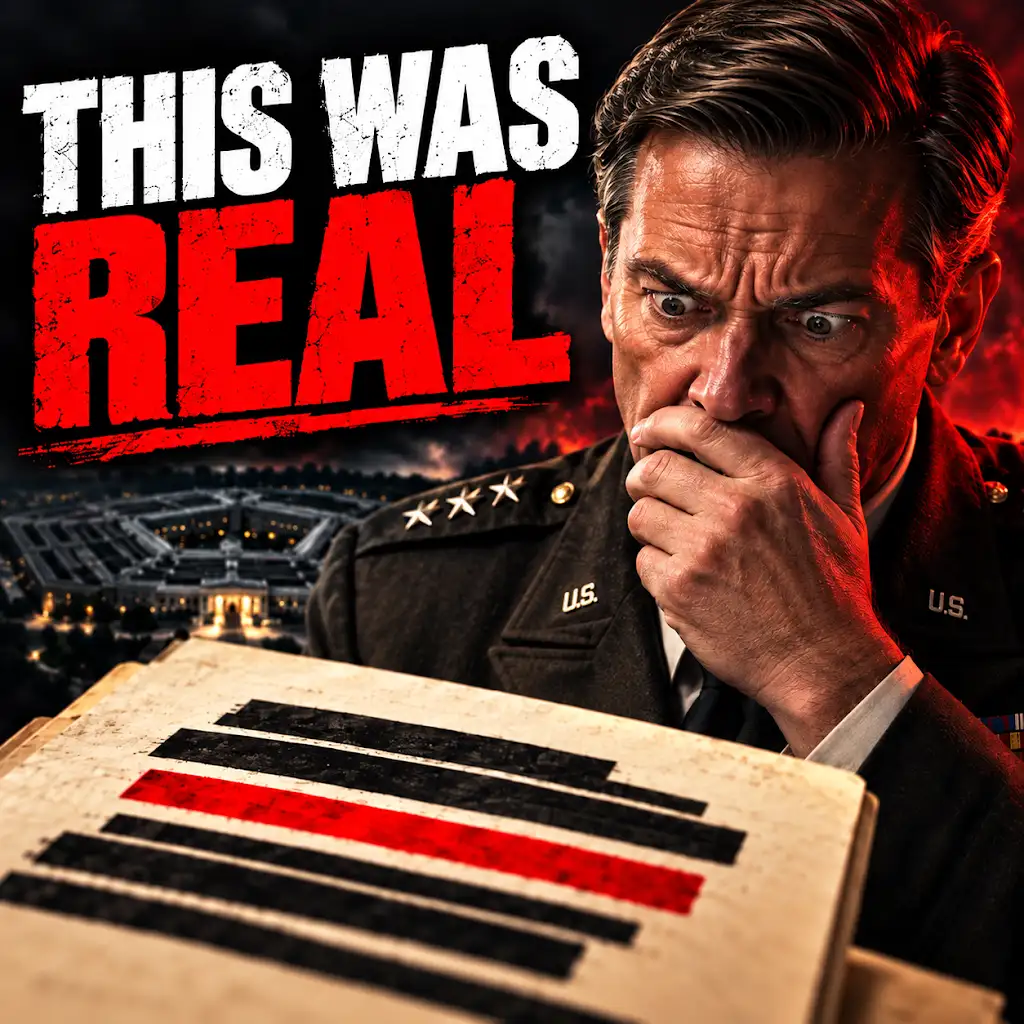
In 1997, the declassified documents related to the “Operation Northwoods” revelation sent shockwaves through the American public and historical community. These documents, dated March 1962, detailed a series of proposed false-flag operations that the U.S. military and intelligence agencies had considered to justify an invasion of Cuba. These proposals included staging terrorist attacks on American soil, assassinating Cuban expatriates, and even hijacking airplanes, all to be blamed on Cuba.
Lemnitzer’s Role in Northwoods
General Lemnitzer was the Chairman of the Joint Chiefs of Staff at the time these proposals were being formulated and presented to the Secretary of Defense. While the proposals were ultimately rejected by President Kennedy and Secretary of Defense Robert McNamara, the mere existence of such extreme contingency plans, originating from the highest levels of the military, raised profound questions about the mindset and operational considerations of some military leaders.
Implications for the JFK Assassination Theory
The Operation Northwoods documents provided a chilling glimpse into a willingness within the military to contemplate extreme measures, even those involving the loss of American lives, to achieve strategic objectives. For those who believe in a conspiracy behind the JFK assassination, these documents serve as a powerful piece of circumstantial evidence. They suggest that the military establishment, under leaders like Lemnitzer, was capable of devising and contemplating acts of immense deception and violence. The question then becomes: if they were willing to consider such drastic actions to provoke a conflict, were they also capable of orchestrating the assassination of a president to achieve a perceived national security imperative?
The “Ghost” of a Coup?
Lemnitzer’s Position and Influence
As Chairman of the Joint Chiefs of Staff, General Lemnitzer held immense power and influence within the U.S. military. He commanded the loyalty of thousands of men and had access to vast resources and intelligence networks. This position, combined with the aforementioned Cold War anxieties and perceived presidential opposition, made him a figure who, in theory, could have marshaled the necessary resources and personnel to execute a complex plot.
The “Self-Coup” Hypothesis
The theory suggesting Lemnitzer’s involvement often posits a “self-coup” scenario, where a segment of the military, disillusioned with President Kennedy’s leadership, acted to remove him and install a more compliant figure or to fundamentally alter the direction of American foreign policy. This would not necessarily involve a complete overthrow of the government in the traditional sense, but rather a targeted removal of the Commander-in-Chief to achieve specific policy goals.
The Role of the Military-Industrial Complex
Further fueling these theories is the broader concept of the military-industrial complex, a term popularized by President Dwight D. Eisenhower in his farewell address. This complex refers to the powerful interconnectedness between the military, defense contractors, and political figures, all of whom could potentially benefit from increased military spending and a more hawkish foreign policy. Some theorists suggest that Lemnitzer may have been acting on behalf of, or in concert with, elements of this complex, who saw Kennedy as a threat to their interests.
In exploring the complex relationship between President John F. Kennedy and General Lyman Lemnitzer, it is essential to consider the broader context of military and political strategies during the Cold War. Their interactions were pivotal in shaping U.S. foreign policy, particularly in relation to events like the Cuban Missile Crisis. For a deeper understanding of these dynamics, you can read more in the insightful article available at In the War Room, which delves into the intricate balance of power and decision-making during this critical period in American history.
Unanswered Questions and Lingering Doubts
“`html
| Category | JFK | General Lemnitzer |
|---|---|---|
| Birthdate | May 29, 1917 | August 9, 1899 |
| Occupation | 35th President of the United States | Chairman of the Joint Chiefs of Staff |
| Role in Cuban Missile Crisis | Key decision maker | Advised JFK as Chairman of the Joint Chiefs of Staff |
| Assassination | November 22, 1963 | N/A |
“`
The Inconsistencies of the Official Narrative
Despite the Warren Commission’s conclusion, numerous inconsistencies and unanswered questions have plagued the official narrative of the JFK assassination. These include the trajectory of the bullets, the number of shots fired, the chain of custody of evidence, and the alleged motivations of Lee Harvey Oswald. These perceived flaws have created fertile ground for alternative theories.
The Absence of Definitive Proof
It is crucial to acknowledge that despite the extensive theorizing and the intriguing circumstantial evidence, there is no direct, irrefutable proof linking General Lemnitzer to the assassination of President Kennedy. No eyewitnesses, no confessions, and no concrete documentary evidence have definitively placed him at the center of any plot. The connection remains speculative, albeit a compelling one for many researchers.
The Enduring Legacy of Conspiracy
The JFK assassination, due to its profound impact on American history and the lingering questions surrounding it, has become a touchstone for conspiracy theories. The alleged involvement of figures like General Lemnitzer speaks to a deep-seated distrust of governmental institutions and a fear that powerful entities may act in clandestine ways to manipulate events for their own purposes. Until irrefutable evidence emerges, or the existing evidence is re-examined with a more open mind, the controversial connection between General Lemnitzer and the assassination of President John F. Kennedy will continue to be a subject of intense debate and historical inquiry. The shadow of doubt cast by this perplexing event continues to linger, prompting ongoing exploration into the dark corners of American power and its potential consequences.
The Pentagon Plan to Fake an Attack on America—and Blame Cuba
FAQs
1. Who was JFK?
John F. Kennedy, commonly known as JFK, was the 35th President of the United States. He served as president from January 20, 1961, until his assassination on November 22, 1963.
2. Who was General Lemnitzer?
General Lyman Lemnitzer was a highly decorated senior officer in the United States Army who served as Chairman of the Joint Chiefs of Staff from 1960 to 1962.
3. What was the relationship between JFK and General Lemnitzer?
JFK and General Lemnitzer had a complex relationship. While they worked together on matters of national security and defense, there were also disagreements and tensions between them, particularly regarding military strategy and foreign policy.
4. What role did General Lemnitzer play in JFK’s administration?
As Chairman of the Joint Chiefs of Staff, General Lemnitzer was responsible for advising JFK on military matters and coordinating the efforts of the Army, Navy, Air Force, and Marines. He played a key role in shaping U.S. military strategy during the early 1960s.
5. What is the significance of the relationship between JFK and General Lemnitzer?
The relationship between JFK and General Lemnitzer is significant because it sheds light on the complexities of civil-military relations and the challenges of balancing political leadership with military expertise. Their interactions also provide insight into the decision-making processes during a critical period of the Cold War.