
The rhythmic swell of the Pacific, a vast and often unpredictable expanse, plays a crucial role in global geopolitical dynamics. For Japan, an island nation with a long coastline and a complex regional security environment, maintaining robust maritime defense capabilities is not merely a matter of national pride but an existential necessity. In recent years, discussions have increasingly turned towards innovative and potentially game-changing additions to its naval arsenal. Among these, the concept of a “giant submarine” has emerged, not as a fantastical vision, but as a tangible strategic solution designed to address contemporary and future maritime security challenges. This article will delve into the strategic rationale, potential capabilities, and the broader implications of such a development for Japan’s defense posture.
The Evolving Maritime Landscape and Japan’s Strategic Imperatives
The East Asian maritime theater is characterized by its dynamism and increasing complexity. The rise of neighboring naval powers, territorial disputes, and the constant threat of disruption to vital sea lanes necessitate a sophisticated and adaptable defense strategy. Japan, as a major trading nation heavily reliant on maritime commerce, is particularly vulnerable to any instability that could affect its access to resources and markets. Its current Self-Defense Forces (SDF) are highly capable, but the evolving threat environment demands continuous innovation and the exploration of new strategic paradigms.
The Shadow of Great Power Competition
The re-emergence of great power competition in the Indo-Pacific region has significantly altered the strategic calculus for nations like Japan. The increasing assertiveness of certain regional actors, coupled with the expansion of their naval and air power, has created a more volatile security environment. Japan’s geographical position, bordering crucial maritime choke points and facing potential territorial infringements, places it at the forefront of these geopolitical shifts. The need for a credible deterrent and the ability to project power, or at least deny it to adversaries, has never been more pronounced.
Safeguarding Vital Sea Lanes of Communication
Japan’s economic prosperity is inextricably linked to the uninterrupted flow of goods and energy through its Sea Lanes of Communication (SLOCs). These are the arteries of global trade, and their vulnerability represents a significant strategic weakness. Protecting these SLOCs from potential interdiction, blockade, or harassment by hostile forces is a paramount objective for Japan’s maritime defense. This requires a diverse range of assets, from surface combatants and patrol vessels to submarines and aerial surveillance platforms, each contributing to a layered defense.
The Submarine’s Enduring Advantage
Submarines, by their very nature, offer a unique set of advantages in naval warfare. Their stealth capabilities allow them to operate undetected, providing invaluable intelligence, reconnaissance, and the ability to launch surprise attacks. They are inherently difficult to track and neutralize, making them a potent deterrent and a highly effective offensive weapon. For Japan, which operates in a region with complex underwater topography and significant maritime traffic, submarines represent a critical component of its naval strategy.
Japan’s decision to build a giant submarine has sparked considerable interest and debate, particularly in light of its strategic military implications in the Asia-Pacific region. This move is seen as a response to increasing tensions with neighboring countries and a desire to enhance its naval capabilities. For a deeper understanding of the motivations behind this development, you can read a related article that explores the historical context and future prospects of Japan’s maritime strategy at this link.
Defining “Giant”: Scale, Capability, and Strategic Purpose
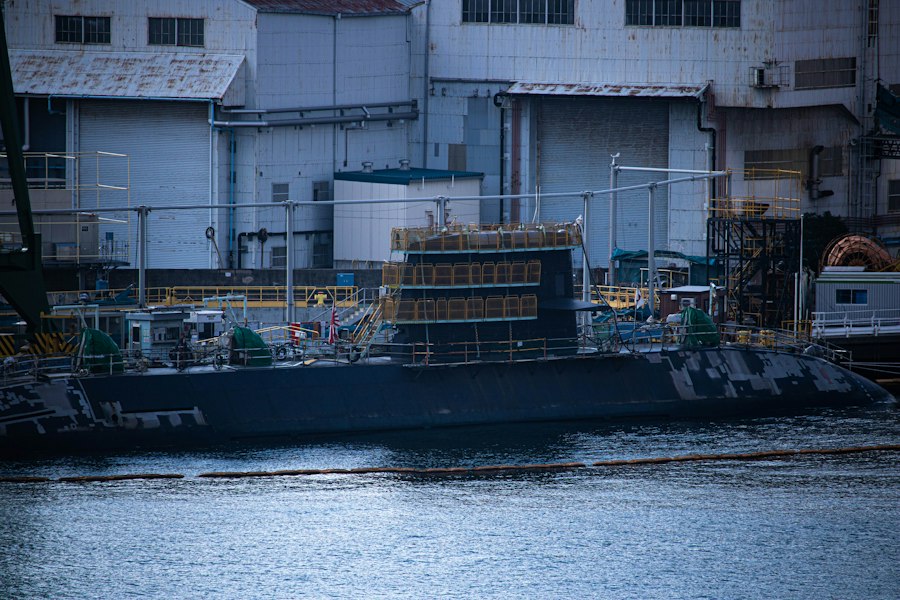
The term “giant submarine” in the context of Japanese defense is not about sheer size for size’s sake, but rather about a potential leap in capability and strategic reach. It implies a vessel that surpasses current operational submarines in terms of endurance, payload, and potentially specialized mission profiles. The concept likely envisions a platform that can operate for extended periods, far from home bases, and carry a significant offensive or defensive capability.
Endurance and Range: Projecting Power Across Vast Distances
A key characteristic of a “giant submarine” would be its extended endurance and operational range. This would allow it to patrol vast areas of the Pacific, maintain a persistent presence in strategically important regions, and respond to threats far from Japanese shores without the need for frequent refueling or resupply. Such extended operational capability would be crucial for deterring potential aggressors and for projecting a credible defense posture across a wide geographical area.
Payload and Versatility: More Than Just Torpedoes
The “giant” moniker could also refer to a significantly larger payload capacity. This could translate into the ability to carry a greater number of advanced torpedoes and anti-ship missiles, but also potentially a broader spectrum of armaments. Furthermore, it might include the capacity for deploying unmanned underwater vehicles (UUVs) for reconnaissance, mine countermeasures, or even offensive operations, as well as the potential for carrying specialized equipment for electronic warfare or intelligence gathering. This increased versatility would allow the submarine to perform a wider array of missions, from anti-surface warfare to anti-submarine warfare, and even clandestine special operations.
Advanced Technologies: Stealth, Sensors, and Systems
To be truly effective, a giant submarine would need to incorporate the most advanced technologies available. This includes enhanced stealth features to minimize its acoustic and magnetic signatures, making it even harder to detect. State-of-the-art sensor suites would be essential for gathering intelligence, tracking enemy vessels, and navigating complex underwater environments. Furthermore, advanced combat management systems and sophisticated communication technologies would be necessary for seamless integration into Japan’s broader defense network. The development of such a platform would likely necessitate significant investment in research and development, pushing the boundaries of existing submarine technology.
Strategic Applications: Deterrence, Denial, and Intelligence
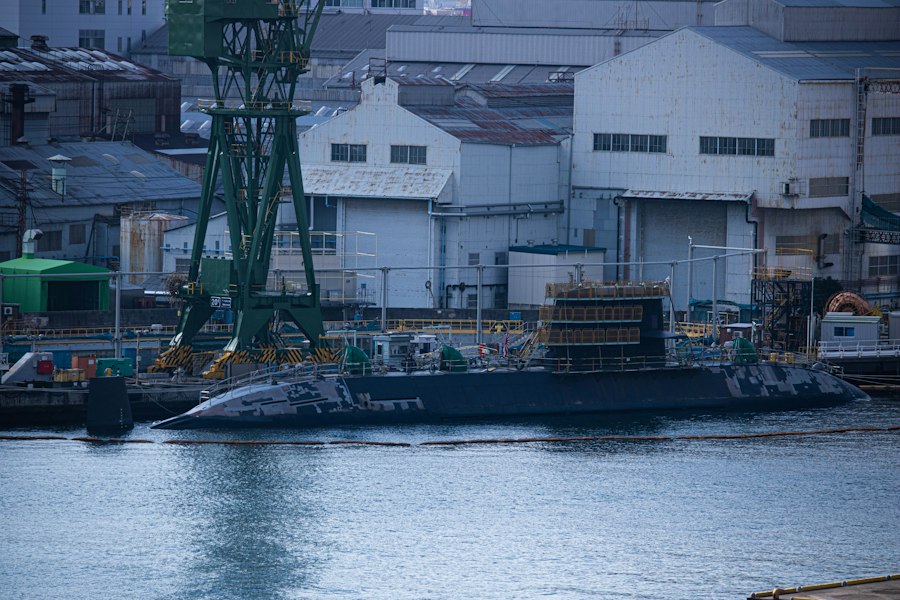
The strategic utility of a giant submarine extends across several critical domains of maritime defense. Its capabilities would be tailored to address specific threats and to enhance Japan’s overall ability to protect its interests in a challenging regional environment.
Enhanced Deterrence: A Visible and Unseen Threat
A giant submarine, even if largely unseen, would serve as a powerful deterrent. Its mere existence, and the knowledge that Japan possesses such a capable platform, would raise the stakes for any potential adversary contemplating aggression. The ability of such a submarine to operate deep within enemy-controlled waters or to shadow enemy fleets would create a constant and unnerving threat, making aggressive actions far riskier. This psychological dimension of deterrence, coupled with the tangible threat posed by advanced weaponry, would be a significant force multiplier for Japan’s defense strategy.
Area Denial and Sea Control: Securing Japan’s Maritime Approaches
A key role for a giant submarine would be in enforcing area denial and contributing to sea control within Japan’s vital maritime approaches. By being able to patrol and operate effectively in key chokepoints and strategic waterways, these submarines could prevent hostile forces from operating freely or projecting power into areas critical to Japan’s security. Their stealth and offensive capabilities would make any attempt to gain dominance in these areas a costly and dangerous undertaking for an adversary.
Advanced Intelligence, Surveillance, and Reconnaissance (ISR)
The extended endurance and sophisticated sensor suites of a giant submarine would make it an invaluable asset for intelligence gathering. Operating undetected in contested waters, it could provide real-time information on the movements of potential adversaries, their deployments, and their capabilities. This ISR capability is crucial for situational awareness, early warning of threats, and for informing strategic decision-making. The ability to gather intelligence from within enemy operational areas, without risking other, more vulnerable assets, is a significant advantage.
Technological Hurdles and Developmental Pathways
The development of a giant submarine is not without its significant technological challenges. Overcoming these hurdles will require innovation, sustained investment, and a commitment to cutting-edge research and development.
Propulsion Systems: Powering Extended Operations
One of the most significant technological hurdles would be the propulsion system. To achieve the required endurance and range, advanced propulsion technologies would be essential. This could involve further development of Air-Independent Propulsion (AIP) systems, potentially leading to highly efficient Stirling engines or advanced fuel cell technology. Alternatively, the development of next-generation nuclear propulsion, while politically sensitive, could offer unparalleled endurance and operational freedom. The choice of propulsion system will have profound implications for the submarine’s performance, cost, and strategic viability.
Advanced Sonar and Stealth Technologies: The Arms Race Beneath the Waves
Maintaining stealth in an increasingly sophisticated detection environment is paramount. This necessitates continuous advancements in sonar technology, both for detection and for minimizing the submarine’s own acoustic signature. The development of quieter hull materials, advanced propeller designs, and sophisticated noise reduction techniques would be critical. Furthermore, the integration of non-acoustic detection methods and countermeasures would be essential to stay ahead of evolving adversary capabilities.
Combat Systems Integration and Automation
Integrating a vast array of advanced sensors, weapons, and communication systems into a single platform is a complex undertaking. The development of highly automated combat management systems will be crucial for reducing crew workload and ensuring rapid, effective responses to evolving threats. This includes advanced artificial intelligence (AI) for target identification, threat assessment, and weapon deployment, as well as sophisticated network-centric warfare capabilities to ensure seamless communication and data sharing with other elements of Japan’s defense forces.
Japan’s decision to build a giant submarine has sparked significant interest and debate among military analysts and historians alike. This move is seen as a strategic response to regional tensions and the need for enhanced maritime capabilities. For a deeper understanding of the implications behind this development, you can explore a related article that discusses the broader context of Japan’s military modernization efforts. The article provides insights into how these advancements may affect the balance of power in the Asia-Pacific region. To read more, visit this article.
The Broader Geopolitical and Economic Implications
| Metric | Data/Value | Explanation |
|---|---|---|
| Submarine Length | Approx. 110 meters | Giant size to accommodate advanced technology and crew comfort |
| Displacement | Approx. 3,000 tons | Large displacement for extended underwater endurance and payload |
| Endurance | Up to 60 days | Allows long missions without surfacing, critical for strategic operations |
| Speed (Submerged) | 20+ knots | High speed to evade detection and quickly reach operational areas |
| Primary Purpose | Strategic deterrence and defense | To protect Japan’s maritime interests and maintain regional security |
| Technological Features | Air-independent propulsion, advanced sonar | Enhances stealth and operational capabilities underwater |
| Geopolitical Reason | Regional security threats | Response to increasing naval activities in Asia-Pacific region |
The development and deployment of a giant submarine by Japan would have significant geopolitical and economic repercussions, both domestically and internationally. It would underscore Japan’s commitment to its own defense and its role in regional security, while also potentially influencing the strategic calculations of its neighbors and allies.
A Message to Regional Powers and Allies
The acquisition of such a cutting-edge naval asset would send a clear message to regional powers about Japan’s determination to defend its interests. It would demonstrate a willingness to invest in advanced capabilities and to adapt its defense posture to meet evolving threats. For its allies, particularly the United States, it would signal Japan’s growing capacity for burden-sharing and its continued commitment to maintaining regional stability. This could strengthen existing alliances and foster new avenues for cooperation in maritime security.
Economic Impact and Technological Advancement
The development of a giant submarine would also have a substantial economic impact. It would spur innovation in a range of high-technology sectors, creating skilled jobs and fostering advancements in materials science, engineering, and information technology. The spin-off benefits of such a project could extend beyond the defense sector, driving economic growth and technological progress across the Japanese economy. However, the substantial investment required would also necessitate careful budgetary planning and prioritization.
The Future of Submarine Warfare in the Indo-Pacific
The potential emergence of giant submarines in the Indo-Pacific could mark a significant shift in the future of submarine warfare. It could accelerate an arms race in underwater capabilities, prompting other nations to invest in similar or counter-capabilities. This could lead to a more complex and potentially more dangerous maritime environment, where the underwater domain becomes an increasingly critical theater of competition. Japan’s initiative, therefore, would not only shape its own defense but could also influence the broader strategic dynamics of the region for decades to come. The strategic rationale for such a development is clear, the technological challenges are significant, but the potential rewards in terms of enhanced security and strategic deterrence are undeniable, making Japan’s giant submarine a concept worth serious consideration.
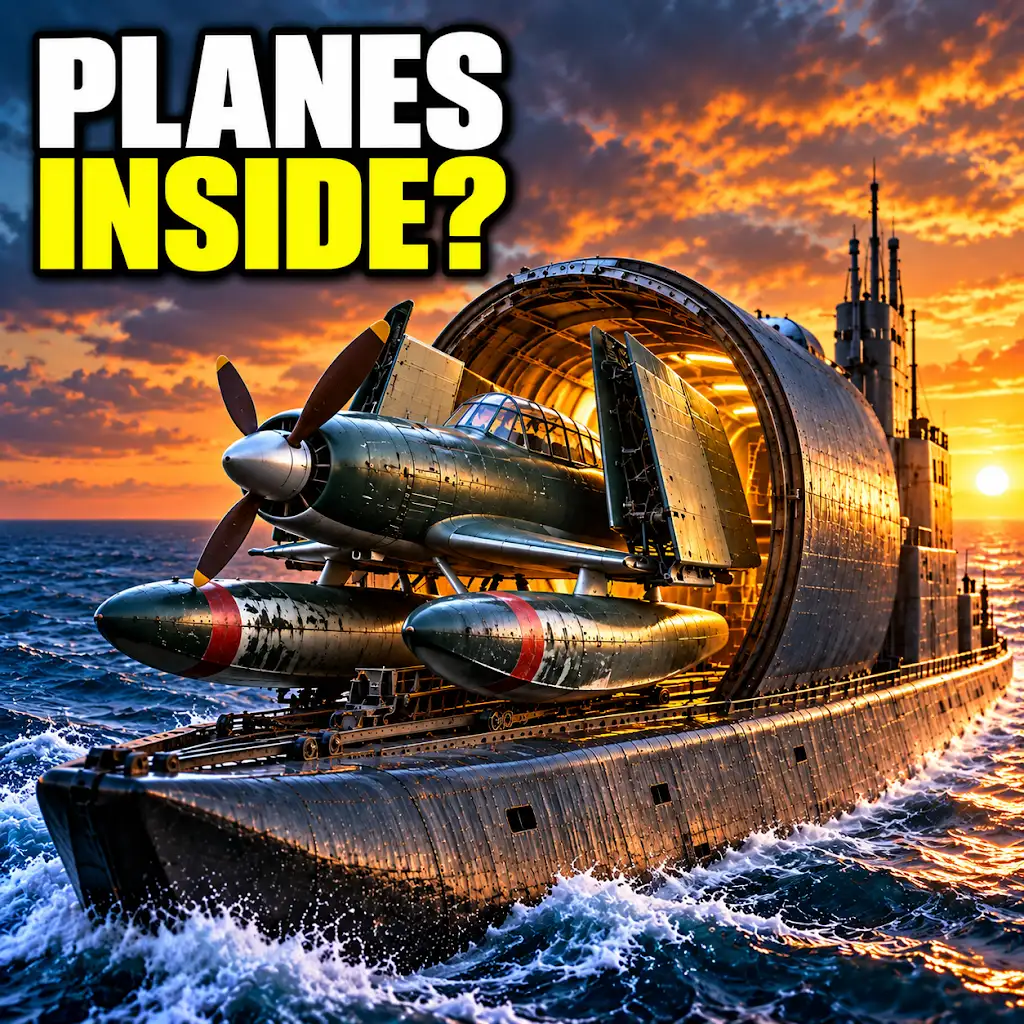
Japan Built a Submarine That Could Launch Three Planes
FAQs
1. Why did Japan build a giant submarine?
Japan built a giant submarine to enhance its maritime defense capabilities and to counter potential threats in the region.
2. How big is the giant submarine built by Japan?
The giant submarine built by Japan is approximately 3,000 tons and measures around 84 meters in length.
3. What are the main features of Japan’s giant submarine?
Japan’s giant submarine is equipped with advanced technology, including stealth capabilities, long-range missiles, and the ability to operate for extended periods underwater.
4. How does Japan’s giant submarine compare to other submarines in the world?
Japan’s giant submarine is one of the largest conventional submarines in the world and is designed to operate in deep waters for extended periods.
5. What is the purpose of Japan’s giant submarine in terms of national security?
The purpose of Japan’s giant submarine is to strengthen its naval capabilities, protect its maritime interests, and ensure the security of its territorial waters in the face of evolving security challenges.