Echoes from the Deep: Unpacking the Specter of Japanese Submarine Operations Off the US West Coast
The vast expanse of the Pacific Ocean has always held a certain mystique, a seemingly impenetrable frontier. For decades, this watery domain has been a strategic fulcrum, and whispers of advanced submarine capabilities, particularly those attributed to Japan, can send ripples of concern through coastal communities and national security circles alike. The notion of Japanese submarines operating with intent off the United States West Coast is a scenario that elicits a range of responses, from outright dismissal to profound anxiety, prompting a crucial examination of its potential as both a significant threat and, perhaps counterintuitively, an inadvertent catalyst for change and opportunity.
Historically, Japan’s naval prowess has been a subject of intense geopolitical analysis. Emerging from the ashes of World War II, its Self-Defense Forces have evolved into a sophisticated and technologically advanced military, with a particular emphasis on maritime capabilities. While explicitly defensive in its mandate, the qualitative advancements in its submarine fleet, including its introduction of advanced air-independent propulsion (AIP) technology and stealth capabilities, have inevitably drawn comparisons to the offensive potential of other regional naval powers. The question is not whether Japan can project submarine power, but rather under what circumstances, with what objectives, and what the implications are for a nation that has, for generations, enjoyed a relative degree of oceanic insulation along its western seaboard. This article delves into the multifaceted implications of such a hypothetical scenario, dissecting the potential threats it poses and exploring the less-discussed avenues for opportunity and strategic adaptation.
Recent developments regarding Japanese submarine plans for the U.S. West Coast have raised concerns among defense analysts and military strategists. For a deeper understanding of the implications and strategic considerations surrounding this issue, you can read a related article that explores the potential impact on U.S. naval operations and regional security dynamics. Check it out here: Japanese Submarine Plans and U.S. West Coast Security.
The Shadow Beneath the Waves: Assessing the Direct Threats to US Security

The most immediate and palpable concern surrounding the possibility of Japanese submarines operating off the US West Coast revolves around the potential for direct military or economic disruption. While the prospect of outright naval conflict between the two nations is highly unlikely given their strong alliance, the nature of submarine warfare itself presents unique challenges that transcend traditional notions of state-to-state confrontation. The stealth inherent in submarine operations means that detection, tracking, and interdiction are exceptionally difficult, even for technologically advanced navies.
Intelligence and Surveillance Vulnerabilities
The presence of a hostile or even ambiguously postured submarine fleet off the coast could fundamentally alter the intelligence landscape. For decades, the US West Coast has been considered a relatively secure rear area. The introduction of advanced, quiet submarines capable of long-duration patrols would necessitate a drastic recalibration of surveillance and early warning systems. Existing acoustic sensor networks, while extensive, might be challenged by the stealth characteristics of modern Japanese submarines. Furthermore, the sheer vastness of the Pacific coastline presents a formidable challenge for comprehensive monitoring. Any perceived gaps in intelligence could embolden adversaries or create opportunities for asymmetric warfare. The psychological impact of knowing that a stealthy subsurface threat could be lurking just beyond the horizon, potentially capable of observing critical infrastructure or naval movements, would be a significant destabilizing factor. This could lead to increased anxieties about the security of critical maritime assets, including ports, naval bases, and commercial shipping lanes, forcing a re-evaluation of defensive postures.
Economic Interdiction and Critical Infrastructure
The economic lifeline of the United States is inextricably linked to its maritime trade. The West Coast is a vital gateway for goods and resources, and its ports handle a significant volume of international commerce. The hypothetical scenario of Japanese submarines posing a threat raises the specter of economic interdiction. While direct attacks on commercial vessels by a nation with which the US has an alliance are improbable, the potential for subtle disruptions, such as intelligence gathering on shipping patterns, or even the coercive threat of such actions, cannot be entirely discounted in extreme geopolitical circumstances. More concerning, perhaps, is the vulnerability of critical undersea infrastructure. Submarine communication cables, vital for global internet and financial transactions, lie on the ocean floor. Any hostile actor with the capability to operate in such an environment could, in theory, pose a threat to these crucial arteries of modern communication, leading to widespread disruption and economic chaos. The mere existence of such a capability, even if not actively employed, could create a climate of uncertainty and necessitate costly defensive measures.
Strain on Naval Resources and Strategic Posture
The need to monitor and potentially counter a submarine threat off the West Coast would place an immense strain on already stretched US naval resources. The Pacific theater is a complex and dynamic environment, with numerous competing demands on naval assets. Diverting significant anti-submarine warfare (ASW) capabilities to patrol US coastal waters would inevitably impact operational readiness and strategic deployments elsewhere. This could create vacuums in other regions, potentially emboldening other actors or weakening overall US global power projection. The requirement for continuous ASW patrols, aerial surveillance, and intelligence gathering would necessitate substantial increases in personnel, equipment, and operational tempo. This diversion of resources could also have ripple effects on naval training, maintenance schedules, and the development of new technologies, potentially slowing down innovation in other critical areas of naval warfare.
Beyond Confrontation: Unforeseen Opportunities and Strategic Realignments

While the immediate focus often defaults to the realm of threat, the very prospect of advanced Japanese submarine operations off the US West Coast, however improbable, can also serve as a powerful catalyst for positive change and strategic opportunity. The challenges it presents, if confronted proactively, could lead to a strengthening of alliances, advancements in technology, and a deeper understanding of the evolving maritime security landscape.
Heightened Bilateral Cooperation and Burden Sharing
The shared concern over evolving maritime security dynamics, even if stemming from hypothetical scenarios involving allies, can paradoxically foster deeper cooperation. A perceived increase in the need for regional maritime surveillance and security could lead to enhanced joint exercises, intelligence sharing, and the development of integrated ASW strategies between the United States and Japan. This could extend to other regional partners as well, creating a more robust and coordinated approach to maintaining freedom of navigation and deterring potential aggressors. The “threat” of Japanese submarine activity, even in its hypothetical form, could serve as a powerful impetus for both nations to refine their interoperability and collectively invest in advanced maritime security technologies. This shared responsibility could lead to a more equitable distribution of the burden of maintaining regional stability, allowing both nations to focus their resources more effectively. Furthermore, such cooperation could extend to the development of common doctrines and operational procedures, ensuring seamless coordination in the unlikely event of a real crisis.
Accelerated Technological Innovation in Maritime Domain Awareness
The persistent challenge of detecting and tracking stealthy submarines has long been a driving force behind innovation in naval technology. A heightened awareness of potential subsurface threats off the US West Coast would undoubtedly accelerate investment and research into advanced maritime domain awareness (MDA) systems. This could include breakthroughs in passive acoustic sensing, non-acoustic detection methods (such as magnetic anomaly detectors and optical sensors), and artificial intelligence-driven analysis of vast amounts of sensor data. The development of more sophisticated unmanned underwater vehicles (UUVs) for reconnaissance and surveillance, as well as advancements in satellite-based oceanographic monitoring, could also be spurred by such a scenario. This technological race, while driven by defensive concerns, could yield significant benefits for civilian applications as well, such as improved oceanographic research, environmental monitoring, and disaster response capabilities. The drive for superior MDA could also lead to more effective anti-pollution measures and better understanding of marine ecosystems.
Rethinking Coastal Defense and Maritime Security Doctrine
For a nation with vast coastlines like the United States, the traditional focus on projecting power outwards can sometimes overshadow the importance of robust coastal defense. The specter of sophisticated submarines operating near home shores would force a critical re-evaluation of existing coastal defense strategies. This could lead to increased investment in port security, the development of layered defense systems, and a greater emphasis on littoral warfare capabilities. Furthermore, it would necessitate a rethinking of maritime security doctrine, moving beyond purely offensive-minded strategies to incorporate more comprehensive approaches that prioritize early warning, intelligence gathering, and the ability to respond effectively in one’s own backyard. This re-evaluation might also lead to a more integrated approach to national security, bridging the gap between military and civilian agencies responsible for maritime safety and security. The insights gained from confronting such a hypothetical scenario could also inform defense planning for other coastal nations facing similar challenges, fostering a broader international dialogue on maritime security.
Deconstructing the “Threat”: Nuance and Improbability in the Alliance Context
It is crucial to approach the notion of Japanese submarines posing a threat to the US West Coast with a significant degree of nuance and a healthy dose of realism. The historical context of the US-Japan alliance, characterized by decades of close security cooperation and shared democratic values, renders a direct, hostile confrontation highly improbable. Understanding the limitations and specific contexts of Japan’s military capabilities is essential to avoid succumbing to alarmist interpretations.
The Unwavering Strength of the US-Japan Alliance
The security partnership between the United States and Japan is one of the cornerstones of stability in the Indo-Pacific region. Their alliance is built on a foundation of shared strategic interests, mutual trust, and a common commitment to a rules-based international order. The Japanese constitution, while allowing for self-defense, explicitly prohibits offensive military actions. Its defense posture is inherently defensive, and its naval capabilities, including its submarine force, are designed to deter aggression and protect Japanese territory and interests. The idea of Japan actively seeking to project hostile submarine power against its closest ally is therefore fundamentally at odds with the established framework of their relationship. Any perceived increase in Japanese submarine capabilities would more likely be viewed within the context of regional security dynamics, particularly in response to the growing assertiveness of other powers in the East and South China Seas. The focus would be on collective deterrence rather than adversarial intent towards the US.
Japan’s Submarine Fleet: Capabilities and Limitations
Japan operates a modern and highly capable submarine fleet, comprising diesel-electric submarines equipped with advanced AIP technology, allowing for extended submerged endurance and quiet operation. These submarines are designed for intelligence gathering, anti-ship warfare, and mine laying. However, they are generally considered to be defensive in nature, optimized for operating in the relatively confined waters of the Western Pacific. Their operational range and payload capacity, while significant, are not typically associated with long-range power projection missions deep into the Pacific, far from Japanese shores. While technological advancements are ongoing, the leap to a capability that could persistently and covertly operate off the US West Coast without detection would represent a monumental and highly conspicuous shift in Japan’s defense posture, one that would be difficult to conceal from its closest intelligence partners. Furthermore, the operational and logistical support required for such extended deployments would be substantial and inherently more visible.
The Strategic Imperative of Transparency and Communication
Given the potential for misinterpretation and alarm, robust channels of communication and transparency between the United States and Japan are paramount. Any perceived advancements in Japan’s submarine capabilities would ideally be discussed openly within the framework of their alliance. This would allow for a shared understanding of their purpose, a joint assessment of regional threats, and a coordinated approach to maintaining maritime security. The lack of such transparency, even if unintentional, could foster suspicion and undermine the very alliance it is intended to strengthen. Proactive dialogue and information sharing are key to ensuring that technological advancements are viewed as components of a collective defense strategy, rather than as nascent threats to the alliance itself. This open communication would also allow for early identification of any potential misunderstandings or unintended escalations, further solidifying the trust between the two nations.
Recent developments regarding Japanese submarine plans for the US West Coast have raised concerns among military analysts and policymakers. These plans highlight the increasing focus on naval capabilities in the Pacific region, prompting discussions about potential strategic responses. For a deeper understanding of the implications of these developments, you can read more in this insightful article on naval strategy and its impact on regional security.
Strategic Adaptations: Preparing for a Shifting Maritime Paradigm
| Metric | Details |
|---|---|
| Time Period | World War II (1941-1945) |
| Primary Objective | Reconnaissance and disruption of US West Coast shipping |
| Number of Submarines Deployed | Approximately 10-15 submarines involved in West Coast operations |
| Notable Operations | Shelling of Ellwood oil field (1942), reconnaissance missions near San Francisco and Los Angeles |
| Impact on US West Coast | Minimal physical damage, increased coastal defense measures and blackouts |
| US Response | Increased naval patrols, establishment of coastal radar stations, and civil defense programs |
Even if the direct threat of hostile Japanese submarines off the US West Coast remains a low-probability event, the hypothetical scenario serves as a valuable stress test for US maritime security preparedness. It compels a proactive examination of vulnerabilities and the development of strategies to adapt to a more complex and potentially contested oceanic environment.
Enhancing Maritime Domain Awareness (MDA) Beyond Existing Frameworks
The need to enhance MDA capabilities extends beyond simply detecting submarines. It involves a comprehensive understanding of all maritime activities within US waters and approaches. This would necessitate the integration of data from a wide array of sources, including surface vessels, aerial surveillance, satellite imagery, and even cyber intelligence. Developing sophisticated AI algorithms to sift through this data and identify anomalies would be critical. The US Navy and Coast Guard would need to invest in next-generation sensor networks, both ashore and at sea, and explore novel approaches to ocean surveillance. This could include the deployment of advanced autonomous systems, both aerial and underwater, designed for persistent monitoring. Furthermore, leveraging commercial maritime data and developing public-private partnerships could offer valuable insights into global shipping patterns and potential illicit activities. The goal is to create a near real-time, comprehensive picture of the maritime environment, leaving no shadowy corner unchecked.
Modernizing Anti-Submarine Warfare (ASW) Capabilities and Doctrines
The potential for advanced, stealthy submarines operating in proximity to US shores demands a significant modernization of ASW capabilities and doctrines. This includes investing in quieter, more capable ASW platforms, such as advanced destroyers and submarines equipped with cutting-edge sonar and weapons systems. The development and deployment of improved torpedoes and other ASW munitions, capable of detecting and engaging elusive targets, would also be crucial. Furthermore, the US would need to refine its ASW doctrines to account for the unique challenges posed by stealthy, diesel-electric submarines. This might involve a greater emphasis on distributed ASW operations, where multiple platforms work collaboratively to track and neutralize threats, rather than relying on single, large ASW assets. The training of ASW personnel would also need to be continually updated to reflect the latest technological advancements and adversary tactics. This could include increased use of simulation and virtual reality training environments to prepare personnel for a wide range of scenarios.
Strengthening Coastal Defense and Port Security Measures
The US West Coast’s extensive coastline represents a significant security challenge. The potential for subsurface incursions would necessitate a comprehensive review and enhancement of coastal defense strategies. This could involve increased patrols by the Coast Guard and Navy, the deployment of fixed and mobile undersea surveillance systems along critical approaches to ports and naval facilities, and the development of more robust counter-mine capabilities. Port security measures would also need to be strengthened, with an emphasis on detecting and deterring any attempts to exploit maritime vulnerabilities for nefarious purposes. This might include enhanced screening of vessels and cargo, as well as improved intelligence gathering on potential threats operating within port vicinities. A layered defense approach, extending from the open ocean to the innermost reaches of major harbors, would be essential to provide a robust and comprehensive shield against potential subsurface threats. The integration of civilian law enforcement and port authorities into a unified security network would also be crucial.
Conclusion: A Hypothetical Catalyst for Maritime Resilience
The discussion surrounding potential Japanese submarine operations off the US West Coast, while largely hypothetical, serves as a crucial thought experiment. It compels a critical examination of existing security paradigms and highlights the need for continuous adaptation in an ever-evolving geopolitical landscape. While the direct threat of hostile intent from a staunch ally like Japan is exceedingly unlikely, the mere contemplation of such a scenario underscores the inherent vulnerabilities of vast maritime frontiers.
Instead of succumbing to alarmism, this hypothetical situation can be leveraged as a powerful catalyst for positive change. It presents an opportunity to deepen the already robust US-Japan alliance, fostering greater cooperation, intelligence sharing, and joint investment in advanced maritime technologies. It can accelerate innovation in crucial areas like maritime domain awareness and anti-submarine warfare, ultimately enhancing the security and resilience of both nations. Furthermore, it serves as a timely reminder of the importance of strengthening coastal defenses and re-evaluating maritime security doctrines to ensure preparedness for a wide spectrum of potential challenges. By embracing the lessons inherent in this speculative scenario, the United States and Japan can collaboratively navigate the complexities of the 21st-century maritime environment, emerging stronger, more secure, and better equipped to face the challenges of tomorrow. The echoes from the deep, even if born of conjecture, can ultimately guide us towards a more secure and cooperative future on the boundless Pacific.
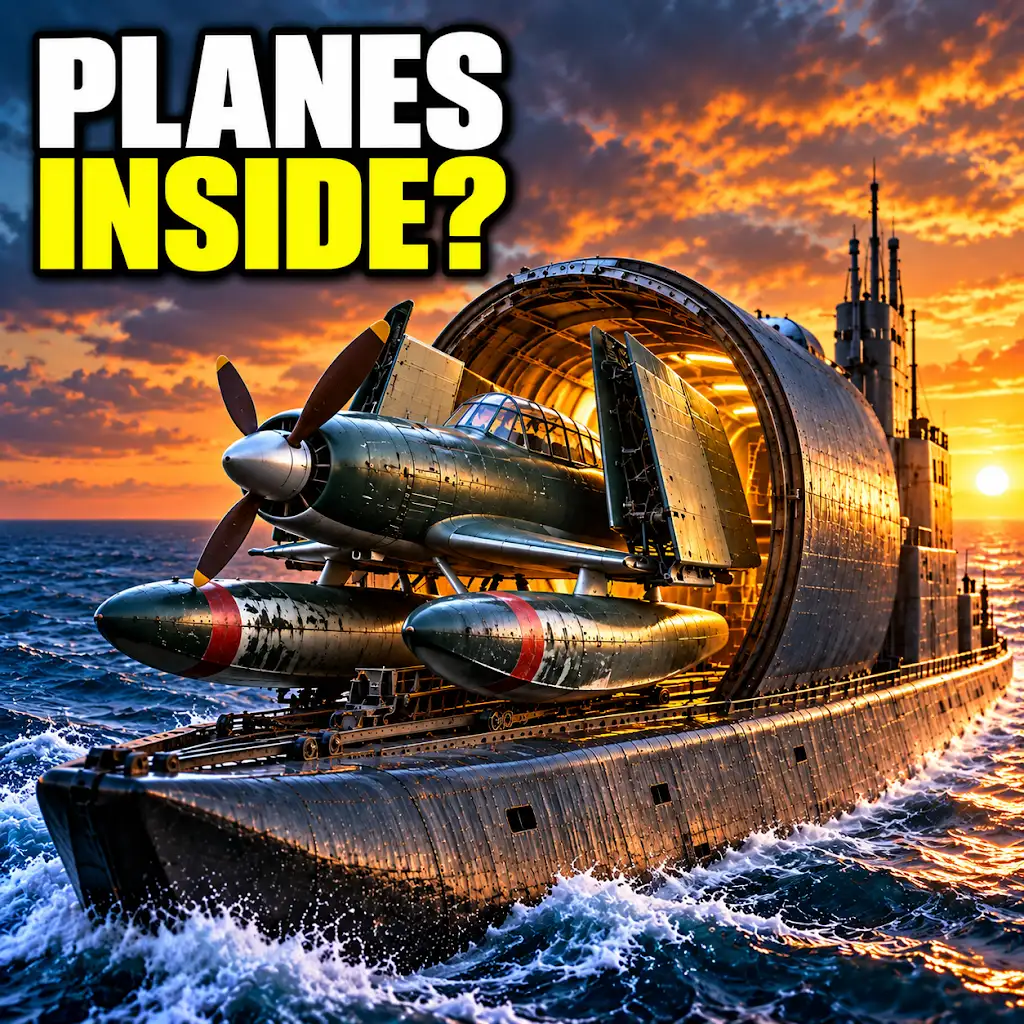
Japan Built a Submarine That Could Launch Three Planes
FAQs
What are the Japanese submarine plans for the US West Coast?
Japanese submarines have been conducting exercises off the US West Coast as part of their training and readiness efforts.
Are these submarine activities a cause for concern?
While the presence of foreign submarines near the US West Coast may raise security concerns, it is not uncommon for countries to conduct military exercises in international waters.
How does the US respond to Japanese submarine activities near its coast?
The US closely monitors foreign military activities near its coastlines and maintains a strong naval presence to ensure the security of its waters.
What is the purpose of Japanese submarines operating near the US West Coast?
Japanese submarines operate near the US West Coast to enhance their naval capabilities, conduct training exercises, and demonstrate their readiness to respond to potential threats.
Is there any evidence of Japanese submarines posing a direct threat to the US West Coast?
There is no evidence to suggest that Japanese submarines have posed a direct threat to the US West Coast. The submarines operate in accordance with international laws and norms governing naval activities.