The Second World War was a global conflagration that reshaped the geopolitical landscape, and at its heart lay a stark industrial disparity between the United States and Japan. While Japan, in its audacious expansionist drive, sought to establish a new order in Asia, it fundamentally underestimated the industrial might that the United States could unleash. This article will delve into the critical differences in industrial capacity, technological development, and strategic resource management that defined the Japan-America industrial gap during World War II, ultimately contributing significantly to the Allied victory.
The industrial gap between Japan and America during World War II played a crucial role in shaping the outcomes of the conflict, highlighting the disparities in manufacturing capabilities and technological advancements. For a deeper understanding of this topic, you can explore the article available at this link, which delves into the factors that contributed to the industrial strengths and weaknesses of both nations during the war.
The Foundations of Industrial Power: Pre-War Trajectories
The contrasting trajectories of American and Japanese industrial development in the decades leading up to World War II set the stage for the immense gap that would become apparent during the conflict.
American Industrial Hegemony: A Sleeping Giant Awakens
The United States entered the war with a deeply entrenched and multifaceted industrial base, forged in the fires of the Industrial Revolution and further bolstered by decades of innovation and mass production techniques.
Mass Production and Assembly Line Dominance
American industry was synonymous with mass production. Henry Ford’s assembly line, initially revolutionary in the automobile sector, had permeated nearly every facet of manufacturing. This efficiency allowed for the rapid and relatively inexpensive production of vast quantities of goods, from civilian necessities to military hardware. The ability to churn out standardized components and assemble them with speed and precision was a decisive advantage.
Diverse and Robust Manufacturing Sector
The American economy was characterized by a highly diversified manufacturing sector. While the automotive industry was a powerhouse, significant capacities existed in steel production, shipbuilding, aircraft manufacturing, chemicals, and electronics. This breadth meant that the U.S. could simultaneously produce a wide array of complex military equipment without straining specific sectors to their breaking point.
Abundant Natural Resources and Infrastructure
Crucially, the United States possessed an unparalleled abundance of natural resources, including vast reserves of iron ore, coal, oil, and timber. Coupled with a well-developed network of railroads, highways, and ports, these resources could be efficiently extracted, processed, and transported to manufacturing centers. This self-sufficiency in raw materials insulated American industry from the supply chain disruptions that plagued its adversaries.
Technological Innovation and Research and Development
While Japan had made strides in adopting Western technologies, the United States possessed a more robust ecosystem for indigenous innovation. Universities, research institutions, and corporate R&D departments were actively engaged in developing new technologies and improving existing ones. This commitment to scientific advancement, particularly in fields like radar, cryptography, and eventually, nuclear physics, would prove vital.
Japan’s Industrial Ascent: Ambition Meets Limitation
Japan’s industrialization in the late 19th and early 20th centuries was a remarkable feat, driven by a strategic imperative to modernize and compete with Western powers. However, this rapid ascent was built on a foundation that ultimately proved less resilient than America’s.
Meiji Restoration and State-Led Modernization
The Meiji Restoration marked a deliberate and aggressive effort to adopt Western industrial and military technologies. The government played a central role in establishing heavy industries, such as shipbuilding and steel manufacturing, often with foreign expertise. This state-led approach, while effective in kickstarting industrialization, also created a degree of dependence on external sources for certain technologies and expertise.
Zaibatsu and Concentrated Industrial Power
Large family-controlled conglomerates, known as zaibatsu, dominated Japan’s industrial landscape. Companies like Mitsui, Mitsubishi, and Sumitomo controlled vast networks of businesses spanning various sectors. While these zaibatsu facilitated concentrated investment and rapid growth in certain areas, they also fostered a degree of insularity and potentially hindered broader, more decentralized innovation compared to the American model.
Resource Scarcity and Dependence on Imports
A fundamental vulnerability of the Japanese Empire was its severe lack of natural resources. Unlike the United States, Japan relied heavily on imports for vital raw materials such as oil, rubber, and iron ore. This dependence made its industrial capacity inherently susceptible to naval blockades and disruptions to international trade, a reality that would become devastatingly apparent during the war.
Focus on Military Production at the Expense of Civilian Industry
In the years leading up to and during the war, Japan’s industrial efforts increasingly prioritized military production. While this led to impressive advancements in specific areas, it often came at the expense of civilian industry and infrastructure, limiting the overall economic resilience and adaptability of the nation.
The Scale of Production: A Numbers Game
The sheer quantitative difference in output between American and Japanese industry was perhaps the most defining aspect of the industrial gap during World War II.
American Production Prowess: The Arsenal of Democracy
The United States transformed into the undisputed “Arsenal of Democracy,” its factories churning out an astonishing volume of war material that dwarfed Japan’s capabilities.
Shipbuilding: The Endless Conveyor Belt
The American shipbuilding industry became a legendary testament to wartime production. Prior to the war, the U.S. built a few dozen ships annually; by 1943, Liberty Ships, versatile cargo vessels, were being launched at a rate of almost three per day. This unprecedented output ensured that Allied forces, particularly in the vast Pacific theater, were continuously supplied.
Liberty Ships and Victory Ships
The standardized design and mass production of Liberty Ships allowed for rapid construction, significantly contributing to the Allies’ ability to project power and sustain distant campaigns. The subsequent development of Victory Ships, faster and more capable, further enhanced this logistical advantage.
Naval Vessels: From Destroyers to Aircraft Carriers
Beyond cargo ships, American shipyards produced an overwhelming number of naval vessels, including numerous aircraft carriers, battleships, cruisers, and destroyers. This naval dominance was crucial in controlling sea lanes and projecting air power across the Pacific.
Aircraft Production: Wings of Victory
The American aircraft industry achieved staggering production figures. By the end of the war, the U.S. had produced over 300,000 aircraft, a number that far surpassed that of all other belligerents combined.
Fighters and Bombers
Mass-produced aircraft like the P-51 Mustang, P-47 Thunderbolt, B-17 Flying Fortress, and B-24 Liberator formed the backbone of Allied air superiority, allowing for devastating bombing campaigns and effective air-to-air combat.
Helicopters and Experimental Designs
Beyond conventional aircraft, American innovation extended to experimental designs and the early development of helicopters, showcasing a forward-looking approach to aerial warfare.
Ordnance and Armaments: The Tools of War
The production of tanks, artillery, small arms, and ammunition reached industrial-scale proportions in the United States.
Sherman Tanks and Other Armored Vehicles
The M4 Sherman tank, while not always the most advanced, was produced in enormous quantities, allowing the U.S. to overwhelm enemy forces with sheer numbers and deploy tanks effectively across multiple fronts.
Artillery and Small Arms
American factories churned out millions of artillery pieces, rifles, machine guns, and vast quantities of ammunition, ensuring that Allied ground forces were well-equipped.
Japanese Production Limitations: A Starved Engine
In stark contrast, Japan’s industrial output, while formidable for its size, was consistently outmatched by the sheer scale of American production.
Shipbuilding: A Struggle Against Odds
While Japan had a capable shipbuilding industry, it could not match the relentless pace of American production. Losses at sea, particularly to submarines, quickly depleted their merchant and naval fleets, and they struggled to replace them at a sufficient rate.
Merchant Marine Vulnerability
The Japanese merchant marine was a prime target for Allied submarines, leading to critical shortages of raw materials and supplies for their war effort.
Naval Losses and Replacement Difficulties
The Imperial Japanese Navy, though initially effective, suffered devastating losses, particularly at battles like Midway. Replacing these sophisticated warships proved an insurmountable challenge given the limitations of Japanese industry.
Aircraft Production: Quality Over Quantity
Japanese aircraft, such as the Zero fighter, were renowned for their maneuverability and pilot skill requirements. However, their production numbers paled in comparison to Allied output, and they often lagged in technological advancements and armor protection.
Fighter Aircraft Shortcomings
While the Zero was a formidable early-war aircraft, its successors struggled to keep pace with Allied advancements in fighter technology, speed, and armament.
Bomber and Naval Aviation Deficiencies
Japanese bomber production was limited, and their naval aviation, though initially daring, was severely hampered by the loss of experienced pilots and aircraft carriers.
Ordnance and Armaments: Inconsistent Output
While Japan produced effective weaponry, the overall volume of tanks, artillery, and small arms was significantly lower than that of the United States.
Limited Tank Production
Japanese tanks, while often well-designed for their intended purpose, were produced in far fewer numbers than their American counterparts, limiting their impact on the battlefield.
Small Arms and Ammunition Shortages
Throughout the war, Japanese soldiers often faced shortages of ammunition and reliable weaponry, a direct consequence of their limited industrial capacity.
Technological Advancement and Innovation: The Arms Race
The technological gap between the two nations played a crucial role in the war’s outcome, with American innovation often outpacing Japanese development.
American Technological Supremacy: Leading the Charge
The United States demonstrated a remarkable capacity for rapid technological development and adaptation throughout the war, often stemming from a proactive approach to research and development.
Radar and Electronic Warfare
The development and deployment of advanced radar systems revolutionized naval and air warfare. American radar technology provided crucial early warning, navigation, and targeting capabilities that significantly aided Allied operations.
Early Warning Systems
Radar allowed for the detection of incoming enemy aircraft and submarines at long distances, providing valuable time for defense.
Fire Control and Navigation
Radar improved the accuracy of naval gunnery and provided essential navigational aids for aircraft, especially in adverse weather conditions.
Cryptography and Intelligence
The breaking of Japanese codes, particularly the JN-25 code, provided the United States with invaluable intelligence that significantly shaped strategic decisions, most notably at Midway.
The Importance of Codebreaking
This intelligence allowed the U.S. to anticipate Japanese movements, ambush fleets, and plan offensive operations with a significant advantage.
Advanced Aircraft and Engine Technology
American engineers continually pushed the boundaries of aircraft design and engine performance, leading to superior aircraft by the latter stages of the war.
Jet Propulsion and Advanced Aerodynamics
While jet engines were still in their infancy, American research was laying the groundwork for future advancements, and their piston engines were becoming increasingly powerful and reliable.
The Manhattan Project and Nuclear Weapons
The ultimate technological triumph of American wartime research was the development of the atomic bomb. This project, driven by immense scientific and industrial resources, irrevocably altered the course of warfare.
Scientific Collaboration and Resource Allocation
The Manhattan Project involved a massive mobilization of scientific talent and industrial capacity, a testament to America’s ability to undertake monumental undertakings.
The Strategic Impact
The atomic bombs dropped on Hiroshima and Nagasaki brought about Japan’s surrender, ending the war but also ushering in the nuclear age.
Japanese Technological Challenges: Playing Catch-Up
While Japan possessed skilled engineers and produced some impressive technologies, it generally struggled to match the pace of American innovation and mass-produce advanced systems.
Aircraft Development Limitations
Despite producing some excellent early-war aircraft, Japanese technological development in areas like engine reliability, armament, and defensive capabilities often lagged behind the Allies.
Limited Radar Development
Japan’s radar development was significantly behind that of the United States, limiting their ability to detect enemy movements and coordinate defenses.
Radio Communication Issues
Japanese military communications often suffered from less sophisticated radio equipment and protocols compared to Allied forces.
Naval Technology: A Stagnating Force
While the Imperial Japanese Navy fielded technologically advanced warships in the early war, its ability to innovate and keep pace with Allied advancements, particularly in carrier aviation and anti-submarine warfare, was hampered.
Limited Anti-Submarine Warfare Capabilities
Japan’s anti-submarine warfare capabilities were not as developed as those of the Allies, leaving their shipping vulnerable.
Limited Research and Development Investment
Compared to the vast resources poured into American R&D, Japan’s investment in research and development was comparatively limited, particularly in areas crucial for the later stages of the war.
During World War II, the industrial gap between Japan and America became a significant factor in the conflict, influencing military strategies and outcomes. An insightful article that delves deeper into this topic is available on In the War Room, which explores how the United States leveraged its industrial capabilities to outproduce its adversaries. For a comprehensive understanding of this dynamic, you can read more about it in the article here. This analysis sheds light on the critical role that industrial power played in shaping the war’s trajectory and eventual resolution.
Strategic Resource Management: Fueling the War Machine
| Metrics | Japan | America |
|---|---|---|
| GDP | 169.9 billion | 223.1 billion |
| Industrial Output | Decreased | Increased |
| War Production | Focused on military equipment | Mass production for military and civilian needs |
| Technological Advancements | Lagging behind | Advanced technology and innovation |
The ability of each nation to secure, allocate, and manage its vital resources was a critical factor in their industrial performance and overall war effort.
American Resource Abundance and Control: The Unseen Advantage
The United States’ vast domestic resources and its ability to maintain control over global supply lines provided a crucial advantage that Japan could not overcome.
Domestic Resource Self-Sufficiency
As previously mentioned, the U.S. had abundant domestic supplies of most essential raw materials, reducing its reliance on precarious international trade routes.
Allied Control of Sea Lanes
The U.S. Navy and its allies gradually gained control of key sea lanes, ensuring the flow of resources to Allied fronts while strangling those of the Axis powers.
The Battle of the Atlantic and Pacific
The successful defense of Atlantic convoy routes and the gradual conquest of the Pacific islands secured vital resupply lines for the war effort.
Strategic Petroleum Reserves
The United States had access to significant domestic oil reserves and also controlled major global oil-producing regions, a critical advantage in a war heavily reliant on fuel.
Japanese Resource Scarcity and Exploitation: A Fatal Flaw
Japan’s industrial ambitions were fundamentally constrained by its lack of natural resources, forcing a desperate and ultimately unsustainable strategy of conquest to secure them.
Dependence on Imported Oil
Japan was heavily reliant on imported oil, particularly from the United States, before the war. The U.S. oil embargo in 1941 was a direct trigger for the attack on Pearl Harbor.
The Impact of the Oil Embargo
The oil embargo severely crippled Japan’s war machine and forced it to seek resource-rich territories in Southeast Asia.
Vulnerability to Blockades
The effectiveness of Allied submarine warfare and naval blockades severely hampered Japan’s ability to import vital resources, starving its war industries.
The Strategic Importance of Submarine Warfare
Allied submarines inflicted devastating losses on Japanese shipping, significantly impacting their resource acquisition and troop movement capabilities.
Exploitation of Conquered Territories: Limited Success
While Japan successfully conquered resource-rich territories in Southeast Asia, its ability to effectively exploit and transport these resources back to its home islands was severely limited by Allied naval and air superiority.
Infrastructure Deficiencies in Occupied Territories
The existing infrastructure in many conquered territories was inadequate to support large-scale resource extraction and transportation to Japan.
Conclusion: The Inevitable Outcome of Industrial Might
The Japan-America industrial gap during World War II was not a matter of mere difference; it was a chasm that defined the very nature of the conflict and presaged its outcome. The United States, with its unparalleled industrial capacity, abundant resources, technological innovation, and strategic foresight, proved to be an industrial titan that Imperial Japan, despite its valiant efforts and tactical brilliance, could not hope to match.
Japan’s ambition was grand, and its early victories were impressive, but these were ultimately built on a foundation of resource scarcity and a limited industrial base. As the war progressed, the sheer volume and sophistication of American war matériel, from aircraft and ships to tanks and ammunition, overwhelmed Japanese production capabilities. The “Arsenal of Democracy” not only equipped its own forces but also supplied its allies, demonstrating a productive power that was simply unsustainable for Japan to counter.
The technological race further amplified this disparity, with American advancements in radar, cryptography, and eventually nuclear weaponry providing decisive strategic advantages. While Japanese engineers were capable, the scale and pace of American research and development, fueled by vast investment and scientific collaboration, left them perpetually playing catch-up.
Ultimately, the industrial gap was a fundamental determinant of the war’s outcome. It was the relentless roar of American factories, the endless flow of supplies across vast oceans, and the steady march of technological superiority that paved the road to Allied victory, leaving an indelible lesson on the crucial role of industrial might in shaping the destiny of nations.
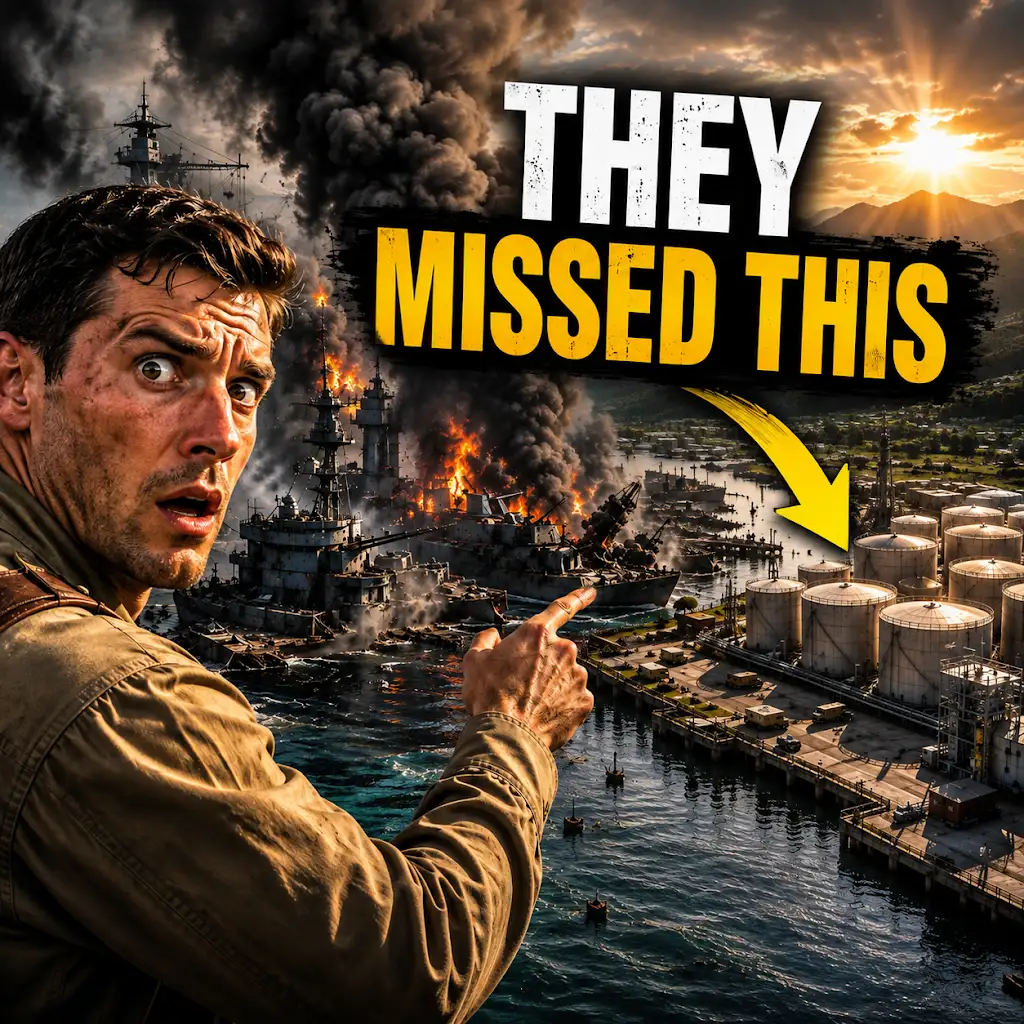
Japan Won Pearl Harbor—So Why Did It Lose the War?
FAQs
1. What was the industrial gap between Japan and America during World War II?
During World War II, the industrial gap between Japan and America was significant. The United States had a much larger and more advanced industrial base compared to Japan, allowing for greater production of war materials and resources.
2. How did the industrial gap impact the outcome of World War II?
The industrial gap between Japan and America played a crucial role in the outcome of World War II. The United States’ superior industrial capacity allowed for the production of more war materials, including ships, aircraft, and weapons, giving them a significant advantage over Japan in terms of military strength and resources.
3. What were some key factors contributing to the industrial gap between Japan and America during World War II?
Several key factors contributed to the industrial gap between Japan and America during World War II, including differences in infrastructure, technological advancements, access to resources, and economic policies. The United States had a larger and more developed industrial infrastructure, as well as access to abundant natural resources, which allowed for greater production capacity.
4. How did the industrial gap impact post-war reconstruction and economic development in Japan and America?
After World War II, the industrial gap between Japan and America continued to influence post-war reconstruction and economic development. The United States played a significant role in aiding Japan’s reconstruction efforts through the provision of economic assistance and expertise, contributing to Japan’s rapid industrial and economic growth in the post-war period.
5. What are some lasting effects of the industrial gap between Japan and America during World War II?
The industrial gap between Japan and America during World War II had lasting effects on both countries. It contributed to the reshaping of global power dynamics, influenced post-war economic policies and development strategies, and set the stage for the emergence of Japan as a major industrial and economic powerhouse in the latter half of the 20th century.