The pre-dawn air hung heavy and still, a familiar cloak for the covert. In the labyrinthine alleys and fortified structures that characterized the operational theater, a palpable tension thrummed beneath the surface. This was not a land of open fields and clear skies; it was a battleground woven from shadow and concrete, where every movement was scrutinized and every whisper could betray. It was within this unforgiving environment that Israel’s elite special forces units, the culmination of years of rigorous training, meticulous planning, and unparalleled dedication, embarked on a meticulously orchestrated mission. Their objective: to neutralize specific terror targets, severing critical nodes in a network that had long sowed fear and instability.
This was not a broad-stroke assault, but a scalpel’s incision, aimed at precision and minimal collateral impact. The success of such an operation hinges on an intricate ballet of intelligence, technology, and human endeavor. It demands operators who can move with ghost-like stealth, react with lightning speed, and execute with unwavering accuracy, all while facing the constant specter of immediate, lethal danger. The decision to deploy such specialized assets is never taken lightly. It is the product of exhaustive intelligence gathering, rigorous threat assessment, and a strategic imperative to disrupt imminent attacks and degrade the enemy’s capacity to inflict harm. The operators themselves, drawn from the cream of the IDF, undergo a selection and training process that is legendary for its brutality and comprehensiveness, forging individuals capable of operating in the most extreme conditions and making life-or-death decisions under immense pressure.
The Genesis of Operation: Intelligence as the Bedrock
The planning for any Israeli special forces operation, particularly one targeting elusive terror cells, begins long before the boots hit the ground. It is an intricate process where information is the most potent weapon, and its accuracy is paramount to the mission’s success and the safety of both the operators and any civilians in the vicinity. The Directorate of Military Intelligence (DIMI), in conjunction with other security agencies, forms the vanguard of this preparatory phase. Their work is a constant, evolving narrative, piecing together fragmented whispers, digital footprints, and human sources to construct a comprehensive picture of the enemy.
Weaving the Web: The Art of HUMINT and SIGINT
Human Intelligence (HUMINT) remains a cornerstone, even in an era dominated by technology. Dedicated operatives, often working under deep cover and at immense personal risk, cultivate relationships within communities, gaining access to invaluable insights into the movements, plans, and internal dynamics of terror organizations. These sources, though often operating in the shadows, provide context, nuance, and a crucial understanding of the human element that no surveillance feed can entirely replicate.
Simultaneously, Signals Intelligence (SIGINT) plays an equally critical role. Advanced listening posts, cyber warfare units, and sophisticated data analysis tools are employed to intercept and decipher communications between terror operatives. This includes everything from encrypted messaging apps to satellite phone transmissions. The raw data, often voluminous and complex, is then subjected to painstaking analysis by linguistic experts and cryptographers, searching for patterns, keywords, and indicators of future activity. The ability to sift through this digital haystack and identify the needle of an imminent threat is a testament to the technological prowess and intellectual capital invested in Israel’s intelligence apparatus.
Pinpointing the Enemy: Technological Surveillance and Reconnaissance
Beyond HUMINT and SIGINT, a vast array of technological tools are deployed to provide real-time, on-the-ground intelligence. This includes advanced unmanned aerial vehicles (UAVs) equipped with high-resolution cameras and thermal imaging capabilities, allowing for persistent surveillance of suspected enemy compounds and movement patterns without exposing personnel. Ground-based sensors, motion detectors, and electronic eavesdropping devices are also strategically placed to monitor activity in specific areas. The fusion of data from these disparate sources, analyzed through sophisticated algorithms, creates a dynamic and evolving picture of the operational environment, enabling commanders to identify precise locations and timings for the strike. This granular level of detail is what transforms a general objective into a specific, actionable plan.
In recent discussions surrounding Israeli special forces operations, an insightful article titled “Inside the Shadows: The Role of Israeli Special Forces in Modern Warfare” provides an in-depth analysis of their strategic impact and operational tactics. This piece highlights various missions undertaken by these elite units and examines how they adapt to evolving threats in the region. For further reading, you can access the article here: Inside the Shadows: The Role of Israeli Special Forces in Modern Warfare.
Crafting the Strike: Operational Planning and Infiltration

Once the intelligence is deemed sufficient and the target profile is solidified, the focus shifts to the meticulous planning of the operational execution. This is where the unique capabilities of Israeli special forces are brought to bear, transforming raw intelligence into a tangible plan of action. The objective is to achieve surprise, speed, and overwhelming force at the point of contact, minimizing the window of opportunity for the enemy to react or for innocent lives to be endangered.
The Blueprint for Action: Mission Rehearsal and Risk Mitigation
Every operational plan undergoes an exhaustive review process, involving multiple levels of command. This includes detailed mapping of the ingress and egress routes, identifying potential threats at each stage, and developing contingency plans for every conceivable scenario. Mission rehearsals, often conducted in simulated environments that mirror the operational terrain, are crucial. Operators familiarize themselves with the exact layout of target structures, practice entry techniques, and refine their coordination and communication protocols. This level of preparation is not merely about efficiency; it is about instilling muscle memory and fostering a level of confidence that allows individuals to perform under extreme duress. Risk mitigation is a constant consideration, with every decision weighed against the potential for unintended consequences, particularly concerning civilian casualties. The aim is always to neutralize the threat with surgical precision, leaving the surrounding environment as undisturbed as possible.
Silent Entry: The Art of Covert Infiltration
The success of a precision operation often hinges on the ability of the special forces team to infiltrate the target area undetected. This requires a mastery of stealth tactics, utilizing the cover of darkness, natural terrain, and urban environments to their advantage. Depending on the mission profile and the operational environment, infiltration can take various forms. This might include rappelling from helicopters into secure compounds, utilizing underwater insertion methods to bypass land-based defenses, or employing specialized vehicles for rapid, silent ground movement. The operators are trained to move with an almost supernatural quietness, their senses honed to detect the slightest anomaly, their movements synchronized to avoid creating any discernible disturbance. The psychological impact of such an undetected presence can also be a strategic advantage, creating an element of shock and disorientation for the enemy when the operation is finally revealed.
The Moment of Execution: Precision, Speed, and Decisive Action
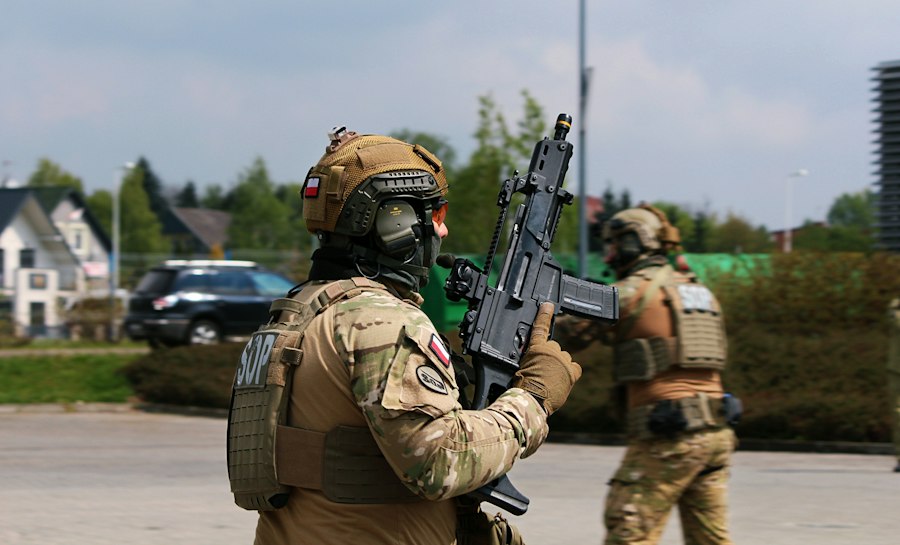
The culmination of painstaking intelligence gathering and meticulous planning is the execution phase. This is where the highly trained operators of Israel’s special forces units spring into action, their every move a testament to their discipline and skill. The objective is to achieve complete surprise and overwhelm the targets before they can mount any effective resistance, thereby minimizing the risk of casualties on all sides.
Surgical Strike: Neutralizing the Threat
Upon breaching the target, the operators move with a speed and efficiency that can be breathtaking. They are trained to clear rooms and neutralize threats with extreme prejudice, utilizing their advanced combat skills and weaponry to achieve their objectives swiftly and decisively. The emphasis is on targeted elimination of hostile elements, with strict rules of engagement designed to prevent unnecessary escalation or harm to non-combatants. The use of specialized breaching tools, non-lethal incapacitation techniques where applicable, and precise firearm handling are all part of the repertoire. The goal is to disrupt the terror network at its core, removing key individuals who are actively planning or facilitating attacks. This surgical approach aims to degrade the enemy’s operational capacity and prevent future atrocities.
Securing the Objective and Exfiltration: The Return to Safety
Once the immediate threat is neutralized, the operation transitions to securing the objective and conducting a swift exfiltration. This involves confirming the elimination of the designated targets, gathering any intelligence that may be present, and ensuring the safety of the operational team. The exfiltration is conducted with the same level of precision and speed as the infiltration, utilizing pre-planned routes and contingency measures to ensure a safe return to base. The ability to extract the team quickly and efficiently, often under the lingering threat of enemy retaliation, is as critical as the initial strike. This phase demands constant vigilance and a seamless transition from offensive action to defensive withdrawal, ensuring that the mission’s success is not jeopardized by a rushed or poorly executed exit. The operators, having faced extreme danger, must maintain their discipline and focus until they are safely back within friendly territory.
The Aftermath: Impact, Repercussions, and Future Operations
The completion of a successful special forces operation is not the end of the story. Its impact reverberates beyond the immediate tactical gains, influencing the broader strategic landscape and shaping future counter-terrorism efforts. The aftermath involves assessing the effectiveness of the operation, understanding its immediate and long-term consequences, and adapting strategies based on the lessons learned.
Measuring Success: Degrading Terror Capabilities
The primary measure of success for such an operation lies in its tangible impact on terror organizations. By eliminating key operatives, disrupting supply lines, or seizing critical intelligence, the operation directly degrades the enemy’s ability to plan and execute attacks. This can lead to a significant reduction in the frequency and severity of terror incidents in the short to medium term. Furthermore, the psychological impact on terror groups can be substantial. The knowledge that highly capable forces can penetrate their dens of operation, neutralize their leaders, and disappear without a trace can sow fear and disrupt their morale. This demonstration of capability serves as a potent deterrent, forcing terror organizations to expend more resources on their own security and less on offensive operations. The ongoing battle against terror is a continuous cycle of adaptation and response, and each successful operation provides valuable data for future engagements.
The Shadow of Retaliation: Anticipating Enemy Responses
However, the elimination of key figures within terror networks rarely goes unanswered. The aftermath of such operations inevitably involves anticipating and preparing for potential retaliation. Terror organizations, driven by ideology and a desire for revenge, will seek opportunities to strike back. This can manifest in various forms, including increased rocket fire, attempted attacks by lone operatives, or sophisticated, coordinated assaults. Israeli security forces are constantly engaged in intelligence gathering and defensive measures to preempt and thwart these retaliatory actions. The ability to anticipate the enemy’s likely responses, to understand their motivations, and to proactively bolster defenses is a critical component of maintaining security in the face of ongoing threats. This constant vigilance and preparedness are essential to mitigating the risks posed by a determined and often asymmetric adversary.
Evolving Tactics: The Cycle of Innovation and Adaptation
The constant cat-and-mouse game between counter-terrorism forces and terror organizations necessitates a continuous process of innovation and adaptation. Following each significant operation, both sides analyze the successes and failures of their respective tactics. Terror groups will seek to understand how their defenses were breached and adjust their operational methods accordingly. Similarly, special forces units and intelligence agencies will study the enemy’s responses, identifying new vulnerabilities and developing new countermeasures. This leads to a perpetual evolution of tactics, technologies, and operational strategies. The training methodologies for special forces are constantly updated to reflect emerging threats, and new technological solutions are developed to counter evolving enemy methods. This dynamic interplay ensures that the fight against terror remains a complex and ever-changing battleground, requiring constant learning and strategic foresight.
Israeli special forces operations have long been a topic of interest due to their strategic precision and effectiveness in various missions. For those looking to delve deeper into the intricacies of these operations, an insightful article can be found that explores their history and impact. You can read more about it in this detailed analysis, which sheds light on the tactics and training that define these elite units.
The Unseen Architects: The Human Element and Sacrifice
| Operation Name | Date | Location | Objective | Units Involved | Outcome | Casualties |
|---|---|---|---|---|---|---|
| Operation Entebbe | July 4, 1976 | Entebbe, Uganda | Hostage Rescue | Sayeret Matkal, Shayetet 13 | Successful rescue of 102 hostages | 1 Israeli soldier killed, 3 hostages killed |
| Operation Wrath of God | 1972–1980 | Various locations worldwide | Targeted assassination of terrorists | Sayeret Matkal, Mossad operatives | Multiple targets eliminated | Varied, classified |
| Operation Protective Edge | July–August 2014 | Gaza Strip | Neutralize tunnels and militants | Shayetet 13, Sayeret Matkal, Duvdevan Unit | Partial success, tunnels destroyed | Several Israeli soldiers and militants killed |
| Operation Black Arrow | February 28, 1955 | Gaza Strip | Retaliatory raid against fedayeen | Paratroopers, Sayeret Matkal | Successful raid | 38 Egyptian soldiers killed, 8 Israeli soldiers killed |
Beneath the technological sophistication and tactical brilliance lies the most crucial element of any successful special forces operation: the human being. The operators themselves, their unwavering commitment, and the sacrifices they make are the true architects of these missions. Their dedication extends far beyond the operational theater, impacting their lives and the lives of their families.
Forged in Fire: The Rigors of Special Forces Training
The selection process for Israeli special forces is notoriously demanding, designed to identify individuals with exceptional physical and mental fortitude, unwavering discipline, and an innate capacity for leadership under pressure. The training that follows is a crucible, pushing recruits to their absolute limits through grueling physical conditioning, intense combat simulations, and psychological endurance exercises. They are taught to master a vast array of skills, from advanced marksmanship and hand-to-hand combat to explosives handling, reconnaissance techniques, and emergency medical procedures. This comprehensive training instills a level of confidence and competence that allows them to function effectively in the most chaotic and dangerous environments. It is this relentless pursuit of excellence that transforms ordinary soldiers into the elite operators capable of undertaking such high-stakes missions.
The Unseen Burden: Personal Sacrifice and Family Support
The life of a special forces operator is one of constant sacrifice, a burden often borne in silence. The prolonged absences, the inherent dangers of their missions, and the psychological toll of combat place immense strain on their personal lives and relationships. Their families, too, endure a unique form of hardship, living with the constant worry for their loved ones’ safety. The strong bonds of camaraderie within special forces units provide a vital support system, but the ultimate strength and resilience of these operators are also rooted in the unwavering support and understanding of their families. The recognition of this profound personal sacrifice is an essential part of acknowledging the true cost of ensuring national security. These individuals volunteer for missions that others would shun, driven by a deep sense of duty and a commitment to protecting their nation, and their courage and dedication are a testament to the best of human resolve.

A 3-Year Drought Hit the Hittite Empire. Did It Cause the Collapse?
FAQs
What is an Israeli special forces operation?
An Israeli special forces operation is a military mission carried out by highly trained and skilled units within the Israeli Defense Forces (IDF) to achieve specific objectives such as intelligence gathering, hostage rescue, or targeted assassinations.
How are Israeli special forces different from regular military units?
Israeli special forces undergo more rigorous training and are equipped with advanced weaponry and technology. They are often tasked with high-risk missions that require precision, stealth, and quick decision-making under intense pressure.
What are some well-known Israeli special forces units?
Some of the most renowned Israeli special forces units include Sayeret Matkal, Shayetet 13, and Shaldag. These units are known for their elite training, combat experience, and successful execution of complex operations.
What types of missions do Israeli special forces typically undertake?
Israeli special forces are trained to conduct a wide range of missions, including counter-terrorism operations, reconnaissance missions behind enemy lines, sabotage, and intelligence gathering. They are also skilled in hostage rescue and targeted assassinations.
How does the Israeli government decide when to deploy special forces?
The Israeli government deploys special forces based on intelligence assessments, strategic objectives, and the nature of the mission. Special forces are often called upon to respond to imminent threats, carry out preemptive strikes, or conduct covert operations to protect national security interests.