The desert sands of Kuwait and Iraq, vast and unforgiving, presented a formidable foe to even the most sophisticated military machine during Operation Desert Storm. While the world watched in awe as coalition forces executed a swift and decisive victory, the logistical underpinnings of that success were a testament to immense planning, adaptation, and the overcoming of significant challenges. For the Iraqi forces, the logistics of their campaign, or rather their inability to sustain it, proved to be a critical factor in their rapid defeat. This article will delve into the multifaceted logistical hurdles faced by the Iraqi military during Desert Storm, exploring the reasons behind their shortcomings and the consequences for their operational capacity.
The Iraqi military’s presence in Kuwait, established after its invasion in August 1990, was a massive logistical undertaking from its inception. The subsequent international sanctions and the impending coalition response placed immediate and severe strains on Baghdad’s ability to supply and maintain its forces.
The Initial Occupation and Resource Strain
The occupation of Kuwait, a resource-rich nation, initially provided Iraq with access to significant assets. However, this was a double-edged sword. Integrating Kuwaiti infrastructure and resources into the Iraqi system proved to be far more complex than anticipated.
Integrating Occupied Infrastructure: A Mismatch of Systems
Iraqi forces were ill-equipped to seamlessly integrate Kuwait’s modern infrastructure, developed for a vastly different economic and logistical model. Their own supply chains and administrative systems were geared towards a centralized, resource-scarce environment, making the transition to managing a relatively affluent and developed territory incredibly cumbersome. This led to inefficiencies in distribution and a failure to fully capitalize on the resources available.
The Burden of Manpower and Maintenance
The sheer number of troops deployed in Kuwait, estimated to be over 500,000 personnel, placed an unprecedented strain on Iraq’s existing logistical capacity. Maintaining this large force in a foreign environment, far from their domestic support bases, required an immense and sustained flow of supplies, spare parts, and personnel.
The Impact of International Sanctions
The imposition of comprehensive international sanctions by the United Nations in response to the invasion of Kuwait crippled Iraq’s economy and severely hampered its ability to procure essential supplies and maintain its military hardware.
Disruption of Procurement Channels
Sanctions effectively cut off Iraq from vital international markets for military equipment, spare parts, and even basic commodities like fuel and food. This forced the Iraqi military to rely on dwindling existing stocks and a black market that was both unreliable and exorbitantly expensive.
The Strain on Domestic Production
Iraq’s domestic industrial capacity, already strained by years of war with Iran and economic mismanagement, was further incapacitated by the sanctions. The inability to import raw materials and advanced machinery meant that the production of essential military items, from ammunition to vehicle components, was severely limited.
The logistics challenges faced by the U.S. military during Operation Desert Storm were significant, particularly in relation to the supply chain and transportation of troops and equipment in the harsh terrain of Iraq. For a deeper understanding of these logistical issues, you can refer to the article on this topic at In the War Room, which provides insights into the strategies employed to overcome these obstacles and the lessons learned for future military operations.
Sustaining the Desert Garrison: The Arduous Task of Supply
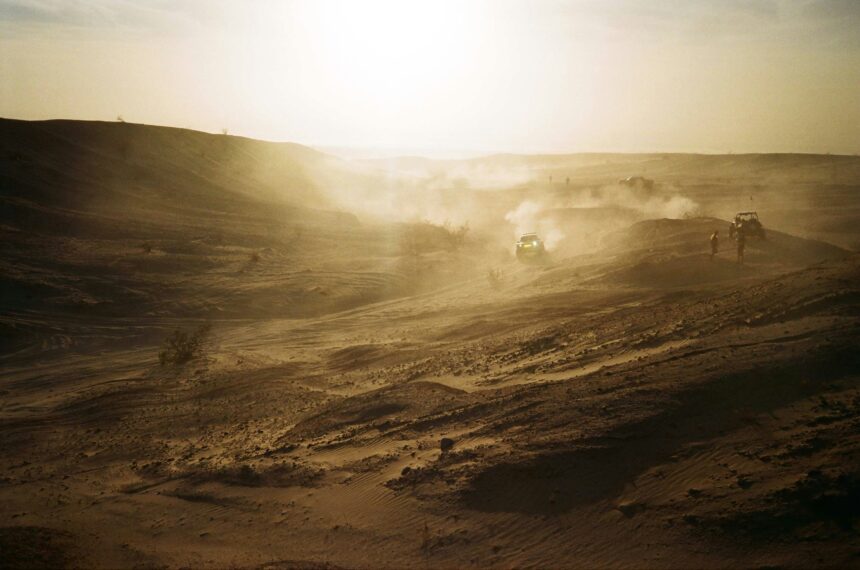
The Iraqi forces stationed in Kuwait and southern Iraq faced the monumental challenge of maintaining operational readiness in a harsh desert environment, thousands of kilometers from their primary logistical hubs. This challenge was amplified by the long supply lines and the ever-present threat of coalition interdiction.
The Network of Supply Routes: Vulnerability and Inefficiency
The Iraqi logistical network relied on a combination of road and rail transport, stretching across vast distances. This network, however, was characterized by its vulnerability and inherent inefficiencies, particularly in the face of coalition air superiority.
Road Transport Limitations: Fuel and Maintenance Woes
Road convoys, essential for transporting supplies, were heavily dependent on fuel. Iraq’s fuel production and import capabilities were already compromised by sanctions, making it difficult to sustain the large fleets of trucks required for daily operations. Furthermore, the constant wear and tear on vehicles in the desert terrain, coupled with a lack of spare parts, led to high rates of mechanical failure, further disrupting supply chains.
Rail Transport Constraints: Infrastructure and Capacity Issues
While rail transport offered a more robust solution for bulk movement, Iraq’s rail infrastructure was aging and insufficient to handle the massive demands placed upon it. Congestion at railheads, a lack of modern rolling stock, and the need for constant maintenance further limited its effectiveness.
Ammunition and Ordnance: The Growing Deficit
Ammunition was a critical and increasingly scarce commodity for Iraqi forces. The inability to replenish stocks due to sanctions and the difficulty in producing sufficient quantities domestically led to a severe deficit.
Stockpiling Limitations: Pre-War Reliance
Iraqi forces had largely relied on pre-war stockpiles. However, the protracted occupation and the anticipated conflict meant that these stocks were being depleted at an alarming rate without adequate replacement.
Production Shortfalls: A Mechanistic Challenge
The rudimentary nature of Iraq’s domestic ammunition production facilities, coupled with the lack of access to necessary raw materials and specialized machinery, meant that the output was insufficient to meet the needs of an army engaged in combat operations.
Fuel and Lubricants: The Lifeblood of the Military
Fuel and lubricants are the essential lifeblood of any modern military. For the Iraqi army in Desert Storm, securing and distributing these vital commodities proved to be a persistent and ultimately insurmountable challenge.
Inadequate Storage and Distribution Networks
Iraq’s pre-war fuel infrastructure was designed for domestic consumption and regional deployments, not for sustaining a massive army in a desert theater of operations. The limited number of fuel depots, the vulnerability of pipelines, and the lack of adequate transport capacity for fuel delivery created significant bottlenecks.
The Impact of Air Interdiction: A Constant Threat
Coalition air power, a cornerstone of Operation Desert Storm, relentlessly targeted Iraqi fuel convoys and storage facilities. This constant threat, combined with the inherent logistical weaknesses, meant that fuel often arrived in insufficient quantities, or not at all, leaving vehicles stranded and units immobile.
Maintenance and Repair: The Ghost of Spare Parts
The operational effectiveness of any military force hinges on its ability to maintain its equipment in working order. For the Iraqi army in Desert Storm, this capability was severely degraded by a critical shortage of spare parts and the limited capacity for complex repairs.
The Scarcity of Spare Parts: A Universal Problem
The international sanctions effectively choked off the supply of spare parts for a wide range of Iraqi military equipment, from tanks and artillery pieces to trucks and communication systems.
Reliance on Aging Equipment: The Russian Legacy
Much of Iraq’s military hardware was of Soviet or Eastern Bloc origin, often aging and requiring specific, often proprietary, spare parts. The inability to source these parts from traditional suppliers meant that even minor repairs could render vital equipment inoperable.
The Black Market Dilemma: Quality and Quantity Issues
While some parts may have been acquired through the black market, these were often of dubious quality, prohibitively expensive, or simply unavailable in the quantities needed. This led to a situation where even functional equipment was cannibalized for parts to keep other, more critical, assets operational.
Field Repair Limitations: Technical Expertise and Resources
Even when spare parts were somehow acquired, the Iraqi army often lacked the specialized technical expertise and the necessary workshop facilities to perform complex repairs in the field.
Limited Training and Technical Skills
The training and technical skill sets of Iraqi mechanics and technicians were often insufficient to deal with the sophisticated machinery deployed. Years of conflict and a focus on basic operation over in-depth maintenance had created a knowledge gap.
Inadequate Field Workshops: Mobility and Equipment Deficiencies
Field workshops, where they existed, were often poorly equipped and lacked the mobility to keep pace with the front lines. This meant that disabled vehicles and equipment were often left behind, exacerbating the loss of combat power.
Personnel Support: Beyond the Battlefield

Logistics encompasses more than just the movement of materiel; it also includes the provision of essential support for the personnel who operate that materiel. The Iraqi military’s deficiencies in this area contributed significantly to the erosion of morale and combat effectiveness.
Food and Water: The Most Basic Necessities
In the harsh desert environment, adequate food and water are critical for maintaining troop strength and morale. The Iraqi logistical system struggled to provide even these basic necessities reliably.
Inconsistent Rations: Nutritional Deficiencies and Morale Collapse
The distribution of food was often inconsistent, leading to troops going hungry or subsisting on inadequate rations. This not only impacted their physical well-being but also severely degraded morale, leading to apathy and a decline in discipline.
Water Shortages: The Ever-Present Threat of Dehydration
Access to clean drinking water was a constant concern. The desert climate, coupled with inadequate storage and distribution, meant that troops were often exposed to the debilitating effects of dehydration, further reducing their fighting capacity.
Medical Support: Overwhelmed and Under-Resourced
The ability to provide timely and effective medical care to wounded and sick soldiers is a vital component of military logistics. The Iraqi medical system was woefully inadequate to meet the demands of the conflict.
Limited Field Hospitals and Medical Personnel
Field hospitals were often few in number, poorly equipped, and staffed by insufficient numbers of medical personnel. The logistical chain for medical supplies, including bandages, medicines, and surgical equipment, was also severely disrupted.
Evacuation Challenges: Long Distances and Inadequate Transportation
Evacuating casualties from the front lines to rear-echelon medical facilities was a logistical nightmare. The vast distances, coupled with a shortage of ambulances and other medical transport vehicles, meant that many wounded soldiers did not receive timely treatment, increasing the likelihood of death or permanent disability.
Morale and Welfare: The Unseen Logistical Burden
Beyond immediate physical needs, the morale and welfare of troops are crucial for sustained combat effectiveness. The Iraqi army’s logistical shortcomings had a profound negative impact on these aspects.
Lack of Communication and Resupply of Personal Items
Troops were often cut off from communication with their families, and the resupply of personal items such as clean clothing, hygiene products, and comfort items was virtually nonexistent. This sense of isolation and neglect further eroded their fighting spirit.
The Psychological Impact of Deprivation
The constant deprivation of basic necessities, coupled with the oppressive desert environment and the fear of coalition air attacks, created a psychologically debilitating atmosphere within the Iraqi ranks. This made them more susceptible to surrender and desertion.
During the Gulf War, Iraqi logistics faced significant challenges that severely impacted their military effectiveness. The inability to maintain supply lines and manage resources efficiently contributed to the rapid advance of coalition forces. For a deeper understanding of these logistical issues, you can explore a related article that discusses the complexities of Iraqi military operations during Desert Storm. This insightful piece can be found here.
The Coalition Advantage: A Logistical Masterclass
| Logistics Problem | Impact |
|---|---|
| Lack of spare parts | Decreased vehicle and equipment readiness |
| Poor maintenance | Increased breakdowns and downtime |
| Inadequate supply chain | Difficulty in delivering supplies to troops |
| Lack of transportation | Difficulty in moving troops and supplies |
In stark contrast to the Iraqi struggles, the coalition’s logistical performance in Desert Storm was a testament to meticulous planning, advanced technology, and unparalleled organizational capacity. This logistical superiority was a decisive factor in the coalition’s swift victory.
Pre-Positioning and Rapid Deployment
The coalition’s strategy involved extensive pre-positioning of supplies and equipment in staging areas well before the ground offensive commenced. This allowed for rapid deployment and sustainment of forces once hostilities began.
The Power of Air and Sea Lift
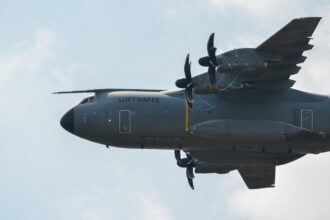
The coalition leveraged its overwhelming air and sea lift capabilities to move vast quantities of supplies and personnel across immense distances with remarkable efficiency. This included the deployment of thousands of aircraft and hundreds of naval vessels.
The Role of Specialized Logistics Units
The coalition employed highly specialized logistics units, trained and equipped to handle every aspect of supply chain management, from fuel distribution to ammunition replenishment and medical evacuation.
Information and Technology: Real-Time Visibility and Control
The coalition utilized advanced information systems and technology to maintain real-time visibility of supply levels, track the movement of assets, and anticipate potential shortages.
Global Positioning Systems (GPS) and Satellite Communications
The widespread use of GPS and robust satellite communication networks ensured accurate navigation for supply convoys and maintained constant communication between logistical hubs and operational units.
Logistics Management Systems: Predictive Analytics and Optimization
Sophisticated logistics management systems allowed for predictive analytics, identifying potential bottlenecks and optimizing the flow of resources to where they were most needed.
Adaptability and Innovation: Responding to the Unforeseen
While meticulously planned, the coalition also demonstrated remarkable adaptability and innovation in responding to unforeseen challenges and evolving operational requirements.
Containerized Shipping and Modular Warehousing
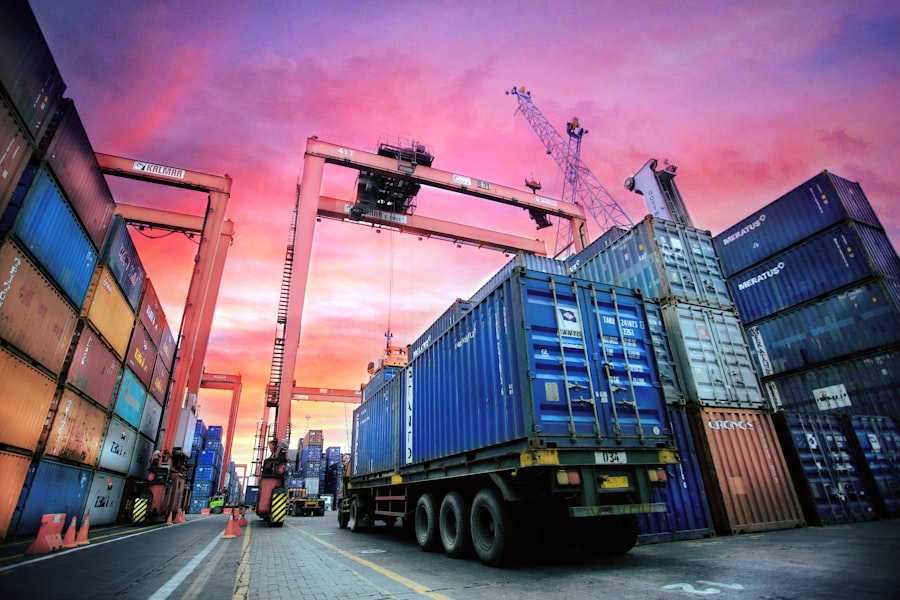
The widespread use of standardized shipping containers and modular warehousing systems facilitated rapid loading, unloading, and deployment of supplies, significantly reducing turnaround times.
Engineering Solutions for Desert Conditions
Coalition engineers developed innovative solutions for desert logistics, including the rapid construction of roads, airfields, and fuel pipelines, overcoming the environmental challenges with ingenuity.
In conclusion, the logistical challenges faced by the Iraqi army during Operation Desert Storm were multifaceted and ultimately proved to be a critical vulnerability. The combination of pre-war fragility exacerbated by sanctions, the inherent inefficiencies of their supply chains, the inability to maintain equipment, and the failure to adequately support their personnel created a situation where their formidable military hardware was ultimately rendered ineffective. The stark contrast with the coalition’s logistical prowess highlights the indispensable role of robust and adaptable logistics in modern warfare, underscoring the fact that victory is not solely determined by the power of weaponry, but by the ability to sustain and deploy that power effectively.

The Invisible Attack That Crippled Iraq’s Army | Desert Storm Documentary
FAQs
What were the main logistics problems faced by the Iraqi forces during Desert Storm?
The Iraqi forces faced significant logistics problems during Desert Storm, including supply shortages, inadequate transportation infrastructure, and poor maintenance of equipment.
How did the logistics problems impact the Iraqi military’s effectiveness during Desert Storm?
The logistics problems severely hampered the Iraqi military’s ability to sustain operations, resulting in supply shortages, limited mobility, and reduced combat effectiveness.
What were the key factors contributing to the logistics problems faced by the Iraqi forces?
The key factors contributing to the logistics problems included outdated equipment, lack of maintenance, inadequate training, and reliance on a centralized supply system that was vulnerable to disruption.
How did the logistics problems compare to those faced by the coalition forces during Desert Storm?
The coalition forces, led by the United States, had superior logistics capabilities compared to the Iraqi forces, which allowed them to maintain a sustained offensive and effectively support their troops throughout the campaign.
What lessons were learned from the Iraqi logistics problems during Desert Storm?
The Iraqi logistics problems highlighted the importance of modernizing and maintaining logistics capabilities, decentralizing supply systems, and ensuring adequate training and resources for logistics personnel. These lessons have since been incorporated into military doctrine and planning.