Setting the Stage: A Region on Edge
The year 1969 marked a volatile period in the Middle East, a landscape irrevocably shaped by the Six-Day War of 1967. Israel, having secured significant territorial gains, found itself in a precarious strategic position. The Sinai Peninsula, the West Bank, and the Golan Heights, all occupied territories, became focal points of ongoing conflict and a source of deep resentment for Arab nations. The spirit of defiance, particularly among Palestinian militant groups, simmered, fueled by the desire to reclaim lost lands and achieve self-determination. This simmering tension manifested in frequent cross-border skirmishes, sabotage attempts, and a rising tide of fedayeen activity.
The newly formed Palestine Liberation Organization (PLO) and its various factions were actively engaged in operations aimed at disrupting Israeli control and garnering international attention. These actions, often launched from neighboring Arab states or from within the occupied territories, posed a persistent threat to Israeli security. Israel, in turn, maintained a strong defensive posture, reinforced by a commitment to retaliating decisively against any aggression. The perceived impunity with which some of these operations were conducted, and the growing threat they posed to civilian populations and military infrastructure, created a strategic imperative for Israel to take proactive measures. The air of uncertainty and the constant threat of escalation loomed large, setting the stage for the audacious operation that would unfold.
The Cold War’s Shadow and Regional Alliances
The geopolitical landscape of the Middle East in 1969 was further complicated by the overarching influence of the Cold War. The United States supported Israel, providing military and economic aid, while the Soviet Union largely backed several Arab nations, including Egypt and Syria. This bipolar dynamic intensified regional rivalries and often channeled the conflict through proxy engagements. The Arab states, despite their varying political ideologies, were united in their opposition to Israel’s occupation of Arab lands. Egypt, under President Gamal Abdel Nasser, was particularly vocal and influential, advocating for a unified Arab front against Israel. Jordan, while not directly engaged in large-scale warfare after 1967, also faced significant challenges due to the influx of Palestinian refugees and the presence of PLO bases within its borders.
Syria, bordering Israel’s northern frontier, provided a staging ground for militant groups and was itself a participant in ongoing artillery duels. Lebanon, to the north of Israel, offered a more complex scenario, with the PLO establishing a strong presence and operating with increasing autonomy, often at odds with the Lebanese government’s efforts to maintain its own sovereignty and internal stability. These intricate webs of alliances and animosities created a volatile environment where any significant action could have far-reaching consequences, both regionally and internationally. The need for Israel to neutralize threats originating from these diverse and often unstable environments was a constant consideration in its strategic planning.
Intelligence Gathering: The Foundation of Success
In the realm of special operations, intelligence is paramount, and the 1969 raid was no exception. The success of such a bold undertaking hinged on the meticulous acquisition and analysis of information. Israeli intelligence agencies, primarily Aman (Military Intelligence), were tasked with identifying the specific targets, understanding their defenses, and mapping out the operational environment. This involved a multifaceted approach, combining human intelligence, signals intelligence, and aerial reconnaissance.
Agents embedded within or near the target areas would gather crucial details about enemy troop movements, guard patrols, weaponry, and the general layout of the facilities. Signals intelligence would intercept communications, providing insights into operational plans, readiness levels, and command structures. High-altitude aerial photography and reconnaissance flights offered visual confirmation of intelligence reports, revealing terrain features, building configurations, and potential entry and exit points. The objective was to gain an almost granular understanding of the enemy’s capabilities and vulnerabilities, ensuring that the operational plan was as precise and risk-averse as possible.
The elusive nature of enemy positions
One of the primary challenges was the elusive nature of the targets. Militant groups often operated from dispersed and clandestine locations, making them difficult to track and pinpoint. They would frequently relocate their bases, utilize civilian areas for cover, and maintain a high degree of operational security. This necessitated continuous intelligence gathering and adaptation of strategies to keep pace with the enemy’s movements and operational tempo. The planning process for the raid was a dynamic one, constantly updated with new intelligence, ensuring that the commandos were equipped with the most accurate and up-to-date information available.
The Commando Unit: Elite Forces Under Pressure
The execution of a high-risk operation deep behind enemy lines demands an elite unit, composed of highly trained and exceptionally disciplined soldiers. In 1969, Sayeret Matkal, the elite reconnaissance unit of the Israel Defense Forces (IDF), was the spearhead of such operations. Its members were renowned for their physical and mental resilience, their tactical prowess, and their unwavering commitment to their mission. The selection process for Sayeret Matkal was notoriously rigorous, attracting only the most exceptional individuals.
Training encompassed a vast array of skills, including advanced combat techniques, infiltration and exfiltration methods, sabotage, intelligence gathering, survival in hostile environments, and complex tactical maneuvers. The unit operated under the highest levels of secrecy, its operations often classified even within the IDF itself. The commandos were expected to be self-sufficient, resourceful, and capable of making split-second decisions under immense pressure. Their ability to operate in small, cohesive teams, often with minimal communication with higher command once engaged, was a testament to their rigorous training and inherent capabilities.
Rigorous selection and training regimes
The path to becoming a Sayeret Matkal operative was arduous. Candidates underwent intensive physical conditioning, psychological evaluations, and a series of challenging practical exercises. Failure was common, but those who persevered emerged as some of the most capable soldiers in the world. This elite status meant that when an operation like the one in 1969 was planned, the commandos chosen were those with the proven experience and the mental fortitude to face the extreme dangers involved. Their meticulous preparation, both individually and as a unit, was a critical factor in their ability to execute the mission successfully.
The Israeli commando raid in 1969, known for its daring execution and strategic significance, is a pivotal event in military history. For a deeper understanding of the context and implications of this operation, you can read a related article that explores various aspects of Israeli military tactics and operations during that era. To learn more, visit this article.
The Operational Plan: Precision and Audacity
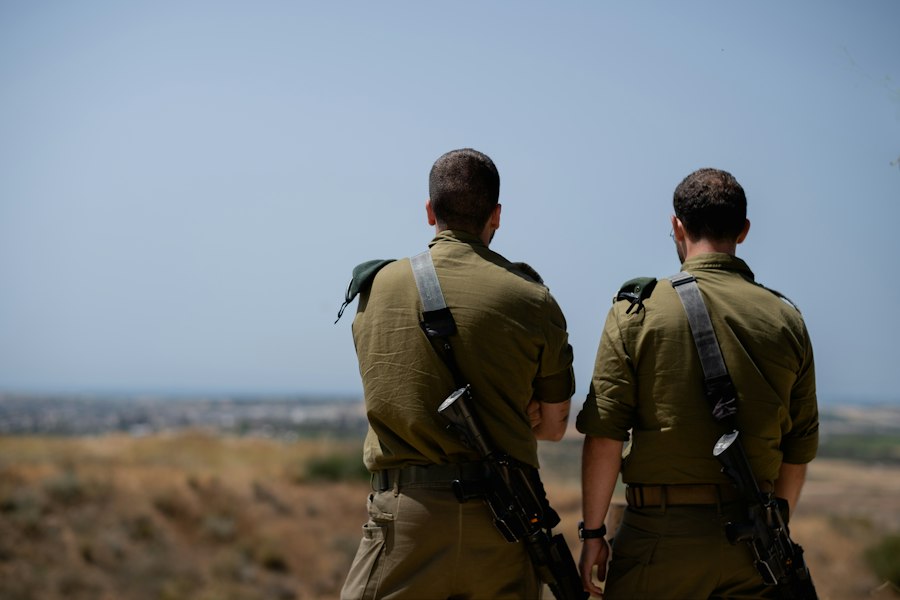
The 1969 commando raid was a testament to the IDF’s strategic thinking and its willingness to employ unconventional tactics to achieve its objectives. The operation was not a spontaneous act but rather the culmination of extensive planning, intelligence analysis, and the selection of the most appropriate operational method. The primary objective was to strike a significant blow against a key enemy infrastructure or command center, thereby disrupting their operational capabilities and sending a clear message of Israeli resolve.
The chosen target was carefully selected based on its strategic importance, the perceived vulnerability of its defenses, and the potential impact of its neutralization on enemy operations. The plan likely involved a multi-pronged approach, focusing on speed, surprise, and overwhelming force at the point of contact. The commandos were tasked with infiltrating the target area, neutralizing any resistance, achieving their specific mission objectives, and exfiltrating safely back to friendly territory.
Infiltration and Exfiltration: Mastering the Shadows
The success of any deep penetration raid hinges on the ability to move undetected into and out of enemy territory. For the 1969 operation, this likely involved a combination of clandestine insertion methods. Depending on the distance and terrain, this could have included air-land operations, utilizing helicopters for rapid insertion and extraction, or potentially amphibious assaults if the target was located near a body of water.
The commandos would have been trained to move with extreme stealth, utilizing the cover of darkness and natural terrain to their advantage. Their understanding of enemy patrol routes, observation posts, and security protocols would have been crucial in avoiding detection. Exfiltration would have been equally critical, often involving pre-arranged rendezvous points and timed extractions to minimize exposure. The element of surprise was a key component of the infiltration strategy, aiming to catch the enemy off guard and overwhelm their defenses before they could effectively respond.
The element of surprise: a critical factor
The concept of “shock and awe” was a fundamental principle in the planning of such raids. By arriving with unexpected speed and ferocity, the commandos aimed to disorient and incapacitate the enemy before they could mount a coordinated defense. This required precise timing, flawless execution of the insertion phase, and a clear understanding of the enemy’s operational rhythm. The psychological impact of such a surprise attack was also a significant consideration, aiming to sow fear and uncertainty within enemy ranks.
The Israeli commando raid in 1969 was a significant military operation that showcased the effectiveness of special forces in achieving strategic objectives. This operation, which targeted enemy positions, is often discussed in the context of Israel’s broader military strategy during that period. For those interested in exploring more about similar operations and their impact, you can read a related article that delves into the intricacies of such missions and their historical significance. Check it out here for a deeper understanding of the tactics and outcomes involved.
Engaging the Target: Swift and Decisive Action
Once infiltrated, the commandos would have transitioned from stealth to decisive action. The engagement with the target would have been swift and brutal, designed to achieve the mission objectives with minimal delay and maximum impact. This involved neutralizing any guards or personnel present, securing the objective, and executing any pre-planned sabotage or intelligence gathering tasks.
The use of specialized weaponry and tactics would have been essential. The commandos would have been proficient in close-quarters combat, silent takedowns, and the use of explosives for demolition or to create diversionary effects. The entire engagement phase was envisioned as a rapid, overwhelming strike, leaving the enemy with little opportunity to regroup or retaliate effectively. The objective was not a prolonged engagement but a surgical strike that achieved its aims and allowed for a timely withdrawal.
Minimizing collateral damage and friendly casualties
A critical aspect of the operational plan would have been the emphasis on minimizing collateral damage and preventing friendly casualties. While the raid was inherently dangerous, the commandos were trained to operate with a high degree of discipline and control, even under extreme duress. This included efforts to avoid harming non-combatants and to ensure the safety of their own team members. The success of the mission was not solely measured by the destruction of the target but also by the successful return of all operatives.
The Raid’s Execution: A Symphony of Skill and Courage
The 1969 commando raid represented a bold gamble, a meticulously planned operation that relied on the exceptional skills and unwavering courage of the participating soldiers. As the mission commenced, a palpable sense of tension and anticipation would have permeated the air. The commandos, having undergone rigorous training and briefing, were now tasked with putting their skills to the ultimate test, operating deep within hostile territory with the fate of their mission, and potentially their lives, resting on their every action.
The initial phase of the operation, the infiltration, would have been a testament to the commandos’ mastery of stealth and evasion. Whether by helicopter, boat, or overland, their movement would have been executed with the precision of a surgeon’s scalpel, navigating the darkness and the unknown with a heightened awareness of their surroundings. Every rustle of leaves, every distant sound, would have been analyzed and processed, ensuring that they remained invisible to enemy eyes and ears.
Navigating the treacherous terrain
The operational environment itself would have posed significant challenges. Depending on the specific location of the target, the commandos might have had to traverse dense forests, navigate rugged mountainous terrain, or move through built-up areas where any misstep could have immediate and dire consequences. Their training in navigation, survival, and camouflage would have been crucial in overcoming these obstacles. The commandos would have been acutely aware of the enemy’s patrol patterns, established checkpoints, and the general security measures in place, utilizing this knowledge to thread their way through the enemy’s defenses.
The importance of timing and coordination
The success of the raid was heavily dependent on impeccable timing and seamless coordination among the commando teams. Each operative and each team would have had a precise role to play, with their actions synchronized to create maximum impact and confusion for the enemy. This required a high degree of trust and understanding among the team members, as well as a clear communication protocol, albeit often limited due to the need for silence. Any deviation from the planned timeline could have jeopardized the entire operation, exposing the commandos to overwhelming enemy forces.
The climactic assault: decisive action in the heart of enemy territory
As the commandos reached their objective, the phase of stealth would have given way to decisive action. The assault would have been swift, targeted, and executed with overwhelming force. The objective was to achieve the mission’s goals – whether it was the destruction of specific infrastructure, the capture of intelligence, or the neutralization of key personnel – before the enemy could mount an effective response.
The commandos would have employed their specialized combat skills, utilizing a combination of surprise, speed, and tactical superiority. Close-quarters combat, silenced weapons, and the strategic use of explosives would have been integral to their approach. The goal was to achieve a swift and decisive victory at the point of contact, minimizing the duration of exposure and the risk of casualties. Every second would have been critical, and the commandos would have operated with a laser-like focus on their objectives.
Overcoming unexpected resistance
Despite the meticulous planning, special operations are rarely without their unforeseen challenges. The commandos might have encountered unexpected resistance, additional enemy personnel, or defensive measures not accounted for in the initial intelligence. In such situations, their adaptability, combat experience, and quick thinking would have been paramount. They would have been trained to improvise, to adjust their tactics on the fly, and to overcome any obstacles that stood between them and the successful completion of their mission, always with the primary objective in mind.
The Aftermath and Legacy: A Ripple Effect
The completion of the commando raid, with the operatives safely exfiltrated and their mission objectives achieved, marked the beginning of a new phase: the assessment of the operation’s impact and the long-term consequences. The successful execution of such a daring mission behind enemy lines would have sent shockwaves through the region, impacting both the immediate military situation and the broader political landscape.
The raid served as a powerful demonstration of Israel’s military capabilities and its unwavering commitment to defending its security interests. It underscored the fact that Israeli forces were willing and able to project power beyond their borders to neutralize threats. This would have had a significant psychological impact on enemy forces and their supporters, potentially creating a deterrent effect and reinforcing the resolve of those committed to Israel’s security.
Strategic implications and regional reactions
The strategic implications of the raid would have been far-reaching. By striking a significant blow against a key enemy asset or organization, Israel would have disrupted operational plans, degraded enemy capabilities, and potentially forced a reassessment of enemy strategies. This could have led to a period of reduced cross-border activity or a shift in the nature of the conflict. The international community would have also reacted, with varying degrees of condemnation or acknowledgment of the military necessity of the operation, depending on their political alignments.
Reinforcing Israel’s deterrent posture
The raid was a clear message to all potential adversaries that Israel would not tolerate attacks originating from its neighbors or from militant groups operating within them. It reinforced Israel’s deterrent posture, demonstrating its willingness to take decisive action to prevent future aggression. This was crucial in a region characterized by constant tension and the threat of escalation, as it aimed to instill a sense of caution and deliberation in any future plans for attacks against Israel.
The enduring impact on military doctrine and special operations
Beyond the immediate strategic gains, the 1969 commando raid likely had a lasting impact on military doctrine and the development of special operations forces. The success of such a complex and high-risk mission would have served as a case study, providing valuable lessons in intelligence gathering, operational planning, unit selection and training, and the execution of deep penetration raids.
The raid would have highlighted the importance of elite special forces units in modern warfare, capable of undertaking missions that conventional forces might not be equipped or suited for. It would have underscored the need for rigorous training, adaptability, and the seamless integration of intelligence with operational execution. The lessons learned from this operation would have undoubtedly influenced subsequent military strategies and the development of special operations capabilities within Israel and potentially beyond.
A testament to Israeli resilience and innovation
Ultimately, the 1969 commando raid stands as a testament to Israeli resilience, strategic innovation, and the extraordinary courage of its special forces soldiers. It was an operation born out of necessity, a calculated risk undertaken to protect national security in a turbulent region. The raid’s success was not merely a tactical victory but a demonstration of a nation’s resolve and its capacity to defend itself against formidable threats through daring and precisely executed operations. Its legacy continues to inform military thinking and serve as an example of what can be achieved with meticulous planning, elite training, and unwavering determination.

A 3-Year Drought Hit the Hittite Empire. Did It Cause the Collapse?
FAQs
What was the Israeli commando raid in 1969?
The Israeli commando raid in 1969 was a military operation conducted by Israeli special forces against the Palestinian Liberation Organization (PLO) in Lebanon.
What was the objective of the Israeli commando raid in 1969?
The main objective of the Israeli commando raid in 1969 was to retaliate against the PLO for their terrorist activities against Israeli targets and to send a message that Israel would not tolerate such attacks.
How did the Israeli commando raid in 1969 unfold?
The Israeli commando raid in 1969 involved Israeli special forces landing in rubber boats on the Lebanese coast, infiltrating a PLO base, and engaging in a fierce firefight with PLO fighters. The operation resulted in the destruction of several PLO boats and infrastructure.
What were the consequences of the Israeli commando raid in 1969?
The Israeli commando raid in 1969 led to a significant loss of life on both sides, strained relations between Israel and Lebanon, and increased tensions in the region. It also demonstrated Israel’s willingness to take military action to protect its citizens and interests.
How did the international community react to the Israeli commando raid in 1969?
The international community had mixed reactions to the Israeli commando raid in 1969, with some countries condemning Israel for its military incursion into Lebanese territory, while others supported Israel’s right to defend itself against terrorist threats. The raid sparked debates about the use of force in resolving conflicts in the Middle East.