The Shadows and the Swiftness: Genesis of an Elite Extraction
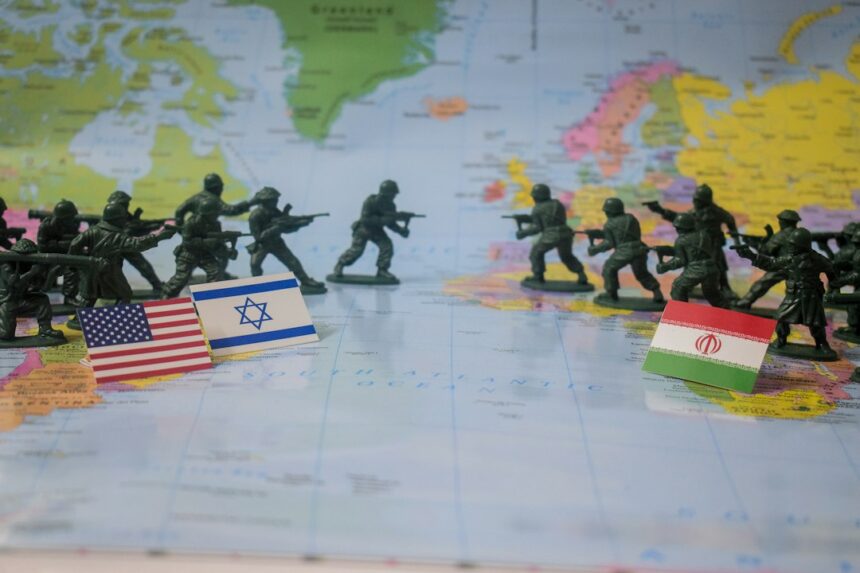
The annals of military history are replete with tales of daring rescues, but few possess the chilling precision and immense strategic weight of an Israeli Special Forces extraction. These operations, shrouded in secrecy and executed with razor-sharp efficiency, are born not from impulse but from meticulous planning, relentless training, and an unwavering commitment to bringing their own home. The genesis of such an operation lies in the critical assessment of a dire situation – a hostage crisis, the capture of a reconnaissance operative, or the extraction of vital assets from hostile territory. In these moments, the clock becomes a relentless adversary, and the fate of individuals, and sometimes the trajectory of geopolitical events, hangs precariously in the balance. The decision to initiate a special forces extraction is not taken lightly. It involves a complex calculus of risk versus reward, weighing the potential casualties of the operation against the unacceptable cost of inaction. Intelligence gathering, often the most perilous phase, is paramount. Satellites, human intelligence networks, electronic eavesdropping, and clandestine reconnaissance missions all converge to paint a detailed, albeit often incomplete, picture of the operational environment. The enemy’s disposition, their capabilities, the terrain, and the exact location of the target are all crucial pieces of information that must be acquired and analyzed with unwavering accuracy. This initial phase is a high-stakes chess match played in the shadows, where every move is scrutinized and every potential consequence is weighed.
The Israeli Defense Forces (IDF) boast a cadre of special forces units renowned for their unparalleled capabilities. Units like Sayeret Matkal, with its legendary operational history, and Shayetet 13, the naval commando unit, are the spearheads of such complex missions. These units are not simply comprised of soldiers; they are meticulously assembled teams of individuals who embody physical prowess, psychological resilience, and an almost preternatural ability to operate under extreme duress. Their selection process is notoriously rigorous, weeding out all but the most exceptional candidates. Beyond physical conditioning, psychological fortitude is rigorously tested. Candidates must demonstrate unwavering composure in the face of simulated and real-world high-stress scenarios. Their ability to make sound decisions under immense pressure, to collaborate seamlessly with teammates, and to absorb and process information rapidly are all critical indicators of their suitability for the demanding life of special operations. The training regimes are equally unforgiving, pushing recruits to the absolute limits of human endurance and capability. This includes extensive combat engineering, advanced marksmanship, close-quarters combat, parachuting, rappelling, underwater operations, and the critical skill of hostage rescue tactics. Every drill, every exercise, is designed to simulate the chaotic and unforgiving realities of a live operation, honing their reflexes and building an almost instinctive operational synergy between team members.
The Imperative of Intelligence: Unveiling the Invisible
The bedrock of any successful extraction is intelligence. Without accurate, timely, and actionable intelligence, even the most skilled special forces operators are blindfolded in a minefield. The information gathered must be granular, detailing not only the precise location of the target but also the enemy’s patrol routes, their command and control structures, their weaponry, and their typical operational procedures. This is where the unsung heroes of the intelligence community play a critical role, working tirelessly behind the scenes to provide the vital intel that enables the operators to plan their approach and anticipate enemy actions. The process of intelligence acquisition is a multi-faceted endeavor. It can involve traditional methods such as HUMINT (Human Intelligence), where assets are embedded within or have access to enemy networks. This is a dangerous and often protracted process, requiring immense patience and trust-building. SIGINT (Signals Intelligence), the interception and analysis of electronic communications, provides another crucial layer of information. Technical means, including aerial surveillance via drones and satellites, offer overhead reconnaissance, mapping out terrain and identifying potential enemy positions or movements. Furthermore, OSINT (Open-Source Intelligence) has become increasingly important, with analysts sifting through publicly available information, including social media, news reports, and online forums, for potential clues. The synergy of these diverse intelligence streams is crucial. A piece of information gathered through SIGINT might be corroborated by HUMINT, or an observed movement pattern identified by drones could be explained by intercepted communications. The objective is to build a comprehensive, multi-dimensional understanding of the operational landscape, minimizing the element of surprise for the enemy and maximizing the element of surprise for the extraction team.
The Strategic Calculus: Weighing the Imponderables
Before the first boot hits the ground, a complex strategic calculus unfolds within the highest echelons of military and governmental leadership. The decision to launch a special forces extraction is a weighty one, laden with significant implications. The primary consideration is always the lives of the individuals being targeted for rescue. Are they in imminent danger? Is there a viable window of opportunity for their safe recovery? These are not purely humanitarian questions; they are also deeply strategic. The successful extraction of Israeli citizens, or valuable assets, sends a powerful message of deterrence and unwavering commitment to protecting its people. Conversely, a failed operation can have devastating consequences, not only for the individuals involved but also for national morale and international standing. The potential for collateral damage, both in terms of civilian casualties and unintended escalation of conflict, is a constant and significant concern. Detailed threat assessments are conducted, analyzing the enemy’s potential response to the operation. What retaliatory actions might they take? Could the extraction trigger a wider conflict? Military planners must also consider the geopolitical ramifications. How will regional powers and international actors react to such an intervention? The political landscape is a delicate ecosystem, and any significant action, especially one involving special forces, can have far-reaching diplomatic consequences. Therefore, the decision-making process involves not only military strategists but also diplomats, intelligence analysts, and political leaders, all contributing to a holistic understanding of the potential outcomes.
In recent discussions surrounding Israel’s special forces operations, a notable article that delves into the complexities and strategies of extraction missions can be found at this link: In the War Room. This piece provides an in-depth analysis of the tactics employed by elite units, highlighting their training, execution, and the geopolitical implications of their actions. It serves as an essential resource for understanding the intricacies of military operations in high-stakes environments.
The Precision of Execution: Crafting the Operational Blueprint
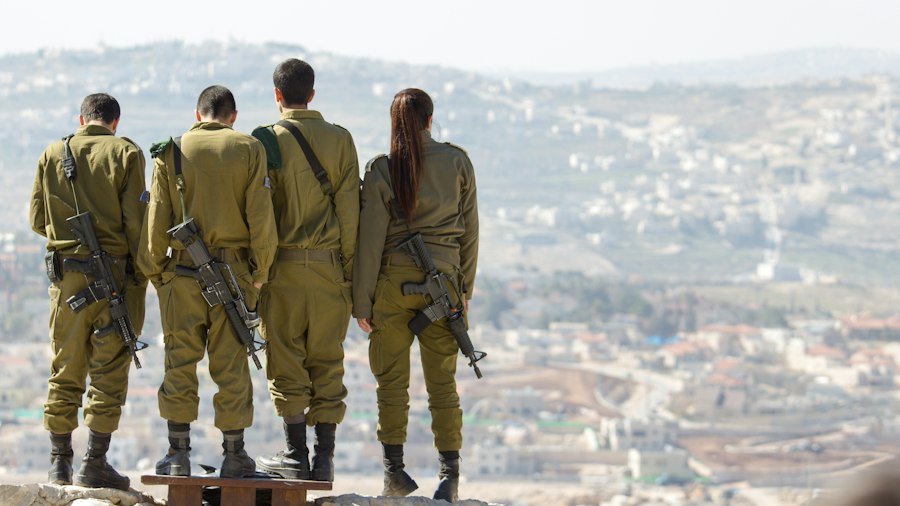
Once the strategic decision is made, the focus shifts to the meticulous crafting of the operational blueprint. This is where the tactical brilliance of the special forces units comes to the fore, transforming a concept into a detailed, executable plan. The objective is to achieve surprise, speed, and overwhelming force at the point of contact, minimizing the duration of exposure and the opportunity for enemy reaction. Every aspect of the operation is choreographed with painstaking detail, from the insertion method to the exfiltration route.
The Art of Insertion: Gaining the Unseen Foothold
The initial phase of an extraction is often the most dangerous – getting the operators into the operational area undetected. This requires a mastery of various insertion techniques, tailored to the specific environment and the level of enemy presence. For covert operations, silent helicopter insertions under the cover of darkness are common. The aircraft will often approach at low altitude, utilizing terrain masking to avoid radar detection, and the operators will rappel or fast-rope into the target zone. In some scenarios, submarine deployments followed by covert boat operations might be employed for coastal or maritime targets. Amphibious assaults, though more overt, can be used when surprise is less critical than overwhelming force upon arrival. For airborne insertions into heavily contested areas, HALO (High Altitude Low Opening) or HAHO (High Altitude High Opening) jumps can provide a significant standoff distance, allowing operators to deploy their parachutes far from the enemy’s direct observation. The choice of insertion method is dictated by a multitude of factors, including the distance to the target, the available air and sea assets, the terrain, and the enemy’s known air defense capabilities. Each method carries its own set of risks and requires specialized training and equipment. The objective is always to achieve operational surprise, landing the team as close to the objective as possible without alerting the enemy to their presence. This often involves meticulous flight path planning, coordination with air traffic control (if applicable), and stringent communication protocols to maintain radio silence until the appropriate moment.
The Synchronized Strike: The Moment of Action
The synchronized strike is the culmination of weeks, if not months, of planning and training. It is the moment when all the elements converge with flawless precision. The assault force will move with speed and aggression, their actions guided by pre-established contingency plans and real-time intelligence updates. The goal is to overwhelm the enemy instantaneously, neutralizing any immediate threats and securing the target personnel with minimal resistance. This phase is characterized by a high tempo of operations. Teams will move in designated formations, clearing rooms and sectors with practiced efficiency. Communication is crucial, with operators constantly updating their status and relaying information to the command element. The use of suppressive fire, diversionary tactics, and specialized breaching tools is employed to create openings and maintain momentum. The primary objective is to achieve the liberation of the target individuals as quickly as possible. This involves identifying them, verifying their identity, and ensuring their immediate safety. Any enemy combatants encountered will be neutralized swiftly and decisively, adhering to strict rules of engagement. The emphasis is on minimizing prolonged firefights that could alert larger enemy forces or endanger the hostages. The training that these operators undergo is designed to instill an almost subconscious response to combat situations, allowing them to react instinctively and effectively even under extreme pressure. This includes extensive drills in close-quarters battle (CQB), where precision, speed, and coordinated movement are paramount.
In recent years, Israel’s special forces have gained significant attention for their daring extraction missions, showcasing their expertise in high-stakes operations. A related article that delves deeper into the strategies and successes of these elite units can be found at this link. The insights provided in the article highlight not only the tactical prowess of the forces but also the geopolitical implications of their actions, making it a compelling read for those interested in military operations.
The Evacuation Maneuver: Securing the Path to Safety
Once the target individuals are secured, the operation enters its critical extraction phase. This is not simply a matter of turning around and going back the way they came. The enemy will undoubtedly be alerted by this point, and the evacuation route must be carefully planned and executed to avoid ambushes and overwhelming opposition. The exfiltration strategy is as crucial as the insertion and strike. It may involve a pre-designated extraction point (EP) where a helicopter or other transport awaits, or it might require a mobile extraction, with the team moving under fire to a secondary or tertiary EP. The route itself will be meticulously planned, taking into account potential enemy strongholds, natural chokepoints, and terrain that offers concealment or defensive advantages. In some cases, diversionary tactics might be employed to draw enemy attention away from the exfiltration route. The extracted personnel, whether hostages or operatives, will be provided with immediate medical attention if required and secured for transport. The journey back is often as perilous as the ingress, and the team will maintain a high state of alert until they are safely out of the operational theater. This phase often involves complex air-ground coordination, with supporting aircraft providing aerial reconnaissance and potential fire support if needed. The goal is to maintain momentum and minimize the time spent in vulnerable positions.
The Aftermath and the Legacy: Ripples of Impact
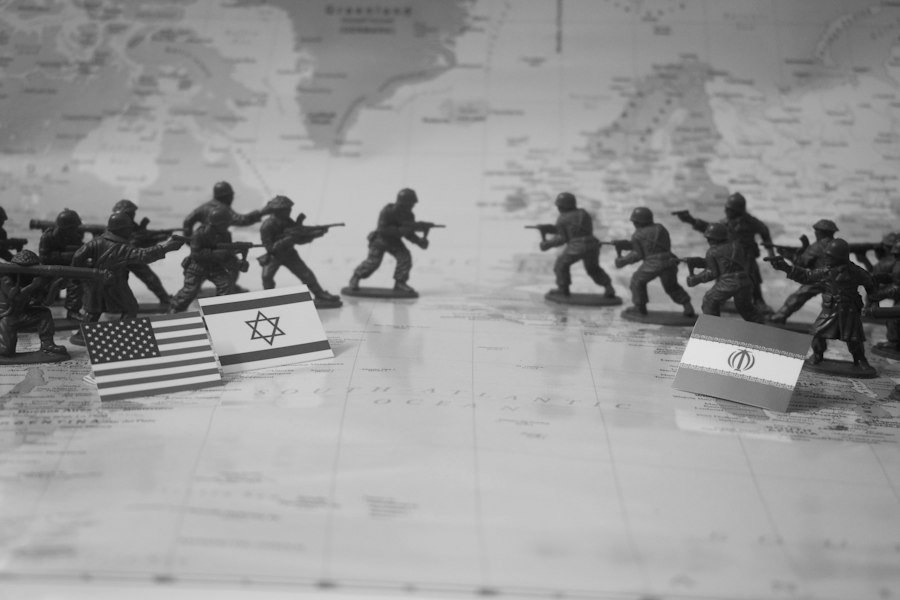
The conclusion of an extraction operation is not the end of the story. The immediate aftermath involves critical debriefing, medical care, and psychological support for all involved. Beyond the operational sphere, the success or failure of such an operation can have profound and lasting effects on national policy, international relations, and the morale of a nation.
Debriefing and Resiliency: Processing the Experience
Upon returning to friendly territory, the extracted personnel, both the rescued individuals and the operational team, undergo rigorous debriefing sessions. For the operational team, this is a vital process to gather information about the enemy, assess the effectiveness of tactics and equipment, and identify any lessons learned for future operations. Every detail, no matter how seemingly insignificant, is crucial for refining operational procedures. For the rescued individuals, the debriefing is handled with sensitivity, focusing on gathering information while also providing immediate support and care. Medical teams are on standby to address any physical injuries sustained during the ordeal. Equally important is the psychological support. Special forces operators are trained to deal with immense stress, but the cumulative effect of repeated high-risk operations can take a toll. Psychological resilience programs and immediate post-mission counseling are integral to maintaining the mental well-being of these elite soldiers. Similarly, rescued civilians often require significant emotional and psychological support to help them cope with the trauma they have experienced. This post-operation phase is as critical as the operation itself in ensuring the long-term well-being of those involved and the continued effectiveness of the special forces units.
Geopolitical Ripples: Shifting Sands of Power
The success of an Israeli special forces extraction can send powerful strategic messages across the globe. It underscores the nation’s unwavering commitment to the safety and security of its citizens, serving as a potent deterrent against those who might consider hostile actions. For adversaries, it demonstrates a formidable capability and a willingness to employ it decisively. This can influence future calculations and potentially de-escalate tensions by making the cost of aggression prohibitively high. Conversely, a failed operation can embolden adversaries and create a perception of weakness, with potentially destabilizing consequences. The international community also closely watches these operations. They can shape perceptions of Israel’s military prowess, its regional influence, and its adherence to international norms. Diplomatic responses can range from commendation to condemnation, depending on the circumstances and the perspectives of various global actors. The careful management of public perception and diplomatic engagement is therefore a crucial component of the broader strategic landscape surrounding such operations. The strategic messaging is often as important as the tactical success itself.
The Enduring Legacy: Inspiration and Vigilance
The stories of Israeli special forces extractions become woven into the national narrative, serving as powerful symbols of courage, resilience, and the enduring spirit of the nation. They inspire future generations of Israelis, demonstrating what can be achieved through dedication, discipline, and unwavering resolve. These operations are not merely tactical victories; they are testaments to the human capacity to overcome immense adversity and to protect those deemed most vulnerable. The legacy of these missions extends beyond the immediate participants, reinforcing a collective sense of security and pride. However, this legacy is also one of perpetual vigilance. The nature of the threats facing Israel necessitates constant readiness and continuous adaptation. The lessons learned from each extraction refine existing doctrines and drive innovation in training, equipment, and intelligence gathering. The elite units involved are in a perpetual state of evolution, ensuring they remain at the forefront of counter-terrorism and hostage rescue capabilities. The enduring legacy is thus one of both inspiration and a sober recognition of the ongoing challenges that demand unwavering commitment and exceptional capability.

A 3-Year Drought Hit the Hittite Empire. Did It Cause the Collapse?
FAQs
What are Israel Special Forces?
Israel Special Forces are elite units within the Israel Defense Forces (IDF) that are specially trained and equipped to carry out high-risk missions such as hostage rescue, counter-terrorism operations, and intelligence gathering.
What is an extraction mission?
An extraction mission is a military operation in which special forces are deployed to retrieve individuals or assets from a dangerous or hostile environment. This could involve rescuing hostages, retrieving downed pilots, or extracting intelligence operatives.
How do Israel Special Forces conduct extraction missions?
Israel Special Forces conduct extraction missions using a combination of advanced tactics, specialized equipment, and rigorous training. They may employ techniques such as fast-roping from helicopters, stealth infiltration, and close-quarters combat to successfully extract their targets.
What are some notable Israel Special Forces units known for extraction missions?
Some notable Israel Special Forces units known for conducting extraction missions include Sayeret Matkal, Shayetet 13, and Shaldag. These units are highly trained and have a proven track record of successfully carrying out complex and high-stakes operations.
What challenges do Israel Special Forces face during extraction missions?
Israel Special Forces face numerous challenges during extraction missions, including enemy resistance, hostile environments, time constraints, and the need for precise coordination. These factors require special forces operatives to be highly skilled, adaptable, and able to make split-second decisions under pressure.