A New Era of Air and Missile Defense
The recent sharing of advanced radar technology by Israel with the United States marks a significant milestone in the evolving landscape of defense cooperation between the two nations. This strategic transfer of cutting-edge capabilities underscores a deepening commitment to mutual security and a proactive approach to confronting increasingly complex and sophisticated aerial and missile threats. The technology in question, developed by Israeli defense firms with a proven track record of innovation, is renowned for its superior detection, tracking, and discrimination capabilities, particularly against a diverse range of airborne adversaries. For the United States, the integration of this Israeli technology promises to bolster its existing air and missile defense architecture, enhancing its ability to protect critical assets and respond effectively to emerging threats. This development is not merely an exchange of hardware; it represents a confluence of technological expertise, strategic vision, and a shared understanding of the imperative to stay ahead in the global security arena.
The Genesis of Technological Collaboration
The partnership between Israel and the United States in defense technology is a long-standing one, built on a foundation of shared values and a common strategic outlook. Israel, situated in a volatile region, has consistently been at the forefront of developing innovative defense solutions to counter persistent threats. Its expertise in areas such as missile defense, electronic warfare, and intelligence gathering is highly respected and sought after globally. The United States, in turn, has recognized the value of Israeli technological prowess, investing in joint research and development initiatives and facilitating the transfer of advanced systems. This latest sharing of radar technology is a natural progression of this symbiotic relationship, demonstrating a mutual trust and a commitment to leveraging each other’s strengths to enhance collective security. The impetus for this specific transfer stems from a shared recognition of the evolving threat spectrum, which includes the proliferation of ballistic and cruise missiles, advanced drones, and sophisticated electronic warfare tactics employed by adversaries. Both nations understand that staying ahead requires continuous innovation and the seamless integration of the most effective technologies.
Decades of Mutual Investment and Research
The roots of this technological exchange run deep, tracing back to joint projects and strategic dialogues that have spanned several decades. From the early days of missile defense development, Israel’s “Iron Dome” system, a testament to its ingenuity, has served as a prime example of effective, layered defense against short-range rockets. The success of such systems, alongside Israel’s advancements in radar and early warning capabilities, has not gone unnoticed by the Pentagon. The U.S. has, through various funding mechanisms and collaborative programs, supported the development and procurement of Israeli defense systems, fostering a unique environment for technology transfer. This has allowed American defense contractors and military branches to gain invaluable insights into the practical application and effectiveness of these systems in real-world scenarios. The shared operational experience in complex threat environments has further solidified the understanding and trust necessary for such significant technological transfers.
Addressing the Evolving Threat Landscape
The contemporary global security environment is characterized by a rapid pace of technological advancement among potential adversaries. The proliferation of sophisticated missile systems, the increasing autonomy and stealth of unmanned aerial vehicles (UAVs), and the growing threat of electronic warfare necessitate constant adaptation and modernization of defense capabilities. Countries like Iran and North Korea continue to advance their ballistic missile programs, while state and non-state actors are increasingly employing advanced drone technology for reconnaissance and attack. Furthermore, adversaries are developing more sophisticated electronic jamming and deception techniques, posing a challenge to traditional radar systems. Israel, with its proximity to numerous hostile actors, has been forced to innovate at an accelerated pace, developing systems that can detect, track, and neutralize these diverse threats with remarkable efficacy. The radar technology being shared by Israel is a direct product of this intense operational pressure and relentless pursuit of technological superiority.
In recent developments, Israel has enhanced its defense collaboration with the United States by sharing advanced radar technology, which is expected to bolster both nations’ capabilities in monitoring regional threats. This strategic partnership underscores the importance of intelligence sharing in maintaining security in the volatile Middle East. For more insights on this topic, you can read the related article at In The War Room.
The Technological Edge: Understanding the Radar Systems
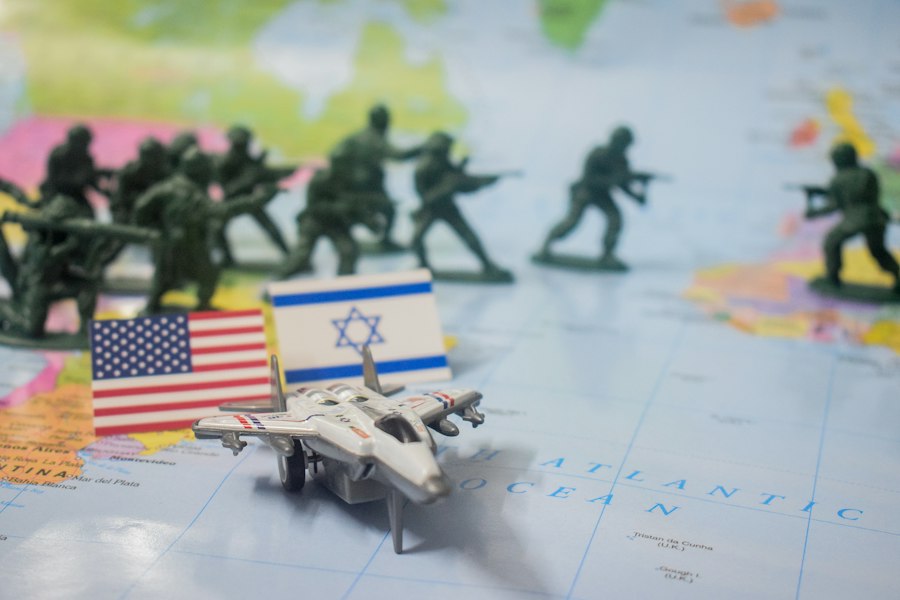
The advanced radar technology being shared by Israel represents a significant leap forward in aerial and missile defense capabilities. These systems are not merely incremental improvements; they embody a paradigm shift in how threats are detected, tracked, and countered. Their sophistication lies in their ability to operate effectively in complex electromagnetic environments, distinguish between various types of targets, and provide precise targeting data with unprecedented speed and accuracy. The transfer of such technology signifies a willingness on Israel’s part to share its hard-won expertise, reflecting the deep trust and strategic alignment it shares with the United States.
Superior Detection and Tracking Capabilities
Israeli radar systems are renowned for their exceptional performance in detecting and tracking a wide spectrum of airborne objects, from small, low-flying drones to long-range ballistic missiles. This is achieved through a combination of advanced sensor design, sophisticated signal processing algorithms, and cutting-edge electronic warfare countermeasures. Unlike older radar technologies that might struggle with clutter or discriminate between decoys and genuine threats, these modern systems can analyze subtle signatures, identify target characteristics, and maintain continuous tracking even in heavily contested airspace. This enhanced situational awareness is crucial for effective defense, allowing commanders to make informed decisions and deploy appropriate countermeasures in a timely manner. The ability to detect and track multiple threats simultaneously, from different vectors and at varying altitudes, is a key advantage that these systems bring to the table.
Multi-Mission Versatility
The radar systems in question are not designed for a single purpose. Their versatility allows them to be employed in a variety of roles, from early warning and air surveillance to missile defense and the tracking of irregular warfare threats. This adaptability makes them an invaluable asset in a dynamic geopolitical landscape where threats can emerge from any direction and take various forms. For instance, the same radar might be used to monitor an approaching enemy aircraft, track an incoming artillery shell, or provide situational awareness during a counter-terrorism operation. This multi-mission capability reduces the need for specialized equipment for different tasks, streamlining operations and optimizing resource allocation. The integration of such versatile systems into the U.S. defense infrastructure can significantly enhance its overall operational flexibility and responsiveness.
Advanced Signal Processing and Discrimination
The heart of these advanced radar systems lies in their sophisticated signal processing capabilities. These systems employ powerful algorithms that can filter out noise and interference, enhance weak signals, and accurately discriminate between different types of targets. This is particularly important when dealing with advanced threats that may employ stealth technology or employ electronic countermeasures to evade detection. The ability to differentiate between a flock of birds, a drone, a cruise missile, and a ballistic missile warhead is critical for effective threat assessment and response. Israeli engineers have developed innovative techniques that allow their radars to analyze subtle differences in target signatures, such as Doppler shifts, radar cross-sections, and material composition, providing a level of discrimination that was previously unattainable. This enhanced discrimination minimizes the risk of false alarms and ensures that defensive assets are focused on genuine threats.
Integration with Existing U.S. Defense Networks
The value of any new defense technology is amplified by its ability to seamlessly integrate with existing command and control systems and weapon platforms. Israel’s advanced radar technology has been designed with interoperability in mind, facilitating its integration into the complex and established U.S. defense networks. This ensures that the information gathered by these new radars can be effectively disseminated to relevant units, fused with data from other sensors, and utilized to guide defensive actions. The U.S. military operates a vast and interconnected network of sensors, communication systems, and weapon platforms. The successful integration of Israeli radar will mean that it can contribute to this network, enhancing overall situational awareness and defensive capabilities without requiring a complete overhaul of existing infrastructure.
Enhancing Situational Awareness Across Multiple Domains
The U.S. military operates across multiple domains – land, sea, air, space, and cyber. The effective defense of these domains requires a comprehensive understanding of the threat environment. Israeli radar technology, with its advanced detection and tracking capabilities, can significantly enhance situational awareness across these domains. By providing a more accurate and comprehensive picture of airborne and missile threats, it allows for better coordination of defensive efforts and more effective allocation of resources. For example, data from these radars can inform naval vessels about incoming aerial threats, provide ground forces with early warning of missile launches, and contribute to a broader air defense picture for strategic assets. This multi-domain situational awareness is crucial for maintaining a strategic advantage and deterring aggression.
Optimizing Interoperability and Command Structures
Interoperability between allied forces is a cornerstone of modern defense strategy. The sharing of this advanced radar technology signifies a commitment to ensuring that U.S. and Israeli defense systems can work together effectively. This not only strengthens bilateral defense capabilities but also enhances the interoperability of U.S. forces with NATO allies and other partners who may also utilize or be impacted by this technology. The ability of different systems to communicate, share data, and coordinate actions is paramount in complex joint operations. Furthermore, the integration of this technology into U.S. command structures is designed to be as seamless as possible, minimizing disruption to existing protocols and maximizing the speed at which new capabilities can be leveraged. This ensures that the enhanced situational awareness translates directly into improved decision-making and more effective responses.
Strategic Implications for Regional and Global Security

The sharing of advanced radar technology between Israel and the United States is a development with profound strategic implications, extending far beyond the immediate enhancement of their respective defense capabilities. It signals a deepening of their alliance, a commitment to collective security in a volatile region, and a clear message to potential adversaries about their resolve and technological superiority. The implications ripple outwards, influencing regional power dynamics, global deterrence postures, and the very nature of future conflicts.
Strengthening the U.S.-Israel Strategic Partnership
This technological transfer is a powerful testament to the robust and enduring strategic partnership between the United States and Israel. It underscores a level of trust and shared strategic interest that goes beyond typical military cooperation. By sharing its most advanced defense innovations, Israel demonstrates its confidence in the U.S. as a strategic partner, while the U.S. commitment to integrating this technology signals its recognition of Israel’s indispensable role in maintaining regional stability and counter-terrorism efforts. This exchange reinforces the notion that their security is inextricably linked, and that they are committed to mutual defense against common threats. The willingness to share such sensitive and advanced technology is a clear indicator of a mature and deeply ingrained alliance, built on shared values and a common strategic vision.
A Foundation of Trust and Shared Threat Perception
The decision to share such critical defense technology is rooted in a bedrock of trust that has been meticulously cultivated over decades of collaboration. Both nations share a common understanding of the threats emanating from certain actors in the Middle East and beyond. This shared threat perception, coupled with a mutual recognition of the need for advanced defensive capabilities to counter these threats, has created an environment conducive to such a significant technological transfer. Israel’s operational experience in a challenging geopolitical environment provides invaluable insights that are then incorporated into the development of systems that can be utilized by the U.S. in its own strategic contexts. This symbiotic relationship ensures that both nations benefit from each other’s unique perspectives and capabilities, fostering a stronger and more resilient security posture.
Reinforcing Deterrence Against Malign Actors
The visible demonstration of enhanced defense capabilities, stemming from this technological collaboration, serves as a powerful deterrent to malign actors seeking to destabilize the region or threaten U.S. interests. When potential adversaries witness the advanced technological integration between two leading military powers, they are more likely to reconsider aggressive actions. The enhanced ability to detect, track, and intercept a wider range of threats reduces the perceived effectiveness of missile attacks or aerial incursions, thereby raising the cost and risk associated with such provocations. This technological synergy strengthens the overall deterrence posture of both nations, contributing to a more stable and predictable security environment in the Middle East and globally.
In recent developments, Israel has strengthened its defense collaboration with the United States by sharing advanced radar technology, enhancing both nations’ capabilities in monitoring regional threats. This partnership is part of a broader strategy to ensure security in an increasingly volatile environment. For more insights on this topic, you can read a related article that discusses the implications of this collaboration in detail at this link.
Impact on Global Ballistic Missile Defense Efforts
The integration of Israeli radar technology into the U.S. defense framework has broader implications for global ballistic missile defense (BMD) efforts. The advancements in detection and tracking capabilities offered by these systems can contribute to a more robust and layered global BMD network. This can enhance the ability of the U.S. and its allies to defend against proliferation of ballistic missile technology by states like Iran and North Korea, and potentially support international efforts to counter missile threats. The shared knowledge and operational experience gained from this collaboration can also inform the development of future BMD systems and strategies, benefiting a wider range of nations seeking to enhance their own defensive capabilities.
Advancing the State of the Art in Missile Defense
The contribution of Israeli technology to U.S. missile defense systems represents a significant advancement in the state of the art. These systems are at the cutting edge of radar technology, offering enhanced capabilities in areas such as range, resolution, and discrimination against complex targets like multiple re-entry vehicles (MRVs) or maneuvering re-entry vehicles (MaRVs). By integrating these advanced capabilities, the U.S. can bolster its ability to defend against a wider range of ballistic missile threats, including those with advanced capabilities that may be harder for older systems to track and intercept. This ongoing evolution of missile defense technology is crucial in keeping pace with the advancements being made by potential adversaries.
Fostering International Collaboration and Standardization
This collaboration between the U.S. and Israel also has the potential to foster greater international collaboration and standardization in missile defense. As other nations seek to enhance their own BMD capabilities, they can draw upon the lessons learned and the technologies developed through this partnership. The common understanding of threat vectors and the shared operational requirements can lead to greater interoperability between different national BMD systems, creating a more cohesive and effective global defense network. This standardization can reduce the complexity of multinational defense operations and ensure that allied forces can operate more effectively in combined scenarios, enhancing collective security.
Technological Transfer and Future Defense Innovations
The sharing of advanced radar technology is not an endpoint but rather a stepping stone towards a future of even more integrated and sophisticated defense cooperation. This transfer of knowledge and capability will undoubtedly spur further innovation, leading to the development of next-generation defense systems and strategies. The ongoing collaboration between the U.S. and Israel in the defense sector is likely to yield further breakthroughs, shaping the future of warfare and enhancing the security of both nations and their allies.
Driving Future Research and Development
The insights gained from integrating and operating these advanced Israeli radar systems will fuel future research and development efforts within the U.S. defense industrial base. American engineers and scientists will be able to build upon the foundational technologies and principles that have proven effective in real-world scenarios. This can accelerate the development of novel sensor technologies, advanced algorithms for data processing and artificial intelligence, and more resilient electronic warfare capabilities. The emphasis will likely be on developing systems that are not only more capable but also more adaptable to evolving threats and emerging technologies.
Exploring Synergies with Emerging Technologies
The integration of Israeli radar technology will also create opportunities to explore synergies with other emerging technologies, such as artificial intelligence (AI), machine learning (ML), and advanced data analytics. These technologies can be used to enhance the functionality of the radar systems, enabling faster threat identification, more accurate prediction of trajectories, and optimized targeting solutions. For example, AI could be used to sift through vast amounts of radar data in real-time, identifying patterns and anomalies that might be missed by human operators. ML algorithms could be employed to continuously improve the discrimination capabilities of the radar over time. This fusion of advanced radar with cutting-edge AI and ML promises to unlock unprecedented levels of defensive capability.
The Path Towards a Unified Global Defense Network
Ultimately, this technological collaboration contributes to a broader vision of a unified global defense network. By enhancing the capabilities of key allies, the U.S. strengthens the collective security architecture that is essential for maintaining global stability. The interoperability and shared technological advancements fostered by such exchanges can pave the way for more seamless cooperation between a wider range of nations, creating a robust and interconnected web of defense capabilities that can respond effectively to threats from any quarter. This unified approach, built on shared technology and mutual trust, is the most effective way to ensure peace and security in an increasingly complex world.
Continued Collaboration and Knowledge Exchange
The spirit of collaboration that led to this technological sharing is expected to continue. Both nations are committed to ongoing dialogue, joint exercises, and further exchanges of expertise. This will ensure that the integration of the new radar technology is not a one-time event but rather an ongoing process of refinement and adaptation. The continuous flow of information and operational feedback will be crucial for maintaining a technological edge and ensuring that defense capabilities remain relevant in the face of evolving threats. The lessons learned from this successful transfer will likely inform future defense partnerships and technological acquisitions, solidifying the U.S.-Israel alliance as a model for international security cooperation.
Joint Training and Operational Exercises
To maximize the effectiveness of the newly acquired radar technology, joint training and operational exercises will be crucial. These exercises will allow U.S. personnel to become proficient in operating and maintaining the Israeli systems, while also providing Israeli experts with valuable feedback on how the technology performs within the U.S. operational context. Such collaborative training efforts not only enhance technical proficiency but also strengthen the bonds between military personnel from both nations, fostering a deeper understanding of each other’s operational doctrines and tactical approaches. This hands-on collaboration is essential for ensuring that the technology is used to its fullest potential.
Future Joint Development Initiatives
Looking ahead, the success of this radar technology transfer could pave the way for future joint development initiatives. Both nations may identify further areas where their combined expertise can lead to the creation of entirely new defense capabilities or significant enhancements to existing ones. This could encompass a wide range of technologies, from advanced electronic warfare systems and cyber defense solutions to next-generation sensor fusion and autonomous defense platforms. The established framework for trust and collaboration, bolstered by this latest success, positions both the U.S. and Israel to be at the forefront of defense innovation for years to come, contributing to a more secure global landscape.

A 3-Year Drought Hit the Hittite Empire. Did It Cause the Collapse?
FAQs
What is the significance of Israel sharing radar with the United States?
Israel sharing radar with the United States allows for enhanced cooperation in defense and security measures, enabling both countries to better monitor and respond to potential threats in the region.
How does sharing radar benefit both Israel and the United States?
Sharing radar technology enhances the capabilities of both countries to detect and track incoming missiles, aircraft, and other potential security risks, leading to improved situational awareness and coordinated responses.
Which specific radar systems are being shared between Israel and the United States?
The specific radar systems being shared between Israel and the United States have not been publicly disclosed due to security reasons and the sensitive nature of the technology involved.
How does the sharing of radar technology strengthen the strategic partnership between Israel and the United States?
The sharing of radar technology demonstrates a high level of trust and cooperation between Israel and the United States in the realm of defense and security, further solidifying their strategic partnership and mutual commitment to regional stability.
Are there any potential challenges or concerns associated with Israel sharing radar with the United States?
Potential challenges or concerns associated with Israel sharing radar with the United States may include issues related to data security, technology transfer restrictions, and ensuring the proper handling of sensitive information to prevent unauthorized access or misuse.