The Six-Day War, a conflict etched in the annals of the 20th century, is often remembered for its swift and decisive military maneuvers. Yet, behind the thunder of tanks and the roar of fighter jets lay a parallel war, fought in the shadows by intelligence agencies. The meticulous planning, daring infiltrations, and sophisticated surveillance operations that preceded and accompanied the 1967 conflict were instrumental in shaping its outcome. For decades, many of these intelligence operations remained shrouded in secrecy, their full impact only beginning to be pieced together through declassified documents and historical analysis. This article delves into the uncovered intelligence operations that played a pivotal role in the Six-Day War, revealing the intricate web of information gathering and covert action that laid the groundwork for Israel’s stunning victory.
The period leading up to the Six-Day War was characterized by escalating tensions and a palpable sense of impending conflict. While the world watched the diplomatic wrangling and troop movements with apprehension, intelligence agencies on all sides were engaged in a relentless pursuit of information. Israel, in particular, recognized that its survival depended on understanding the intentions and capabilities of its Arab neighbors.
Signals Intelligence: Listening to the Whispers of War
The electronic battlefield was already a significant theater of operations long before the first shot was fired. Signals intelligence (SIGINT), the collection of intelligence from electronic signals, became a critical tool for understanding the enemy’s intentions and operational readiness.
Eavesdropping on Radio Communications
Both Israeli and Arab forces relied heavily on radio communications for command and control. Israeli SIGINT units worked tirelessly to intercept these transmissions, employing sophisticated techniques to decipher coded messages and identify key communication patterns. The ability to understand the flow of information within the Egyptian, Syrian, and Jordanian armies provided invaluable insights into their strategic thinking and immediate plans.
Decoding Military Orders and troop movements
Beyond simply intercepting messages, the true value lay in decoding them. Israeli intelligence agencies invested heavily in code-breaking capabilities, employing cryptanalysts to unravel the complex ciphers used by Arab militaries. This allowed them to not only understand tactical orders but also to predict troop movements and identify concentrations of forces, providing vital early warnings.
Human Intelligence: The Eyes and Ears on the Ground
While electronic eavesdropping provided a broad picture, human intelligence (HUMINT) offered granular details and insights that technology alone could not provide. Agents operating behind enemy lines, defectors, and well-placed informants offered a crucial human perspective on the unfolding crisis.
Infiltration of Arab Military Establishments
Israeli intelligence agencies are known to have engaged in daring acts of infiltration, planting agents within the military and intelligence apparatus of Arab nations. These operatives, often disguised and posing as locals, risked their lives to gather firsthand information on troop morale, weapon systems, and operational plans. The risks were immense, and the consequences of discovery dire, yet the information gleaned was often indispensable.
Exploiting Arab Dissatisfaction and Defectors
The complex political landscape within the Arab world also presented opportunities for intelligence gathering. Dissatisfaction with regimes, internal power struggles, and ideological rifts were exploited by Israeli intelligence to recruit informants and encourage defections. These individuals, often motivated by personal grievances or a desire for change, provided valuable intelligence on internal security, political intentions, and the general climate within the Arab military.
The intelligence operations during the Six Day War played a crucial role in shaping the outcome of the conflict, highlighting the importance of accurate information in military strategy. For a deeper understanding of the intricate intelligence maneuvers and their impact on the war, you can refer to a related article that explores these themes in detail. To read more, visit this article.
The Air Supremacy Gambit: Pre-Emptive Strikes and Intelligence
The success of Israel’s air force in the opening hours of the Six-Day War was a defining moment. This overwhelming superiority was not achieved by chance; it was the direct result of meticulous intelligence gathering and the strategic decision to launch pre-emptive strikes based on that information.
The Overt Threat: Understanding Egyptian Air Defenses
Egypt, with its significant Soviet-supplied air force and extensive air defense network, posed the most formidable aerial threat to Israel. Israeli intelligence dedicated substantial resources to understanding the disposition, capabilities, and operational procedures of these forces.
Mapping Airfields and Aircraft Dispositions
Detailed aerial reconnaissance, combined with HUMINT reports, allowed Israeli intelligence to create comprehensive maps of Egyptian airfields, including the types and numbers of aircraft stationed at each location. This detailed knowledge was crucial for planning the precise strikes that would cripple the Egyptian air force.
Identifying Radar Installations and SAM Sites
The sophisticated Soviet-made surface-to-air missile (SAM) systems were a major concern for the Israeli air force. Intelligence operations focused on identifying the location of these sites, their operational status, and the radar systems that guided them. This information was vital for planning attack vectors that would avoid or neutralize these threats.
The Covert Strike Plan: Intelligence-Driven Targeting
The Israeli Air Force’s devastating pre-emptive strike on June 5, 1967, targeted not only aircraft on the ground but also the infrastructure that supported them. This highly coordinated and effective operation was a direct product of intelligence-driven targeting.
Pinpointing Vulnerabilities in Egyptian Air Bases
Intelligence reports revealed critical vulnerabilities in the Egyptian air base infrastructure, such as fuel depots, maintenance facilities, and command centers. These were identified as high-priority targets that, if destroyed, would severely hamper the Egyptian air force’s ability to respond.
Deception and Misdirection: Masking Intentions
While intelligence focused on identifying targets, it also played a crucial role in masking Israel’s true intentions. Deception operations were employed to mislead Arab intelligence about the timing and focus of any potential strike, creating opportunities for surprise and maximizing the effectiveness of the pre-emptive attack.
The Sinai Front: Ground Operations and Intelligence Support
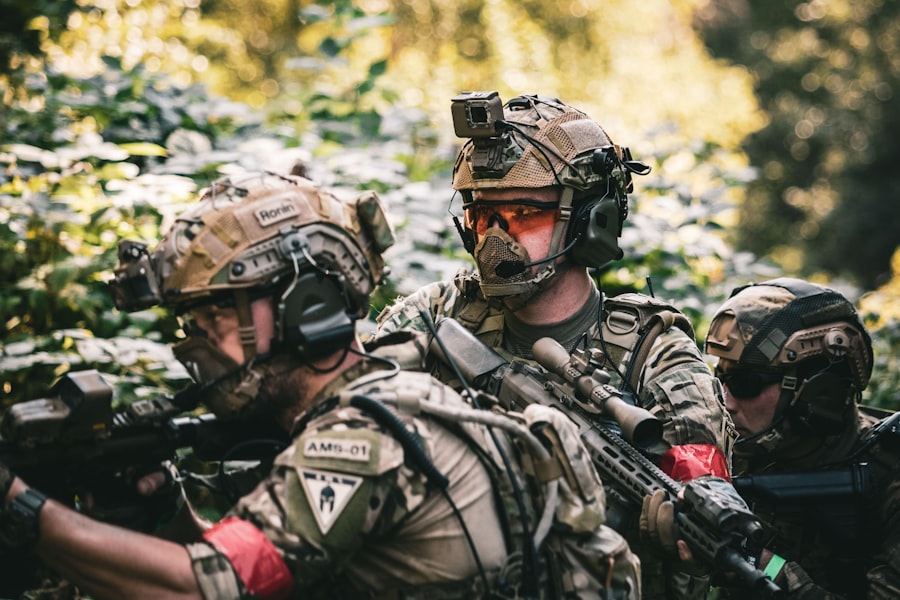
The Sinai Peninsula became a primary theater of operations, and intelligence played a crucial role in guiding Israel’s ground forces to victory against the Egyptian army. The understanding of enemy positions, fortifications, and logistical networks was paramount.
Reconnaissance and Terrain Analysis: Mapping the Battlefield
The vast and often featureless terrain of the Sinai posed its own challenges for intelligence gathering. However, persistent efforts were made to understand every nuance of the battlefield.
Aerial Photography and Satellite Imagery (Limited Early Use)
While satellite imagery was in its nascent stages, aerial photography provided invaluable insights into the disposition of Egyptian forces, their defensive lines, and the terrain features that could be exploited. High-altitude reconnaissance flights provided a broad overview, while lower-level flights gathered more detailed information.
Ground Reconnaissance Units: Close-Quarters Intelligence
Specialized ground reconnaissance units were deployed to gather intelligence on the front lines. These units operated in small, mobile teams, often under the cover of darkness, to scout enemy positions, identify minefields, and assess the strength of fortifications. Their bravery and dedication provided real-time intelligence to advancing ground forces.
Intelligence on Egyptian Fortifications and Troop Dispositions
The Egyptian army had established a series of fortified positions along the Sinai border, and understanding their strength and weaknesses was critical for planning the ground assault.
Identifying Key Defensive Strongpoints
Intelligence efforts focused on identifying the key Egyptian strongpoints, such as the heavily defended El Arish air base and the fortified positions along the Rafah corridor. Detailed information on the number of troops, artillery emplacements, and anti-tank weapons at these locations allowed Israeli commanders to allocate their forces effectively.
Understanding Egyptian Reserve and Reinforcement Routes
Knowledge of Egyptian reserve units and their potential reinforcement routes was also crucial. Intelligence aimed to anticipate enemy counter-attacks and plan ambushes or diversions to disrupt their movements and maintain Israeli battlefield initiative.
The Jordan Valley and Jerusalem: A Race Against Time and Intelligence

The Jordanian front, particularly the battle for Jerusalem and the West Bank, presented a unique set of challenges and opportunities for intelligence. The close proximity of Jordanian forces and the dense urban environment required different approaches.
Understanding the Jordanian Legion and its Capabilities
The Arab Legion, the Jordanian army, was known for its discipline and professionalism. Israeli intelligence needed to assess its strength, deployment, and potential for resistance.
Intercepting Jordanian Military Communications
Similar to the Egyptian front, SIGINT played a vital role in monitoring Jordanian military communications. This provided insights into their troop movements, command decisions, and general readiness.
Informants within East Jerusalem
Human intelligence sources within East Jerusalem became particularly important as the city’s fate hung in the balance. These informants, often ordinary citizens caught in the crossfire of escalating tensions, provided crucial information on Jordanian troop movements, public sentiment, and the disposition of defensive positions within the city.
The Strategic Importance of Jerusalem: Intelligence for a Moral Imperative
The liberation of Jerusalem, a city of immense religious and historical significance, was a key objective for Israel. Intelligence efforts were intensified to ensure the success of this deeply symbolic undertaking.
Mapping Defensive Positions and Key Landmarks
Intelligence focused on mapping the defensive positions of the Jordanian Arab Legion within the Old City and surrounding areas. This included identifying key landmarks, such as the Temple Mount/Haram al-Sharif and the Western Wall, to guide advancing Israeli forces with precision and minimize damage to holy sites.
Assessing Civilian Presence and Potential Collateral Damage
Understanding the civilian presence within East Jerusalem was a critical ethical and operational consideration. Intelligence sought to assess the density of the civilian population in different areas to minimize the risk of collateral damage during combat operations.
The intelligence operations during the Six Day War played a crucial role in shaping the outcomes of the conflict, highlighting the importance of timely and accurate information in military strategy. For a deeper understanding of the intricacies involved in these operations, you can explore a related article that delves into the various intelligence tactics employed during this pivotal moment in history. This insightful piece can be found at In the War Room, where it examines the impact of intelligence on the decisions made by military leaders.
The Aftermath and Legacy: Intelligence in Shaping the Post-War Landscape
| Intelligence Operations | Details |
|---|---|
| Pre-war intelligence gathering | Efforts to gather information on Arab military capabilities and intentions |
| Signal intelligence (SIGINT) | Intercepting and analyzing Arab communications |
| Human intelligence (HUMINT) | Recruiting and running agents in Arab countries |
| Photo reconnaissance | Obtaining aerial imagery of Arab military installations |
| Electronic intelligence (ELINT) | Collecting information on Arab radar and electronic systems |
The intelligence operations that underpinned the Six-Day War did not cease with the final ceasefire. The collection and analysis of information continued to shape the post-war landscape and inform future strategic decisions.
Post-Conflict Intelligence: Understanding the New Geopolitical Realities
The war fundamentally altered the geopolitical map of the Middle East. Intelligence agencies worked to understand the immediate aftermath and the long-term implications of Israel’s territorial gains.
Assessing Arab Military Rebuilding Efforts
Intelligence agencies monitored the efforts of Arab nations to rebuild their shattered militaries and replenish lost equipment. This involved tracking arms purchases, assessing training programs, and understanding the evolving military doctrines of former adversaries.
Monitoring the Occupied Territories
The occupation of the West Bank, Gaza Strip, Sinai Peninsula, and Golan Heights presented new intelligence challenges. Understanding the populations within these territories, their sentiments, and the emergence of resistance movements became a priority.
The Enduring Impact of Intelligence: Lessons for Future Conflicts
The intelligence successes and failures of the Six-Day War offered invaluable lessons for intelligence agencies worldwide. The emphasis on integrated intelligence gathering, the importance of HUMINT in conjunction with SIGINT and IMINT, and the critical role of timely and accurate analysis became core tenets.
The Importance of Proactive Intelligence
The Six-Day War underscored the vital importance of proactive intelligence gathering, rather than simply reacting to events. The ability to anticipate threats and identify opportunities before they fully materialized proved to be a decisive factor.
The Ethical Considerations of Intelligence Operations
The aggressive nature of some intelligence operations, particularly pre-emptive strikes based on intelligence, raised enduring ethical questions. The legacy of the Six-Day War continues to fuel debates about the balance between national security and individual liberties, and the moral responsibilities associated with intelligence work. The uncovered operations of the Six-Day War serve as a stark reminder that behind every major military conflict lies a clandestine struggle for information, a battle of wits and nerves that often determines the ultimate victor.

The Intelligence System That Won the Six-Day War Before It Began
FAQs
What were the intelligence operations leading up to the Six Day War?
The intelligence operations leading up to the Six Day War involved extensive surveillance and reconnaissance efforts by both Israel and its neighboring Arab countries. Israel’s intelligence agency, Mossad, played a crucial role in gathering information about the military capabilities and intentions of its Arab adversaries.
How did intelligence play a role in the outcome of the Six Day War?
Intelligence played a significant role in the outcome of the Six Day War by providing Israel with crucial information about the military buildup and intentions of its Arab neighbors. This allowed Israel to launch preemptive strikes against the Egyptian, Syrian, and Jordanian air forces, gaining air superiority and ultimately achieving a swift and decisive victory.
What were some key intelligence successes during the Six Day War?
One key intelligence success during the Six Day War was Israel’s ability to accurately assess the military capabilities and intentions of its Arab adversaries, allowing for preemptive strikes that crippled the Arab air forces. Additionally, Mossad’s infiltration and gathering of information from Arab countries provided valuable insights for Israeli military planning.
Were there any intelligence failures during the Six Day War?
While Israel’s intelligence operations were largely successful, there were some failures, such as underestimating the strength of the Jordanian military and failing to anticipate the extent of the damage caused by the preemptive strikes on Arab air forces. Additionally, there were missed opportunities to gather more accurate information about Arab military capabilities.
How did the Six Day War impact intelligence operations in the region?
The Six Day War had a lasting impact on intelligence operations in the region, leading to increased emphasis on surveillance, reconnaissance, and preemptive action. It also highlighted the importance of accurate and timely intelligence in military planning and decision-making, shaping the strategies and priorities of intelligence agencies in the years that followed.