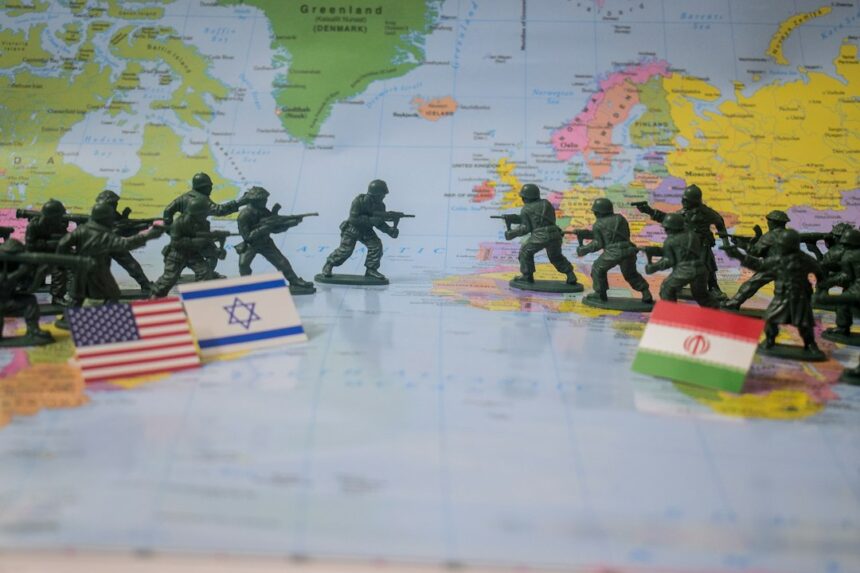
The shadows of November 4, 1979, still loom large in the collective memory of both Iran and the United States. On that fateful day, a mob of Iranian students, ostensibly demonstrating against American support for the recently deposed Shah, stormed the U.S. Embassy in Tehran, taking more than sixty American citizens hostage. What began as a protest rapidly escalated into a diplomatic crisis of unprecedented proportions, gripping the world’s attention for 444 agonizing days. While the narrative of the Iran Hostage Crisis is well-trodden, focusing on the diplomatic stalemates, the toll on the hostages, and the eventual release, a lesser-known, but no less significant, aspect of this prolonged ordeal involves the audacious and ultimately aborted rescue attempts. Among these, a particularly striking plan, codenamed “Operation Eagle Claw,” involved a daring airborne insertion into a Tehran stadium, a concept that underscores the extreme lengths to which the U.S. government considered going to secure the release of its citizens.
The Precipice of Crisis: Hostages and a Nation’s Anguish
The initial seizure of the U.S. Embassy was a shockwave that reverberated across the globe. The images of chanting crowds, veiled faces, and the American flag being burned were broadcast relentlessly, fueling outrage and a sense of helplessness in America. The hostages, a diverse group of diplomats, Marines, and other embassy personnel, found themselves thrust into a nightmarish reality, stripped of their freedom and subjected to psychological torment. The Iranian government, under the revolutionary leadership of Ayatollah Ruhollah Khomeini, initially seemed to endorse the students’ actions, further complicating any diplomatic resolution. The United States, under President Jimmy Carter, was caught in a precarious position. Public pressure to act was immense, yet any forceful military intervention risked alienating Iran, potentially prolonging the crisis or even endangering the lives of the hostages.
The Unfolding Diplomatic Deadlock
From the outset, the crisis presented a unique diplomatic challenge. The Iranian government’s stance was ambiguous, at times appearing to distance itself from the student occupiers while simultaneously failing to exert meaningful control or offer a clear path to resolution. Negotiations were fraught with difficulty, hampered by the volatile political landscape in Iran and the deeply ingrained animosity between the two nations. President Carter’s administration pursued a multi-pronged strategy, employing diplomatic channels, economic sanctions, and international pressure. However, each avenue seemed to lead to a dead end, as Iranian leaders consistently shifted their demands or refused to engage in substantive discussions. The world watched, captivated and horrified, as the days turned into weeks, and the weeks into months, with no end in sight to the agonizing ordeal of the hostages.
The Emotional and Political Toll on America
The Iran Hostage Crisis became a defining moment of President Carter’s presidency and a profound emotional scar on the American psyche. The daily news reports, the pleas of the hostages’ families, and the perceived inability of the government to secure their release generated widespread frustration and anger. The crisis eroded public confidence and became a significant factor in the 1980 presidential election. The image of Americans held captive by a foreign nation, seemingly with impunity, challenged the very notion of American strength and global influence. The constant anxiety and the feeling of powerlessness weighed heavily on the nation, creating an environment ripe for calls for decisive action, regardless of the risks involved.
The Iran Hostage Crisis had far-reaching implications, including the controversial stadium landing plan that was devised during the rescue efforts. For a deeper understanding of the strategic decisions made during this tumultuous period, you can read a related article that explores the complexities and challenges faced by the U.S. government. This insightful piece can be found at this link.
The Genesis of Audacious Rescue Plans: Beyond Diplomacy
As diplomatic avenues proved increasingly fruitless, the United States government began to explore more direct and potentially risky options. The urgency to free the hostages, coupled with the frustration of a seemingly intractable situation, spurred the development of unconventional rescue plans. These were not mere contingency operations; they represented a desperate grasp at a solution when all other paths seemed blocked. The decision to even consider such high-stakes endeavors speaks volumes about the immense pressure on the administration and the perceived lack of alternatives. The intelligence community and military planners were tasked with devising scenarios that could achieve a swift and decisive outcome, minimizing the risks to the hostages while maximizing the chances of success.
The Shifting Sands of Strategic Options
The initial focus remained on diplomatic and economic pressure. However, as the crisis deepened, the spectrum of potential military options began to widen. Covert operations, specialized commando raids, and even larger-scale military interventions were all theoretically considered. Each option was subjected to rigorous analysis, weighing the potential benefits against the catastrophic risks. The complexity of operating within Tehran, a densely populated city controlled by a revolutionary government and its supporters, presented immense logistical and tactical hurdles. The need to maintain secrecy was paramount, as any leak could compromise the mission and endanger the hostages. The inherent dangers of a rescue operation, including the possibility of friendly fire, collateral damage, and the certainty of Iranian retaliation, made these options a last resort.
The Imperative for Secrecy and Precision
The very nature of a hostage rescue operation demands absolute secrecy. The element of surprise is the most critical factor in such missions. Any hint of a planned intervention could lead to the perpetrators relocating the hostages, increasing their security, or worse, enacting retaliatory measures against them. This imperative for secrecy permeated every stage of planning, from the initial brainstorming to the recruitment of personnel and the acquisition of resources. The teams involved in developing and executing these plans operated under the highest levels of classification, often unaware of the full scope of the operation until the last possible moment. The meticulous attention to detail was crucial, as even minor oversights could have devastating consequences.
Operation Eagle Claw: The Stadium Gambit Revealed
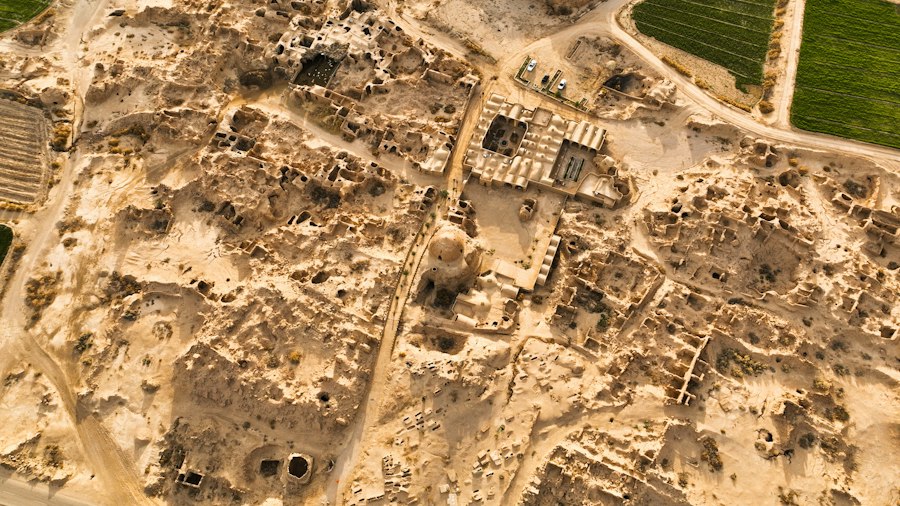
Among the most unconventional and audacious rescue plans conceived during the Iran Hostage Crisis was “Operation Eagle Claw.” While the full operation involved a complex multi-pronged assault, a key component of the contingency planning, and one that has only been fully revealed in more recent historical accounts, centered on a daring airborne insertion into a Tehran stadium. The rationale behind such a seemingly improbable scenario highlights the extreme measures being contemplated by U.S. planners desperate for a breakthrough. The stadium, a large and relatively open space, offered a potential landing zone for helicopters, allowing a rapid deployment of special forces deep within the city, bypassing many of the ground-level security measures and urban obstacles.
The Strategic Rationale of Aerial Insertion
The choice of a stadium as a landing zone was driven by a desire for speed and surprise. Tehran, like any major city, presents a complex urban environment with numerous checkpoints, potential ambushes, and civilian populations. Landing helicopters in a central, albeit exposed, location like a stadium could, in theory, allow for the swift deployment of a strike force directly into the heart of the city. This would minimize the travel time from an initial insertion point to the embassy, thereby reducing the window of opportunity for the hostage-takers to react. The open space of a stadium offered a relatively unobstructed area for helicopters to descend, a critical factor given the dangers of operating in unfamiliar airspace at night. The plan envisioned a swift disembarkation of highly trained personnel who would then proceed to the embassy via ground routes or, potentially, by utilizing other means of transport that would have been pre-positioned.
The Mechanics of a Stadium Assault
The specifics of the stadium landing plan, as pieced together from declassified documents and subsequent historical analysis, reveal a meticulous, albeit high-risk, logistical undertaking. The plan would have involved multiple heavy-lift helicopters, such as the CH-53 Sea Stallion, capable of transporting troops and equipment. These helicopters would have flown at extremely low altitudes to avoid radar detection, navigating the treacherous terrain and airspace around Tehran. The landing itself would have been a synchronized operation, with several choppers descending simultaneously into the stadium. Upon landing, troops would have disembarked rapidly, securing the immediate area before proceeding to their objective. The plan also likely included measures for potential exfiltration, although the specifics of such an operation from within a hostile urban environment would have been incredibly challenging.
Contingencies and Extreme Risks
The stadium landing plan was fraught with extreme risks. The very act of landing multiple large helicopters in a populated area, even at night, would have generated significant noise and visual disturbance, potentially alerting the hostage-takers and local security forces. The risk of enemy fire during the landing phase was substantial. Furthermore, the chosen stadium might have been guarded, or the landing could have attracted unwanted attention from the surrounding populace. The pilots would have faced immense pressure to execute precise landings under stressful conditions. The plan also had to account for the possibility of equipment malfunctions or damage during flight or landing. The potential for catastrophic failure, resulting in the loss of the aircraft and personnel, was a significant deterrent.
The Unforeseen Challenges and the Operation’s Demise
Despite the meticulous planning and the audacious nature of Operation Eagle Claw, the mission was ultimately plagued by a series of unforeseen challenges that led to its catastrophic failure. The complex web of logistical hurdles, the unforgiving desert environment, and a critical equipment malfunction converged to doom the rescue attempt before it could even reach its objective. The memory of the failed mission serves as a stark reminder of the immense difficulties inherent in such operations and the tragic consequences of even minor setbacks. The lessons learned from this debacle profoundly influenced future special operations planning and execution.
The Desert’s Cruel Embrace: Helicopters and Dust Storms
The initial phase of Operation Eagle Claw required the assembly of a large contingent of helicopters at a remote desert staging area in Iran, codenamed “Desert One.” The harsh desert environment proved to be an immediate and significant obstacle. Intense heat, dust, and sandstorms created a visibility nightmare and placed immense strain on the aircraft’s engines. The helicopters, crucial for ferrying the rescue force to Tehran, began to suffer mechanical issues. The dust, fine and pervasive, infiltrated engine components, leading to wear and tear and a reduction in operational readiness. The unreliability of the helicopters became an early and ominous sign that the mission was facing insurmountable challenges even before it could begin.
A Collision of Catastrophe: Fuel Leak and Fire
The most critical and devastating event that led to the abort of Operation Eagle Claw occurred during the refueling of the helicopters at Desert One. One of the RH-53D Sea Stallion helicopters suffered a catastrophic fuel leak. As fuel gushed onto the hot desert floor, it ignited, engulfing the helicopter and several personnel in flames. The ensuing inferno created chaos and further hampered the operation. The explosion and fire not only resulted in the tragic loss of American lives but also served as a stark and undeniable signal that the mission could not proceed. The sight of the burning helicopter, silhouetted against the vast desert landscape, was a grim harbinger of the operation’s ultimate failure.
The Impossible Choice: Aborting the Mission
Faced with the catastrophic events at Desert One, the decision to abort Operation Eagle Claw was unavoidable. The loss of aircraft, personnel, and the compromised element of surprise rendered the mission untenable. The surviving helicopters and personnel were ordered to withdraw, leaving behind the wreckage and the somber reality of failure. The abort of the mission was a deeply painful decision for all involved, a culmination of months of planning and training that had ended in tragedy. The failure had profound implications for the hostages, prolonging their ordeal, and for the American public, deepening their sense of frustration.
The Iran Hostage Crisis remains a pivotal moment in U.S. history, and the strategic planning surrounding the stadium landing plan has been the subject of extensive analysis. For those interested in exploring the complexities of this event further, a related article provides valuable insights into the political and military considerations of the time. You can read more about it in this detailed analysis that delves into the implications of the crisis and the decisions made by U.S. officials.
The Echoes of Failure and the Path to Release
| Metric | Details |
|---|---|
| Operation Name | Operation Eagle Claw |
| Date of Attempt | April 24-25, 1980 |
| Objective | Rescue 52 American hostages held in Tehran |
| Landing Site | Desert staging area near Tabas, Iran (Desert One) |
| Number of Aircraft | 8 helicopters and 5 fixed-wing aircraft |
| Number of Personnel Involved | Approximately 90 |
| Outcome | Mission aborted due to mechanical failures and a fatal helicopter crash |
| Casualties | 8 U.S. servicemen killed |
| Impact | Led to increased U.S. military reforms and the creation of U.S. Special Operations Command |
The failure of Operation Eagle Claw cast a long shadow over the Iran Hostage Crisis. While the ambition and daring of the plan were evident, its tragic demise underscored the immense difficulties and inherent dangers of such rescue attempts. The memory of the fallen servicemen served as a somber reminder of the cost of intervention and the complex realities of international relations. Despite the setbacks, the desire to secure the hostages’ release remained undimmed, and the lessons learned from the failed operation would inform future strategies. The crisis, however, would ultimately be resolved not through military might, but through a protracted diplomatic process.
The Strategic Reassessment and Lessons Learned
The catastrophic failure of Operation Eagle Claw prompted a significant reassessment of U.S. military strategy and special operations planning. The experience highlighted the critical importance of meticulous logistical preparation, robust equipment maintenance, and the need for more flexible and adaptable operational plans. The inherent risks of operating in hostile environments, particularly with complex machinery like helicopters, were starkly demonstrated. The failure led to a greater emphasis on intelligence gathering, contingency planning, and the development of specialized equipment and training for such high-risk missions. The lessons learned from Operation Eagle Claw contributed to the refinement of future rescue operations, most notably the successful rescue of American passengers during the Achille Lauro incident in 1985.
The Lingering Hope and the Power of Diplomacy
Despite the allure of forceful intervention, the ultimate resolution of the Iran Hostage Crisis came through a complex and often frustrating diplomatic process. The intervening months saw continued negotiations, international mediation, and the persistent pressure of economic sanctions. The United States, while exploring all options, never entirely abandoned the diplomatic path. The eventual release of the hostages on January 20, 1981, the day of Ronald Reagan’s inauguration, was a moment of immense relief and national jubilation. While the specific details of the stadium landing plan remain a fascinating, albeit chilling, glimpse into the extreme measures considered, it serves as a potent reminder that sometimes, the most effective solutions lie not in the thunder of helicopters, but in the quiet persistence of diplomacy. The legacy of the Iran Hostage Crisis, including its daring and ultimately aborted rescue attempts, continues to be studied and debated, offering invaluable insights into the complexities of international crises, the limits of military power, and the enduring human desire for freedom.
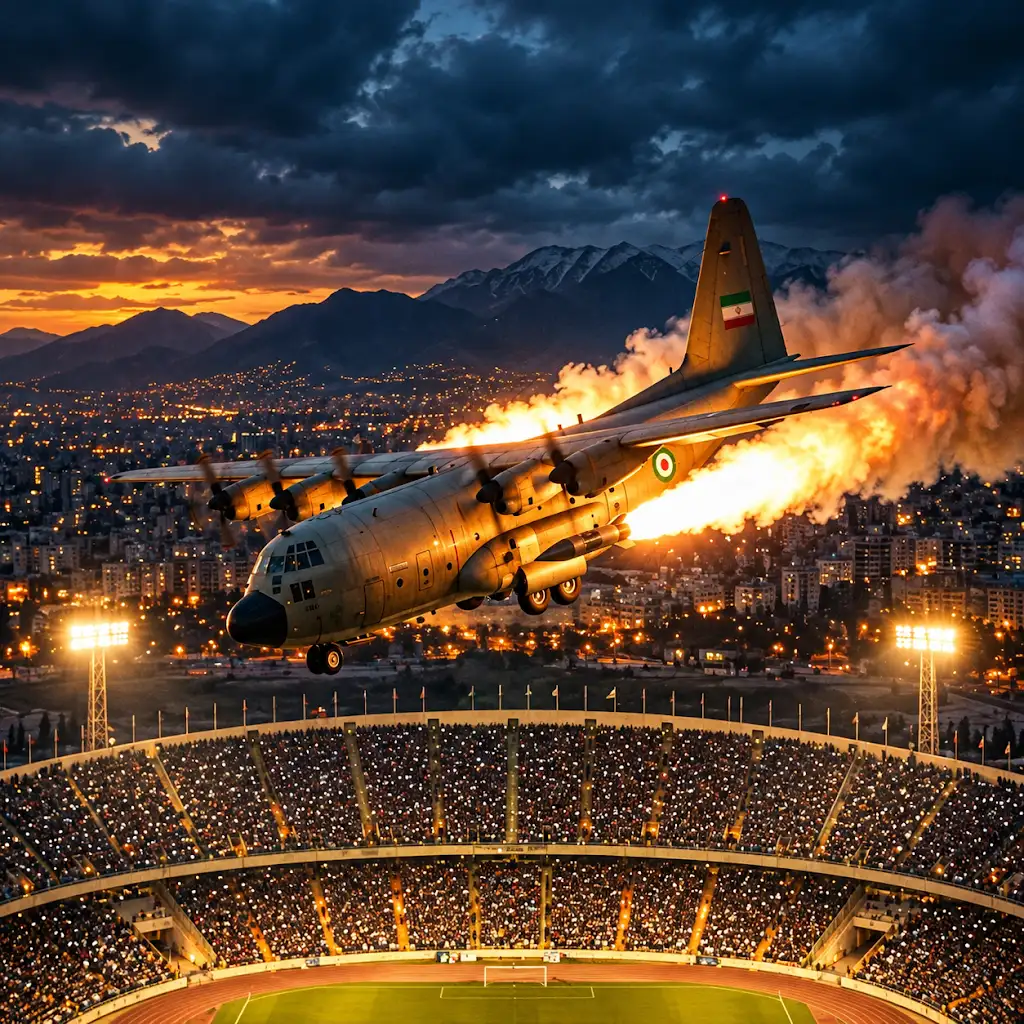
The Secret Plane Built to Land Inside a Stadium
FAQs
What was the Iran hostage crisis stadium landing plan?
The Iran hostage crisis stadium landing plan was a failed rescue mission by the United States military to free 52 American hostages held in the U.S. Embassy in Tehran, Iran, in 1980. The plan involved landing helicopters in a soccer stadium near the embassy to extract the hostages.
Why did the Iran hostage crisis stadium landing plan fail?
The Iran hostage crisis stadium landing plan failed due to a combination of factors, including bad weather conditions, mechanical failures of the helicopters, and a collision between one of the helicopters and a transport plane. These issues led to the mission being aborted, resulting in the deaths of eight American servicemen.
How did the Iranian government respond to the Iran hostage crisis stadium landing plan?
The Iranian government viewed the attempted rescue mission as a violation of their sovereignty and an act of aggression by the United States. They used the failed mission as propaganda to rally anti-American sentiment in Iran and further solidify their control over the hostage situation.
What impact did the Iran hostage crisis stadium landing plan have on U.S.-Iran relations?
The failed rescue mission during the Iran hostage crisis further strained relations between the United States and Iran. It deepened the animosity and mistrust between the two countries, leading to increased tensions that lasted for many years and continue to influence their relationship today.
How did the Iran hostage crisis stadium landing plan affect the hostages and their families?
The failed rescue mission during the Iran hostage crisis prolonged the captivity of the 52 American hostages, who were held for a total of 444 days. The uncertainty and fear experienced by the hostages and their families during this time had a lasting impact on their lives and relationships.