The Modern Explorer’s Compass: DNA Genealogy as a Gateway to Military Heritage
For centuries, the pursuit of military ancestry has been a rigorous and often solitary endeavor, reliant on painstakingly sifting through dusty archives, deciphering faded handwriting, and navigating labyrinthine bureaucratic systems. While these traditional methods remain invaluable, a revolutionary new tool has emerged, transforming the landscape of genealogical discovery: DNA testing. This scientific advancement, once confined to forensic investigations, now offers a powerful and accessible pathway for individuals to connect with their military past, unveiling stories of service, sacrifice, and resilience that might otherwise have remained hidden. DNA genealogy acts as a modern explorer’s compass, pointing towards ancestral origins and, in conjunction with a wealth of military records, providing a rich, nuanced understanding of those who served.
The allure of military ancestry is multifaceted. For some, it’s a search for heroes, a desire to understand the lineage of bravery and duty that flows through their veins. For others, it’s an attempt to fill in the blanks, to identify relatives lost to the fog of war or the passage of time. The records themselves – enlistment papers, muster rolls, pension files, casualty lists – are tangible links to a shared past, offering glimpses into the daily lives, the struggles, and the triumphs of those who donned a uniform. However, these records are often incomplete, difficult to access, or require a foundational understanding of an ancestor’s identity that may be elusive. This is where DNA genealogy steps in, offering a complementary and often groundbreaking approach. By examining the genetic markers passed down through generations, individuals can identify living relatives, uncover previously unknown branches of their family tree, and gain clues that can unlock the door to specific military service records. The intersection of DNA technology and historical military documentation presents an unparalleled opportunity for anyone seeking to understand their military heritage.
DNA genealogy has become an invaluable tool for individuals seeking to uncover their ancestral roots, particularly when combined with military records. By analyzing genetic markers, researchers can connect with relatives who may have served in the military, providing a richer context to family histories. For those interested in exploring this intersection further, a related article can be found at In the War Room, which delves into how DNA testing is transforming our understanding of military lineage and heritage.
Charting the Genetic Landscape: How DNA Uncovers Ancestral Links
The fundamental principle behind DNA genealogy lies in the unique genetic code each individual possesses, a blueprint inherited from their parents. Autosomal DNA, the most common type tested by consumer genealogy companies, examines genetic material inherited from all your recent ancestors, stretching back approximately five to seven generations. This type of DNA is passed down from both maternal and paternal lines, making it the most effective for identifying cousins and piecing together broad family trees. By comparing your autosomal DNA with a vast database of other users, these companies can identify individuals who share significant portions of DNA, indicating a common ancestor. These matches, often categorized by estimated percentages of shared DNA, become potential avenues for genealogical research.
The Science of Ancestral Connections: Autosomal, Y-DNA, and Mitochondrial DNA
While autosomal DNA is the workhorse for general family tree building, other types of DNA testing offer specialized insights relevant to military ancestry. Y-chromosome DNA (Y-DNA) is exclusively passed down from father to son. Therefore, Y-DNA testing can trace a direct paternal lineage, potentially identifying men who share a common paternal ancestor. This can be incredibly useful if you suspect your ancestor served in a specific regiment or unit with a distinct paternal surname, and you can find matches with other individuals whose Y-DNA aligns. Similarly, mitochondrial DNA (mtDNA) is inherited solely through the maternal line, tracing a direct maternal lineage. While less common for direct military record linkage, understanding your maternal ancestral origins can sometimes provide context or lead to indirect discoveries.
Navigating the Match List: From Genetic Strangers to Familial Ties
The initial output of a DNA test is often a list of “matches” – individuals who share a common ancestor with you. This list can be daunting, ranging from a few hundred to thousands of names. The crucial next step is to interpret these matches in the context of your existing genealogical research. A significant percentage of shared DNA with a match strongly suggests a close relationship, perhaps a first cousin, second cousin, or closer. Smaller percentages can indicate more distant cousins, requiring more extensive research to pinpoint the exact familial connection. It is essential to communicate with your matches, share your research, and collaboratively build out family trees. Often, a match may have a family tree already documented that includes military service, directly providing the information you seek. Alternatively, a match might point you towards a branch of your family tree that you were unaware of, and diligent research on that new branch could reveal a soldier in your lineage.
The Archivist’s Treasure Trove: Military Records as Historical Companions
Once DNA testing has provided potential leads and identified ancestral surnames or geographical regions associated with service, the next critical phase involves delving into the rich repository of military records. These documents, created during and after periods of conflict, are invaluable for corroborating DNA findings and providing concrete details about an ancestor’s military career. From enlistment records to pension applications, each document offers a piece of the puzzle, painting a more complete picture of a soldier’s life and service. The challenge, historically, has been knowing where to look and how to access these often vast and dispersed collections.
Beyond the Battlefield: The Breadth of Military Documentation
The term “military records” encompasses a far broader spectrum than just combat reports. These records can include: enlistment and recruitment papers, detailing physical descriptions, places of birth, and occupations; muster rolls, which listed soldiers present for duty; service or descriptive cards, providing summaries of their time in service, including battles participated in and any injuries sustained; casualty lists, documenting deaths and the circumstances surrounding them; pension files, often containing extensive personal information, affidavits, and medical histories, especially for veterans seeking financial support; prisoner of war records; and even unit histories. The sheer volume and variety mean that even a small amount of information gleaned from DNA can be the key to unlocking a wealth of detail within these archives.
Locating Your Ancestor’s Service: Navigating the Archival Maze
Accessing military records has historically been a daunting task. However, the digital age has dramatically improved accessibility. National Archives (such as the National Archives and Records Administration – NARA in the US, The National Archives in the UK, or Archives nationales in France) are primary repositories, with many digitized collections available online. Furthermore, dedicated genealogical websites like Ancestry.com, Findmypast, and MyHeritage have partnered with these institutions to digitize and index vast quantities of military records, making them searchable from the comfort of one’s home. State and local archives also hold valuable records, particularly for militia service or local enlistment. For those with international ancestry, researching the national archives of the relevant country is paramount. The process often involves knowing the ancestor’s approximate service dates, their branch of service, and crucially, their surname and any known variations.
Intertwining Threads: How DNA Enhances Military Record Research
The true power of DNA genealogy in the realm of military ancestry lies in its ability to bridge gaps and overcome the limitations inherent in traditional record-keeping. When DNA matches point towards a specific ancestor, or even a potential military service period, it provides a targeted focus for archival research, transforming a needle-in-a-haystack search into a more directed investigation. Conversely, insights gained from military records can also inform and refine DNA research, particularly when dealing with less precise DNA matches.
Bridging the Unknown: Unlocking Service Gaps with DNA Clues
Imagine an ancestor whose military service is suspected but unconfirmed. Traditional research might involve poring over general enlistment records for a particular war or region. However, if DNA testing reveals a close match with someone who has documented service in a specific regiment during that war, it provides a powerful hypothesis. This hypothesis allows the researcher to then focus their search within that specific regiment’s records. Similarly, if a DNA match indicates a paternal ancestor with a surname often associated with a particular historical fighting force, this can guide the initial stages of record searching. The percentage of shared DNA can also give an indication of how far back in time the common ancestor might be, helping to narrow down the potential era of military service.
The Power of Collaboration: DNA Matches and Family Historians
The collaborative nature of DNA genealogy is a significant advantage. When you connect with a DNA match, you are not just receiving data; you are potentially gaining a research partner. A match might have already documented their family tree and discovered military service that you were unaware of. They might possess family heirlooms, old letters, or photographs that shed light on an ancestor’s military life. This shared discovery process can accelerate the research significantly. It’s akin to two explorers charting different parts of the same territory; by sharing their findings, they can piece together a more complete map much faster. This is particularly beneficial when dealing with individuals who served in less common units or during less well-documented periods of history.
DNA genealogy has become an invaluable tool for individuals seeking to uncover their ancestral roots, and it can be particularly useful when combined with military records. For those interested in exploring how these two fields intersect, a fascinating article can be found at In The War Room, which discusses the impact of DNA testing on tracing military lineage and understanding family histories tied to service members. This resource provides insights into how modern technology is reshaping our understanding of heritage and the sacrifices made by previous generations.
Case Studies: Real-World Successes in Military Ancestry Discovery
| Metric | Description | Relevance to DNA Genealogy | Relevance to Military Records |
|---|---|---|---|
| Number of DNA Matches | Count of individuals sharing significant DNA segments | Helps identify relatives and ancestral lines | Can confirm familial links to military personnel |
| Haplogroup Identification | Classification of genetic population groups | Traces deep ancestral origins and migration patterns | May correlate with geographic regions of military service |
| Military Service Records Found | Number of military documents linked to an individual | Supports verification of ancestor’s military involvement | Provides detailed service history and rank information |
| Service Branch Distribution | Breakdown of ancestors by military branch (Army, Navy, etc.) | Offers insight into family military traditions | Helps contextualize military roles and experiences |
| War Era Participation | Identification of ancestors who served in specific conflicts | Links genetic heritage to historical events | Documents involvement in wars such as WWI, WWII, Vietnam |
| Genetic Marker Correlation | Association of specific DNA markers with military lineage | Assists in confirming paternal or maternal lines | May help identify descendants of notable military figures |
| Record Completeness | Percentage of military records available for ancestors | Impacts accuracy of genealogical research | Reflects preservation and accessibility of military archives |
The impact of DNA genealogy on uncovering military heritage is not merely theoretical; numerous individuals have experienced profound discoveries through this integrated approach. These stories highlight how a seemingly small genetic clue can unlock a cascade of historical information, bringing ancestors back to life and providing a deeper connection to their sacrifices.
From DNA Match to Doughboy: A World War I Revelation
Consider the case of a woman named Sarah who had always heard whispers of a great-uncle serving in World War I, but no concrete details. Her autosomal DNA test revealed a significant match with a gentleman in his late 70s. Through communication, they discovered they were second cousins. The gentleman’s family tree documented their shared great-great-grandfather. However, the real breakthrough came when he mentioned his father had always spoken about a cousin who was a “hero” in the trenches. Further investigation, guided by this new genealogical connection, led Sarah to the National Archives. Armed with her great-uncle’s approximate birth year and the surname, she was able to locate his enlistment records, revealing he served as a Private in the United States Army’s 27th Infantry Division, nicknamed the “Blue Rays,” fighting bravely on the Western Front. His pension file, subsequently found, detailed his bravery in battle and a minor shrapnel injury, painting a vivid picture of his wartime experiences that she had never known.
Unearthing a Revolutionary War Patriot: A Y-DNA Triumph
John had always been told his family believed they had a Revolutionary War ancestor, but the lineage was fuzzy. He opted for Y-DNA testing, hoping to trace his paternal line further back. His results showed a close match with a man whose family had a long-established genealogical record tracing back to a known figure in the American Revolution. By comparing their Y-DNA markers, they confirmed a direct paternal link to a Patriot soldier who had served under General Washington. This genetic confirmation provided the impetus for John to delve deeper into the historical records. He was able to identify his ancestor’s specific militia unit and, through painstaking archival research, discovered records detailing his participation in key battles. This discovery not only validated a long-held family belief but also connected him to a pivotal moment in his nation’s history.
The Ethical Compass and Future Frontiers
As DNA genealogy becomes increasingly integrated into the study of military ancestry, it is crucial to consider the ethical implications and to anticipate the future frontiers of this exciting field. Responsible research practices and a forward-looking perspective will ensure that this powerful tool is used to its fullest potential while respecting privacy and historical accuracy.
Privacy, Consent, and the Responsible Use of Genetic Data
The use of genetic information, even for genealogical purposes, raises important privacy concerns. Individuals must be fully aware of how their DNA data is stored, shared, and used by genealogy companies. Consent is paramount. When researching military ancestors, it’s important to remember that living relatives of those ancestors may also be DNA matches. Researchers have an ethical obligation to approach these individuals with respect, clearly explaining their research goals and obtaining consent before sharing any personal or sensitive information. Furthermore, understanding the limitations of DNA testing and not overstating conclusions drawn solely from genetic data is essential. DNA provides clues and connections; military records provide the verifiable facts.
The Evolving Landscape: AI, Big Data, and the Future of Military Genealogy
The future of military genealogy, augmented by DNA, promises even more profound discoveries. Advancements in Artificial Intelligence (AI) are already beginning to assist in deciphering difficult-to-read historical documents and identifying patterns in vast datasets. The integration of AI with DNA databases and digitized military records could automate much of the laborious matching and record-finding process, allowing researchers to focus on interpretation and narrative building. Furthermore, the increasing digitization of global archives and the growing participation in DNA testing will create ever-larger datasets, offering unprecedented opportunities for cross-referencing and uncovering obscure military connections. The journey of unlocking military ancestry is, therefore, far from over; it is an evolving frontier, where science and history converge to illuminate the stories of those who served.
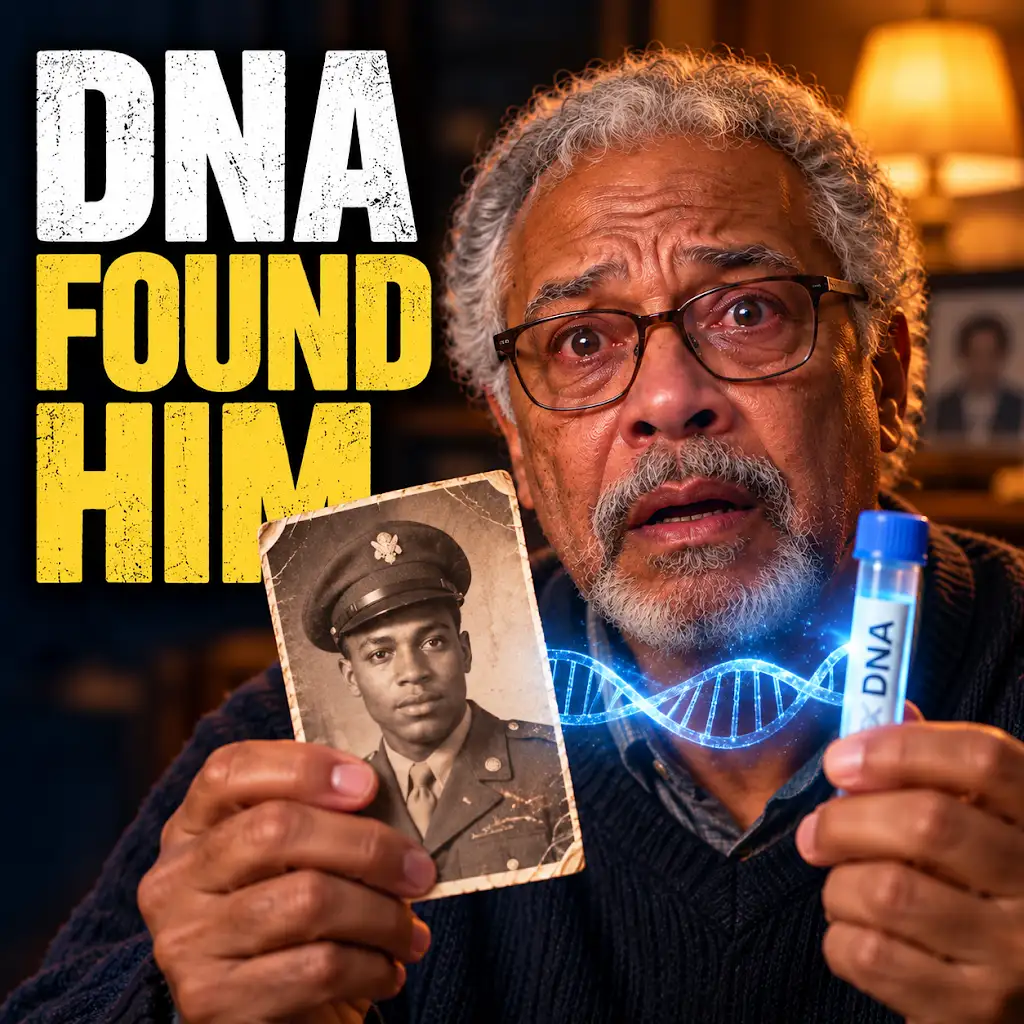
His WWII GI Father Was a Mystery for Nearly 80 Years
FAQs
What is DNA genealogy?
DNA genealogy is the use of genetic testing to trace an individual’s ancestry and genealogical relationships. It involves analyzing an individual’s DNA to determine their ethnic origins and potential relatives.
How can DNA genealogy be used in military records research?
DNA genealogy can be used in military records research to help identify unknown soldiers, confirm relationships between individuals, and trace ancestral lines of military personnel. It can also be used to connect living descendants with their military ancestors.
What types of military records can be accessed for genealogical research?
Military records that can be accessed for genealogical research include service records, pension records, muster rolls, and casualty reports. These records can provide valuable information about an individual’s military service, including dates of enlistment, battles fought in, and injuries sustained.
How accurate is DNA genealogy in tracing military ancestry?
DNA genealogy can be a valuable tool in tracing military ancestry, but its accuracy depends on various factors such as the quality of the DNA sample, the size of the DNA database being compared to, and the availability of historical records to corroborate the genetic findings. It is important to use DNA genealogy in conjunction with traditional genealogical research methods for the most accurate results.
Are there any privacy concerns with using DNA genealogy for military records research?
There can be privacy concerns with using DNA genealogy for military records research, as genetic information is sensitive and can reveal unexpected family relationships or health information. It is important to carefully consider the privacy policies of the DNA testing company being used and to obtain informed consent from living relatives before sharing their genetic information for military records research.