The shadows of November 4, 1979, fell long and dark over Iran, marking the beginning of a crisis that would grip the world and test the resolve of a superpower. The seizure of the American Embassy in Tehran by a group of Iranian students, ostensibly protesting American support for the Shah, plunged the United States into a protracted diplomatic and psychological ordeal. The 444 days that followed were characterized by intense negotiations, public outcry, and a desperate search for a resolution. Amidst the fervor and the intricate dance of international diplomacy, the role of military assets, particularly the ubiquitous Lockheed C-130 Hercules transport aircraft, in the hypothetical, and later actual, rescue and evacuation scenarios, warrants a deeper examination. While the ultimate resolution of the hostage crisis was achieved through diplomatic channels, the planning and consideration of military intervention, in which the C-130 would have been a linchpin, reveals crucial aspects of contingency planning and the capabilities of the U.S. Air Force. This exploration delves into the capabilities of the C-130, its potential deployment in a rescue mission, and the broader implications of such military considerations during the crisis.
The Unsung Hero: C-130 Hercules Capabilities
The Lockheed C-130 Hercules is more than just an aircraft; it is a legend in military aviation. For decades, it has served as the workhorse of air forces worldwide, its rugged design and versatility making it indispensable for a myriad of missions. Its ability to operate from short, unimproved airstrips, its substantial payload capacity, and its robust construction have cemented its reputation as a reliable and adaptable platform. During the Iran hostage crisis, the C-130 would have been the primary choice for any large-scale troop insertion or extraction operation. Its tactical airlift capabilities meant it could deliver troops and equipment directly into or out of contested areas, a critical factor when considering a high-risk rescue mission deep within Iranian territory. The aircraft’s considerable cargo hold could accommodate personnel, vehicles, weapons, and essential supplies, enabling a self-sufficient operation if required. Furthermore, its extended range, especially with aerial refueling, allowed for operations across vast distances, a necessary consideration given the geography of Iran. The C-130’s inherent simplicity in design and maintenance also contributed to its reliability, a crucial factor in demanding and often austere environments. The availability of numerous C-130 variants, each with specific modifications for different roles such as electronic warfare, reconnaissance, or special operations, further enhanced its potential utility in a complex rescue scenario.
Adaptability for Diverse Missions
The C-130 Hercules is renowned for its adaptability, a quality that would have been paramount in the context of the Iran hostage crisis. Its modular design allows for rapid reconfiguration to suit a wide range of mission profiles. For a potential hostage rescue, this could translate to configurations optimized for troop transport, medical evacuation, or even the deployment of specialized equipment. The standard cargo variant, capable of carrying dozens of paratroopers or a significant volume of supplies, would have been the baseline for troop movement. However, specialized variants like the MC-130 Combat Talon, designed for clandestine special operations, could have been crucial for inserting and extracting small, highly trained teams. These aircraft are equipped with advanced navigation systems, terrain-following radar, and specialized communication equipment, enabling operations in hostile airspace under the cover of darkness or adverse weather conditions. The ability to modify the C-130’s internal configuration to accommodate stretchers for wounded hostages or crew members further underscored its value in a rescue mission where humanitarian considerations would have been paramount. The inherent robustness of the C-130 airframe also meant it could withstand the rigors of operating in potentially contested airspace, absorbing minor damage and continuing its mission.
Payload and Range: Essential for Extrication
The core strengths of the C-130 lie in its substantial payload capacity and respectable range, both critical factors for any large-scale rescue or evacuation effort. A single C-130 can carry a significant number of personnel, allowing for the rapid extraction of multiple hostages in a single sortie. This was a crucial consideration in the planning stages of any potential rescue, as the sheer number of individuals needing to be safely extricated from a hostile environment would have been a significant logistical challenge. Beyond personnel, the C-130 could also transport vital equipment, such as medical supplies, security forces’ gear, and even light vehicles, ensuring that any rescue team would be adequately equipped for the mission. The aircraft’s range, particularly when augmented by aerial refueling, meant that it could operate from bases far from Iran, reducing the risk of detection and providing a wider operational envelope. This extended reach was essential for planning ingress and egress routes that minimized exposure to Iranian air defenses and maximized the element of surprise. The ability to conduct deep penetration missions, potentially landing at remote airfields or even performing low-altitude drops, further highlighted the C-130’s suitability for such a high-stakes operation.
The Iran Hostage Crisis, which began in 1979, was a pivotal moment in U.S.-Iran relations and had significant implications for American foreign policy. A related article that delves into the military operations during this period, including the use of the C-130 aircraft, can provide further insights into the complexities of the crisis. For more information, you can read the article here: Iran Hostage Crisis and the Role of C-130 Aircraft.
The Specter of Desert One: A Failed Precedent
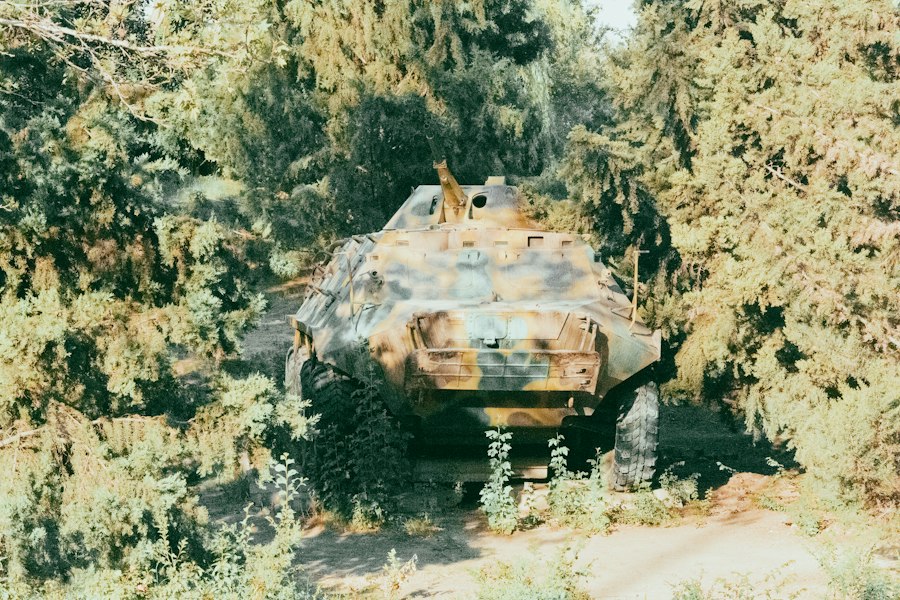
The disastrous Operation Eagle Claw, the attempted rescue of the American hostages in April 1980, stands as a stark reminder of the immense challenges inherent in such a clandestine military operation. While not a C-130 mission for the primary insertion of the rescue force, the C-130 was intended to play a significant role in the overall operation, specifically in transporting additional troops and equipment to a forward staging area in the Iranian desert. The failure of Eagle Claw, attributed to a confluence of mechanical failures, navigational errors, and critical communication breakdowns, underscored the complexities of planning and executing a rescue mission in a foreign, potentially hostile, environment. The aborted mission, which resulted in the tragic loss of eight American servicemen and the destruction of two aircraft (a RH-53D Sea Stallion helicopter and an EC-130E Hercules), served as a profound lesson for the U.S. military. It exposed vulnerabilities in intelligence gathering, logistical support, and the coordination of diverse military assets under immense pressure. The C-130’s role in the intended follow-on force in Desert One, though never fully realized, highlights its considered importance as a logistical backbone even in operations dominated by helicopters for the initial assault. The aftermath of Desert One led to a comprehensive re-evaluation of U.S. special operations capabilities and the establishment of a dedicated joint special operations command, underscoring the impact of this failed attempt on future contingency planning.
Operational Challenges and Tactical Pitfalls
Operation Eagle Claw was plagued by a series of operational challenges and tactical pitfalls that ultimately led to its catastrophic failure. The mission relied on a complex, multi-stage approach involving helicopters for the initial insertion of the rescue force and fixed-wing aircraft, including C-130s, for subsequent support. The arid and unpredictable desert environment of Iran presented significant navigational difficulties for the helicopters, leading to disorientation and delays. The limited visibility caused by sandstorms further exacerbated these issues. A critical mechanical failure in one of the helicopters immediately compromised the mission’s integrity, forcing a difficult decision to abort. The subsequent collision between a helicopter and a C-130 during the attempted evacuation of personnel from the staging area was a tragic culmination of the mission’s unraveling. The lack of sufficient intelligence regarding the terrain, potential Iranian responses, and the precise location and number of hostages also contributed to the planning deficiencies. The reliance on a large number of helicopters, each with its own maintenance and operational complexities, introduced numerous points of failure that proved to be insurmountable. The tactical plan itself, while ambitious, was perhaps overly reliant on perfect execution across multiple, interdependent phases.
Lessons Learned and Reorganization
The profound failure of Operation Eagle Claw triggered a period of introspection and significant reorganization within the U.S. military, particularly concerning special operations. The immediate aftermath saw the disbandment of the Joint Special Operations Task Force that planned and executed the mission. More importantly, it led to the establishment of the U.S. Special Operations Command (USSOCOM) in 1987, a unified command responsible for overseeing all special operations forces across the various branches of the U.S. military. This restructuring aimed to improve inter-service cooperation, streamline command and control, and centralize training and resource allocation for special operations. The lessons learned from Eagle Claw also emphasized the critical importance of robust intelligence gathering, meticulous mission planning, and the development of specialized equipment and training for hostage rescue operations. The need for redundant systems, contingency planning for failures, and rigorous joint training exercises became paramount. The emphasis shifted towards more adaptable and flexible operational designs that could withstand unexpected challenges and maintain mission effectiveness even when faced with setbacks. The failure served as a powerful catalyst for developing more sophisticated approaches to unconventional warfare and crisis response.
Hypothetical C-130 Role in a Successful Rescue
While Operation Eagle Claw was ultimately unsuccessful, the planning and consideration of the C-130’s role in various rescue scenarios during the hostage crisis offer insights into its hypothetical contribution to a successful operation. The C-130 Hercules, with its versatility and capacity, was an integral component in numerous conceptual plans for extracting the hostages. Its ability to operate from austere airfields meant it could potentially land at remote locations within Iran, facilitating the rapid deployment of specialized rescue teams or the direct extraction of hostages, minimizing their exposure to further danger. The C-130’s cargo hold could accommodate not only personnel but also essential equipment like medical supplies, communication gear, and potentially even specialized vehicles for ground support. In a scenario where the hostages were moved to a more accessible location, a C-130 could have served as a rapid evacuation platform, airlifting them to safety. The possibility of utilizing MC-130 variants for clandestine insertion and extraction of small, highly trained units also remained a viable option. The key would have been the seamless integration of the C-130’s capabilities with other assets, such as helicopters for initial access or ground forces for securing a landing zone.
Strategic Airlift and Insertion Capabilities
The strategic airlift capabilities of the C-130 Hercules would have been instrumental in any successful rescue attempt. Its ability to transport large numbers of personnel and equipment over long distances meant it could project power into Iran from bases outside the immediate vicinity, thereby reducing the risk of pre-emptive detection by Iranian forces. For the insertion of a rescue force, the C-130 could have been used to deploy troops and equipment to a forward operating base within Iran, from which smaller, more agile helicopters or vehicles could have then carried the assault teams to the embassy. Alternatively, in scenarios where a suitable airfield was secured or identified, the C-130 could have landed directly, allowing for a rapid deployment of a larger rescue contingent. The ability to carry specialized gear, such as night vision equipment, breaching tools, and medical kits, would have been crucial for the success of the rescue teams. The inherent ruggedness of the C-130 allowed it to operate from less-than-ideal landing surfaces, expanding the potential operational footprint within Iran.
Evacuation and Humanitarian Support
Beyond insertion, the C-130’s role in the evacuation of hostages would have been equally critical. Once the hostages were secured, the C-130 could have provided a rapid and efficient means of transporting them to safety. Its substantial capacity would have allowed for the simultaneous evacuation of a significant number of individuals, reducing the overall time spent in a potentially vulnerable state. The interior of the C-130 could be easily configured to accommodate stretchers for any injured hostages or members of the rescue team, ensuring immediate medical attention during transit. The aircraft’s ability to fly at higher altitudes and speeds compared to helicopters would have offered a quicker and more comfortable journey to a secure location. Furthermore, the C-130 could have been used to ferry essential humanitarian supplies to the hostages, such as food, water, and medical aid, both during the planning stages of a rescue and in the immediate aftermath to provide support. The reliable nature of the C-130 ensured that it could undertake these critical evacuation missions without the same level of mechanical risk associated with helicopters operating in austere environments.
The Political and Diplomatic Calculus
The decision to consider military intervention, however unlikely it may have seemed at times, was always a significant factor in the diplomatic calculus surrounding the Iran hostage crisis. The presence of American hostages in a hostile foreign capital presented a profound challenge to the United States’ international standing and its perceived ability to protect its citizens. The consideration of military options, even if ultimately not pursued to the extent of an armed rescue, served as a powerful signaling mechanism to both Iran and the international community. It demonstrated that the U.S. government was prepared to explore all avenues to resolve the crisis. The protracted nature of the crisis and the perceived inaction or slow progress in diplomatic negotiations fueled public pressure for more decisive action, including military intervention. However, the inherent risks associated with such actions, including the potential for escalation, further loss of life, and damage to diplomatic relations, necessitated a delicate balancing act. The C-130, as a symbol of military capability, played a role in these strategic considerations, representing the potential for swift and decisive action.
Public Pressure and Presidential Decisions
The prolonged captivity of the American hostages generated immense public pressure on the U.S. government and President Jimmy Carter. Images of chanting crowds in Tehran and the daily uncertainty surrounding the hostages’ fate fueled a sense of national outrage and a demand for action. This public sentiment often translated into pressure for more assertive responses, including the consideration of military options. President Carter, faced with a deeply unpopular crisis, found himself balancing the desire to secure the hostages’ release with the immense risks associated with any military intervention. The media played a significant role in shaping public opinion, broadcasting the daily developments and amplifying the emotional toll of the crisis. The administration conducted extensive internal reviews of various rescue scenarios, with military planners invariably presenting options that heavily relied on assets like the C-130 for their logistical and operational capabilities. The decision-making process was a complex interplay of diplomatic efforts, intelligence assessments, military advice, and the ever-present weight of public opinion.
The Threat of Force as a Diplomatic Tool
While the ultimate resolution of the Iran hostage crisis was achieved through diplomatic negotiations, the underlying threat of military force undoubtedly played a role in the overall strategic calculus. The U.S. military’s preparedness for potential rescue operations, even if never fully executed, served as a credible deterrent and a source of leverage in the diplomatic arena. The knowledge that the United States possessed the capability to launch a rescue mission, however risky, may have influenced the Iranian government’s calculations and potentially incentivized them to engage more seriously in negotiations. The meticulous planning and consideration of assets like the C-130 demonstrated a willingness to employ all available tools, including the threat of force, to achieve a resolution. This was a classic example of “coercive diplomacy,” where the threat of military action is used to compel an adversary to change its behavior or make concessions. However, the fine line between credible threat and the actual initiation of hostilities was always a delicate one, with the potential for unintended consequences and escalation being a constant concern for policymakers.
The Iran Hostage Crisis remains a pivotal moment in U.S. history, marked by the harrowing experiences of American diplomats and citizens held captive for 444 days. A related article discusses the role of the C-130 aircraft in various military operations, highlighting its significance during this tumultuous period. For those interested in understanding the broader context of military aviation and its impact on international crises, this article provides valuable insights. You can read more about it in this detailed exploration of the C-130’s contributions to military strategy.
The Long Shadow of Contingency Planning
| Metric | Value | Description |
|---|---|---|
| Operation Name | Operation Credible Sport | US military plan to rescue hostages during the Iran Hostage Crisis |
| Aircraft Used | C-130 Hercules | Modified transport aircraft for short takeoff and landing |
| Number of Aircraft Modified | 2 | Two C-130s were specially modified for the mission |
| Modification Features | Rocket-assisted takeoff and landing | Equipped with rockets to enable very short runway operations |
| Mission Outcome | Aborted | Operation was canceled after a crash during testing |
| Test Flight Incident | Crash on 29 November 1980 | One modified C-130 crashed during a test landing |
| Hostage Crisis Duration | 444 days | Duration of the Iran Hostage Crisis from 1979 to 1981 |
| Hostages Rescued | 0 (via Credible Sport) | Hostages were eventually released after diplomatic efforts |
The Iran hostage crisis, despite its eventual diplomatic resolution, left an indelible mark on American foreign policy and military planning. The lessons learned from the prolonged ordeal, particularly from the aborted Operation Eagle Claw, spurred a significant re-evaluation of U.S. capabilities in hostage rescue and unconventional warfare. The emphasis on developing highly specialized units, improving intelligence gathering, and enhancing joint operational planning became a cornerstone of modern military strategy. The C-130 Hercules, as a symbol of reliable and versatile military transport, remained a critical component in the contingency planning for a wide array of scenarios. Its ability to adapt to diverse mission requirements, from troop insertion and extraction to humanitarian aid delivery, ensured its continued relevance in the U.S. Air Force’s arsenal. The crisis underscored the importance of preparedness, the delicate balance between diplomatic and military solutions, and the enduring role of robust logistical support in the success of any complex operation. The shadow of the Iran hostage crisis continues to inform strategic thinking, reminding decision-makers of the multifaceted challenges inherent in international crises and the importance of having credible capabilities, both diplomatic and military, at the ready.
Evolving Special Operations Doctrine
The Iran hostage crisis served as a catalyst for the evolution of U.S. special operations doctrine. The failures and near-successes of Operation Eagle Claw highlighted the need for a more integrated and sophisticated approach to unconventional warfare. This led to increased investment in specialized training, advanced technology, and the development of specialized units capable of conducting high-risk missions. The establishment of USSOCOM was a direct consequence, creating a unified command structure that fostered better coordination and resource allocation for special operations forces. The doctrine shifted towards a greater emphasis on intelligence-driven operations, precision insertion and extraction techniques, and the ability to operate effectively in denied or permissive environments. The C-130, through its various special operations variants, became an indispensable platform for these evolving doctrines, providing the logistical backbone and operational flexibility required for complex clandestine missions. The lessons learned from the crisis continue to shape how special operations forces are trained, equipped, and deployed around the world.
The Enduring Legacy of Preparedness
The enduring legacy of the Iran hostage crisis lies in its profound impact on American preparedness for future contingencies. The crisis underscored the importance of having a range of response options, from diplomatic engagement to the credible threat and potential application of military force. It highlighted the necessity of robust intelligence gathering, meticulous mission planning, and the seamless integration of diverse military assets. The C-130 Hercules, with its proven reliability and adaptability, continues to be a vital component in this preparedness framework. Its role in hypothetical rescue scenarios during the crisis serves as a reminder of the critical importance of air mobility and logistical support in any large-scale operation. The lessons learned continue to inform military planning, ensuring that the United States is better equipped to respond to future crises, protect its citizens abroad, and uphold its national interests in an ever-changing global landscape. The crisis stands as a somber testament to the complexities of international relations and the indispensable role of well-prepared military capabilities.
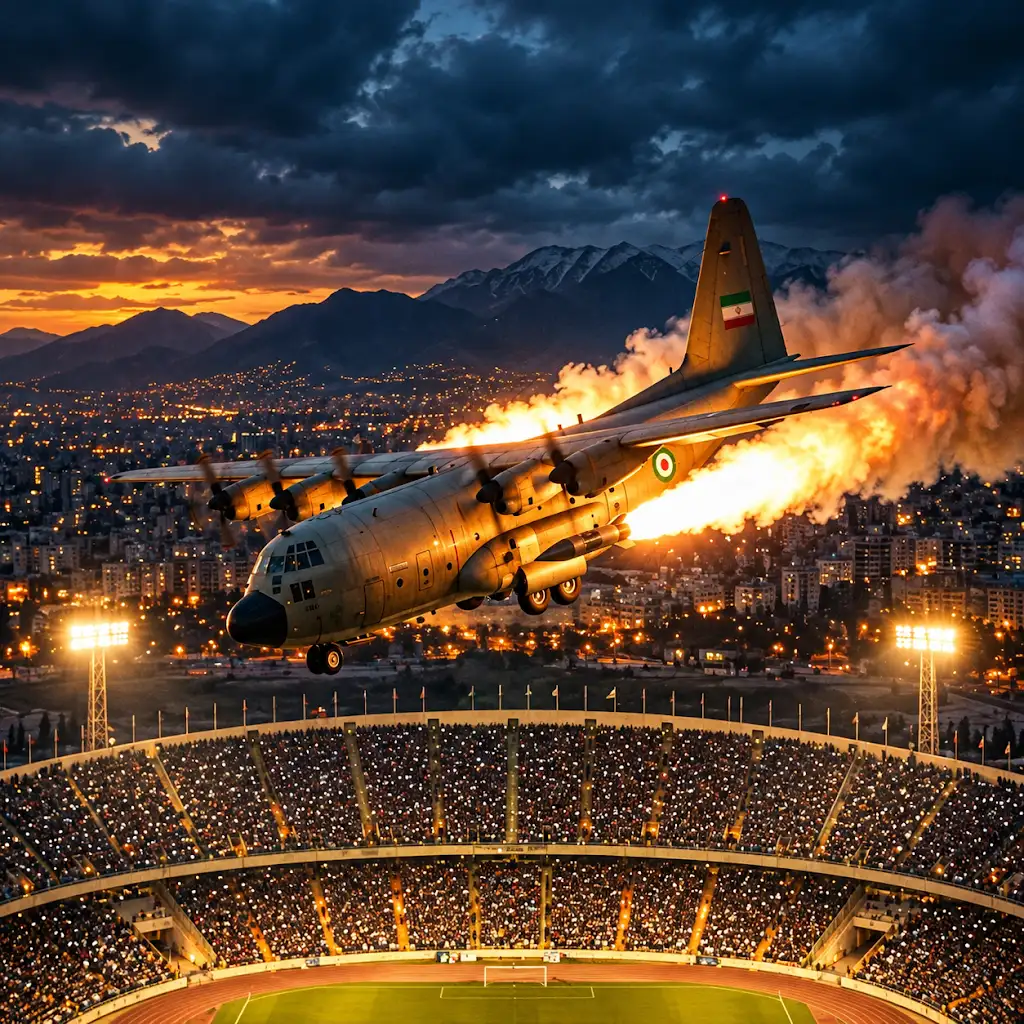
The Secret Plane Built to Land Inside a Stadium
FAQs
What was the Iran Hostage Crisis?
The Iran Hostage Crisis was a diplomatic standoff between Iran and the United States that lasted from November 4, 1979, to January 20, 1981. It involved the seizure of the U.S. Embassy in Tehran by Iranian students, who held 52 American diplomats and citizens hostage for 444 days.
How did the C-130 aircraft play a role in the Iran Hostage Crisis?
The C-130 aircraft was used in a failed rescue attempt known as Operation Eagle Claw during the Iran Hostage Crisis. On April 24, 1980, a group of U.S. special forces attempted to rescue the hostages using C-130 transport planes, but the mission was aborted due to mechanical failures and a helicopter crash in the Iranian desert.
What is a credible source for information about the Iran Hostage Crisis and the C-130’s involvement?
A credible source for information about the Iran Hostage Crisis and the C-130’s involvement would be historical accounts from reputable sources such as government reports, academic studies, and books written by experts on the subject. Official documents and testimonies from individuals involved in the events are also reliable sources of information.
How did the Iran Hostage Crisis impact U.S.-Iran relations?
The Iran Hostage Crisis severely strained relations between the United States and Iran. The crisis led to the severing of diplomatic ties, economic sanctions, and a deep sense of mistrust between the two countries that continues to influence their relationship to this day.
Was the C-130 aircraft used in any other significant military operations besides the Iran Hostage Crisis?
Yes, the C-130 aircraft has been used in various significant military operations around the world. It is a versatile and reliable transport plane that has been utilized for a wide range of missions, including airlift, air assault, medical evacuation, and humanitarian aid operations in different conflicts and emergencies.