The year 1944 dawned with a grim and familiar specter hanging over the Western Front: the relentless grinding of trench warfare, a mirror of the horrors that had defined the conflict a generation prior. Yet, beneath the surface of the static lines and the constant threat of artillery, a profound crisis was brewing within Western Front Command. It was a crisis not of outright defeat, but of strategic paralysis, of miscommunication, and of a growing disconnect between the high command and the grim realities faced by the soldiers in the mud. This was a period where the very foundation of Allied strategy was being tested, not solely by the enemy’s formidable defenses, but by the internal struggles of those tasked with orchestrating victory.
The Western Front in early 1944 was a testament to the brutal efficacy of defensive warfare. After the initial Allied advances following D-Day, the front had largely solidified, transforming into a labyrinth of trenches, minefields, and pillboxes stretching across France and Belgium. The German forces, though increasingly strained and facing immense pressure on the Eastern Front, had managed to establish a formidable defensive network, leveraging the terrain and their considerable engineering expertise. This wasn’t the fluid warfare of the Blitzkrieg era; it was a war of attrition, where incremental gains were measured in yards, and the cost in blood was astronomically high.
The Lingering Ghosts of the Somme and Verdun
For many of the senior Allied commanders, the memory of the First World War loomed large. The specter of battles like the Somme and Verdun, where massive offensives had resulted in catastrophic casualties with little strategic gain, cast a long shadow. There was a palpable fear of repeating those costly mistakes, a fear that, while understandable, could also breed caution bordering on timidity. This psychological burden influenced strategic decision-making, leading to a preference for methodical, attritional warfare over more audacious, potentially higher-risk operations.
The Weight of Experience and the Burden of Memory
Generals who had served in the Great War carried the weight of its horrors. They had seen firsthand the devastating impact of artillery barrages and the futility of massed infantry assaults against entrenched positions. This experience, while valuable in understanding the defensive capabilities of the enemy, also fostered a deep-seated reluctance to engage in large-scale frontal assaults that could devolve into the bloody quagmires of the past. This caution, though intended to preserve lives, sometimes translated into a hesitance to seize fleeting opportunities.
The Illusion of Progress: Measured Gains and Mounting Costs
While dispatches might report gains – a captured village, a few miles of territory – the reality on the ground was often far different. These gains were frequently hard-won, bought with the lives of thousands, and often resulted in a new, equally fortified German defensive line. The strategic objective, the complete liberation of Western Europe, seemed as distant as ever, despite the immense resources poured into the war effort. This disconnect between the perceived progress and the actual human cost began to fuel a growing unease within the command structure and, more importantly, among the troops.
The Statistical Mirage: Counting Yards, Ignoring Lives
The metrics of war were often presented in terms of territorial gains, captured enemy equipment, and enemy casualties. While these statistics could paint a picture of an ongoing Allied offensive, they often failed to adequately convey the sheer human cost. For every yard gained, there was a corresponding price paid in blood, a fact that became increasingly difficult to reconcile with the seemingly static nature of the front. This created a statistical mirage, where progress appeared more significant on paper than it felt in the trenches.
The Western Front command crisis of 1944 was a pivotal moment in World War II, highlighting the challenges faced by Allied leaders in coordinating their efforts against the Axis powers. For a deeper understanding of the complexities surrounding this crisis, you can explore a related article that delves into the strategic decisions and military dynamics of the time. To read more, visit this article for an insightful analysis.
Strategic Discord: Divergent Visions for the Path to Victory
The apparent stalemate was not merely a product of German defenses; it was also a symptom of deeper strategic disagreements within Western Front Command. Different generals, with varying experiences and operational philosophies, held competing visions for how to break the deadlock and achieve ultimate victory. These disagreements, often stemming from legitimate strategic considerations, created friction and hampered the development of a unified, decisive plan.
The Atlantic vs. The Continentalists: A Debate on Priorities
A significant point of contention revolved around the balance of power and resources between the ongoing war in the Atlantic and the land war in Europe. Some factions argued for a decisive land offensive to liberate Europe as quickly as possible, believing that a prolonged war would only further deplete resources and prolong suffering. Others, while acknowledging the importance of the European theater, also emphasized the critical need to maintain naval supremacy and counter the U-boat threat, which they saw as a persistent existential danger.
The Naval Imperative: Securing the Lifelines
The Battle of the Atlantic was far from over in 1944. The continuous flow of men, materiel, and supplies from North America to Europe was the lifeblood of the Allied war effort. Generals who prioritized the continental campaign often found themselves clashing with naval strategists who stressed the importance of maintaining absolute control of the sea lanes. The fear of renewed U-boat offensivity, capable of strangling the Allied supply chain, was a constant concern that necessitated significant resource allocation.
The Role of Air Power: Strategic Bombing vs. Close Air Support
The utilization of Allied air superiority was another area of intense debate. While the strategic bombing campaign against German industrial centers and infrastructure was ongoing, its effectiveness in directly impacting the ground war was questioned by some. These commanders advocated for a greater focus on close air support for ground troops, arguing that air power could be more effectively employed in directly breaking enemy defenses and providing tactical advantages to the infantry engaged in the trenches.
Bombing the Heartland: Strategic Aims and Collateral Damage
The bombing of German cities and industrial targets, while inflicting significant damage, also raised ethical questions and generated considerable propaganda fodder for the enemy. Commanders on the ground, witnessing the immense casualties of their own forces, sometimes questioned the prioritization of bombing distant targets over providing immediate support for their troops. This led to a continuous debate about the optimal deployment of the vast Allied air forces.
Operational Frustration: The Gap Between Plan and Execution
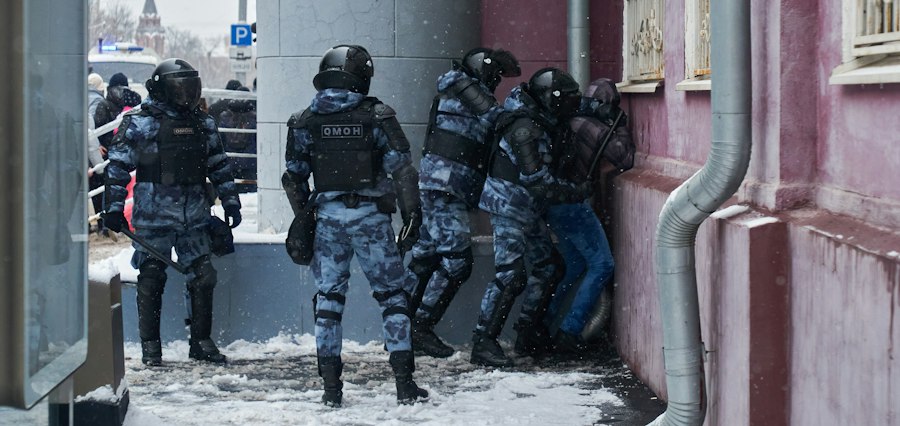
Even when a strategy was agreed upon, its execution on the ground often revealed significant challenges. The vastness of the front, the complexities of coordinating multi-national forces, and the sheer unpredictability of warfare created an immense gap between the carefully crafted plans drawn up in headquarters and the chaotic reality faced by the soldiers. This operational friction contributed significantly to the sense of crisis.
The Fog of War: Communication Breakdown and Misinformation
The communication systems of the era, while advanced for their time, were still prone to delays, interference, and outright failure. This meant that crucial intelligence could be slow to reach the front lines, and orders could be misinterpreted or arrive too late to be acted upon effectively. The “fog of war,” a timeless phenomenon, was amplified by the scale and complexity of the Western Front.
Static Lines and Intermittent Signals: The Challenge of Real-Time Coordination
Maintaining constant and reliable communication across the sprawling, often featureless terrain of the Western Front was a Herculean task. Static lines were vulnerable to artillery fire and weather, while radio communication could be jammed or intercepted. This meant that commanders often operated with outdated information, making decisive, real-time adjustments to their plans incredibly difficult.
The Logistics Labyrinth: Fueling the Offensive Engine
The Allied offensive was an immense logistical undertaking. Supplying vast armies with food, ammunition, fuel, and reinforcements across a damaged infrastructure was a constant challenge. Any disruption to this intricate supply chain could have devastating consequences for operations on the ground, leading to units being held back or forced to retreat due to lack of essential resources.
The Scars of Occupation: Damaged Infrastructure and Guerrilla Warfare
The retreating German forces had, in many instances, systematically destroyed bridges, railways, and roads. The Allied advance meant not only fighting the enemy but also rebuilding the very infrastructure needed to sustain the fight. Furthermore, pockets of German resistance and partisan activity often threatened supply lines, adding another layer of complexity to the already strained logistical network.
Personnel and Leadership: The Human Element in Crisis

Beyond strategic and operational challenges, the human element within Western Front Command was also a significant factor in the prevailing crisis. The quality of leadership, the morale of the troops, and the effectiveness of command and control structures all played a crucial role in the war effort.
The Generational Divide: Old Guard vs. Young Turks
A noticeable generational divide existed within the officer corps. The older generation of generals, often seasoned veterans of World War I, brought a wealth of experience but could also be perceived as overly cautious. In contrast, a younger generation of officers, who had risen through the ranks during the interwar period and had experienced the early successes of the war, often advocated for more aggressive, innovative tactics. This divergence in perspective could lead to friction and a lack of cohesion at the highest levels.
The Burden of Command: Experience vs. Innovation
The older commanders, shaped by the brutal lessons of the past, often approached warfare with a meticulous, methodical mindset. While this instilled a sense of discipline and order, it could also stifle the kind of bold, imaginative thinking required to break a protracted stalemate. The younger officers, eager to prove themselves and armed with new technologies and tactics, sometimes chafed under this perceived conservatism.
Morale and Motivation: The Grinding Toll on the Troops
The constant exposure to combat, the heavy casualties, and the apparent lack of decisive progress had a significant impact on the morale of the Allied troops. While their bravery and resilience were undeniable, the psychological toll of protracted trench warfare was immense. Maintaining their motivation and fighting spirit became a critical concern for commanders.
The Mud, the Blood, and the Endless Wait: A Test of Endurance
For the ordinary soldier, the war was a daily grind of fear, discomfort, and uncertainty. The mud, the constant threat of artillery, and the gnawing anticipation of the next offensive wore down even the most hardened individuals. The lack of clear progress and the high casualty rates contributed to a sense of futility that commanders struggled to counteract.
The Western Front command crisis of 1944 was a pivotal moment in World War II, as it highlighted the challenges faced by Allied leaders in coordinating their efforts against the Axis powers. This period of turmoil not only affected military strategies but also had lasting implications for the overall war effort. For a deeper understanding of the complexities involved during this time, you can read more in this insightful article on the topic. The analysis provides a comprehensive overview of the decisions made and their consequences, shedding light on the intricacies of command dynamics. For further details, visit this article.
The Path Forward: Reassessing and Realigning for the Final Push
| Metric | Details |
|---|---|
| Time Period | June – August 1944 |
| Location | Western Front, Europe |
| Main Issue | Command crisis following the Normandy breakout |
| Key Commanders Involved | General Dwight D. Eisenhower, General Omar Bradley, General George S. Patton, Field Marshal Bernard Montgomery |
| Cause of Crisis | Disputes over command authority and operational control of advancing Allied forces |
| Impact on Operations | Temporary delays in coordination and advance towards Germany |
| Resolution | Reorganization of command structure under Eisenhower’s Supreme Headquarters Allied Expeditionary Force (SHAEF) |
| Significance | Ensured unified Allied command and successful push into German territory |
The crisis at Western Front Command in 1944 was not a singular event but a confluence of interconnected challenges. It demanded a period of introspection, reassessment, and ultimately, a realignment of strategy and operational priorities. The ultimate victory would hinge on the ability of the command to overcome these internal struggles and adapt to the evolving nature of the conflict.
The Imperative of Adaptability: Embracing New Tactics and Technologies
To break the deadlock, Western Front Command had to embrace new tactics and leverage the technological superiority that the Allies possessed. This meant moving beyond the attritional warfare of the past and exploring more dynamic, combined-arms operations that integrated infantry, armor, and air power in a coordinated manner.
The Dawn of Combined Arms Warfare: A Symphony of Destruction
The true potential of Allied military might lay in the synergistic application of its various components. The development of more sophisticated artillery coordination, the increased effectiveness of tanks in supporting infantry assaults, and the precision of air power began to coalesce into a potent force. The challenge was to ensure that these elements worked in concert, rather than in isolation.
Reasserting Strategic Clarity: A Unified Vision for Liberation
Ultimately, overcoming the crisis required a clear, unified strategic vision. This meant resolving the internal disagreements, prioritizing objectives, and ensuring that all elements of the command were working towards a common goal. The liberation of Western Europe was a monumental task, and it demanded a leadership capable of articulating that vision and inspiring the troops to achieve it. The year 1944, with its internal struggles and its immense potential for change, was a pivotal moment in that long and arduous journey. The crisis, though significant, ultimately served as a catalyst for the strategic evolution that would pave the way for eventual victory.

Eisenhower Gave Montgomery 2 U.S. Armies—Then He Wanted More
FAQs
What was the Western Front command crisis in 1944?
The Western Front command crisis in 1944 refers to the leadership struggle between General Dwight D. Eisenhower and General Bernard Montgomery during World War II.
Who were the key figures involved in the Western Front command crisis?
The key figures involved in the Western Front command crisis were General Dwight D. Eisenhower, the Supreme Commander of the Allied Expeditionary Force, and General Bernard Montgomery, the commander of the British 21st Army Group.
What were the main reasons behind the Western Front command crisis?
The main reasons behind the Western Front command crisis were disagreements over strategy, tactics, and the allocation of resources between General Eisenhower and General Montgomery.
How was the Western Front command crisis resolved?
The Western Front command crisis was resolved through diplomatic efforts by senior military and political leaders, including British Prime Minister Winston Churchill and US President Franklin D. Roosevelt, who intervened to mediate the dispute and maintain unity among the Allied forces.
What impact did the Western Front command crisis have on the outcome of World War II?
The Western Front command crisis did not significantly impact the outcome of World War II, as the Allies were able to overcome their differences and maintain a unified front against the Axis powers, ultimately leading to the liberation of Western Europe.