The Shadow of War and the Light of Connection
The Second World War was a cataclysm that reshaped continents, toppled empires, and irrevocably altered the course of human history. Amidst the thunder of artillery and the pervasive fear of conflict, a different kind of narrative unfolded, one of resilience, unexpected connections, and love that dared to bloom in the most unlikely of circumstances. For many of the millions of servicemen who traversed the globe, particularly for American soldiers stationed in foreign lands, the war presented not only a theater of operations but also an introduction to diverse cultures and peoples. These encounters, often fraught with the tensions of occupation and the prejudices of the time, sometimes transcended societal divides, leading to profound personal relationships, including those between soldiers and local women, and occasionally, these relationships crossed racial lines.
The prevailing social norms of the era, particularly in the United States, were heavily segregated. The concept of interracial relationships was largely taboo, met with widespread disapproval, legal restrictions in many states, and deep-seated prejudice. Yet, the sheer scale of global movement during the war, the intimate proximity of different populations, and the shared experience of wartime upheaval created fertile ground for these societal barriers to be tested, and in some instances, broken. These unions, often formed under difficult conditions, represented a quiet defiance of the established order, a testament to the enduring human capacity for connection and affection, irrespective of race or nationality. Understanding these relationships requires an examination of the specific contexts in which they occurred, the challenges faced by the individuals involved, and the lasting impact on their lives and the broader societal landscape.
Interracial relationships during World War II faced significant societal challenges, yet they also represented a form of resistance against prevailing racial norms. For a deeper understanding of this topic, you can explore the article titled “Love Across Boundaries: Interracial Relationships in WWII” which delves into the experiences of couples who defied societal expectations during this tumultuous period. To read more about these compelling stories, visit this article.
Worlds Collide: American Soldiers Abroad
The vast majority of interracial relationships that blossomed during World War II, particularly those involving American servicemen, were with local women in the countries where American forces were stationed. The sheer number of American military personnel deployed overseas meant that interactions with indigenous populations were unavoidable. From the bustling streets of London to the remote villages of the Pacific, American soldiers encountered people whose lives, customs, and appearances differed from their own. These interactions ranged from professional and friendly to romantic and familial.
The European Front: A Different Kind of Engagement
In Europe, American soldiers found themselves in countries with long-standing traditions and established social structures. While racial prejudice certainly existed, the cultural landscape was often more accustomed to interactions between different European nationalities, which, while not directly comparable to racial divides, offered a slightly different societal backdrop than the strictly segregated American South. The presence of American troops, especially in Britain, led to a significant number of relationships. American GIs, often young men far from home and experiencing a sense of camaraderie and shared purpose with their British counterparts, found themselves drawn to the local women. These relationships, while not always overtly racial in their initial formation due to the predominantly white demographic of both groups, laid the groundwork for the possibility of broader connections as interactions with diverse allied forces and local populations increased.
The Pacific Theater: Navigating New Horizons and Deep-Seated Prejudices
The Pacific theater presented a more stark contrast in terms of racial and cultural differences. American soldiers encountered populations in islands like the Philippines, Hawaii (before it became a state), and parts of Asia, where racial lines were deeply etched in the American consciousness. In the Philippines, for instance, where American influence had been present for decades, there was already a degree of interaction and intermingling. However, the prevailing American racial ideology continued to cast a long shadow.
The sheer exposure to different peoples in these regions, coupled with the shared trauma and bonds forged in combat, could sometimes lead to unexpected affections. For soldiers who had grown up in a segregated America, these encounters could be eye-opening, challenging preconceived notions and stereotypes. The “native” populations were often viewed through lenses tinted by colonial attitudes and racial hierarchies that were prevalent in American society at the time. Yet, for some individuals, the human connection proved more powerful than societal conditioning.
The African American Experience: Dual Struggles on Foreign Soil
For African American soldiers, the war presented a complex duality of struggle. They fought for freedom and democracy abroad while simultaneously facing segregation and discrimination at home. Their experiences in foreign lands, particularly in countries with less rigid racial hierarchies than the United States, could offer a glimpse of a different social reality. In some parts of Europe, for example, African American soldiers were treated with less overt racism than they experienced in the American South. This could lead to more open and positive interactions with local populations, fostering friendships and, in some cases, romantic relationships.
However, even in these more liberal environments, the presence of American racial norms often cast a pall. Allied forces, including the British, had their own prejudices, and the American military command often enforced segregationist policies abroad, much to the chagrin of the soldiers themselves and their local acquaintances. Despite these challenges, love stories did emerge, proving that even within the oppressive confines of racial segregation, human hearts could find ways to connect.
Love Amidst Adversity: Challenges and Stigma

Interracial relationships during World War II were not forged in a vacuum. They existed within a societal framework that actively discouraged and often condemned such unions. The individuals involved faced a barrage of challenges, both from within their own communities and from the wider world. The very act of forming an interracial bond was often seen as a transgression, a defiance of deeply ingrained social norms and prejudices.
Societal Disapproval and Family Opposition
For many couples, the primary obstacle was the profound disapproval from their families and the broader society. In the United States, anti-miscegenation laws existed in many states, making interracial marriage illegal. Even where it was not legally prohibited, social ostracization was a significant consequence. Families, fearing shame, scandal, and the judgment of their peers, often refused to acknowledge or support such relationships. This could lead to estrangement, heartbreaking rifts, and immense emotional distress for the couples involved.
Friends and neighbors might whisper, ostracize, or actively campaign against these relationships. The military itself, while sometimes turning a blind eye to individual dalliances, often had policies or an underlying culture that discouraged fraternization, particularly when it crossed racial lines. The idea of a white soldier marrying or forming a lasting relationship with a woman of color was particularly anathema to many in the dominant white society.
Interracial relationships during World War II faced significant societal challenges, yet they also represented a profound shift in cultural norms. Many couples found themselves navigating the complexities of love amidst the backdrop of war and racial tension. For a deeper understanding of this topic, you can explore an insightful article that discusses the experiences of these couples and the impact of the war on their relationships. To read more about this fascinating subject, visit this article which delves into the stories of those who loved across racial lines during a tumultuous time in history.
The Weight of Prejudice: Racial Stereotypes and Discrimination
Racial prejudice was a pervasive force during the war, both within the American military and in the societies it occupied. African Americans, for instance, were frequently subjected to racist caricatures and stereotypes, which often extended to their interactions with women of other races. Similarly, women of color who formed relationships with white American soldiers were often viewed with suspicion and disdain, sometimes accused of opportunism or of being “unnatural” in their affections.
These prejudices were not limited to the United States. While some host countries might have had different social dynamics, racial biases were a global phenomenon, influenced by colonial histories and the prevailing international order. The American military, reflecting the society from which it drew its personnel, often reinforced these biases through its segregationist policies and its officers’ attitudes.
The Bureaucratic Hurdles: Marriage and Separation
The path to marriage for interracial couples was often fraught with bureaucratic and legal obstacles. Anti-miscegenation laws were a significant barrier in many American states. Even if a couple managed to marry in a jurisdiction where it was legal, they might face difficulties in having their marriage recognized elsewhere or in obtaining the necessary paperwork to live together, especially if one partner was a foreign national.
The end of the war brought another set of challenges. Many soldiers were ordered to return home, leaving their fiancées and wives behind. The process for bringing foreign spouses to the United States was often lengthy, complex, and subject to discriminatory immigration policies. These policies, designed to maintain a racial homogeneity, made it incredibly difficult for non-white spouses to immigrate, even when married to American servicemen. This often meant painful separations, long periods of uncertainty, and for many, a permanent parting.
The Seeds of Change: Legacy and Impact
Despite the immense challenges, interracial relationships during World War II left an indelible mark. They were often quiet acts of rebellion, challenging the prevailing racial order and demonstrating the power of human connection to transcend artificial boundaries. The legacy of these relationships is complex, encompassing both the personal triumphs of those who found love and built families and the broader societal shifts they helped to instigate.
Building Families Across Cultures
For many couples, the war was the beginning of a lifelong partnership. They navigated the prejudices of their times to build families, often in the United States, creating new households that were a testament to their love and resilience. These families, comprised of individuals from different racial and cultural backgrounds, were pioneers in a society that was slowly, and often reluctantly, beginning to confront its racial divisions. They provided living examples of the possibility of harmonious coexistence and the richness that diversity could bring.
The children of these unions often grew up in unique environments, navigating multiple cultural identities and facing their own set of challenges and opportunities. Their existence contributed to a gradual broadening of perspectives and a greater understanding of the diverse tapestry of American society.
Challenging the Status Quo
While these relationships did not single-handedly dismantle segregation, they contributed to the slow erosion of racial barriers. Each successful interracial union, each family that defied societal expectations, chipped away at the rigid edifice of racial prejudice. They provided tangible evidence that love and commitment could exist across racial lines, challenging the often-cited justifications for segregation.
The experiences of these couples and their families often found their way into personal narratives, memoirs, and later, scholarly research. These accounts helped to bring to light the human cost of racial discrimination and the quiet courage of those who dared to love across the color line. As the Civil Rights Movement gained momentum in the following decades, the stories of these wartime relationships served as a historical precedent, demonstrating that a more inclusive society was not only possible but had already begun to take root.
A Broader Understanding of Love and Connection
Perhaps the most profound impact of these interracial relationships was the expansion of the understanding of love and human connection. In a world so often defined by division and conflict, these unions stood as powerful symbols of unity and shared humanity. They underscored the idea that love is not bound by race, nationality, or social standing.
The war, in its devastating way, had brought together peoples who might never have otherwise met. In this melting pot of global conflict, personal connections were forged that defied the logic of racial segregation. These relationships, born out of proximity and shared human experience, demonstrated that at the core, individuals sought companionship, understanding, and affection, and that these needs could be met in unexpected places and with unexpected partners. The stories of these couples, though often untold or relegated to the footnotes of history, are vital threads in the larger narrative of human resilience and the enduring, boundless nature of love.
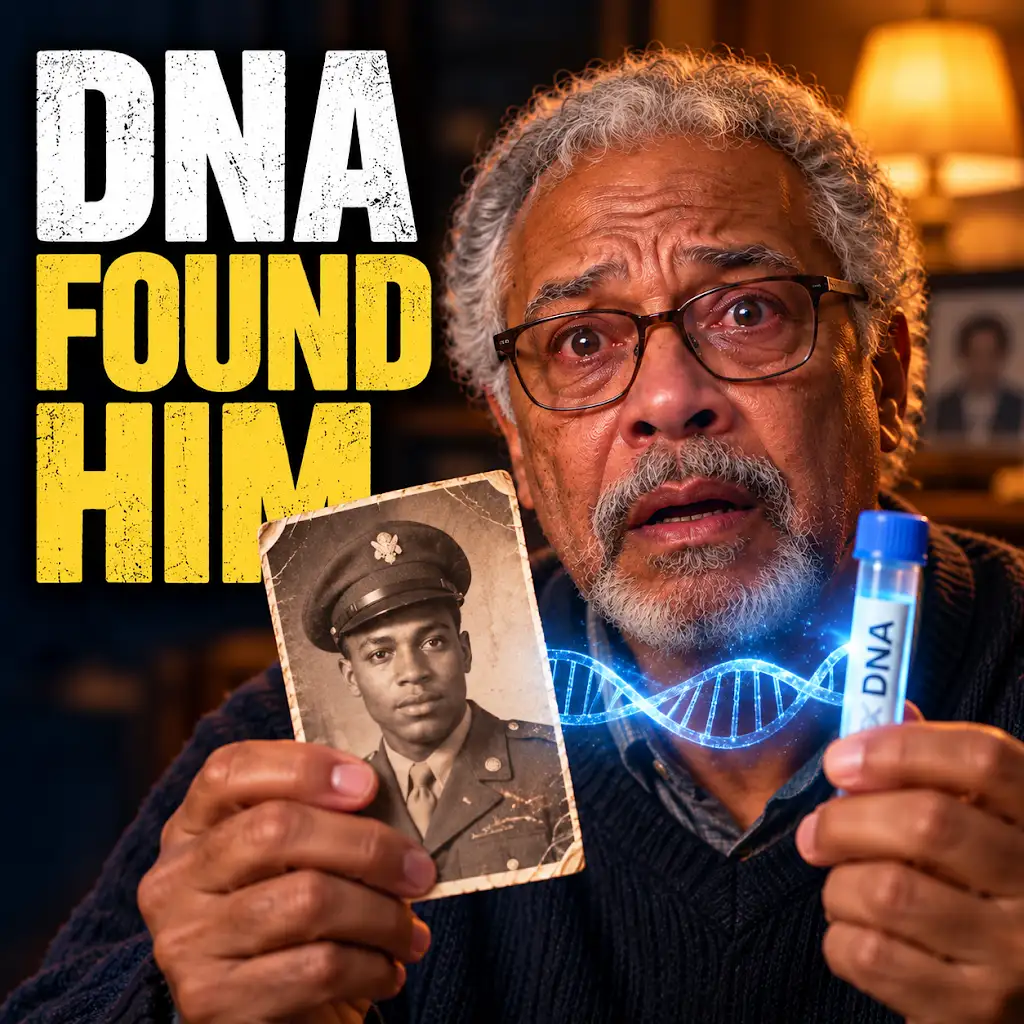
His WWII GI Father Was a Mystery for Nearly 80 Years
FAQs
What were the attitudes towards interracial relationships during World War II?
During World War II, interracial relationships were generally frowned upon and faced significant social stigma. Laws prohibiting interracial marriage were still in place in many parts of the United States.
Were there any instances of interracial relationships during World War II?
Despite the prevailing attitudes, there were instances of interracial relationships during World War II, particularly among soldiers and civilians who interacted closely during the war.
How did interracial relationships during World War II impact society?
Interracial relationships during World War II challenged societal norms and contributed to the gradual shift towards greater acceptance of diversity and equality in the years that followed.
Did the military have any policies regarding interracial relationships during World War II?
The military had strict policies against interracial relationships during World War II, with segregation being enforced in many units. Soldiers who engaged in interracial relationships faced discrimination and punishment.
What role did interracial relationships play in shaping the post-war era?
Interracial relationships during World War II played a role in shaping the post-war era by contributing to the Civil Rights Movement and the eventual dismantling of laws prohibiting interracial marriage in the United States.