The Six-Day War of 1967 remains a watershed moment in modern Middle Eastern history. Its swift and decisive outcome was not a matter of sheer luck or overwhelming military might alone, but a testament to the meticulous and often clandestine efforts of intelligence preparation. Behind the thunder of aircraft and the clatter of tanks lay a complex and relentless pursuit of information, a shadow play of observation, analysis, and foresight. For Israel, the war was a gamble, and intelligence was the bedrock upon which that gamble was built. It was an intricate weave of understanding the enemy, assessing capabilities, anticipating intentions, and preparing the battlefield for a pre-emptive strike.
The Looming Threat: Perceiving the Arab Military Buildup
In the years leading up to 1967, the air in the Middle East was thick with tension. The simmering animosity between Israel and its Arab neighbors had reached a fever pitch. The constant rhetoric of annihilation from Egyptian President Gamal Abdel Nasser, coupled with the significant influx of Soviet military hardware into Egypt and Syria, painted a stark and increasingly ominous picture for Israeli planners. Understanding the scale and nature of this Arab military buildup was paramount, and it became a central focus of Israeli intelligence efforts.
Monitoring Soviet Arms Transfers
A key element of the Arab military advantage, or perceived advantage, was the sophisticated weaponry being supplied by the Soviet Union. Israeli intelligence agencies, most notably Aman (Military Intelligence), dedicated considerable resources to tracking these shipments.
Aerial Reconnaissance and Satellite Imagery
While the age of pervasive satellite surveillance was still nascent, Israel was adept at leveraging available technology. U-2 spy planes, though operating under the shadow of international law and potential detection, provided crucial high-altitude reconnaissance. These flights, often risky and conducted in challenging environments, offered invaluable photographic evidence of airfields, troop concentrations, and new military installations. Later, as capabilities evolved, even early satellite imagery, obtained through various means, began to supplement aerial photography, offering a broader and more consistent overview. The challenge was not just obtaining the images, but also the rapid analysis and dissemination of this sensitive information.
Human Intelligence (HUMINT) Networks
Beyond the technical means, human intelligence played a vital, albeit often unacknowledged, role. Within the Arab military establishments and diplomatic circles, Israeli agents worked to cultivate sources who could provide insights into troop movements, equipment specifications, and strategic intentions. These sources, often operating under immense personal risk, provided a ground-level perspective that technical means alone could not capture. The trust and cultivation of these networks were a long and painstaking process, but their contributions to understanding the qualitative and quantitative aspects of the Arab military buildup were invaluable.
Open-Source Intelligence (OSINT) and Diplomatic Channels
Intelligence gathering was not solely confined to the clandestine. Israeli diplomats and attachés actively monitored public pronouncements, military parades, and official statements from Arab nations. Open-source materials, such as foreign press reports and academic analyses, were also meticulously scrutinized. Furthermore, diplomatic channels, even with adversarial states, could sometimes yield fragments of information or confirm intelligence gathered through other means. This multi-pronged approach ensured a comprehensive understanding of the Arab military posture.
The intelligence preparation leading up to the Six Day War in 1967 was a critical factor that influenced the outcome of the conflict. For a deeper understanding of the strategic assessments and intelligence operations during this period, you can refer to a related article that explores these themes in detail. This article provides insights into the decision-making processes and the intelligence failures that shaped the course of the war. To read more, visit this link.
Decoding Intentions: The Political and Strategic Landscape
Beyond simply cataloging military hardware, Israeli intelligence grappled with a more complex and elusive question: what were the true intentions of the Arab leadership? The rhetoric was bellicose, but discerning between saber-rattling and genuine preparation for war was a critical intelligence task.
Assessing Nasser’s Motivations and Capabilities
Gamal Abdel Nasser was the preeminent figure in the Arab world, and his actions and pronouncements carried immense weight. Israeli intelligence worked to understand his personal motivations, his political calculus, and his perceived willingness to engage in a full-scale conflict.
Analysis of Public Rhetoric and Propaganda
Nasser’s fiery speeches and the pervasive anti-Israeli propaganda emanating from Cairo were carefully analyzed. Intelligence analysts sought to distinguish between propaganda designed to appease domestic audiences and genuine strategic planning. The consistency and escalation of this rhetoric were key indicators.
Understanding the Soviet-Egyptian Military Relationship
The nature of the military partnership between Egypt and the Soviet Union was a significant concern. Was Egypt merely a recipient of Soviet aid, or was it under direct Soviet influence in its strategic decision-making? Understanding the level of Soviet commitment and their potential role in instigating or supporting a conflict was a critical piece of the puzzle.
The Syrian Front and the Palestinian Liberation Organization (PLO)
While Egypt was the primary focus, the Syrian front and the burgeoning PLO presented their own distinct threats and intelligence challenges. Syria, often acting as a more radical counterpoint to Egypt, was a frequent source of cross-border raids and hostile activity. The PLO, gaining momentum and international attention, represented a new dimension of the conflict.
Monitoring Border Incidents and Infiltration Attempts
The frequent shelling and commando raids originating from Syria kept Israeli intelligence on high alert. Detailed analysis of these incidents, including their frequency, sophistication, and targets, provided insights into Syrian military doctrine and the capabilities of Palestinian militant groups operating from Syrian territory.
Assessing the PLO’s Growing Influence and Capabilities
The emergence of the PLO as a significant actor in the Palestinian national movement required dedicated intelligence efforts. Their growing organizational structure, their access to training and weapons, and their stated objectives were all subjects of intense scrutiny. Understanding their potential to disrupt Israeli security and their influence on regional dynamics was crucial.
The Art of Deception: Countering Arab Intelligence and Secrecy
While Israel was actively gathering intelligence, its adversaries were also engaged in their own intelligence operations, often with a focus on secrecy and deception. Israeli intelligence had to be adept at navigating this landscape, identifying genuine threats while also being wary of deliberate misinformation.
Identifying and Mitigating Arab Intelligence Operations
Arab intelligence agencies, particularly those of Egypt and Syria, were also active in their efforts to gather information on Israel. Israeli counter-intelligence worked to identify and neutralize these operations, preventing the leakage of sensitive Israeli plans and capabilities.
Disrupting Egyptian and Syrian Espionage Efforts
Efforts were made to identify and apprehend Arab agents operating within Israel or in neighboring territories. The disruption of these espionage networks aimed to prevent the flow of actionable intelligence to Arab commands.
Analyzing Arab Deception Tactics
Arab forces employed various deception tactics, including feigned troop movements and the deliberate dissemination of misinformation through controlled leaks. Israeli intelligence had to develop sophisticated methods for identifying these deceptions and distinguishing them from genuine operational preparations. This involved cross-referencing information from multiple sources and looking for inconsistencies.
The Strategic Imperative: The Pre-emptive Strike Decision
The culmination of years of intelligence gathering and analysis led to a critical juncture for Israel. As the Arab military buildup intensified and the rhetoric grew more aggressive, the perceived threat of an imminent attack became overwhelming. The intelligence assessments pointed towards a growing likelihood of war, with Israel facing the daunting prospect of fighting on multiple fronts. This grim prognosis laid the groundwork for the most controversial and consequential intelligence-driven decision of the war: the pre-emptive strike.
Building the Case for a Pre-emptive Strike
The intelligence gathered was not merely descriptive; it was predictive. Analysts worked to model potential Arab attack scenarios, assessing the timelines, objectives, and likely outcomes. The evidence, when pieced together, suggested that the Arab armies were preparing for a decisive blow.
Predicting the Timing and Direction of an Arab Attack
The intelligence suggested that Egypt, in particular, was poised to initiate hostilities. Information regarding troop concentrations along the Sinai border, naval deployments, and air force readiness painted a picture of an imminent offensive. The intelligence also indicated the potential for a coordinated attack from Syria as well, aiming to open a second front.
Assessing the Risk of a Disadvantageous War
The intelligence painted a stark picture of Israel’s vulnerabilities if it were to be attacked. Fighting on multiple fronts with potentially superior Arab numbers and equipment posed an existential threat. The intelligence suggested that a defensive war, if initiated by the Arabs, would be incredibly costly and might not guarantee survival. This dire assessment was a powerful driver for considering a pre-emptive action.
The Role of Intelligence in Shaping the War Plan
The intelligence gathered directly influenced the strategic planning for the war. The understanding of Arab capabilities and deployment patterns allowed Israeli planners to formulate a strategy that exploited their weaknesses and mitigated their strengths.
Targeting Arab Air Forces in a First Strike
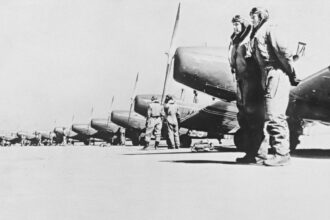
A key intelligence revelation was the concentration of Arab air power on the ground at the beginning of the day. This information was crucial in the planning of the pre-emptive air strike that crippled the Egyptian, Syrian, and Jordanian air forces within hours, neutralizing a significant threat.
Understanding Arab Ground Force Dispositions
Intelligence on the locations and operational readiness of Arab ground forces allowed for the development of offensive plans. The understanding of armored divisions, infantry units, and artillery positions informed the tactical approaches to be employed in the Sinai, the Golan Heights, and the West Bank.
The Six Day War of 1967 was a pivotal moment in Middle Eastern history, showcasing the importance of intelligence preparation in military strategy. A related article that delves deeper into the intricacies of intelligence operations during this conflict can be found at In The War Room, where it explores how accurate intelligence assessments shaped the outcomes of the war and influenced subsequent geopolitical dynamics in the region. Understanding these elements provides valuable insights into the complexities of military planning and execution.
The Aftermath and Lessons Learned: Intelligence as a Continuous Process
The astonishing speed and decisiveness of the Six-Day War were a testament to the effectiveness of Israel’s intelligence preparation. However, the war also served as a stark reminder that intelligence is not a static commodity but a dynamic and continuous process.
Post-War Analysis and Future Implications
In the aftermath of the war, extensive analysis was conducted to evaluate the strengths and weaknesses of the intelligence efforts. This included identifying areas where intelligence had been exceptionally accurate, as well as acknowledging any blind spots or misinterpretations.
Evaluating the Accuracy of Intelligence Predictions
The success of the pre-emptive strike and the subsequent military victories validated much of the intelligence gathered. However, the analysis also looked for any instances where intelligence might have been flawed or incomplete, providing crucial lessons for future operations.
Adapting to Evolving Arab Military Strategies
The Six-Day War fundamentally altered the military and political landscape of the Middle East. Arab nations, humbled by their defeat, began to re-evaluate their military strategies and seek new avenues for redress. Israeli intelligence had to adapt to this evolving threat, anticipating the long-term consequences of the war and preparing for the inevitable attempts at retribution. The pursuit of intelligence became a perpetual race, a never-ending cycle of observation, analysis, and adaptation in the volatile theatre of the Middle East. The shadow play continued, driven by the imperative of survival and the ever-present need to understand what lay hidden in the darkness.
The Intelligence System That Won the Six-Day War Before It Began
FAQs

What is intelligence preparation for the Six Day War?
Intelligence preparation for the Six Day War refers to the process of gathering, analyzing, and interpreting information to support military planning and decision-making for the conflict that took place between Israel and its neighboring Arab states in June 1967.
What were the key intelligence factors in the Six Day War?
Key intelligence factors in the Six Day War included monitoring the military build-up of Arab states, assessing their intentions and capabilities, and identifying potential targets for Israeli military operations.
How did intelligence preparation contribute to the outcome of the Six Day War?
Intelligence preparation played a crucial role in the outcome of the Six Day War by providing Israeli military leaders with valuable insights into the enemy’s positions, movements, and vulnerabilities, enabling them to plan and execute successful military operations.
What were the main challenges in intelligence preparation for the Six Day War?
The main challenges in intelligence preparation for the Six Day War included the need to accurately assess the intentions and capabilities of multiple Arab states, as well as the rapid pace of events leading up to the conflict.
What lessons were learned from intelligence preparation in the Six Day War?
Lessons learned from intelligence preparation in the Six Day War included the importance of timely and accurate intelligence, the need for flexibility in planning and decision-making, and the value of integrating intelligence with operational planning.