The Silent Hunt: A Cold War Ballet of Sonar and Subterfuge
The icy waters of the world’s oceans served as a vast, silent battlefield during the Cold War. Beneath the waves, an unseen conflict played out, a deadly game of cat and mouse between the naval superpowers, the United States and the Soviet Union. At the heart of this submerged struggle lay the clandestine world of submarine tracking operations. This was a realm of cutting-edge technology, daring espionage, and immense strategic importance, where the ability to detect, identify, and monitor an adversary’s silent hunters was paramount to national security. The United States, acutely aware of the Soviet Union’s rapidly expanding submarine fleet, dedicated significant resources to developing sophisticated methods for locating these underwater adversaries. This article delves into the intricate and often astonishing world of these operations, exploring the technologies, strategies, and the sheer human effort involved in uncovering the Cold War’s underwater secrets.
The stakes were astronomically high. Soviet submarines, particularly their ballistic missile submarines (SSBNs), represented a significant portion of the USSR’s nuclear deterrent. Their ability to launch a devastating retaliatory strike from the relative safety of the ocean depths meant that understanding their movements and capabilities was a top priority for American defense planners. Conversely, the Soviets were equally determined to conceal their submarine movements and to potentially track American SSBNs, creating a perpetual arms race in the underwater domain. The technology developed and the intelligence gathered during this period laid the groundwork for much of today’s naval sonar and submarine detection capabilities, a testament to the enduring legacy of this intense, protracted confrontation.
In the context of the Cold War, the Soviet submarine tracking operations were critical for maintaining naval superiority and intelligence gathering. For a deeper understanding of these operations and their implications on global security, you can read a related article that explores the intricacies of submarine warfare and the strategic measures employed by various nations. This article can be found at this link.
Echoes in the Deep: The Technological Arsenal
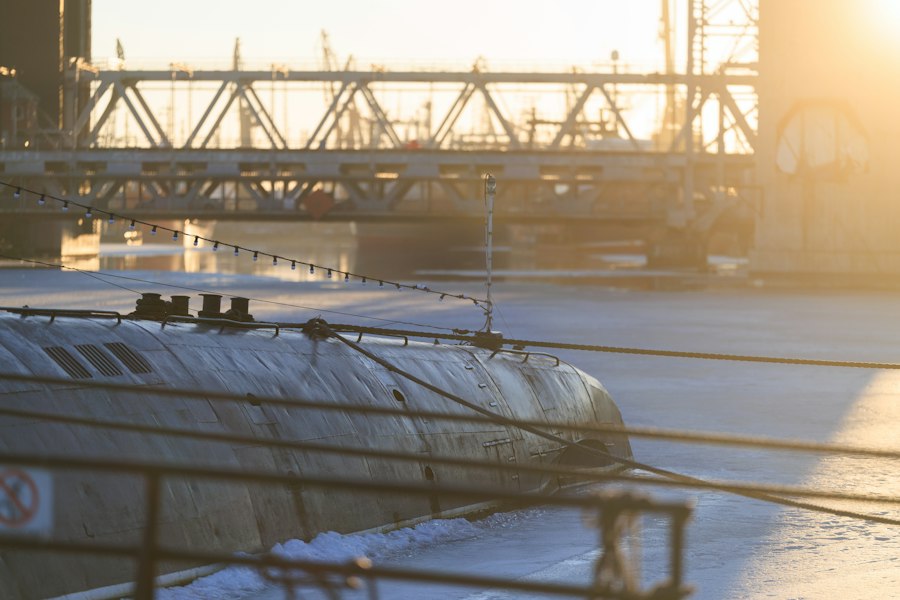
The fundamental challenge of submarine tracking lies in the very nature of the underwater environment. Sound travels far and fast in water, making acoustics the primary tool for detection. However, submarines are designed to be as quiet as possible, their engines, propellers, and hull vibrations carefully engineered to minimize acoustic signatures. This led to a continuous technological arms race, with each side striving to out-innovate the other in the realm of acoustic detection and counter-detection.
The Art of Listening: Passive and Active Sonar
Sonar, an acronym for Sound Navigation and Ranging, became the cornerstone of submarine tracking. Two primary forms were employed: passive sonar and active sonar. Passive sonar systems, essentially highly sensitive microphones, listened for the sounds emitted by submarines. These sounds could range from the low-frequency rumble of a diesel engine to the higher-pitched whine of a cooling pump, or even the distinctive cavitation noise of a propeller. The sophistication of passive sonar systems grew exponentially throughout the Cold War, with arrays of hydrophones capable of discerning subtle acoustic signatures from vast distances. These arrays could be deployed on surface ships, submarines, or fixed seabed installations. The analysis of these faint echoes required immense computational power and highly trained acoustic analysts who could differentiate between the sounds of a submarine and the cacophony of natural ocean noises like whale song or seismic activity.
Active sonar, on the other hand, involved emitting a sound pulse – a “ping” – and then listening for the echo that returned after reflecting off a submerged object. While effective for pinpointing a target’s location and range, active sonar had a significant drawback: it revealed the sonar-emitting platform’s presence to any listening submarines. This made its use a calculated risk, often employed when passive detection failed or when a more definitive fix was required. The types of pings and their frequencies were also crucial, with different types of submarines designed to be more or less susceptible to detection by specific active sonar frequencies.
Beyond Acoustics: Other Detection Methods
While sonar dominated the landscape, other technologies played supporting roles. Magnetic anomaly detectors (MADs) were used by aircraft to detect the slight distortions in the Earth’s magnetic field caused by the large mass of a submarine. These were particularly useful for quickly sweeping vast areas of ocean surface. towed arrays of hydrophones, deployed behind surface ships or submarines, offered a much longer and more sensitive listening capability than hull-mounted arrays. These flexible arrays could snake through the water, picking up faint sounds from great distances. Furthermore, intelligence gathering, including signals intelligence (SIGINT) and human intelligence (HUMINT), played a crucial role in understanding Soviet submarine capabilities, patrol areas, and even construction plans, indirectly aiding tracking efforts by providing context and intelligence on potential targets.
The Unseen Watchdogs: Naval Platforms and Deployments
The technological marvels of sonar and other detection systems were only effective when deployed. A vast array of naval platforms, from colossal aircraft carriers to stealthy submarines, were dedicated to the silent hunt. The strategic placement and constant vigilance of these assets were critical to maintaining an effective submarine tracking posture.
The Hunter-Killer Submarines: Stealth and Subtlety
American and Soviet hunter-killer submarines (SSNs) were the workhorses of underwater surveillance. These vessels, designed for speed, silence, and offensive capability, were tasked with finding, tracking, and, if necessary, engaging enemy submarines. Their own stealth was paramount; the quieter an SSN could operate, the better it could detect the less-quiet adversary. This led to intense competition in reducing acoustic signatures, with innovations in propeller design, hull coatings, and machinery isolation becoming crucial. The operational tempo for these submarines was often grueling, with extended patrols in potentially hostile waters, relying on sophisticated sonar suites and the expertise of their crews to detect and maintain contact with elusive Soviet submarines.
Surface Fleets: The Mobile Listening Posts
Surface ships, including destroyers, frigates, and aircraft carriers, also played vital roles. Equipped with sonar systems, including towed arrays, and operating aircraft with MADs and sonobuoys, these vessels provided broad area surveillance and acted as mobile command and control centers. Aircraft carriers, in particular, offered a significant advantage by launching patrol aircraft and helicopters, which could cover vast ocean expanses and deploy sonobuoys – expendable acoustic devices dropped into the water that transmitted sound information back to a surface vessel or aircraft. The coordination between these surface assets and their air wings was a complex ballet of communication and deployment, all aimed at maintaining a comprehensive picture of underwater activity.
The Seabed’s Secret Sentinels: Fixed Surveillance Systems
Perhaps the most covert and strategically significant aspect of submarine tracking involved fixed seabed installations. The Sound Surveillance System (SOSUS), a network of underwater hydrophones planted on the ocean floor, was a highly classified project that provided the United States with an unprecedented capability to monitor Soviet submarine movements across vast ocean basins. These arrays, often disguised as scientific research equipment, could detect the distinctive acoustic signatures of submarines thousands of miles away. The data collected by SOSUS was analyzed by highly trained personnel, providing invaluable intelligence on the types and numbers of submarines transiting key strategic waterways. The maintenance and operation of these remote, often deep-sea installations were a logistical and technical challenge, underscoring the commitment to this critical intelligence-gathering mission.
Intelligence and the Art of Deception
The technological race for superior detection was only one facet of the Cold War submarine tracking operation. The art of intelligence gathering, coupled with sophisticated deception tactics, played an equally vital role in understanding and countering Soviet submarine threats.
Signals Intelligence and Cryptography: Unlocking Enemy Communications
Signals intelligence (SIGINT) was a crucial component, involving the interception and analysis of Soviet naval communications. This included everything from routine radio transmissions to encrypted messages sent between submarines and their commands. American cryptographers worked tirelessly to break Soviet codes, gaining insights into deployment plans, fleet strength, and operational intentions. The ability to read these messages provided invaluable real-time intelligence, allowing for the prediction of submarine movements and the identification of critical rendezvous points or patrol areas.
Human Intelligence and Espionage: Agents Below the Waves
While difficult, human intelligence (HUMINT) also contributed to the overall picture. This could involve agents placed within Soviet shipyards or naval facilities, providing information on submarine construction, refits, and crew rotations. The risks associated with such operations were immense, but the potential rewards in terms of understanding the enemy’s capabilities and intentions were equally significant. The psychological aspects of the Cold War also extended to the underwater realm, with efforts to glean information from defectors or captured personnel.
The Double Game: Deception and Counter-Deception
Both sides engaged in elaborate deception tactics to mislead the other. This could involve deliberately broadcasting false acoustic signatures, simulating the presence of submarines in certain areas, or using decoys to draw attention away from actual deployments. The Soviets, for example, were known to operate noisy, older submarines in certain areas to mask the movements of their more modern, quieter SSBNs. The United States, in turn, developed sophisticated methods to counter these deceptions, analyzing patterns of activity and cross-referencing intelligence from various sources to discern truth from fabricated signals. This constant interplay of deception and counter-deception added another layer of complexity to the underwater cat-and-mouse game.
The intricate world of Soviet submarine tracking operations has been a subject of extensive analysis, shedding light on the strategic importance of underwater warfare during the Cold War. For those interested in a deeper exploration of this topic, a related article can provide valuable insights into the technological advancements and intelligence strategies employed during that era. You can read more about it in this detailed examination that discusses the challenges and successes faced by naval forces in monitoring Soviet activities beneath the waves.
Notable Operations and Incidents: Tales from the Deep
| Metric | Details |
|---|---|
| Operation Name | Project Azorian (U.S. counterpart), Soviet tracking operations unnamed |
| Primary Objective | Tracking and monitoring U.S. and NATO submarines |
| Time Period | Cold War era, primarily 1960s-1980s |
| Key Technologies Used | Sonar arrays, underwater hydrophone networks, satellite surveillance |
| Number of Tracking Stations | Estimated 10-15 major stations along Soviet coastlines |
| Submarines Monitored | U.S. ballistic missile submarines (SSBNs), attack submarines (SSNs) |
| Success Rate | Classified, but believed to be moderately effective in tracking |
| Notable Incidents | Detection of USS Thresher and USS Scorpion movements |
| Impact on Cold War | Enhanced Soviet naval intelligence and strategic deterrence capabilities |
The Cold War submarine tracking operations were not merely theoretical exercises; they involved real-world missions, daring encounters, and significant historical moments. These operations often took place in highly contested waters, pushing the boundaries of technology and human endurance.
The Ghost Fleet of the Arctic: Tracking Soviet Patrols
The Arctic Ocean, with its ice-covered expanses and strategic importance, became a key theater for submarine operations. Both the US and the Soviet Union deployed submarines beneath the ice, using it as a natural cloak for their movements. American submarines were tasked with tracking Soviet SSBNs as they patrolled beneath the ice cap, a challenging environment where sonar performance could be affected by the ice and visibility was virtually non-existent. Operations in this region required specialized submarines equipped to operate in icy conditions and crews trained for the extreme challenges of the Arctic. The constant, silent pursuit of Soviet submarines beneath this frozen wilderness was a testament to the dedication and skill of submariners on both sides.
Operation Ivy Bells: Tapping the Soviet Undersea Cable
One of the most audacious and successful intelligence operations of the Cold War was Operation Ivy Bells. In the late 1970s, a joint US Navy and CIA operation involved placing wiretaps on a Soviet undersea communication cable in the Sea of Okhotsk, a crucial Soviet naval communications hub. This was achieved by American submarines, which had to navigate Soviet waters and meticulously plant the listening devices without detection. The intelligence gathered from this cable provided invaluable insights into Soviet naval operations and nuclear command and control. The technical challenges of operating in Soviet waters, the risk of detection, and the sheer ingenuity required to execute such a mission made Ivy Bells a legendary success in the annals of Cold War espionage.
The ‘Silent Running’ Encounters: Near Misses and Close Calls
Throughout the Cold War, numerous incidents occurred where submarines of opposing navies came into extremely close proximity, sometimes without either side being fully aware of the other’s presence until the last moment. These “silent running” encounters, where submarines operated at minimal speed and with all non-essential machinery shut down to become virtually undetectable, were fraught with peril. A single miscalculation, a stray sound, or a momentary lapse in concentration could have led to a catastrophic collision, potentially igniting a wider conflict. Many
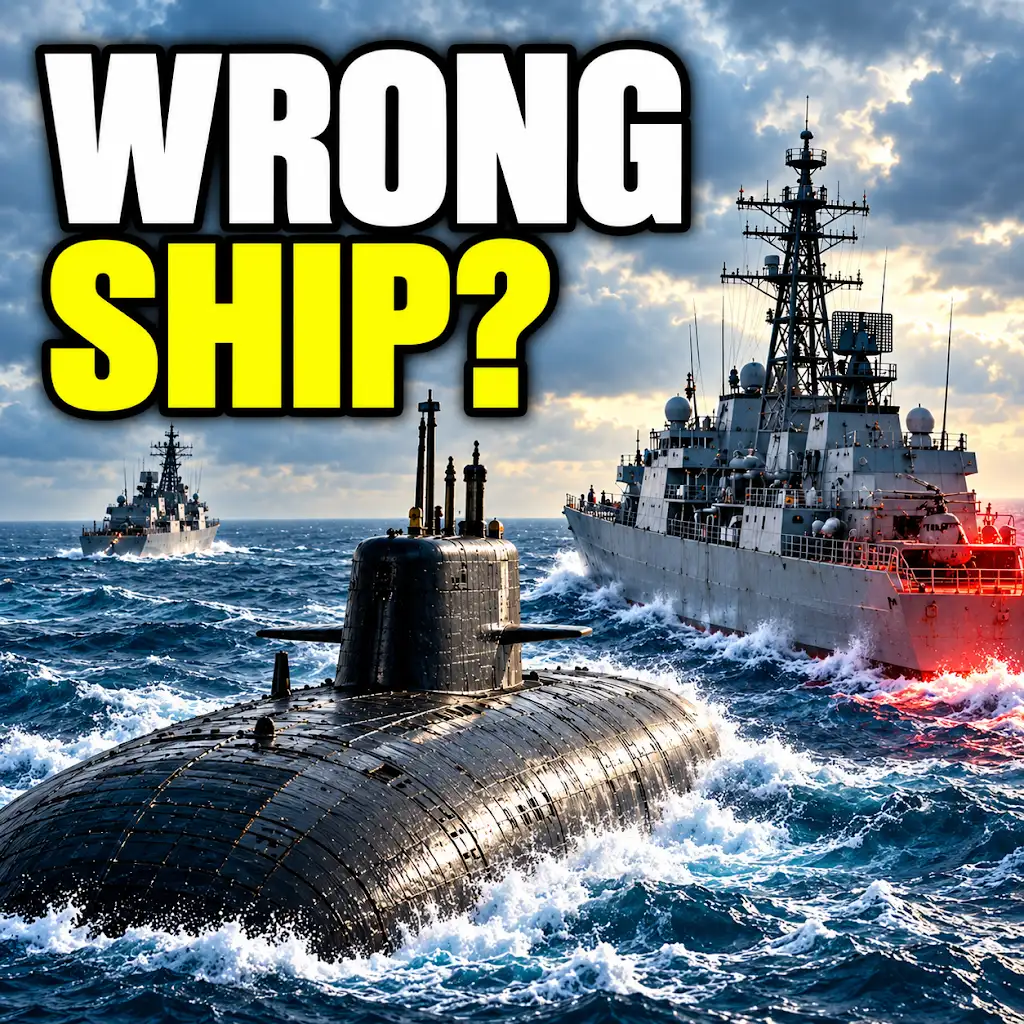
A Soviet Submarine Hit a U.S. Frigate. Was It the Wrong Ship?
FAQs
What was the purpose of the Soviet submarine tracking operation?
The purpose of the Soviet submarine tracking operation was to monitor and track the movements of foreign submarines, particularly those belonging to NATO countries, in order to gather intelligence and ensure the security of Soviet waters.
How did the Soviet Union track submarines during the operation?
The Soviet Union used a variety of methods to track submarines, including sonar systems, satellite surveillance, and reconnaissance aircraft. They also employed a network of underwater listening devices to detect and monitor the acoustic signatures of submarines.
When did the Soviet submarine tracking operation take place?
The Soviet submarine tracking operation took place during the Cold War, from the 1950s to the 1990s. It was a crucial part of the Soviet Union’s military strategy during this period.
Were there any notable incidents or encounters during the Soviet submarine tracking operation?
Yes, there were several notable incidents during the Soviet submarine tracking operation, including confrontations with NATO submarines and instances of Soviet submarines being detected and tracked by Western forces. These incidents often led to heightened tensions between the two superpowers.
What impact did the Soviet submarine tracking operation have on international relations?
The Soviet submarine tracking operation contributed to the overall atmosphere of suspicion and mistrust between the Soviet Union and Western powers during the Cold War. It also played a role in shaping naval strategies and defense policies on both sides, leading to a continuous arms race and increased military spending.