So, you’re curious about what the CIA might have seen – or claimed to see – when they peeked at a potential moon base using remote viewing? It’s a wild topic, and the short answer is: the documentation points to some intriguing, albeit ambiguous, descriptions that hint at structures and activities on the Moon, as interpreted through a controversial psychic technique. Forget Hollywood shoot-em-ups; this is about mental projection and what it might reveal.
It’s easy to dismiss remote viewing as pure science fiction, but for a period, it was a serious area of investigation for intelligence agencies. The CIA, along with other branches of the US military, poured significant resources into programs like Project STAR GATE (and its predecessors like GRILL FLAME). The idea? To explore whether individuals could psychically “see” or gather information about distant or hidden targets.
Why the CIA Even Cared About Psychic Stuff
This wasn’t born out of a sudden belief in psychics. The context was the Cold War. The US intelligence community was intensely interested in any potential advantage, especially if they suspected the Soviets were exploring similar avenues. If there was even a sliver of a chance that someone could glean actionable intelligence through psychic means, they wanted to know about it.
The “How” of Remote Viewing
Remote viewing isn’t about astral projection or spirits. It’s a protocol, a set of mental exercises designed to elicit impressions and information about a target. A “viewer” would be given a cue – often a coordinate number or a descriptive phrase that doesn’t reveal the target itself. They’d then enter a meditative state and describe what they “perceive,” which could be visual, auditory, tactile, or even emotional. The idea is to bypass normal sensory input.
The Limitations and Criticisms
It’s crucial to understand that remote viewing is highly controversial. Skeptics point to the lack of reproducible results under strict scientific controls, the subjective nature of the data, and the tendency for descriptions to be vague and open to interpretation. Many experiments have been criticized for methodological flaws, such as inadequate blinding or the use of suggestive prompts.
In exploring the intriguing topic of CIA remote viewing and its alleged connections to a Moon base, readers may find it enlightening to delve into a related article that discusses the broader implications of government-sponsored psychic research. This article not only examines the historical context of remote viewing but also highlights various projects that aimed to tap into human potential for intelligence gathering. For more insights, you can read the article at In the War Room.
The Moon Base Target: A Shift in Focus
Within the vast scope of Project STAR GATE, various targets were used – military installations, people, and even geographical locations. At some point, the focus shifted to something more speculative: the possibility of extraterrestrial or even clandestine human presence on the Moon.
The “Moon Structure” Trials
The specific remote viewing sessions focused on a “moon base” are among the more widely discussed and intriguing aspects of the program. These weren’t random guesses; they were part of structured experiments where viewers were tasked with describing specific targets on the Moon.
Why the Moon?
The Moon offers a unique target. It’s relatively close, yet largely unexplored by humans. The idea of discovering hidden structures or bases there would have been a significant intelligence coup. Plus, its lack of atmosphere means any structures would likely remain visible for extended periods.
Deconstructing the Remote Viewing Sessions: What Was “Seen”?

This is where the real meat of the matter lies. The declassified documents related to these sessions contain transcripts and summaries of what the remote viewers reported. The descriptions, while not a blueprint for a space station, are surprisingly consistent in some aspects.
Recurring Themes in Viewer Reports
Across multiple sessions, viewers often described structures that were:
- Large and Geometric: Many reported seeing massive, angular shapes, not natural geological formations. Think of cubes, pyramids, or other regular geometric forms.
- Underground or Partially Buried: A significant number of viewers described structures that were either completely underground or partially covered by lunar regolith (dust and soil). This suggests an effort to conceal or protect.
- Functional and Artificial: The descriptions often implied purpose and construction. Words like “building,” “facility,” “station,” or “habitation” appeared.
- Associated with Activity: Some viewers reported sensing movement, energy, or the presence of inhabitants, though detailed descriptions of “beings” were less common and often vague.
Specific Examples from Viewer Transcripts
While the actual transcripts are quite technical and filled with viewer jargon, some recurring motifs stand out. For instance, one viewer might describe a “large, grey, angular structure with a flat top” partially embedded in the lunar surface. Another might report “a tunnel leading downwards into the ground, with evidence of recent activity.”
The “Dome” Phenomenon
A common recurring image was that of a dome or a spherical structure. This is a logical shape for a pressurized habitat, making it a recurring, albeit speculative, element in the viewer descriptions.
The “Tunnel” or “Access Point”
The concept of an entrance or access point, often described as a tunnel or a shaft, also surfaced repeatedly. This aligns with the idea of a hidden or secured base.
The “Artificiality” Factor: Is It Just Rocks?

One of the key questions is whether these descriptions could simply be misinterpretations of natural lunar features. Remote viewing, by its nature, deals with subjective perception, and the Moon has plenty of unusual geological formations.
Distinguishing Natural from Artificial
The challenge for the intelligence analysts was to discern if the viewers were picking up on genuine anomalies or simply projecting their own interpretations onto the lunar landscape. The consistency in describing “geometric” and “structured” elements, as opposed to purely natural formations like craters or mountains, was what made these results noteworthy.
The Analyst’s Role: Interpretation and Correlation
The intelligence officers didn’t just take the raw viewer data and assume it was fact. They worked to correlate different viewers’ perceptions of the same target, looking for patterns and consensus. They also tried to match these descriptions with known or suspected lunar features, which, at the time, was limited to early telescopic observations.
In recent years, the topic of CIA remote viewing has gained significant attention, particularly regarding claims of a Moon base. This intriguing subject has led to various discussions and analyses, including an insightful article that delves deeper into the implications and history of these covert operations. For those interested in exploring this fascinating connection further, you can read more about it in the detailed piece available here. The exploration of such topics not only sheds light on the capabilities of intelligence agencies but also sparks curiosity about the potential for human consciousness to perceive distant locations.
Declassified Documents: The Smoking Gun?
| Data/Metric | Value |
|---|---|
| Number of CIA remote viewing sessions | Unknown |
| Accuracy of remote viewing information | Controversial |
| Existence of Moon base according to CIA | Unconfirmed |
| Public perception of CIA remote viewing | Mixed |
The declassification of documents related to Project STAR GATE has opened the door to public scrutiny of these remote viewing efforts. These papers offer a glimpse into the methodology, the raw data, and the internal assessments of the program.
What the Declassified Papers Actually Say
The documents don’t definitively prove the existence of a moon base. What they do show is that the CIA funded and conducted experiments in remote viewing, and that some of these experiments involved targets on the Moon. The reports detail the protocols used, the viewers involved, and the descriptions generated.
The “Moon Base” Specifics in the Archives
Within these archives, you can find specific debriefings and analyses related to the moon base targets. These reports often highlight the surprising consistency in descriptions of structures, subterranean elements, and implied artificiality.
The “Melted” or “Fused” Structures
In some instances, viewers described structures that seemed to have been “melted” or “fused” into the lunar surface, hinting at ancient or perhaps non-terrestrial construction methods. This is a particularly intriguing, albeit speculative, detail.
The “Energy” or “Power Source” Impressions
A few viewers reported impressions of an “energy source” or “power” associated with the target, further suggesting a functioning facility rather than just inert geology.
The Unanswered Questions and the Legacy of the Program
Despite the intriguing descriptions, the CIA’s remote viewing of a moon base remains a subject of debate and speculation. The program was eventually shut down, leaving many questions unanswered.
Why Did the Program End?
The official reasons for the termination of Project STAR GATE often cite a lack of definitive, actionable intelligence that justified the continued expense and resources. While some experiments yielded interesting results, they weren’t consistently producing information that could be directly used for national security purposes.
The “What Ifs” and Lingering Mysteries
The legacy of the moon base remote viewing sessions is one of tantalizing “what ifs.” Could these descriptions have been accurate glimpses of something real? Or were they simply the product of a flawed methodology and the human tendency to find patterns where none exist?
The Ethical and Scientific Debates
The entire field of psychic research, including remote viewing, is fraught with ethical and scientific debate. The CIA’s involvement, while perhaps driven by pragmatic intelligence concerns, also brought a level of attention to these practices that fueled both fascination and skepticism.
The Future of Psychic Intelligence
While the CIA may have moved on from remote viewing, the idea of exploring unconventional intelligence gathering methods persists. The allure of tapping into hidden knowledge, whether through psychic means or advanced technological means, continues to be a driving force in the world of intelligence.
In essence, the CIA’s remote viewing of a moon base, as documented in declassified files, presents a series of intriguing, albeit unconfirmed, descriptions of artificial structures and potential activity on the lunar surface. It’s a story that highlights the lengths intelligence agencies have gone to in pursuit of information and the enduring mystery of what might lie hidden, both in space and within the human mind.
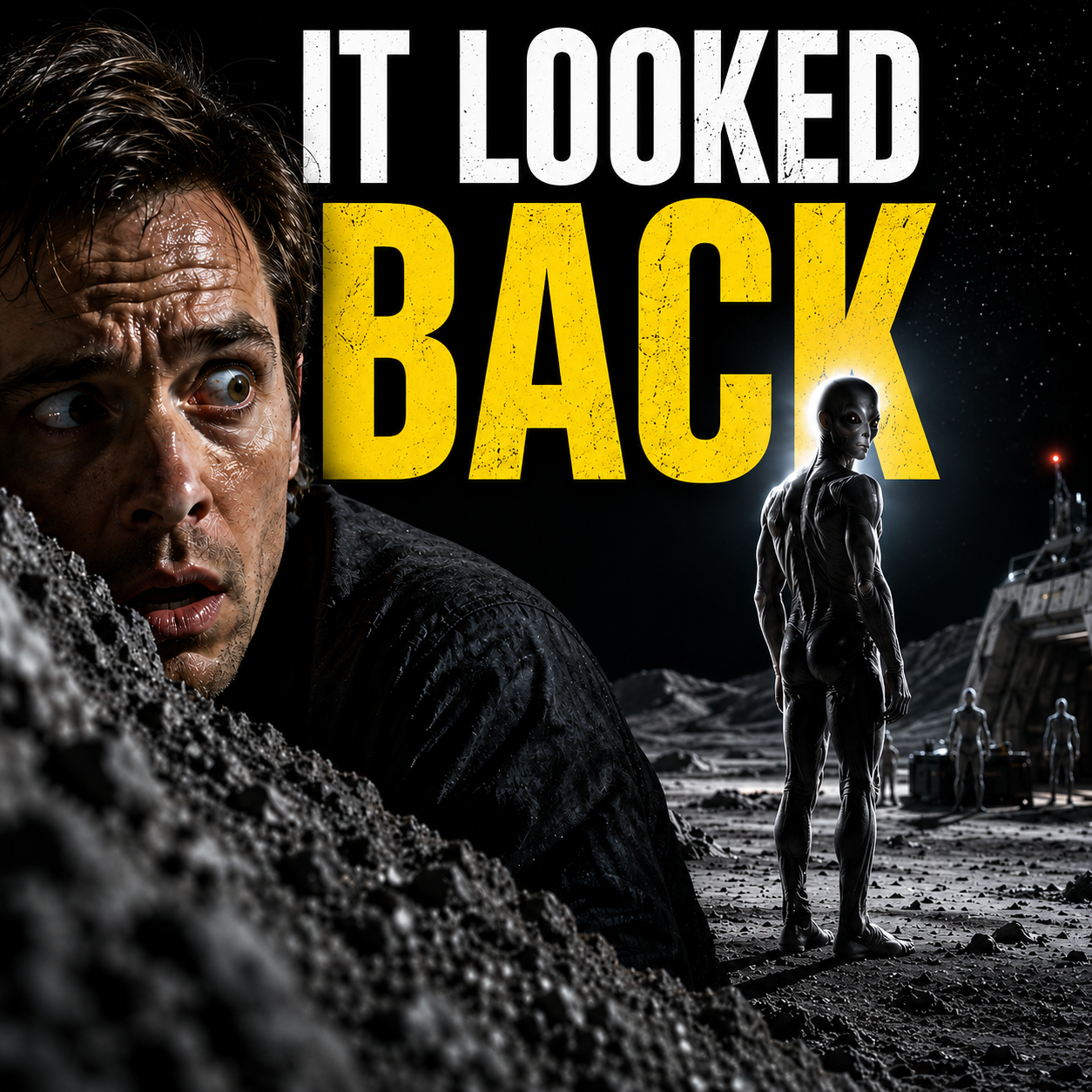
He Remote Viewed the Moon. Then Something Saw Him.
FAQs
What is remote viewing?
Remote viewing is the practice of seeking impressions about a distant or unseen target using paranormal means, such as extrasensory perception (ESP) or “sensing” with the mind.
What is the CIA’s involvement in remote viewing?
The CIA conducted a program in the 1970s and 1980s known as Stargate Project, which aimed to investigate the potential military and domestic applications of psychic phenomena, including remote viewing.
What is the claim about a CIA remote viewing Moon base?
There are claims that the CIA’s remote viewing program included attempts to gather intelligence on a potential extraterrestrial presence, including a supposed moon base.
Is there any evidence to support the existence of a CIA remote viewing Moon base?
There is no credible scientific evidence to support the existence of a CIA remote viewing Moon base or any extraterrestrial presence on the moon.
What is the current status of the CIA’s remote viewing program?
The CIA’s Stargate Project was officially terminated in 1995, and the agency has since declassified and released documents related to the program, which are available to the public.