The whisper of rotors, the glint of Kevlar, the silent precision of men honed to an edge sharper than any blade – these are the hallmarks of America’s elite military units. These are the individuals who operate where the conventional cannot, tackling threats that lie beyond the normal scope of warfare. They are the tip of the spear, the instruments of last resort, and their existence is shrouded in secrecy, their training a testament to human endurance and dedication. To peer inside their world is to glimpse a realm of unparalleled discipline, advanced technology, and a psychological fortitude forged in the crucible of the most demanding environments imaginable.
The journey for aspiring members of America’s elite military units is not one of mere enlistment; it is a rigorous, often brutal, gauntlet designed to weed out all but the most exceptional. The selection process is multifaceted, beginning long before any physical test. It involves a deep dive into an individual’s psychological profile, their leadership potential, their ability to function under extreme stress, and their willingness to sacrifice personal comfort and safety for the mission. This is not simply about being strong; it is about being smart, adaptable, and possessing an unshakeable moral compass.
The Physical Gauntlet: Beyond Human Limits
The physical demands placed upon candidates are legendary. These are not standard military fitness tests; they are designed to push individuals to their absolute breaking point, and then beyond.
Initial Screening and Basic Fitness
The initial stages often involve grueling physical assessments that far exceed the requirements of regular military service. Candidates are tested on their endurance, strength, agility, and ability to perform under duress. This might include long-distance marches with heavy packs, obstacle courses designed to simulate combat environments, and timed physical challenges that demand peak performance. Failure to meet these stringent benchmarks means immediate elimination.
Advanced Physical Conditioning
Once past the initial hurdles, the physical conditioning intensifies. This involves a relentless cycle of high-intensity interval training, advanced calisthenics, swimming with gear, and simulated forced marches. The goal is not just to build muscle, but to develop an extraordinary level of stamina, resilience, and the ability to maintain peak physical function for extended periods, often with minimal rest and nourishment. Injuries are common, but the ability to push through pain and continue is a key indicator of suitability.
The Mental Crucible: Forging Unbreakable Minds
Beyond the physical, the mental fortitude required is equally, if not more, critical. Elite units operate in high-stakes environments where split-second decisions can mean the difference between life and death. Training focuses on developing a calm, rational mind capable of processing vast amounts of information, adapting to rapidly changing circumstances, and executing complex operations under immense pressure.
Psychological Evaluation and Stress Inoculation
Candidates undergo extensive psychological evaluations to assess their emotional stability, resilience to stress, and ability to cope with fear, isolation, and the psychological toll of combat. Stress inoculation training is a cornerstone, exposing individuals to controlled simulations of extreme stress, such as sleep deprivation, sensory overload, and simulated combat scenarios. The aim is to build tolerance and develop coping mechanisms that allow for clear thinking and effective action even in the most terrifying situations.
Teamwork and Cohesion Under Duress
Elite units operate as highly integrated teams. Training emphasizes the development of unwavering trust and cohesion among members. This involves exercises that force individuals to rely completely on their teammates, fostering a deep understanding of each other’s strengths and weaknesses. Simulations often involve scenarios where success is impossible without seamless communication and coordinated action, reinforcing the idea that the team is only as strong as its weakest link.
The Technical Mastery: Precision at Every Level
The operational success of elite units relies not only on physical and mental prowess but also on a deep and nuanced understanding of a vast array of specialized skills and technologies. These individuals are not just warriors; they are highly skilled technicians, diagnosticians, and problem-solvers.
Advanced Combat Skills and Weaponry
Beyond standard marksmanship, candidates are trained in advanced combat techniques, including close-quarters combat (CQC), sniper operations, demolitions, and unconventional warfare tactics. They must master a wide range of specialized weaponry, understanding their nuances, maintenance, and optimal application in diverse scenarios. This includes everything from silenced pistols for clandestine operations to heavy machine guns for sustained fire support.
Specialized Equipment and Technology
Elite units are at the forefront of military technology. Their training encompasses the operation and maintenance of cutting-edge equipment, including advanced communication systems, surveillance drones, night vision devices, thermal imagers, and specialized vehicles. They must be proficient in utilizing these tools to gather intelligence, conduct reconnaissance, and execute missions with maximum effectiveness and minimal exposure.
For those interested in gaining a deeper understanding of America’s elite military units, a related article can be found at this link: America’s Elite Military Units Explained. This article provides an in-depth look at the specialized training, missions, and operational capabilities of these forces, highlighting their crucial role in national security and global operations.
The Pillars of Operation: Key Elite Units and Their Roles
America possesses a diverse array of elite military units, each with its own distinct mission, specialization, and operational domain. While often operating in the shadows, their contributions to national security are immeasurable. Understanding these units provides a clearer picture of the specialized capabilities that exist within the U.S. military.
Tier 1 Special Operations Forces: The Unseen Hand
At the apex of America’s special operations capabilities are the Tier 1 units. These are the units that undertake the most sensitive, dangerous, and complex missions, often deep within enemy territory and with minimal support. Their operations are characterized by their extreme secrecy and their ability to achieve objectives that are impossible for conventional forces.
Delta Force (1st Special Forces Operational Detachment-Delta)
Tasked with counter-terrorism, hostage rescue, and direct action missions against high-value targets, Delta Force is arguably the most elite and secretive unit in the U.S. military. Their selection is notoriously difficult, drawing from the best operators within other special operations communities. Their training focuses on unparalleled precision, surgical execution, and the ability to operate with extreme stealth and speed. Missions are often classified for decades, their success known only to a select few.
SEAL Team Six (Naval Special Warfare Development Group)
While the public often associates “SEAL Team Six” with high-profile counter-terrorism operations, its official designation is the Naval Special Warfare Development Group (DEVGRU). This unit specializes in maritime counter-terrorism, special reconnaissance, and direct action missions in naval and coastal environments. They are adept at operating from submarines, specialized craft, and conducting amphibious assaults, making them a critical asset for projecting power in littoral zones. Their training is as demanding as Delta’s, with a particular emphasis on maritime operations, underwater combat, and survival in hostile aquatic environments.
Tier 2 Special Operations Forces: The Extended Reach
While Tier 1 units handle the most critical and specialized missions, Tier 2 units provide a broader spectrum of special operations capabilities, often supporting Tier 1 operations or conducting missions that require a significant level of specialized training but may not demand the same level of extreme secrecy.
U.S. Army Special Forces (Green Berets)
Known for their distinctive green berets, U.S. Army Special Forces are masters of unconventional warfare, foreign internal defense, and direct action. They are often deployed in small teams to train and advise indigenous forces, enabling them to counter insurgencies and terrorist groups. Their expertise in foreign languages, cultural understanding, and small-unit tactics makes them invaluable for operating in politically sensitive and complex environments. Their training is extensive, focusing on a wide range of skills, including sabotage, intelligence gathering, and advanced survival techniques.
75th Ranger Regiment
The 75th Ranger Regiment is an elite light infantry unit trained for special operations missions. They specialize in direct action raids, reconnaissance, and airfield seizures. Their high operational tempo and rapid deployment capabilities make them a critical asset for quickly projecting force into hostile territories. Rangers are known for their aggressive tactics, their ability to fight and win in any environment, and their unwavering commitment to their mission. Their training emphasizes speed, aggression, and the ability to operate effectively in small, highly mobile units.
Other Elite Units and Specialized Capabilities
Beyond the traditional special operations forces, other units within the U.S. military possess elite capabilities that are crucial for national security. These units may not always fall under the strict definition of “special operations” but are nonetheless comprised of highly trained and specialized personnel.
The U.S. Air Force’s Special Tactics Squadrons
Air Force Special Tactics Operators (STOs) are the elite special operations forces of the U.S. Air Force. They are highly trained battlefield Airmen who specialize in direct action operations, personnel recovery, and joint terminal attack control (JTAC). They are often the first on the ground in hostile territory, establishing airfields, directing air assets, and conducting combat operations. Their unique skill set bridges the gap between air and ground forces, making them indispensable for modern warfare.
The U.S. Marine Corps Force Reconnaissance (Force Recon)
Marine Corps Force Reconnaissance units are responsible for conducting deep reconnaissance and direct action missions in support of Marine Expeditionary Forces. They are highly skilled in amphibious operations, parachute insertion, and operating in denied areas. Force Recon Marines are known for their adaptability, their aggressive spirit, and their ability to gather critical intelligence and execute high-risk missions.
The Operational Doctrine: Stealth, Speed, and Precision

The operational doctrine that guides America’s elite military units is not a rigid set of rules but rather a flexible framework built upon core principles that ensure success in the most challenging circumstances. These principles are ingrained through relentless training and a culture of excellence.
Stealth and Infiltration: The Art of Becoming Invisible
The ability to infiltrate enemy territory undetected is paramount. Elite units employ a variety of methods, from clandestine insertions via submarine and HALO (High Altitude-Low Opening) parachute jumps to covert movement on foot or in specially designed vehicles. The goal is to remain unseen and unheard, allowing them to observe, gather intelligence, and position themselves for the most effective strike.
Maritime Infiltration Techniques
For units operating in coastal or maritime environments, specialized infiltration techniques are crucial. This includes the use of SEAL delivery vehicles (SDVs), combat rubber raiding craft (CRRCs), and the ability to conduct underwater insertions and extractions. Masters of the maritime domain, these operators can move from the depths of the ocean to the shores of enemy territory with unparalleled stealth.
Airborne and Ground Infiltration
Beyond maritime operations, elite units are proficient in airborne insertions, utilizing HALO and HAHO (High Altitude-High Opening) jumps to infiltrate from extreme altitudes. Ground infiltration involves moving through hostile terrain on foot, often for extended periods, relying on their survival skills and intimate knowledge of the environment to remain undetected.
Speed and Surprise: Striking When Least Expected
Once inside, the element of surprise is leveraged to its fullest. Elite units move with speed and agility, striking targets before they have a chance to react. This is often achieved through coordinated assaults, rapid disengagements, and the element of psychological shock.
Coordinated Assaults and Rapid Execution
Missions are meticulously planned and rehearsed to ensure seamless execution. Teams synchronize their movements, communications, and actions to overwhelm the enemy in a concentrated burst of activity. The objective is to achieve the mission goals quickly and decisively, minimizing the opportunity for enemy response.
Psychological Warfare and Information Operations
While not always overt, the psychological impact of elite unit operations is a significant factor. The knowledge that these units can appear anywhere, strike without warning, and achieve seemingly impossible objectives can have a demoralizing effect on adversaries. In some instances, information operations are employed to amplify this psychological effect.
Precision Engagement: Minimizing Collateral Damage and Maximizing Effectiveness
The hallmark of elite operations is the ability to achieve objectives with extreme precision, minimizing collateral damage and civilian casualties. This requires exceptional marksmanship, a deep understanding of the operational environment, and the ability to differentiate between combatants and non-combatants.
Rules of Engagement (ROE) and Ethical Considerations
Elite units operate under strict rules of engagement, ensuring that force is only used when absolutely necessary and in proportion to the threat. Ethical considerations are paramount, and the training emphasizes the protection of innocent civilians and the adherence to international laws of armed conflict.
Advanced Targeting and Intelligence Analysis
Success in precision engagement relies heavily on accurate and timely intelligence. Elite units utilize sophisticated intelligence gathering methods and analytical tools to identify targets, assess threats, and plan operations that minimize risks to non-combatants.
The Cutting Edge: Technology and Innovation
The technological superiority of America’s elite military units is a critical factor in their operational success. These units are often the first to field and integrate the latest advancements in military technology, pushing the boundaries of what is possible on the battlefield.
Surveillance and Intelligence Gathering
The ability to see and understand the battlefield is a fundamental advantage. Elite units employ a wide array of surveillance technologies, from advanced drones and unmanned aerial vehicles (UAVs) to sophisticated sensor systems and electronic intelligence (ELINT) gathering equipment.
Unmanned Aerial Systems (UAS) and Drones
Drones of various sizes and capabilities are integral to reconnaissance, surveillance, and even direct action missions. These platforms provide real-time intelligence, allowing operators to assess situations, identify threats, and plan their approach with a greater degree of certainty.
Advanced Communication and Encryption
Secure and reliable communication is vital. Elite units utilize highly encrypted communication systems that allow for seamless coordination and information sharing, even in contested electromagnetic environments. This ensures that information flows efficiently and securely between teams and command elements.
Precision Weaponry and Munitions
The development of precision-guided munitions and advanced weaponry allows elite units to strike targets with unparalleled accuracy, reducing the risk of friendly fire and collateral damage.
Smart Weapons and Guided Munitions
From guided missiles to smart bullets, these advanced munitions ensure that every shot fired is a potentially mission-critical one. The ability to track and engage targets with pinpoint accuracy significantly enhances operational effectiveness.
Directed Energy Weapons and Future Technologies
While still largely in development and deployment phases, the potential of directed energy weapons and other futuristic technologies is being explored by elite units. These could offer new ways to neutralize threats without the use of kinetic force.
Individual Soldier Technology
Beyond unit-level technology, individual operators are equipped with cutting-edge gear that enhances their situational awareness, lethality, and survivability.
Advanced Body Armor and Protective Gear
Modern body armor is lighter, stronger, and offers superior protection against a wider range of threats. This includes advanced helmets, ballistic plates, and protective suits designed for specific operational environments.
Integrated Soldier Systems and Enhanced Vision
Future soldier systems aim to integrate various technologies into a single, cohesive unit. This can include heads-up displays, advanced navigation tools, biometric sensors, and enhanced night and thermal vision capabilities, all designed to provide the operator with a comprehensive understanding of their surroundings.
For those interested in a deeper understanding of America’s elite military units, a related article can be found at In the War Room, which delves into the history and operations of these specialized forces. This resource provides valuable insights into their training, missions, and the unique challenges they face, making it an essential read for anyone looking to grasp the complexities of modern warfare.
The Human Element: Sacrifice, Resilience, and Legacy
| Unit Name | Branch | Primary Role | Established | Selection Duration | Notable Operations |
|---|---|---|---|---|---|
| Delta Force (1st SFOD-D) | Army | Counter-terrorism, Direct Action | 1977 | 6-8 weeks | Operation Eagle Claw, Battle of Mogadishu |
| SEAL Team Six (DEVGRU) | Navy | Counter-terrorism, Special Reconnaissance | 1980 | 6 months | Operation Neptune Spear, Maersk Alabama Rescue |
| Army Rangers (75th Ranger Regiment) | Army | Airborne Light Infantry, Direct Action | 1942 (modern regiment 1974) | 8 weeks (Ranger School) | Operation Gothic Serpent, Operation Anaconda |
| Marine Raiders (MARSOC) | Marine Corps | Special Operations, Direct Action | 2006 | 7 months | Operation Enduring Freedom, Operation Iraqi Freedom |
| Air Force Pararescue (PJs) | Air Force | Personnel Recovery, Combat Search and Rescue | 1947 | 1 year | Operation Desert Storm, Operation Inherent Resolve |
Despite the advanced technology and rigorous training, the true strength of America’s elite military units lies in the individuals who comprise them. Their unwavering dedication, their willingness to sacrifice, and the profound sense of duty they embody are the intangible forces that drive their success.
The Cost of Duty: Psychological and Physical Toll
The missions undertaken by these units are inherently dangerous, and the toll on the individuals is significant. The constant exposure to high-stress situations, the physical demands, and the emotional burden of their work can have lasting effects.
Post-Traumatic Stress and Mental Health Support
The psychological well-being of operators is a critical concern. Comprehensive mental health support, including therapy and counseling, is available to help individuals cope with the trauma they experience. Recognizing and addressing these challenges is an ongoing effort within these communities.
The Physical Scars of Service
The physical demands of training and operations inevitably lead to injuries. While many recover and return to duty, some carry physical scars that serve as reminders of their service and sacrifice. The resilience to overcome these challenges is a testament to their dedication.
The Brotherhood and the Bond
Within these elite units, a profound bond of brotherhood is forged. Members rely on each other implicitly, their shared experiences creating a connection that transcends the battlefield. This brotherhood provides a vital support system, both during operations and in their civilian lives.
Mutual Trust and Unwavering Loyalty
The trust placed in each teammate is absolute. This unwavering loyalty is the bedrock of effective teamwork, ensuring that every member is willing to put their life on the line for the person beside them.
Support Networks and Transition to Civilian Life
The transition from active duty in an elite unit to civilian life can be challenging. Support networks, often comprised of former operators, help individuals navigate this transition, providing guidance, mentorship, and a continued sense of community.
The Legacy of Excellence: Inspiration and Deterrence
The operations of America’s elite military units, though often unheralded, have a profound impact on national security. They serve as a powerful deterrent against potential adversaries and inspire confidence in allies. Their legacy is one of unwavering courage, exceptional skill, and an enduring commitment to protecting the nation. They are the silent guardians, the unseen force, and their continued existence is a testament to America’s resolve.
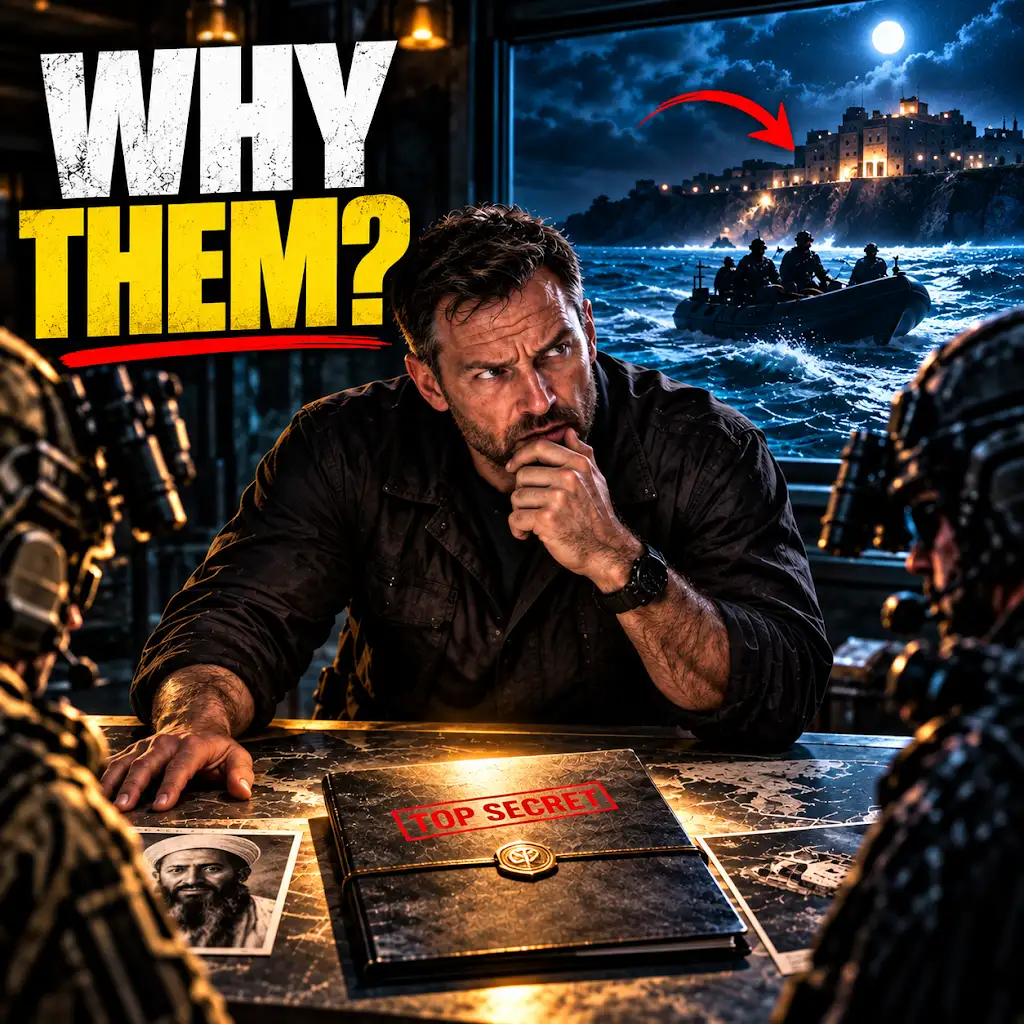
Why SEAL Team Six Got the Bin Laden Raid — Not Delta Force
FAQs
What are America’s elite military units?
America’s elite military units include the Navy SEALs, Army Special Forces (Green Berets), Delta Force, Marine Corps Special Operations Command (MARSOC), and Air Force Special Tactics Squadrons.
What are the primary roles of these elite military units?
These elite military units are trained for special operations missions such as counterterrorism, direct action, reconnaissance, unconventional warfare, and hostage rescue.
How are members of these elite military units selected and trained?
Members of these elite military units undergo rigorous selection processes and specialized training programs that focus on physical fitness, marksmanship, tactics, and specialized skills relevant to their mission.
What distinguishes America’s elite military units from conventional forces?
America’s elite military units are known for their high level of training, specialized skills, and ability to operate in small teams with a high degree of autonomy and flexibility, often in high-risk environments.
What is the significance of America’s elite military units in national security?
America’s elite military units play a crucial role in protecting national security by conducting specialized missions that conventional forces may not be equipped or trained to handle, such as counterterrorism operations and hostage rescues.