
The Cold War cast a long shadow, a period defined by a pervasive, often unseen, struggle for technological and strategic advantage. Beneath the churning waves of the world’s oceans, this silent conflict played out with a stark intensity, centered on the silent hunters and the relentless pursuers: submarines. For decades, the inner workings of Soviet submarine tracking, a crucial element of this global chess match, remained shrouded in secrecy. Now, a rare documentary offers an unprecedented glimpse into this clandestine world, revealing the intricate dance of detection, evasion, and the human element involved in the cat-and-mouse game played out in the deep. This exploration delves into the revelations brought forth by this documentary, examining the technological prowess, the strategic imperatives, and the personal stories that illuminate the profound significance of tracking Soviet submarines.
The Ghosts of the Deep: Unveiling Soviet Submarine Operations
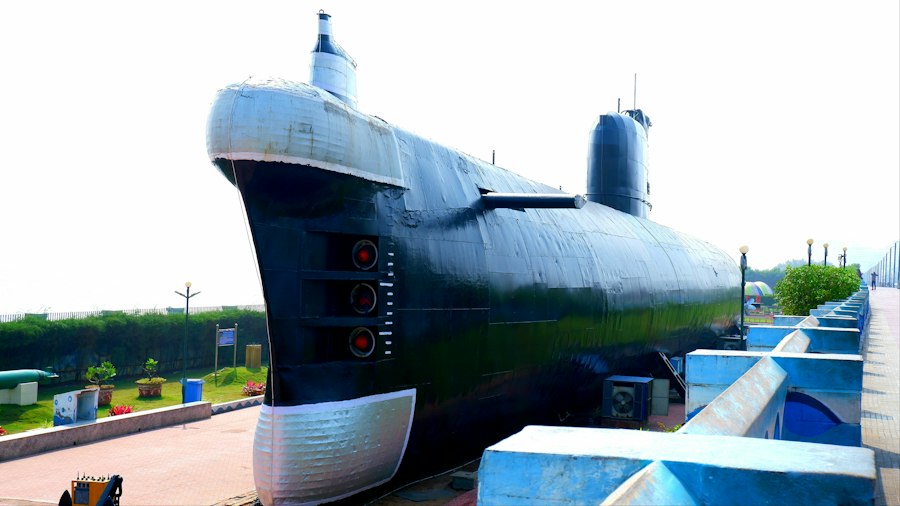
The documentary meticulously reconstructs the operational environment of Soviet submarines during the Cold War, emphasizing their technological evolution and strategic deployment. It paints a picture of a formidable underwater force, designed to project power and pose a significant threat to Western naval assets. The sheer scale of Soviet submarine construction, from early diesel-electric vessels to the technologically advanced nuclear-powered attack submarines (SSNs) and ballistic missile submarines (SSBNs), is a recurring theme. The film highlights the unwavering commitment of the Soviet Union to its submarine program, viewing it as a cornerstone of its strategic defense and offensive capabilities.
The Nuclear Gambit: SSBNs and the Doctrine of Deterrence
A significant portion of the documentary focuses on the Soviet Union’s SSBN fleet, the ultimate instrument of nuclear deterrence. These silent behemoths, armed with intercontinental ballistic missiles, represented a constant existential threat. The documentary explains the strategic thinking behind their deployment: to ensure a second-strike capability, a retaliatory force that could survive a first nuclear strike and deliver devastating damage. It details the Soviet doctrine of “assured destruction,” where the very existence of these undetectable submarines served as a powerful deterrent against a Soviet nuclear attack. The challenges of tracking these highly stealthy vessels, often operating in remote and deep ocean environments, are vividly portrayed, underscoring the immense difficulty faced by Western navies in maintaining an accurate picture of their location and intentions. The film often contrasts the perceived invincibility of these submarines with the immense efforts undertaken to locate them, a testament to the stakes involved.
The Hunter-Killer Role: Soviet SSNs in the Global Arena
Beyond the SSBNs, the documentary also illuminates the role of Soviet SSNs, the submarines designed to hunt and destroy enemy vessels, particularly Western submarines and surface fleets. These were the operational workhorses, tasked with disrupting enemy supply lines, engaging in anti-submarine warfare (ASW), and gathering intelligence. The film showcases the technological advancements in Soviet SSN design, focusing on improved silencing techniques, more potent weaponry, and enhanced sensor suites. It underscores the perceived threat these submarines posed to NATO’s maritime superiority, particularly in the Atlantic. The documentary emphasizes how the constant need to track these hunter-killer submarines shaped ASW strategies and technological development on both sides of the Iron Curtain. The inherent nature of ASW is a perpetual arms race; as one side develops quieter submarines, the other develops more sensitive detection methods.
For those interested in the intricacies of Cold War naval operations, a fascinating related article can be found at this link. It delves into the technological advancements and strategies employed in tracking Soviet submarines, providing a comprehensive backdrop to the documentary on submarine tracking. The article offers insights into the geopolitical tensions of the era and highlights the critical role of naval intelligence in maintaining national security.
The Pillars of Detection: Technologies and Tactics

The documentary’s most compelling revelations lie in its detailed exposition of the sophisticated technologies and intricate tactics employed by both sides to track Soviet submarines. It moves beyond abstract concepts to showcase the real-world application of scientific innovation in the relentless pursuit of submerged adversaries. The sheer ingenuity and dedication required to develop and operate these systems are a central narrative thread, underscoring the intellectual and technological arms race that defined the Cold War.
The Ears of the Ocean: Hydrophone Networks and Sonar Prowess
The film provides a fascinating look at the vast underwater listening posts that formed the backbone of submarine detection. It explains the principles behind passive sonar, where sensitive hydrophones listen for the faint sounds emitted by submarines, and active sonar, which emits sound pulses and analyzes the returning echoes. The documentary highlights the strategic placement of these hydrophone arrays, often in key oceanic chokepoints, designed to intercept submarines as they transited between their bases and operational areas. It reveals the painstaking process of analyzing terabytes of acoustic data, searching for the unique acoustic signatures of different Soviet submarine classes. The documentary emphasizes that while sonar technology has advanced significantly, the fundamental principles remain the same, and the constant challenge is to differentiate the faint whisper of a submarine from the cacophony of the ocean.
The Eyes in the Sky and Sea: Aerial and Surface Surveillance
While sonar is crucial, the documentary also illustrates the vital role of aerial and surface surveillance in tracking submarines. It details the deployment of maritime patrol aircraft equipped with advanced radar, magnetic anomaly detectors (MAD), and sonobuoys. MADs, in particular, are explained as devices that can detect the slight disturbance in the Earth’s magnetic field caused by the massive metal hull of a submarine. The film shows how these aircraft acted as mobile surveillance platforms, capable of covering vast expanses of ocean and coordinating with surface vessels. Furthermore, the documentary touches upon the role of surface warships, employing their own sonar systems and deploying sonar-equipped helicopters, forming a layered defense network designed to detect and track any submerged threat. The synergy between these different platforms is depicted as a critical component of a successful ASW strategy.
The fascinating world of Soviet submarine tracking is explored in depth in a recent documentary that sheds light on the intricate methods used during the Cold War. For those interested in further reading, a related article provides additional insights into the technological advancements and espionage tactics of the era. You can find this informative piece at In The War Room, where it delves into the strategic importance of submarine warfare and the ongoing legacy of these underwater giants.
The Silent Pursuit: The Art of Acoustic and Non-Acoustic Tracking
The documentary delves into the more nuanced aspects of submarine tracking, highlighting the sophisticated analytical techniques employed to identify and classify submarines. It explains how analysts painstakingly study acoustic signatures, identifying specific engine noise patterns, propeller characteristics, and even the subtle sounds of internal machinery unique to each submarine class. This is presented not just as a technical process but as an art form, requiring a deep understanding of naval architecture, acoustics, and operational profiles. Beyond acoustic methods, the film also explores non-acoustic detection techniques, such as the detection of wake anomalies, thermal signatures, and even the subtle disturbance of marine life. These less conventional methods, while often more challenging, offered valuable corroboration and provided alternative avenues for detection when acoustic conditions were unfavorable.
The Human Factor: Courage, Sacrifice, and the Shadow of War
Beyond the gleaming technology and strategic calculations, the documentary brings a deeply human dimension to the Cold War’s underwater struggle. It introduces the individuals who operated the surveillance systems, the submariners who endured the isolation of prolonged patrols, and the leaders who made life-and-death decisions. Their stories, often told through interviews with veterans and archival footage, lend a profound emotional weight to the narrative, illustrating the immense personal cost of this silent war. The documentary serves as a powerful reminder that behind every technological marvel and strategic maneuver are ordinary people facing extraordinary circumstances.
The Watchkeepers: Life Aboard Surveillance Vessels
The film dedicates significant time to portraying the lives of those aboard the surveillance vessels, the unsung heroes who spent countless hours meticulously monitoring acoustic data. It describes the demanding nature of their work, the constant vigilance required, and the immense pressure to detect a fleeting signal that could signify a significant threat. The documentary highlights the isolation experienced by these crews, often operating in remote oceanic locations for extended periods. Interviews with former sonar operators and intelligence analysts reveal the psychological toll of this work, the constant tension, and the profound sense of responsibility they carried. The film underscores the dedication and professionalism of these individuals, whose

A Soviet Submarine Hit a U.S. Frigate. Was It the Wrong Ship?
FAQs
What is the documentary about?
The documentary focuses on the Soviet Union’s efforts to track and monitor foreign submarines during the Cold War.
How does the documentary explore Soviet submarine tracking technology?
The documentary delves into the advanced technology and tactics used by the Soviet Navy to detect and follow enemy submarines, including sonar systems and surveillance methods.
Are there interviews with former Soviet naval officers in the documentary?
Yes, the documentary features interviews with former Soviet naval officers who were directly involved in submarine tracking operations, providing firsthand accounts and insights.
Does the documentary discuss any notable incidents involving Soviet submarine tracking?
Yes, the documentary covers several notable incidents, including encounters with NATO submarines and instances of espionage and surveillance activities conducted by Soviet forces.
What is the significance of Soviet submarine tracking during the Cold War?
Soviet submarine tracking played a crucial role in the naval arms race between the superpowers, shaping strategic decisions and influencing the balance of power during the Cold War era.