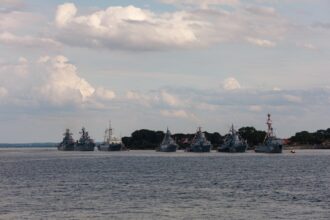
The Soviet Union, a nation perpetually engaged in a complex geopolitical dance, invested heavily in its naval capabilities, particularly in areas where it could achieve strategic advantage without necessarily matching the sheer tonnage of Western fleets. Among the most remarkable and impactful of these developments were its missile boats. These nimble vessels, often deceptively small, packed a formidable punch, revolutionizing naval warfare doctrine and leaving an indelible mark on naval engineering. The story of Soviet missile boat design is one of audacious innovation, pragmatic adaptation, and a relentless pursuit of asymmetric warfare capabilities.
The Genesis of the Missile Boat: A Strategic Imperative
The emergence of effective anti-ship missiles in the mid-20th century presented a paradigm shift in naval strategy. For nations with less extensive shipbuilding capacities or facing technologically superior adversaries, these missiles offered a way to project power and inflict significant damage from a distance, often at a fraction of the cost and complexity of traditional capital ships. The Soviet Union, with its long coastline and its strategic focus on defending its maritime approaches against potential NATO incursions, found the concept of missile-armed smaller craft particularly appealing. The idea was to create a “mosquito fleet” – numerous, fast, and deadly, capable of overwhelming larger, slower, and more expensive warships.
Early Conceptualization and the Birth of the Project 183R “Komar”
The initial Soviet interest in missile boats can be traced back to the late 1950s. The development of the P-15 Termit (NATO reporting name SS-N-2 Styx) missile, a relatively short-range, sea-skimming weapon, was a crucial catalyst. Soviet engineers recognized the potential of mounting these missiles on fast, light platforms. The Project 183R, designated “Komar” (Mosquito), became the first dedicated Soviet missile boat class. These boats were essentially armed torpedo boats, heavily modified to carry two P-15 missiles externally. While their hull design was rooted in earlier torpedo boat technology, the integration of missile armament marked a significant departure.
The Komar class was not designed for extended sea endurance or operations in rough weather. Their primary role was coastal defense and harassment, capable of launching a surprise missile attack and then quickly evading counterattack. Their relatively simple construction and mass-producible nature allowed for rapid deployment and a significant increase in the Soviet Union’s anti-ship missile offensive capability in coastal waters. The operational success of the Komar class, particularly its deployment in various international conflicts, validated the Soviet approach and spurred further development.
The Embrace of Radar and Fire Control
A critical advancement in Soviet missile boat design was the integration of effective radar and fire control systems. Early missile boats relied heavily on visual targeting, which severely limited their operational effectiveness, especially in adverse weather or at night. The Soviet Union’s engineers dedicated considerable effort to developing compact and relatively sophisticated radar systems that could be fitted to these smaller platforms. This allowed missile boats to detect targets at longer ranges and acquire firing solutions with greater accuracy.
The development of dedicated fire control systems, often integrated with the missile guidance systems, enabled the boats to launch their weapons with a higher probability of a hit. This technological leap transformed the missile boat from a visually dependent platform into a more all-weather, day-and-night capable weapon system. The inclusion of these systems, while sometimes less advanced than their Western counterparts in terms of sophistication and processing power, was remarkably effective for their intended purpose and cost.
Soviet missile boat design played a crucial role in the naval strategies of the Cold War, emphasizing speed and firepower to counter larger naval vessels. For a deeper understanding of this topic, you can explore the article on missile boat evolution and its impact on modern naval warfare at In The War Room. This resource provides insights into the technological advancements and strategic implications of these formidable crafts.
The Pinnacle of Missile Boat Design: The “Osa” and “Tarantul” Classes

Following the success of the Komar, Soviet naval engineers continued to push the boundaries of missile boat technology. The desire for increased missile capacity, improved seakeeping, and more advanced weapon systems led to the development of subsequent classes that would become iconic symbols of Soviet naval power projection.
The Project 205 “Osa” Class: A Lethal Evolution
The Project 205 “Osa” class (NATO reporting name Osa) represented a significant leap forward from the Komar. These boats were larger, with a more robust hull designed for better seakeeping. Their armament was substantially increased, typically carrying four P-15 Termit missiles, mounted in trainable launchers. This doubled the missile payload of their predecessors, significantly enhancing their offensive potential.
The Osa class also featured improved radar and electronic warfare capabilities. While still relatively basic by modern standards, these systems were a considerable upgrade, allowing for more effective target acquisition and engagement. The Osa class was produced in large numbers and saw widespread service with the Soviet Navy and was exported to numerous allied nations, where they proved to be a formidable threat to larger surface combatants. Their operational record, including notable engagements, cemented their reputation as highly effective warships.
The Project 1241 “Tarantul” Class: Speed, Stealth, and Advanced Armament
The Project 1241 “Tarantul” class (NATO reporting name Tarantul) marked another significant evolutionary step, embodying the Soviet Union’s drive for faster, more stealthy, and more heavily armed missile boats. These vessels were designed with a focus on speed, incorporating powerful gas turbine engines, allowing them to reach speeds in excess of 40 knots. This high speed was crucial for their hit-and-run tactics, enabling them to quickly engage targets and then disappear before a concerted counterattack could be mounted.
A key innovation in the Tarantul class was the incorporation of more advanced missile systems. While some variants retained the P-15 Termit, later versions were equipped with the more potent P-20 (SS-N-22 Sunburn) or P-120 (SS-N-9 Siren) missiles. These missiles offered greater range, speed, and lethality, capable of engaging targets at significantly longer distances and with a higher probability of penetration against modern defenses. The design also began to incorporate more attention to radar cross-section reduction, hinting at future developments in stealth technology within Soviet naval design, even if rudimentary. The Tarantul class remains one of the most successful and widely recognized Soviet-designed missile boat classes.
Engineering Challenges and Solutions in Small Warship Design
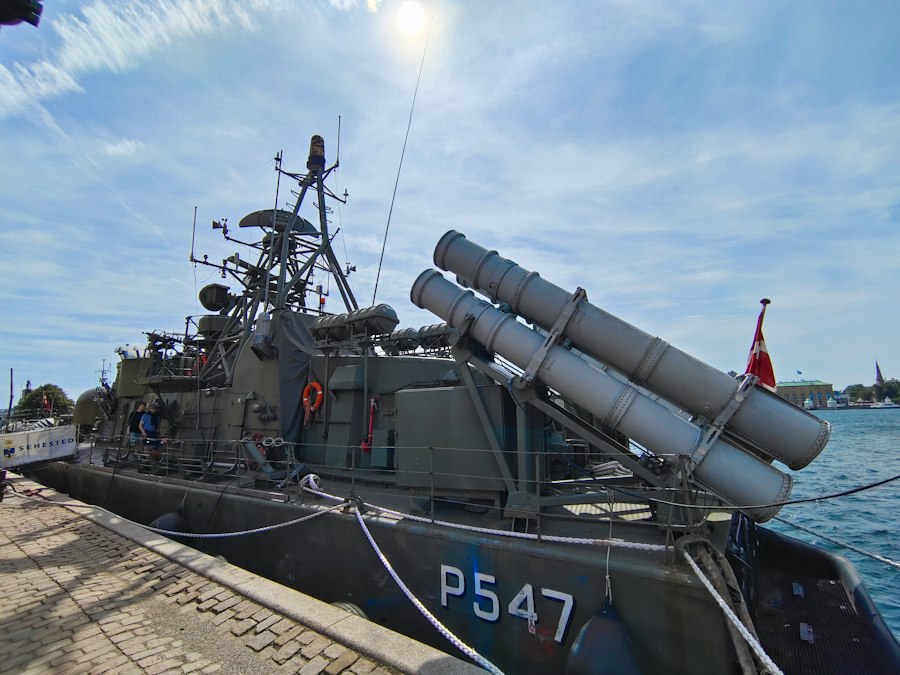
The development of missile boats presented a unique set of engineering challenges. Soviet naval architects and engineers had to balance the requirements for speed, firepower, habitability, and survivability within the constraints of a relatively small hull. This required ingenious solutions and a pragmatic approach to design.
Power and Propulsion: The Quest for Speed
Achieving high speeds was paramount for the effectiveness of Soviet missile boats. The early Komar class utilized diesel engines, but as the design evolved, there was a clear trend towards more powerful propulsion systems. The introduction of gas turbine engines in the Tarantul class was a significant advancement, offering a much higher power-to-weight ratio and the ability to generate bursts of speed required for evasive maneuvers and rapid attack.
The integration of these powerful engines into a relatively small hull required careful consideration of weight distribution, structural integrity, and cooling systems. The Soviets mastered the art of fitting powerful, often complex, propulsion systems into compact spaces, a testament to their engineering prowess. This focus on propulsion was a direct consequence of the missile boat’s intended operational profile, emphasizing speed as a primary defensive and offensive tool.
Weapons Integration and Stability
Integrating potent anti-ship missile launchers onto a small, fast-moving platform posed significant stability challenges. The launch of a missile, particularly a large and powerful one, generates considerable forces that can affect the vessel’s trim and stability. Soviet engineers developed sophisticated mounting systems and launch sequences to mitigate these effects. The placement of missiles and their launchers was carefully calculated to minimize their impact on the boat’s center of gravity and its susceptibility to rolling.
Furthermore, the storage and handling of ordnance on these relatively cramped vessels required meticulous attention to safety protocols and compartment design. The aim was to maximize the missile capacity while maintaining operational safety and efficiency. The design of the missile silos and loading mechanisms, while perhaps not as automated as in larger warships, were optimized for the specific missile types and the operational environment of the missile boats.
The Operational Legacy: Impact on Naval Warfare
The impact of Soviet missile boat design on naval warfare doctrines and operations cannot be overstated. These vessels, born out of a need for asymmetric advantage, proved to be highly effective and influenced naval thinking worldwide.
Asymmetric Warfare and Deterrence
The Soviet missile boat program was a prime example of asymmetric warfare. By fielding large numbers of relatively inexpensive, yet highly lethal, missile boats, the Soviet Union could pose a significant threat to much larger and more expensive Western naval assets, particularly in littoral environments. This created a potent deterrent capability, forcing NATO navies to adapt their strategies and invest in countermeasures. The sheer volume of potential missile threats from numerous small platforms could overwhelm even advanced defensive systems.
The success of these boats demonstrated that naval dominance was not solely about the size and number of capital ships. It highlighted the effectiveness of speed, maneuverability, and the strategic deployment of precision-guided munitions by smaller, more agile platforms. This concept of “swarm tactics” and the utilization of smaller, more numerous assets to counter larger, fewer ones became a recurring theme in naval strategy discussions.
Global Export and Influence
The Soviet Union actively exported its missile boat designs to numerous allied nations, further spreading their influence and impact on global naval capabilities. Countries in the Middle East, Africa, Asia, and Latin America acquired Soviet missile boats and utilized them effectively in regional conflicts. These exports not only bolstered the naval power of Soviet allies but also served as a testing ground for the designs and provided valuable operational feedback.
The widespread adoption of these designs meant that NATO navies had to contend with this threat on a global scale, not just in their immediate operational theaters. The presence of missile-armed small craft in various navies forced a re-evaluation of naval force structures and defensive measures. The legacy of these exported designs can still be seen in the naval inventories of many nations today, with some still operating modified versions of these iconic Soviet vessels.
Soviet missile boat design played a crucial role in the naval strategies of the Cold War, emphasizing speed and firepower to counter larger naval vessels. For a deeper understanding of the evolution and impact of these formidable crafts, you can explore a related article that delves into their operational history and technological advancements. This insightful piece can be found here, providing a comprehensive overview of how these missile boats shaped naval warfare during that era.
Continued Evolution and the Transition to New Generations
| Design Aspect | Metric / Data | Description |
|---|---|---|
| Length | 38-56 meters | Typical length range for Soviet missile boats such as the Osa and Tarantul classes |
| Displacement | 200-500 tons | Standard displacement range depending on class and armament |
| Top Speed | 38-45 knots | High speed capability for rapid attack and evasion |
| Main Armament | 4-8 Anti-ship missiles | Typically equipped with P-15 Termit (SS-N-2 Styx) or later P-270 Moskit (SS-N-22 Sunburn) |
| Secondary Armament | 30mm to 57mm guns | Used for close-in defense against aircraft and small boats |
| Radar Systems | MR-123, MR-104 | Fire control and target acquisition radars commonly installed |
| Propulsion | Gas turbines or diesel engines | Combination used for high speed and operational range |
| Operational Range | 500-1,200 nautical miles | Range varies by class and fuel capacity |
| Crew Size | 30-50 personnel | Typical crew complement for operation and maintenance |
While the “classic” Soviet missile boat era reached its zenith with classes like the Tarantul, the underlying principles of their design continued to influence naval engineering. The pursuit of enhanced capabilities, stealthier profiles, and more potent weaponry led to further refinements and the development of successors.
The Introduction of Advanced Missile Systems
The evolution of Soviet missile boat design was intrinsically linked to the advancement of their missile technology. As new generations of anti-ship missiles emerged, naval engineers sought to integrate them into existing and new platforms. This included missiles with increased range, higher speeds, more sophisticated guidance systems (including active radar homing and inertial navigation), and improved warheads designed to defeat modern naval defenses. The ability to carry and launch these advanced weapons from smaller platforms remained a core objective.
The development of vertically launched missile systems, while more common on larger warships, also began to influence the design thinking for smaller craft, aiming to improve reload times and reduce the missile’s susceptibility to countermeasures during launch. The constant push for more effective weaponry ensured that Soviet missile boats remained a relevant and evolving threat.
The Dawn of the Missile Corvette and Future Trends
As naval technology advanced and the lines between different ship classes blurred, the concept of the missile boat evolved. The late Soviet era and the post-Soviet era saw the development of larger, more capable vessels that often blurred the distinction between a missile boat and a missile corvette. These vessels incorporated more advanced sensor suites, better seakeeping capabilities, enhanced electronic warfare systems, and a wider array of weaponry, including anti-submarine capabilities and close-in weapon systems.
The innovations pioneered in Soviet missile boat design laid the groundwork for these future generations. The emphasis on speed, missile power, and efficient integration of combat systems remained central. The legacy of Soviet naval engineering in this domain is a testament to their ability to develop effective and influential naval platforms that significantly shaped the landscape of modern naval warfare. The principles of cost-effectiveness, asymmetric advantage, and the lethal power of guided missiles, so brilliantly demonstrated by the Soviet missile boats, continue to resonate in naval design and strategy today.

The Soviet Warship That Learned to Fly
FAQs
What were some key features of Soviet missile boat design?
Soviet missile boats were known for their small size, high speed, and powerful armament of anti-ship missiles. They were designed for hit-and-run attacks on enemy ships.
How did Soviet missile boats differ from traditional naval vessels?
Soviet missile boats were smaller and faster than traditional naval vessels, allowing them to quickly approach enemy ships, launch missiles, and retreat before the enemy could respond effectively.
What types of missiles were typically carried by Soviet missile boats?
Soviet missile boats were equipped with a variety of anti-ship missiles, including the P-15 Termit (SS-N-2 Styx) and the P-270 Moskit (SS-N-22 Sunburn). These missiles were designed to strike enemy ships from a distance.
How effective were Soviet missile boats in combat situations?
Soviet missile boats were highly effective in combat situations, especially in coastal and confined waters where their speed and maneuverability gave them an advantage over larger, slower enemy vessels. They were used successfully in conflicts such as the Arab-Israeli wars and the Iran-Iraq War.
What was the impact of Soviet missile boat design on naval warfare?
Soviet missile boat design had a significant impact on naval warfare by introducing a new class of fast attack craft that could strike enemy ships with precision and then quickly evade counterattacks. This influenced the development of similar missile boat designs by other naval powers around the world.