The Electrosphere’s Fury: How High-Altitude Nuclear Detonations Disrupt Radar’s Gaze
The advent of nuclear weapons brought with it a chilling new dimension to warfare: the potential for effects far beyond the immediate blast zone. Among the most insidious of these secondary impacts are the profound disruptions that high-altitude nuclear explosions can inflict upon radar systems, the electronic eyes of modern defense. These detonations, occurring at altitudes ranging from tens to hundreds of kilometers above the Earth’s surface, unleash a cascade of electromagnetic phenomena that can blind, confuse, and even render inoperable the sophisticated radar networks essential for surveillance, navigation, and missile defense. Understanding these impacts is crucial for appreciating the strategic implications of nuclear weapon deployment and for developing robust countermeasures.
High-altitude nuclear blasts can significantly disrupt radar systems, leading to a range of operational challenges for military and civilian applications. For a deeper understanding of the implications of such interference, you can explore the article on radar vulnerabilities in the context of nuclear detonations. This insightful piece discusses the technical aspects and potential countermeasures that can be employed to mitigate the effects of high-altitude nuclear blast radar interference. To read more, visit this article.
The Phenomenology of High-Altitude Nuclear Explosions

A high-altitude nuclear explosion, often referred to as a high-altitude electromagnetic pulse (HEMP) event, differs significantly from a ground burst or low-altitude detonation in its primary effects. While the thermal and blast waves are considerably attenuated at these altitudes, the release of immense energy into the upper atmosphere triggers a complex interplay of ionization and electromagnetic radiation that can propagate over vast distances.
The Genesis of the Electromagnetic Pulse
When a nuclear weapon detonates at high altitude, the intense gamma rays produced interact with the atmospheric gases. This interaction leads to Compton scattering, where energetic electrons are ejected from atmospheric atoms. These rapidly moving electrons, in turn, generate powerful, short-duration electromagnetic fields. This phenomenon is the core of the HEMP effect. The initial gamma ray flux is extremely intense and short-lived, creating a rapid ionization front. As this front expands, it generates a powerful, broad-spectrum electromagnetic pulse.
Ionospheric Disturbances and Their Temporal Evolution
The HEMP is not a singular event but a complex sequence of pulses. The initial gamma rays cause prompt ionization. Subsequent interactions and the decay of radioactive products contribute to the ongoing disturbance of the ionosphere. The ionosphere, a region of charged particles in the Earth’s upper atmosphere, is highly sensitive to electromagnetic disturbances. A high-altitude nuclear detonation injects a massive surge of energy into this region, dramatically altering its electrical conductivity and refractive properties. These changes are not instantaneous and can evolve over time, with effects persisting for minutes to hours depending on the yield of the detonation and atmospheric conditions.
Prompt Pulse Generation
The immediate aftermath of the detonation sees the generation of the initial electromagnetic pulse. This is characterized by very steep rise times and high peak amplitudes. The pulse consists of three distinct components, often referred to as E1, E2, and E3. The E1 component is the most damaging, characterized by its extremely fast rise time and high frequency content. This is the primary source of disruption to sensitive electronic components. The E2 component is less energetic and has a slower rise time, while the E3 component is a slower, longer-duration pulse caused by the interaction of the detonation’s debris with the Earth’s magnetic field.
Sustained Ionospheric Perturbations
Beyond the initial EMP, the detonation leaves behind a significant trail of ionized particles. This “ionospheric hole” or disturbance can persist for considerable periods, affecting radio wave propagation and radar operations for extended durations. The residual ionization can alter the refractive index of the ionosphere, leading to unpredictable signal bending, absorption, and scintillation. This sustained disruption can effectively create a temporary “blackout” zone for radar operations.
Radar’s Vulnerability to EMP Effects
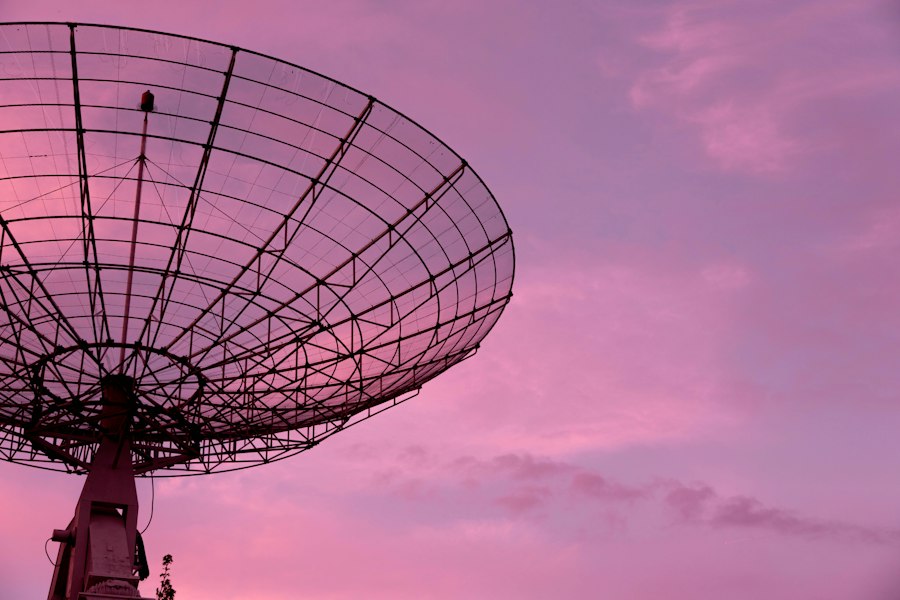
Radar systems, reliant on the precise transmission and reception of radio waves, are inherently susceptible to the broad spectrum of electromagnetic radiation and the altered atmospheric conditions created by a high-altitude nuclear detonation. The HEMP can overwhelm electronic circuits, alter signal propagation pathways, and introduce spurious signals that mask legitimate targets.
Direct Circuit Damage from the Electromagnetic Pulse
The high-voltage transients generated by the E1 component of the HEMP can directly damage or destroy sensitive electronic components within radar systems. The rapid rise time and high amplitude of this pulse can exceed the breakdown voltage of transistors, integrated circuits, and other semiconductor devices, leading to immediate failure. This damage can occur across a wide geographical area, potentially disabling entire networks of radar installations.
Interference and False Targets
Even if radar components are not physically damaged, the HEMP can introduce significant interference. The intense electromagnetic noise can saturate receiver front-ends, preventing them from detecting weak target echoes. Furthermore, the disrupted ionosphere can cause signal reflections from atmospheric anomalies or even from the HEMP itself, leading to the generation of false targets. These ghost echoes can confuse operators, waste valuable tracking resources, and potentially lead to misidentification of threats.
Ionospheric Distortion of Radar Beams
The ionosphere acts as a refractive medium for radio waves. A high-altitude nuclear detonation dramatically alters this medium. The ionization created can cause the radar beam to be bent, scattered, or absorbed in unpredictable ways. This distortion can prevent the radar from accurately determining the range, altitude, or velocity of targets. For radar systems operating at frequencies that are particularly susceptible to ionospheric refraction (e.g., VHF and UHF bands), the impact can be catastrophic. The ability of the radar to maintain a stable, focused beam is compromised, leading to a significant degradation in performance and potentially a complete loss of tracking capability.
Specific Radar System Impacts and Degradations
The effects of a high-altitude nuclear detonation are not uniform across all radar systems. Different types of radar, operating at various frequencies and with different functionalities, will experience varying degrees of disruption. Understanding these specific impacts is crucial for assessing the overall strategic vulnerability.
Ground-Based Surveillance Radars
Ground-based surveillance radars, responsible for monitoring airspace for aircraft and missiles, are particularly vulnerable. The disruption of the ionosphere can significantly reduce their effective range and accuracy. False targets generated by EMP-induced atmospheric reflections can overwhelm tracking algorithms, making it difficult to distinguish real threats from noise. The broad coverage area of these systems means they are susceptible to HEMP effects even from detonations occurring hundreds or thousands of kilometers away.
Airborne Radar Systems
While airborne radars might seem less exposed, they are not immune. The HEMP can still induce currents in aircraft antennas and wiring, potentially damaging onboard electronics. Furthermore, the disruption of the ionosphere can affect their ability to communicate with ground stations or to receive signals from other airborne platforms. If an aircraft is flying at high altitude, it might even pass through regions of residual ionization, experiencing intermittent electronic failures.
Missile Defense Radars
Missile defense radars, designed to detect and track incoming ballistic missiles, are among the most critical systems to protect. Their operational success relies on precise tracking and discrimination of targets in complex environments. A high-altitude nuclear detonation can introduce a maelstrom of false targets and ionospheric distortions that make the discrimination task nearly impossible. The rapid maneuvers and high speeds of ballistic missiles require a radar system with unwavering accuracy, which can be severely compromised by the chaotic electromagnetic environment created by an HEMP event.
Radar Frequencies and Their Susceptibility
The impact of ionospheric disturbances on radar systems is frequency-dependent. Lower frequency radars (VHF, UHF) are more susceptible to ionospheric refraction, as their wavelengths are closer to the scales of ionospheric irregularities. Higher frequency radars (X-band, Ku-band) are generally less affected by ionospheric refraction but can still be vulnerable to direct EMP interference and damage. The interaction of the EMP’s spectral content with the specific operating frequency of a radar system determines the severity of the impact.
High-altitude nuclear blasts have been shown to create significant radar interference, impacting both military and civilian communication systems. This phenomenon is particularly concerning for defense strategies and emergency response protocols. For a deeper understanding of the implications of such interference, you can read a related article that explores the effects of electromagnetic pulses on radar systems. This insightful piece can be found here.
Mitigating the Threat: Hardening and Countermeasures
| Metric | Description | Typical Values | Impact on Radar Systems |
|---|---|---|---|
| EMP Intensity | Electromagnetic pulse strength generated by the blast | Up to 50 kV/m at ground level | Can cause temporary or permanent damage to radar electronics |
| Altitude of Detonation | Height above Earth’s surface where the nuclear device is detonated | 30 km to 400 km | Higher altitudes increase EMP coverage area and radar blackout zones |
| Radar Frequency Range | Operating frequency of affected radar systems | VHF (30-300 MHz) to X-band (8-12 GHz) | Lower frequencies more susceptible to ionospheric disturbances |
| Duration of Interference | Time period radar signals are disrupted post-blast | Seconds to several minutes | Temporary loss of radar tracking and communication |
| Ionospheric Disturbance | Changes in ionosphere density and composition caused by blast | Increased electron density by 10^5 to 10^6 electrons/cm³ | Causes signal scattering, absorption, and radar blackout |
| Radar Signal Attenuation | Reduction in radar signal strength due to interference | Up to 30 dB loss | Degrades radar detection and tracking capabilities |
Recognizing the significant threat posed by high-altitude nuclear detonations, considerable effort has been invested in developing strategies to mitigate their impact on radar systems. These efforts fall into two broad categories: hardening existing systems against EMP and developing new technologies and operational procedures to counter the effects.
EMP Hardening of Radar Components
A primary approach involves making radar components more resilient to EMP. This includes techniques such as shielding sensitive electronics within Faraday cages, using surge protectors and transient voltage suppressors to divert excess energy, and employing robust circuit designs that can withstand higher voltage levels. The goal is to prevent the damaging currents from reaching critical components or to allow them to dissipate safely. This hardening is often applied to critical components like receivers, transmitters, and signal processing units.
Shielding and Isolation Techniques
Physical shielding plays a vital role in EMP protection. Enclosing radar equipment within conductive enclosures that block electromagnetic radiation is a fundamental technique. Additionally, ensuring proper grounding and isolation of systems is crucial to prevent EMP-induced currents from propagating through interconnected wiring. This isolation can involve the use of specialized connectors and surge arrestors designed to attenuate or block EMP transients.
Redundancy and Diversification of Radar Networks
Another critical strategy is to build redundancy and diversification into radar networks. Having multiple radar systems, employing different technologies and operating at different frequencies, can ensure that a single HEMP event does not cripple all surveillance and tracking capabilities. If one type of radar is significantly degraded, others can continue to provide partial or full operational coverage. This distributed approach enhances the overall resilience of the defense infrastructure.
Advanced Signal Processing and Filtering
Sophisticated signal processing techniques can also play a role in mitigating the effects of EMP. Algorithms designed to identify and filter out spurious signals and false targets can help operators distinguish real threats from the noise introduced by a HEMP event. By analyzing the characteristics of incoming signals, these algorithms can learn to recognize the signature of EMP-induced interference and suppress it. This requires significant computational power and advanced pattern recognition capabilities.
Operational Procedures and Standby Readiness
Beyond technological solutions, operational procedures and strategic planning are essential. This can include implementing protocols for operating radars in a degraded environment, maintaining standby readiness for hardened systems, and having well-rehearsed procedures for responding to and recovering from an EMP event. Understanding the likely geographic areas of impact based on potential detonation locations allows for strategic positioning of assets and the development of contingency plans.
The Strategic Implications of EMP Warfare
The capacity to disable an adversary’s radar systems through high-altitude nuclear detonations presents a profound strategic advantage. It offers a means to blind an enemy, disrupting their ability to detect incoming threats, coordinate defenses, and maintain situational awareness, potentially paving the way for a successful offensive operation. The concept of an EMP attack as a “bolt from the blue” remains a significant concern in military planning.
Degrading Defensive Capabilities
The primary strategic implication of a successful EMP attack against radar systems is the severe degradation of an adversary’s defensive capabilities. Without functioning radar, air defense systems are blind, missile detection is severely hampered, and early warning systems are rendered ineffective. This creates a window of vulnerability during which an adversary’s offensive forces can operate with significantly reduced risk of detection and interdiction.
Impact on Command and Control
Radar systems are intrinsically linked to command and control (C2) structures. The information they provide is vital for decision-making at all levels of military operations. The disruption of radar can thus have cascading effects on C2, leading to confusion, miscommunication, and a loss of coordinated action. The ability of a nation to command and control its forces is fundamentally compromised when its primary surveillance assets are rendered inoperable.
The Future of Radar and EMP Defense
The ongoing arms race in electronic warfare means that the development of more resilient radar systems and effective EMP countermeasures is a continuous process. As adversaries develop new methods for generating and employing EMP weapons, so too will the focus on defending against them intensify. Future radar systems may incorporate even more advanced shielding, embedded intelligence for self-diagnosis and adaptation, and operate in frequency bands less susceptible to ionospheric disturbances. The strategic landscape will continue to evolve as the capabilities and defenses against this unique and potent threat mature. The very nature of electronic warfare, especially in the context of nuclear capabilities, underscores the importance of understanding and adapting to these complex phenomena.

The 1958 Space Nukes Meant to Destroy Soviet Missiles
FAQs
What is a high-altitude nuclear blast?
A high-altitude nuclear blast is a detonation of a nuclear weapon in the Earth’s atmosphere, typically at altitudes above 30 kilometers.
How can a high-altitude nuclear blast affect radar systems?
A high-altitude nuclear blast can produce an electromagnetic pulse (EMP) that can interfere with radar systems by disrupting or damaging their electronic components.
What are the potential consequences of radar interference caused by a high-altitude nuclear blast?
The consequences of radar interference can include loss of communication, navigation errors, and compromised situational awareness, which can impact military operations, air traffic control, and other critical systems.
How can radar systems be protected from interference caused by a high-altitude nuclear blast?
Radar systems can be shielded or hardened against electromagnetic pulses (EMPs) through the use of protective measures such as Faraday cages, surge protectors, and grounding techniques.
Are there ongoing efforts to mitigate the impact of high-altitude nuclear blast radar interference?
Yes, researchers and defense agencies are actively working on developing technologies and strategies to enhance the resilience of radar systems against electromagnetic interference from high-altitude nuclear blasts.