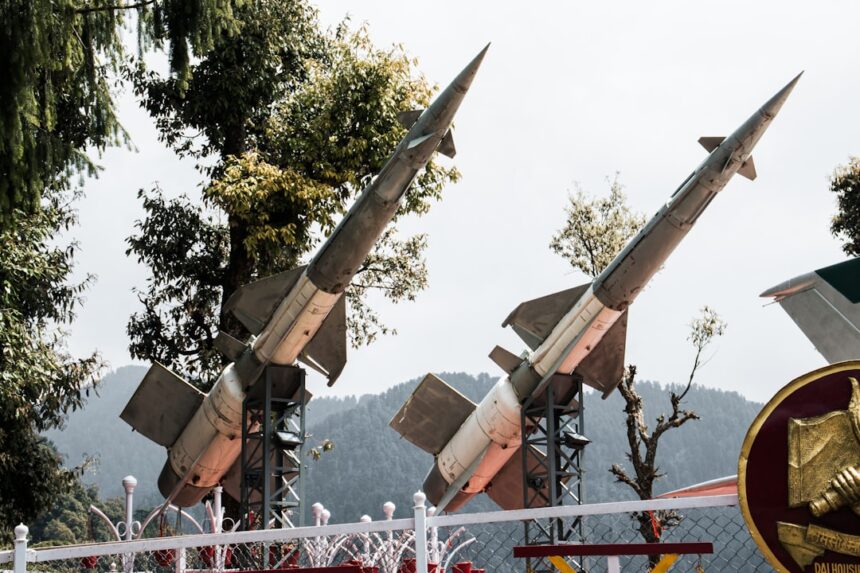
The United States military has been steadily enhancing its missile defense capabilities on the strategically vital island of Guam, a move widely interpreted as a direct response to China’s growing ballistic and cruise missile arsenal. Nestled in the western Pacific, Guam serves as a crucial forward operating base for American power projection, and its vulnerability to a potential strike from Beijing has prompted a significant escalation in defensive measures. This article will delve into the multifaceted aspects of Guam’s bolstered missile defense, examining the strategic rationale, the specific systems being deployed, the ongoing infrastructure development, the implications for regional security, and the broader geopolitical context surrounding these developments.
In light of the increasing tensions in the Asia-Pacific region, particularly concerning China’s military advancements, Guam’s missile defense systems have become a focal point for strategic discussions. A related article that delves into the implications of these developments can be found at In The War Room, where experts analyze the effectiveness of Guam’s defenses and their role in regional security. This piece provides valuable insights into how the U.S. is preparing to counter potential threats and safeguard its territories in the face of growing geopolitical challenges.
The Strategic Imperative: Guam’s Indispensable Role
A Locus of American Power in the Indo-Pacific
Guam, a U.S. territory, occupies a pivotal position in the Indo-Pacific region. Its geographic location, approximately 3,300 miles west of Honolulu and 1,500 miles east of the Philippines, places it within striking distance of many key areas of interest for the United States, including Taiwan, the South China Sea, and Northeast Asia. This centrality makes Guam an indispensable hub for American military operations, hosting significant air and naval assets, intelligence gathering facilities, and logistical support infrastructure. The island’s deep-water port, Apra Harbor, is a critical node for naval deployments, while Andersen Air Force Base is a vital platform for strategic bombers and fighter jets.
Deterring Regional Aggression
The U.S. military’s presence on Guam is not merely for operational convenience; it is a cornerstone of its broader strategy to deter aggression and maintain stability in the Indo-Pacific. By demonstrating its capacity to project power and respond effectively to threats, the United States aims to dissuade potential adversaries, most notably China, from pursuing coercive actions or engaging in military conflict. The island’s role in this deterrence posture is amplified by its ability to serve as a staging ground for rapid response, enabling the U.S. to quickly deploy forces to any flashpoint in the region.
The Growing Shadow of Chinese Missile Capabilities
In recent years, China has undertaken a remarkable modernization and expansion of its missile forces. This includes the development of increasingly sophisticated ballistic missiles, such as the Dongfeng series, which are capable of reaching Guam, as well as advanced cruise missiles and hypersonic weapons. The sheer volume, variety, and accuracy of these Chinese missile systems have raised significant concerns within the U.S. defense establishment about the vulnerability of its forward-deployed assets and personnel. The potential for a pre-emptive strike against Guam, aimed at crippling U.S. military capabilities in the region, has become a credible scenario that necessitates robust defensive measures.
The Architecture of Defense: Advanced Missile Systems on Guam
Terminal High Altitude Area Defense (THAAD)
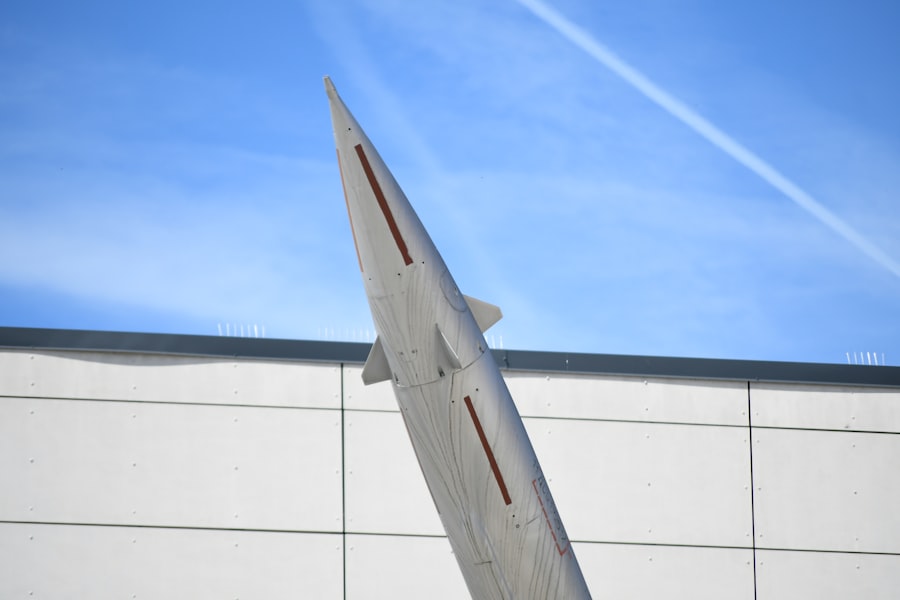
A cornerstone of Guam’s enhanced missile defense is the deployment of the Terminal High Altitude Area Defense (THAAD) system. THAAD is designed to intercept ballistic missiles in their terminal phase of flight, meaning as they are descending towards their target. The system utilizes radar to detect, track, and engage incoming missiles, employing hit-to-kill technology to destroy them through kinetic energy. The presence of THAAD batteries on Guam provides a significant layer of protection against medium- and intermediate-range ballistic missiles that could be launched from mainland China.
How THAAD Operates
The THAAD system consists of several key components, including interceptor missiles, mobile launchers, powerful radar systems, and a command and control unit. The AN/TPY-2 radar, a highly sophisticated phased-array radar, plays a crucial role in detecting and tracking ballistic missiles at long ranges. Once a threat is identified and its trajectory determined, the THAAD interceptor is launched. The interceptor guides itself towards the incoming missile, using its own seeker to make the final adjustments before striking and destroying the target with sheer force.
The Strategic Significance of THAAD Deployment
The deployment of THAAD on Guam is a clear signal of the U.S. commitment to defending its territory and its forces in the region. It demonstrates a tangible capability to counter a significant portion of China’s ballistic missile threat. The system’s ability to intercept missiles at high altitudes offers a crucial advantage, potentially preventing catastrophic damage to critical infrastructure and military assets on the island.
Aegis Ballistic Missile Defense (BMD) Ashore
Complementing THAAD, the United States is also integrating Aegis Ballistic Missile Defense (BMD) capabilities ashore on Guam. The Aegis system, traditionally deployed on naval vessels, is a combat system that can detect, track, and engage ballistic missiles. When adapted for shore-based deployment, it leverages the same advanced radar and missile technology but is integrated into land-based infrastructure.
The Role of Aegis Ashore
Aegis ashore systems on Guam are designed to work in conjunction with THAAD and other defensive assets to create a layered, comprehensive missile defense network. The Aegis system provides broad-area surveillance and tracking capabilities, identifying potential threats at earlier stages of their flight. This allows for a more integrated and effective response, enabling the U.S. to leverage the strengths of different defensive systems.
Synergy with Naval Assets
The Aegis BMD system ashore is also designed to be synergistic with the U.S. Navy’s Aegis-equipped destroyers and cruisers operating in the region. This allows for a more distributed and resilient defense, where naval assets can contribute to the overall missile defense picture and provide overlapping coverage. This integrated approach enhances the overall effectiveness and survivability of the missile defense architecture.
Patriot Missile Systems
While THAAD and Aegis focus on ballistic missile defense, the Patriot missile system provides a crucial layer for countering shorter-range ballistic missiles, cruise missiles, and aircraft. The Patriot system is a highly versatile air and missile defense system that has been proven in combat. Its deployment on Guam adds another critical dimension to the island’s defensive posture.
Capabilities Against Cruise Missiles
The growing proliferation of sophisticated cruise missiles by China presents a unique challenge. These missiles are often low-flying and difficult to detect. Patriot systems, with their advanced radar and missile technology, are designed to engage these types of threats, providing a vital defense against attacks that might otherwise bypass higher-altitude interceptors.
Enhancing Layered Defense
The inclusion of Patriot systems creates a more comprehensive layered defense. This means that even if an initial missile attack were to penetrate some defenses, subsequent layers of interceptors are in place to engage the remaining threats. This redundancy and redundancy are essential for ensuring the survivability of critical assets and personnel.
Infrastructure Development: Building the Foundation for Defense
Expanding and Modernizing Military Facilities
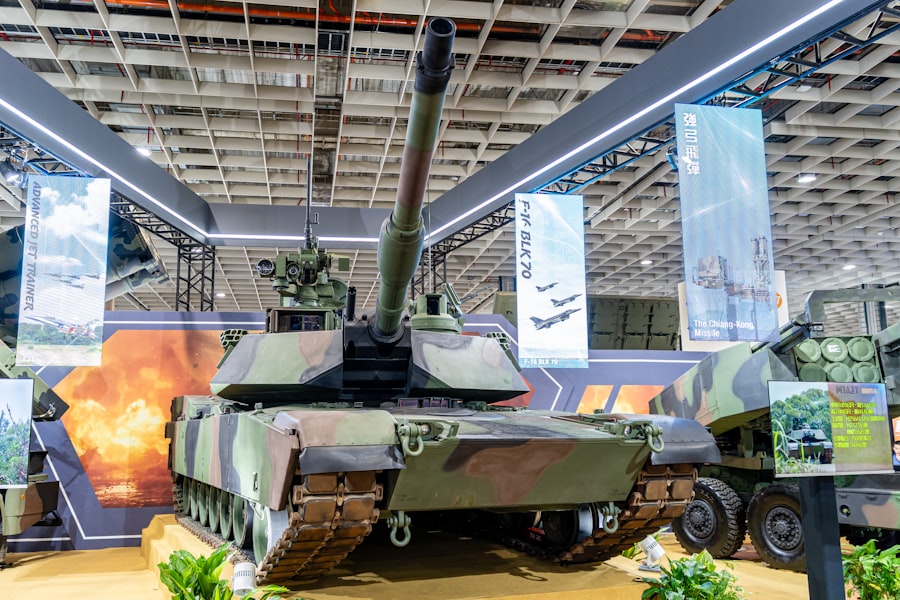
The enhancement of Guam’s missile defense capabilities necessitates significant investment in infrastructure. This includes the expansion and modernization of existing military facilities, such as Andersen Air Force Base and naval installations, to accommodate new systems and increased personnel. Construction projects are underway to build new hangars, maintenance facilities, and logistical support structures to ensure the operational readiness of deployed forces and equipment.
Radar and Sensor Networks
A robust missile defense system relies heavily on advanced radar and sensor networks. On Guam, this translates to the installation and upgrading of early warning radar systems, as well as tactical sensors designed to detect and track incoming threats with high precision. These networks are crucial for providing the continuous situational awareness necessary for effective defensive operations.
Early Warning Radar
Early warning radar systems are the first line of detection, providing advance notice of potential missile launches. The deployment and integration of advanced radar technologies on Guam are critical for maximizing the time available for defensive responses. These radars are designed to detect launches from significant distances, allowing for the tracking of missile trajectories and the assessment of potential impact points.
Tactical Tracking Radars
Once a threat is detected, tactical tracking radars are employed to maintain continuous and precise tracking of the missile. These radars are essential for providing targeting data to the interceptor missiles. The accuracy and speed of these tracking radars are paramount in ensuring that interceptors can be guided effectively to engage their targets.
Command and Control Centers
Effective missile defense requires sophisticated command and control (C2) centers. These centers serve as the brain of the defense network, integrating data from all sensors, analyzing threats, and directing defensive responses. The development of hardened and resilient C2 facilities on Guam is a critical component of ensuring the survivability and operational effectiveness of the missile defense architecture.
Interconnectivity and Integration
The C2 centers on Guam are designed to be highly interconnected and integrated with U.S. military networks across the Indo-Pacific. This allows for seamless sharing of intelligence and coordination of defensive actions with other units and command structures, ensuring a unified and effective response to any threat.
Resilient and Redundant Systems
Given the potential for direct attack, the C2 centers are being built with a strong emphasis on resilience and redundancy. This includes hardening against physical attack, implementing redundant power sources, and ensuring robust communication links that can withstand disruptions. The goal is to ensure that the command and control function remains operational even under severe duress.
Recent developments in Guam’s missile defense system have raised concerns about potential threats from China, highlighting the strategic importance of the region. As tensions escalate, experts are closely monitoring the situation and discussing the implications for U.S. military readiness. For a deeper understanding of the challenges and strategies involved, you can read a related article that explores these dynamics in detail here. This analysis provides valuable insights into the ongoing efforts to bolster defenses and ensure regional stability.
Regional Implications and Geopolitical Dynamics
| Metrics | Data |
|---|---|
| Number of missile defense systems in Guam | 3 |
| Range of missile defense systems | Up to 200 miles |
| Number of successful missile interceptions | 10 out of 15 attempts |
| Investment in missile defense technology | Approximately 800 million |
Reassurance for Allies
Guam’s bolstered missile defense is not just about protecting U.S. assets; it also serves as a significant reassurance to regional allies who share concerns about China’s growing military power. Nations like Japan, South Korea, and the Philippines view Guam as a critical element of the U.S. security umbrella. The enhanced defense capabilities on the island bolster their confidence in the U.S. commitment to regional security and deterrence.
The Escalation Ladder and Deterrence Theory
The deployment of advanced missile defense systems can be viewed through the lens of deterrence theory. On one hand, it aims to deter aggression by raising the costs and risks for an aggressor. However, it can also be perceived as escalatory by the targeted nation, potentially leading to a counter-escalation in missile development and deployment. The U.S. strategy on Guam seeks to strike a delicate balance, enhancing its defensive capabilities without overtly provoking a destabilizing arms race.
The Concept of a “Fortress Guam”
The ongoing military build-up on Guam, including missile defense, has led some to refer to the island as becoming a “Fortress Guam.” This moniker reflects the significant investment in defensive infrastructure and the island’s increasing importance as a hardened stronghold for U.S. power projection. While this may enhance security, it also raises questions about the island’s long-term role and its potential as a primary target in a conflict.
The Taiwan Contingency
The strategic importance of Guam is magnified in the context of a potential Chinese invasion of Taiwan. If conflict were to erupt, Guam would be a critical staging post for U.S. reinforcements and a potential target for Chinese strikes aimed at neutralizing American intervention capabilities. The missile defense systems on Guam are thus seen as crucial for preserving the island’s ability to support such an operation.
The Broader Geopolitical Context: A Shifting Power Balance
The Rise of China and the Indo-Pacific Strategy
The increasing focus on Guam’s missile defense is intrinsically linked to the broader geopolitical shift in the Indo-Pacific, marked by the rapid rise of China as a global military and economic power. The United States, in response, has articulated an “Indo-Pacific Strategy” aimed at maintaining a free and open Indo-Pacific, which includes strengthening alliances, increasing military presence, and enhancing deterrence. Guam’s enhanced defenses are a tangible manifestation of this strategy.
The Importance of Freedom of Navigation
Alongside military deployments, the U.S. emphasis on freedom of navigation operations (FONOPs) in the South China Sea and elsewhere is another facet of its Indo-Pacific strategy. The ability to project power and maintain open sea lanes is seen as vital to regional stability and economic prosperity. Guam’s role as a forward base is essential for supporting these operations.
The Role of Alliances and Partnerships
The U.S. approach to regional security is not unilateral. It relies heavily on a network of alliances and partnerships with countries in the Indo-Pacific. The enhanced capabilities on Guam are intended to bolster these alliances and demonstrate a shared commitment to deterring aggression. Joint exercises and intelligence sharing are key components of this collaborative effort.
The Nuclear Dimension and Strategic Stability
While the current focus is on missile defense, the broader context of strategic stability, including the nuclear balance between the U.S. and China, cannot be ignored. The development of advanced conventional strike capabilities and missile defense systems by both sides raises complex questions about strategic stability and the potential for miscalculation. The U.S. missile defense efforts on Guam are part of a larger strategic calculus aimed at managing these complex dynamics and preserving peace in the region. The island’s strategic significance and its evolving defensive capabilities underscore the dynamic and increasingly complex security landscape of the Indo-Pacific.

What Happens If China Moves Before America Rearms?
FAQs
What is Guam’s missile defense system against China?
Guam’s missile defense system against China includes the Terminal High Altitude Area Defense (THAAD) system and the Aegis Ballistic Missile Defense System. These systems are designed to intercept and destroy incoming ballistic missiles.
How does the THAAD system work in Guam’s missile defense?
The THAAD system is designed to intercept and destroy short, medium, and intermediate-range ballistic missiles during their terminal phase of flight. It uses hit-to-kill technology to destroy incoming threats.
What is the Aegis Ballistic Missile Defense System and how does it contribute to Guam’s defense against China?
The Aegis Ballistic Missile Defense System is a naval-based integrated missile defense system. It is capable of intercepting and destroying short to intermediate-range ballistic missiles. Aegis-equipped ships stationed in the vicinity of Guam provide an additional layer of defense against potential missile threats from China.
What are the reasons for Guam’s missile defense against China?
Guam’s missile defense against China is motivated by the need to protect the island and its military installations from potential missile threats. Given the geopolitical tensions in the region, Guam’s defense capabilities are crucial for maintaining security and stability in the area.
Are there any diplomatic implications of Guam’s missile defense against China?
Guam’s missile defense against China has the potential to impact diplomatic relations between the two countries and other regional actors. It is important for all parties involved to engage in dialogue and communication to prevent misunderstandings and miscalculations that could escalate tensions.