The Subtle Art of Ground Effect: How Aircraft Master Low-Altitude Flight
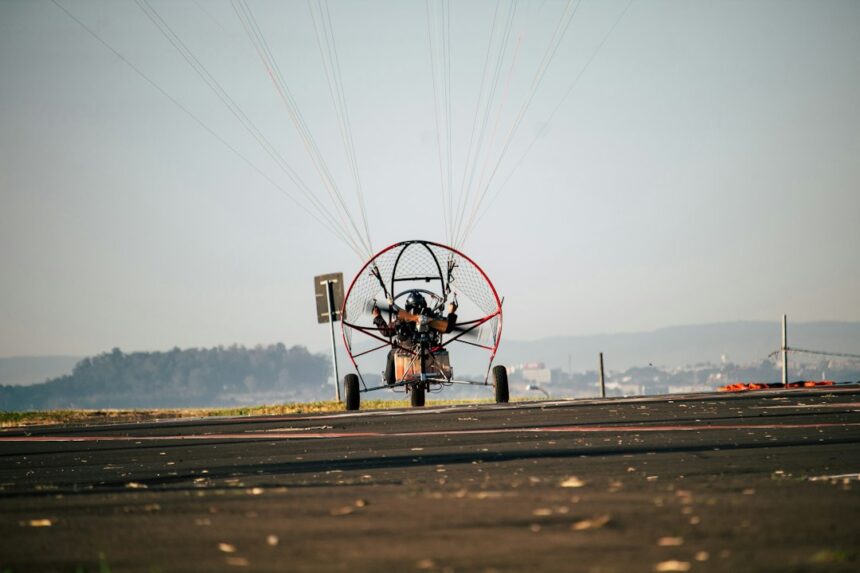
The sight of an aircraft skimming mere feet above a runway or a body of water is a captivating spectacle. It’s a demonstration of a phenomenon known as ground effect, a subtle yet powerful aerodynamic principle that allows pilots to achieve remarkable feats of low-altitude flight. While most people associate aircraft with soaring at high altitudes, understanding ground effect reveals a fascinating dimension to aviation, explaining why planes can seemingly “glide” closer to surfaces than one might expect. This article delves into the science behind ground effect, exploring its principles, applications, and the unique aircraft that are designed to harness its power.
Ground effect flight is a fascinating phenomenon that occurs when an aircraft flies close to the ground, resulting in increased lift and reduced drag. This effect is particularly significant during takeoff and landing, where the proximity to the ground can enhance the aircraft’s performance. For a deeper understanding of this topic, you can read a related article that explores the principles and applications of ground effect flight in detail. Check it out here: Ground Effect Flight Explained.
Unpacking the Aerodynamic Foundations
At its core, ground effect is a result of how air behaves around a lifting surface, specifically an airfoil, when it is in close proximity to a solid boundary, such as the ground or water. To understand this, one must first grasp the fundamental principles of lift generation in conventional flight.
The Science of Lift: Bernoulli’s Principle and Newton’s Third Law
Aircraft wings are designed with a specific shape, an airfoil, typically curved on the upper surface and flatter on the lower surface. This shape is crucial for generating lift. As air flows over and under the wing, it travels at different speeds. According to Bernoulli’s principle, faster-moving air exerts lower pressure. Therefore, the air moving over the curved upper surface travels a longer distance and at a higher speed than the air flowing beneath the wing. This speed differential creates lower pressure above the wing and higher pressure below it, resulting in an upward force – lift.
Simultaneously, Newton’s third law of motion plays a role. The wing is angled slightly upwards, known as the angle of attack. This angle deflects the oncoming air downwards. For every action, there is an equal and opposite reaction; thus, the downward deflection of air creates an upward force on the wing, contributing to lift. The combination of these two principles is what keeps an aircraft airborne.
Wingtip Vortices: The Unseen Drag
A byproduct of lift generation is the formation of wingtip vortices. As air flows over the wing, the higher pressure air from underneath tends to spill over the wingtip towards the lower pressure area on top. This creates a swirling mass of air at the wingtips, which is essentially a miniature tornado. These vortices are a significant source of induced drag, a type of drag that is directly related to the generation of lift. The stronger the lift, the stronger the wingtip vortices and the greater the induced drag. This drag is particularly pronounced at lower speeds and higher angles of attack, such as during takeoff and landing.
The Impact of Proximity: How the Ground Alters Aerodynamics
The presence of a solid surface close to the aircraft’s wings fundamentally alters the airflow patterns and, consequently, the aerodynamic forces acting on the aircraft. This is where ground effect comes into play, offering a distinct advantage in specific flight regimes.
The Compression Effect: Reducing Downwash and Vortices
When an aircraft flies very close to the ground, the solid surface restricts the downward deflection of air that typically occurs behind the wing. This restriction, often referred to as the “compression effect,” significantly reduces the downwash angle of the airflow. Consequently, the wingtip vortices, which are a direct result of this downwash, are also diminished in strength and size.
With reduced downwash and weaker vortices, the induced drag experienced by the aircraft is substantially lowered. This means that for the same amount of lift generated, the aircraft requires less thrust to overcome drag. This reduction in induced drag is the primary driver behind the enhanced performance observed in ground effect.
The Cushion of Air: Increased Lift for Less Effort
The reduced downwash also has a direct impact on the lift coefficient of the wing. By restricting the downward flow of air, the wing effectively “sees” a higher effective angle of attack than it would in free flight at the same geometric angle. This leads to an increase in the wing’s lift coefficient, meaning it can generate more lift for a given airspeed.
Therefore, an aircraft in ground effect experiences both a reduction in drag and an increase in lift. This combination results in a significant improvement in aerodynamic efficiency. The aircraft effectively rides on a cushion of compressed air, requiring less power to maintain altitude and airspeed. This phenomenon is most pronounced when the wings are within one wingspan of the surface. The closer the aircraft gets to the surface, the stronger the ground effect becomes, up to a certain point.
Manifestations and Applications of Ground Effect
The principles of ground effect are not merely theoretical; they have tangible effects on aircraft performance and have led to the development of specialized vehicles designed to exploit these advantages.
Takeoff and Landing: The Invisible Hand
The most common and readily observable manifestation of ground effect occurs during takeoff and landing. During takeoff, as the aircraft accelerates, the wings begin to generate lift. As the aircraft lifts off the runway, it enters ground effect. This boost in lift and reduction in drag allows the aircraft to achieve a higher altitude with less power or to continue accelerating at a reduced rate while still gaining altitude. This is why pilots often maintain a low altitude for a short period after liftoff, allowing the aircraft to build speed efficiently before climbing more steeply.
Similarly, during landing, as the aircraft approaches the runway, it enters ground effect. This increased lift can make it more challenging to descend. Pilots must be aware of this and adjust their approach to compensate. The “floating” sensation that some passengers experience just before touchdown is a direct result of ground effect. Some aircraft, particularly those with high wing loading or designed for short-field operations, rely heavily on the judicious use of ground effect for safe and efficient takeoffs and landings.
Ground Effect Vehicles (GEVs): Masters of the Surface
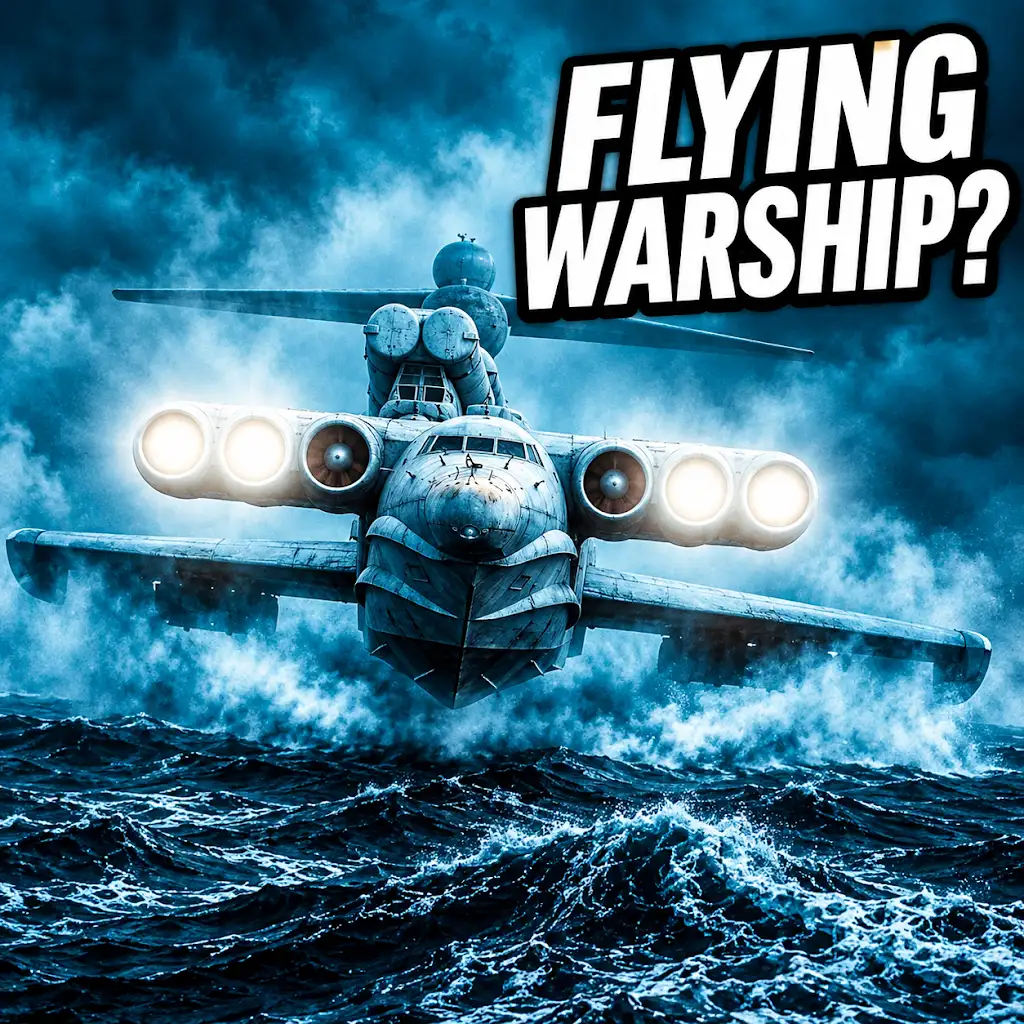
Beyond conventional aircraft, a fascinating class of vehicles, known as Ground Effect Vehicles (GEVs), or Wing-in-Ground-effect (WIG) vehicles, have been specifically designed to operate almost exclusively within ground effect. These craft are often referred to as ” ekranoplans” or “sea gliders.”
GEVs are characterized by their very large wingspans relative to their fuselage size and a particular wing design that maximizes the ground effect. They operate at very low altitudes, typically just a few feet above the surface of the water or land. Their primary advantage lies in their speed. Because they benefit from the drastically reduced drag associated with ground effect, they can achieve speeds comparable to or even exceeding those of conventional aircraft, while consuming significantly less fuel. They essentially glide on a cushion of air, much like a hovercraft, but with the speed and efficiency of an airplane.
These vehicles have seen varying degrees of development and deployment. Early Soviet designs, like the “Caspian Sea Monster,” were colossal and demonstrated the potential of this technology for military and transport purposes. While not as widespread as conventional aircraft, GEVs represent a unique application of aerodynamic principles, offering a hybrid solution between boats and planes.
Ground effect flight is a fascinating phenomenon that occurs when an aircraft flies close to the surface, resulting in increased lift and reduced drag. This effect is particularly noticeable during takeoff and landing, where pilots can experience a boost in performance. For those interested in a deeper understanding of this topic, you can explore a related article that delves into the mechanics and implications of ground effect flight. The article provides valuable insights into how this principle can enhance aircraft efficiency and safety. To read more, check out the full discussion on ground effect flight.
The Limitations and Challenges of Ground Effect
| Metric | Description | Typical Values | Impact on Flight |
|---|---|---|---|
| Altitude Above Ground | Height of the aircraft above the surface where ground effect occurs | Less than 1 wingspan (usually under 10-15 feet for small aircraft) | Reduced induced drag and increased lift |
| Lift Increase | Percentage increase in lift due to ground effect | Up to 40% increase near the surface | Allows aircraft to maintain altitude with less power |
| Induced Drag Reduction | Decrease in drag caused by wingtip vortices when close to ground | Up to 30-50% reduction | Improves fuel efficiency and performance during takeoff/landing |
| Effective Wingspan | Apparent increase in wingspan due to ground effect | Can increase by 10-20% | Enhances lift and stability |
| Pitching Moment | Change in aircraft nose attitude due to ground effect | Varies by aircraft design | Can cause nose-up or nose-down tendency during landing |
| Power Required | Engine power needed to maintain flight in ground effect | Reduced by approximately 10-20% | Enables “ground effect” hover or slow flight |
While ground effect offers significant advantages, it is not a universal solution, and operating within its domain presents its own set of challenges and limitations.
Altitude Dependence: The Edge of the Cushion
The power of ground effect is directly proportional to the proximity of the wings to the surface. As the aircraft gains altitude, the influence of ground effect diminishes rapidly. Generally, the beneficial effects of ground effect are most pronounced when the wings are within one wingspan of the ground. Above this altitude, the airflow behaves more like it would in free flight, and induced drag increases accordingly.
This altitude dependence means that ground effect is primarily a phenomenon of low-speed, low-altitude flight, particularly during takeoff and landing, or for specialized GEVs. It does not provide any significant advantage for aircraft operating at cruise altitudes. Pilots must therefore be precise in their altitude control to maintain the benefits of ground effect or to transition out of it smoothly.
Stability and Control Issues: Navigating the Air Cushion
Operating in ground effect can also present challenges in terms of aircraft stability and control. The reduced drag can make it harder to decelerate, and the increased lift can make it more difficult to descend. Furthermore, any unevenness in the surface below can cause sudden changes in airflow and lift, potentially leading to buffeting or instability.
For GEVs, which operate constantly in this regime, special design considerations are necessary to ensure adequate stability and controllability. This often involves sophisticated control surfaces and careful wing design to manage the airflow. Pilots operating conventional aircraft in ground effect must be acutely aware of these sensitivities and make continuous, subtle adjustments to maintain control.
Harnessing the Power: Design and Piloting Considerations
The successful operation of aircraft in ground effect, whether for brief periods during takeoff and landing or as a primary mode of flight for GEVs, requires careful consideration of aircraft design and pilot skill.
Wing Design for Maximum Effect
Aircraft intended to maximize the benefits of ground effect often feature specific wing designs. These can include high aspect ratio wings (long and narrow), which tend to produce less induced drag even in normal flight. For GEVs, specialized wing shapes, such as those with a significant chord length at the wingtip or integrated lifting bodies, are employed to create a strong and stable cushion of air.
The placement of the engines also plays a role. For many GEVs, engines are mounted above the wings. This configuration can help to re-energize the airflow over the wings and further enhance the ground effect. The overall goal in design is to create an airfoil that efficiently traps air beneath it, creating the stable high-pressure zone that defines ground effect.
The Pilot’s Role: Skillful Navigation
For pilots of conventional aircraft, understanding and managing ground effect is a critical skill. During takeoff, pilots must resist the temptation to rotate too early, allowing the aircraft to accelerate sufficiently to generate adequate lift without excessive back pressure. Once airborne, they learn to exploit the reduced drag to gain speed before beginning a climb.
During landing, pilots must anticipate the “float” caused by ground effect and use a combination of reduced power and appropriate control inputs to achieve a smooth touchdown. This often involves a more precise throttle control and a gentle back pressure on the controls. The skill lies in understanding the subtle interplay between airspeed, altitude, and the ground effect, and making the necessary adjustments to ensure a safe and controlled flight. For GEVs, the piloting is more akin to a highly skilled boat captain combined with an aircraft pilot, requiring constant awareness of the surface and precise control inputs to maintain stability and direction.
In conclusion, ground effect is a fundamental aerodynamic phenomenon that profoundly impacts aircraft performance at low altitudes. It is a testament to the intricate ways in which air and solid surfaces interact, offering enhanced lift and reduced drag. Whether observed as the subtle influence during a conventional aircraft’s takeoff and landing, or as the defining principle for specialized Ground Effect Vehicles, the mastery of this low-altitude dance between an aircraft and the surface below remains a captivating and vital aspect of aeronautical engineering and pilot expertise.
The Soviet Warship That Learned to Fly
FAQs
What is ground effect in flight?
Ground effect is the phenomenon in which an aircraft experiences increased lift and reduced drag when flying close to the ground, typically within one wingspan’s distance. This occurs due to the interference of the ground with the airflow patterns around the wings.
How does ground effect impact aircraft performance?
Ground effect can significantly improve an aircraft’s performance by reducing the amount of power needed to maintain flight, increasing lift, and decreasing drag. This effect is most noticeable during takeoff and landing, where the aircraft is closest to the ground.
What are the potential dangers of ground effect during flight?
While ground effect can enhance performance, it can also lead to unexpected changes in aircraft behavior. Pilots must be aware that the aircraft may experience a sudden loss of lift when transitioning out of ground effect, which can be dangerous during takeoff or landing if not managed properly.
Can ground effect be utilized to improve aircraft efficiency?
Yes, ground effect can be intentionally utilized to improve aircraft efficiency. Some aircraft, such as seaplanes and ekranoplans, are designed to take advantage of ground effect to achieve better fuel efficiency and performance, especially during low-altitude flight.
Are there specific regulations or guidelines related to ground effect in aviation?
Aviation authorities have regulations and guidelines regarding ground effect, particularly during takeoff and landing. Pilots are trained to understand and manage ground effect to ensure safe and efficient flight operations, following established procedures and best practices.