The Echo of the Garcia-Class: USS Voge FF-1047’s Place in Naval History
The frigates of the Garcia class, though perhaps not as widely celebrated as their battleship or aircraft carrier counterparts, represent a significant chapter in the evolution of naval warfighting. These vessels were designed to provide escort and anti-submarine warfare capabilities in a time of burgeoning submarine threats, and within this class, the USS Voge FF-1047 carved out its own distinct legacy. Commissioned in 1968, the Voge was a product of its era, embodying the technological advancements and strategic doctrines that shaped the U.S. Navy during the Cold War. Its operational life, marked by deployments, training exercises, and a quiet yet crucial role in maintaining maritime security, contributed to the broader narrative of the Garcia class and its impact on naval aviation support and fleet operations. Understanding the Voge’s service requires delving into the design philosophy of its class, the specific contributions it made, and the lasting influence it had on naval thinking.
The USS Voge FF-1047, a Garcia-class frigate, played a significant role in the U.S. Navy’s fleet during the Cold War, showcasing advancements in naval technology and anti-submarine warfare capabilities. For a deeper understanding of the operational history and contributions of the Garcia-class frigates, you can read a related article that explores their design, missions, and legacy in modern naval warfare. For more information, visit this article.
Design and Evolution of the Garcia-Class Frigate
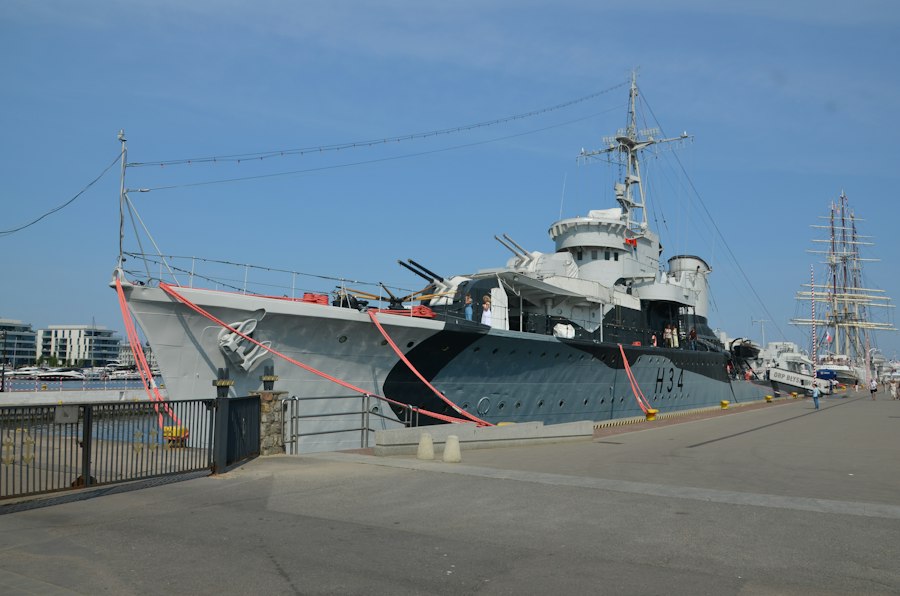
The Garcia class, named after Admiral Louis L. Garcia, was a pivotal development in U.S. Navy escort ship design. These frigates were conceived as a more capable and versatile successor to earlier escort types, aiming to meet the challenges posed by the increasingly sophisticated Soviet submarine force. Their design incorporated lessons learned from World War II and the early Cold War, emphasizing anti-submarine warfare (ASW) capabilities. The inclusion of advanced sonar systems and the capacity to carry helicopters provided a significant leap in a frigate’s ability to detect and engage submarines, extending the fleet’s reach and combat effectiveness. The USS Voge FF-1047 was a direct beneficiary of this forward-thinking design.
A New Generation of Escort Ships
The genesis of the Garcia class lay in the U.S. Navy’s need for a dedicated anti-submarine warfare platform that could operate effectively in both convoy escort and fleet screening roles. By the 1960s, the threat posed by Soviet submarines had escalated dramatically, necessitating vessels that could provide dedicated, sustained ASW operations. The Garcia class was specifically engineered to address this threat, integrating improved sonar technology and a more potent weapons suite than previous destroyer escorts and frigates. The hull design itself was a departure, optimized for stability and endurance during prolonged patrols. The inclusion of a helicopter landing pad and hangar was a revolutionary step, providing ASW helicopters with a readily available platform for reconnaissance, torpedo delivery, and over-the-horizon targeting. This capability fundamentally changed how frigates could contribute to ASW efforts, allowing for a wider search radius and more dynamic engagement strategies.
Key Design Features of the Garcia Class
The Garcia-class frigates were characterized by several key design elements that set them apart. Their propulsion system, typically geared turbines, provided a good balance of speed and endurance. The primary armament focused on ASW, featuring a variety of sonar systems, including hull-mounted and variable-depth sonar. For offensive ASW, they were equipped with torpedo tubes and Hedgehog anti-submarine mortars. Anti-aircraft defense was provided by Bofors 40mm guns and later supplemented by surface-to-air missiles. The Voge, as part of this class, inherited these robust capabilities. The integration of a hangar for one or two DASH (Drone Anti-Submarine Helicopter) or later LAMPS (Light Airborne Multi-Purpose System) helicopters was a defining feature. This provided an organic aerial ASW capability, allowing the frigate to extend its sensors far beyond its own radar horizon and react to submarine contacts more rapidly and effectively. The overall layout emphasized crew habitability for extended deployments, a crucial factor for the demanding nature of escort duty.
Technological Advancements Incorporated
The Garcia class was at the forefront of naval technology for its time. The sonar suites represented a significant upgrade, incorporating more sophisticated processing and detection capabilities. The DASH program, though facing its own challenges, represented the Navy’s early commitment to integrating rotorcraft with its surface fleet for ASW. Later iterations of the class and subsequent frigate designs would benefit from the lessons learned with DASH and LAMPS. The electronics and fire control systems were also state-of-the-art, designed to integrate the various sensor and weapon systems into a cohesive fighting unit. The Voge’s construction and commissioning in the late 1960s meant it was equipped with some of the most advanced ASW technology available, reflecting the Navy’s continuous effort to maintain a technological edge.
The Operational Career of USS Voge FF-1047
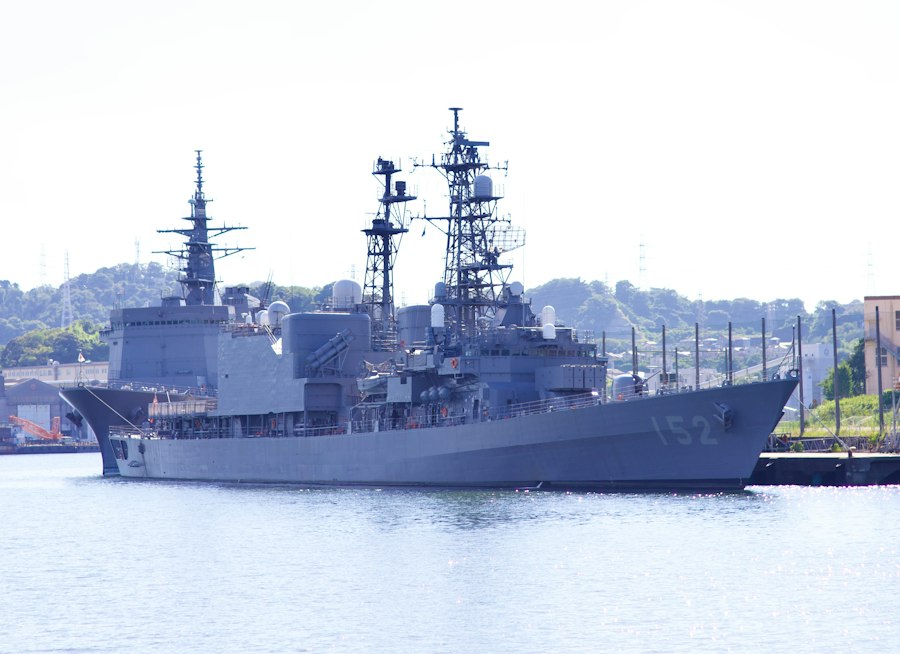
The service life of the USS Voge FF-1047 was a testament to the operational demands placed upon frigates during the latter half of the Cold War. Her deployments were not marked by dramatic, headline-grabbing engagements, but rather by the
A Soviet Submarine Hit a U.S. Frigate. Was It the Wrong Ship?
FAQs
1. What is the USS Voge FF-1047 Garcia class frigate?
The USS Voge FF-1047 is a Garcia class frigate that served in the United States Navy. It was named after Rear Admiral Charles Berry Voge and was part of a class of frigates built for anti-submarine warfare.
2. When was the USS Voge FF-1047 commissioned?
The USS Voge FF-1047 was commissioned on December 15, 1964. It served in the US Navy for several decades before being decommissioned in 1988.
3. What were the main capabilities of the USS Voge FF-1047 Garcia class frigate?
The USS Voge FF-1047 was primarily designed for anti-submarine warfare missions. It was equipped with sonar systems, torpedoes, and other anti-submarine weapons to detect and engage enemy submarines.
4. How many crew members served on the USS Voge FF-1047?
The USS Voge FF-1047 had a crew complement of around 200 officers and enlisted personnel. This crew worked together to operate the ship and carry out its missions effectively.
5. Where is the USS Voge FF-1047 Garcia class frigate now?
After being decommissioned in 1988, the USS Voge FF-1047 was transferred to the Mexican Navy and renamed ARM Hermenegildo Galeana (F-202). It continued its service in Mexico until it was finally decommissioned in 2011.