Finland’s Strategic Position: NATO, Russia, and the Kola Peninsula
The geopolitical landscape of Northern Europe has been irrevocably altered by Finland’s historic decision to join NATO. For decades, this Nordic nation maintained a carefully calibrated neutrality, a policy shaped by its long and complex relationship with its eastern neighbor, Russia. However, the escalating tensions and outright aggression emanating from Moscow, particularly the full-scale invasion of Ukraine in 2022, served as a stark catalyst, prompting Helsinki to seek collective security under the umbrella of the North Atlantic Treaty Organization. This strategic shift has not only redefined Finland’s security posture but also significantly impacted the broader security architecture of the region, with the Russian Kola Peninsula emerging as a focal point of this new dynamic.
Historical Context and the Legacy of “Finlandization”
Finland’s post-World War II foreign policy was largely defined by the concept of “Finlandization,” a term often used to describe a nation’s subservience to a more powerful neighbor, particularly in foreign policy matters. While Finland vehemently rejected the notion of being dictated to, it acknowledged the geopolitical realities of its proximity to the Soviet Union. This led to a policy of strict neutrality, maintaining strong defense capabilities while avoiding actions that could provoke Moscow. This balancing act was a delicate dance, requiring constant vigilance and a deep understanding of Russian strategic interests. The Finnish approach aimed to guarantee its sovereignty and territorial integrity through a combination of military readiness and diplomatic pragmatism. This era was characterized by a conscious effort to carve out an independent foreign policy space, albeit one circumscribed by the omnipresent shadow of its powerful neighbor.
The Turning Point: The 2022 Invasion of Ukraine
The full-scale invasion of Ukraine in February 2022 shattered the illusion of a stable and predictable European security order. For Finland, this was not a distant conflict but a direct and chilling demonstration of Russia’s willingness to use brute force to achieve its geopolitical objectives. The invasion served as a profound wake-up call, highlighting the vulnerability of even seemingly secure nations when faced with an aggressive and revisionist power. The images of destruction, the humanitarian crisis, and the blatant disregard for international law galvanized Finnish public opinion and political leadership, leading to an almost unprecedented consensus on the need for a fundamental shift in national security strategy. The perceived existential threat posed by Russia’s actions made the long-held policy of neutrality appear increasingly untenable and, indeed, dangerous.
Public Opinion and Political Consensus
The shift in Finnish public opinion towards NATO membership was remarkably swift and decisive following the invasion of Ukraine. What had previously been a contentious issue, with significant opposition, rapidly transformed into a majority sentiment. This transformation was driven by a combination of factors, including a visceral reaction to Russian aggression, a reassessment of the credibility of Russia’s security assurances, and a growing belief that NATO membership offered the most robust form of deterrence. Political parties, even those historically skeptical of NATO, found themselves compelled to adapt to the changing public mood. The Finnish Parliament, the Eduskunta, overwhelmingly endorsed the decision to apply for NATO membership, signifying a profound and unified national commitment to this new security paradigm.
In recent developments concerning Finland’s NATO membership and its implications for regional security, an insightful article can be found at In The War Room. This piece delves into the strategic significance of the Kola Peninsula, particularly in light of Russia’s military posture in the area and how Finland’s alignment with NATO could reshape the balance of power in Northern Europe. The analysis highlights the potential challenges and opportunities that arise from this evolving geopolitical landscape.
Finland’s NATO Membership: A New Era of Collective Security
Enhanced Deterrence and Collective Defense
Finland’s accession to NATO fundamentally alters the deterrence calculus in Northern Europe. As a member of the world’s most powerful military alliance, Finland now benefits from the collective defense clause of Article 5, which stipulates that an attack against one member is an attack against all. This significantly raises the threshold for any potential Russian aggression against Finnish territory, as it would involve not just Finland’s formidable defense forces but also the combined military might of the entire NATO alliance. This shared commitment to security provides a robust deterrent against external threats and contributes to overall regional stability. The integration of Finnish forces into NATO’s command structures and joint exercises further enhances interoperability and readiness, ensuring a more cohesive and effective response to any potential security challenge.
The Strategic Implications for NATO’s Northern Flank
Finland’s long border with Russia, now a direct NATO frontier, significantly strengthens the alliance’s northern flank. This new geography places a substantial portion of the alliance’s border with Russia under direct NATO protection. It also allows for the potential deployment of NATO assets and personnel along this extended frontier, further bolstering the alliance’s defensive posture. The inclusion of Finland’s experienced and well-equipped military adds a valuable strategic depth to NATO’s northern defense capabilities, enhancing its ability to project power and respond to threats in the High North and the Baltic Sea region. This expansion creates a more contiguous and robust defensive line, making it more challenging for any adversary to exploit potential gaps in allied defenses.
Bilateral Cooperation and Burden Sharing
Beyond the collective defense guarantees, Finland’s NATO membership fosters enhanced bilateral cooperation with individual alliance members. This translates into more frequent joint military exercises, intelligence sharing, and the potential for rotational deployment of allied forces on Finnish soil. This increased collaboration not only strengthens Finland’s defense capabilities but also contributes to the broader burden-sharing within NATO, ensuring a more equitable distribution of defense responsibilities among member states. The integration of Finnish defense planning and procurement with NATO standards further solidifies its commitment to the alliance’s common security objectives.
The Kola Peninsula: A Russian Military Stronghold and a New Geopolitical Hotspot
Russia’s Arctic Power Projection Hub
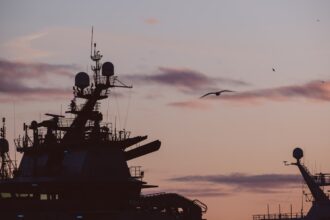
The Kola Peninsula, located in the northwestern part of Russia, has long been a cornerstone of its military power, particularly in the Arctic region. It is home to a significant concentration of Russian military assets, including its Northern Fleet, a vital component of its nuclear deterrent. The peninsula boasts strategic submarine bases, airfields, and naval facilities, making it a critical hub for Russian power projection. The presence of intercontinental ballistic missile (ICBM) silos and strategic bomber bases further underscores its importance in Russia’s overall defense strategy. For decades, the Kola Peninsula has operated as a formidable military zone, largely shielded from external observation and scrutiny.
Strategic Importance for Russia’s Nuclear Deterrent
The Kola Peninsula plays a crucial role in Russia’s nuclear triad, specifically its submarine-launched ballistic missile (SLBM) capabilities. The deep-water ports and sheltered bays provide an ideal environment for the deployment and operation of its nuclear-powered ballistic missile submarines (SSBNs). These submarines, armed with nuclear warheads, represent a significant portion of Russia’s retaliatory strike capability. The ability to launch survivable nuclear strikes from the Arctic waters surrounding the Kola Peninsula is a cornerstone of Russia’s strategic deterrence. The peninsula’s strategic location also allows for the rapid deployment of these submarines into key operational areas, enhancing their survivability and operational effectiveness.
The Impact of Finland’s NATO Membership on the Kola Peninsula
Finland’s membership in NATO fundamentally alters the strategic calculus surrounding the Kola Peninsula. Prior to this shift, the peninsula was largely bordered by a neutral buffer state. Now, it shares a direct NATO border with a member of the alliance. This means that any Russian military activities or provocations emanating from the Kola Peninsula will be viewed through the lens of NATO’s collective security. The potential for increased NATO surveillance, reconnaissance, and potentially forward-deployed assets in close proximity to the peninsula is now a distinct possibility. This proximity could compel Russia to reconsider its force posture and operational doctrines in the region, potentially leading to increased military activity and heightened tensions.
Emerging Security Dynamics: A Tense Northern Frontier
Increased Military Activity and Readiness
The new geopolitical reality has already led to observable increases in military activity and readiness on both sides of the newly extended NATO-Russia border. Russia, perceiving the NATO expansion as a direct threat, has likely intensified its surveillance and defensive measures around the Kola Peninsula. This could involve increased naval patrols, air force readiness, and ground force maneuvers. Conversely, NATO, with Finland as a member, will be bolstering its own presence and capabilities in the region to ensure deterrence and collective defense. This could include more frequent air patrols, naval exercises, and potentially the rotational deployment of allied forces to Finnish territory.
The Role of the Arctic in Future Security
The Arctic, a region previously characterized by a degree of cooperation and scientific endeavor, is increasingly becoming an area of geopolitical competition. The strategic importance of the Kola Peninsula, coupled with the vast natural resources and shipping routes opening up due to climate change, makes the Arctic a critical theater for future security considerations. Finland’s NATO membership, with its extensive Arctic coastline, places it at the forefront of these evolving dynamics. The alliance’s enhanced presence in the region, in response to Russian actions, will undoubtedly shape the security environment for years to come. This includes considerations for maritime domain awareness, air defense, and the protection of critical infrastructure.
The Risk of Miscalculation and Escalation
The heightened military presence and increased tensions in the region inevitably raise the risk of miscalculation and escalation. With more military assets operating in close proximity, the potential for unintended incidents, such as incursions into airspace or maritime boundaries, increases. The communication channels between NATO and Russia, already strained, will be crucial for de-escalation and conflict prevention. The clear delineation of responsibilities and the adherence to established protocols will be paramount in managing this complex and potentially volatile security environment. Both sides will need to exercise restraint and prioritize diplomatic engagement to avoid unintended consequences.
The ongoing tensions between Finland and Russia, particularly concerning the strategic Kola Peninsula, have raised significant concerns about security in the region. As Finland moves closer to NATO membership, the implications for military dynamics in the Arctic are becoming increasingly critical. For a deeper understanding of these developments, you can read a related article that explores the geopolitical landscape and its potential impact on regional stability. This insightful piece can be found here.
Finland’s New Role in NATO and the Future of European Security
| Country | NATO Membership | Relation with Russia | Kola Peninsula |
|---|---|---|---|
| Finland | Not a member | Neighboring country | Located nearby |
Contributing to NATO’s Northern Defense Architecture
Finland’s integration into NATO represents a significant enhancement of the alliance’s capabilities in the northern European theater. Its well-trained and professional military, coupled with its advanced technological infrastructure, will directly contribute to NATO’s collective defense posture. Finland’s expertise in areas such as border security, winter warfare, and its understanding of the Arctic environment will be invaluable to the alliance. This newfound role allows Finland to actively participate in shaping NATO’s strategic planning and operational deployments in its immediate neighborhood and beyond.
The Impact on Baltic Security and the High North
The inclusion of Finland into NATO has profound implications for the security of the Baltic states and the broader High North. It strengthens the northern flank of the alliance, creating a more contiguous defensive line and limiting potential avenues of aggression. This provides greater reassurance to Baltic nations, which have historically felt vulnerable due to their proximity to Russia. Furthermore, it enhances NATO’s ability to monitor and respond to activities in the strategically important Arctic region, ensuring the security of vital shipping lanes and resources. The interconnectedness of these regions means that developments in one have direct repercussions on the others.
Navigating a New Geopolitical Landscape
Finland’s journey from neutrality to NATO membership is a testament to the profound shifts occurring in the global security environment. The nation has embraced a new paradigm of collective security, demonstrating a clear commitment to democratic values and shared defense. As it navigates this new geopolitical landscape, Finland will play a crucial role in shaping the future of European security, contributing to a more resilient and stable alliance in the face of evolving threats. The nation’s strategic position, bordering Russia and now a member of NATO, places it at the epicenter of this complex and dynamic security environment, demanding continued vigilance, robust defense, and proactive diplomacy.

Russia’s Nuclear Submarines Depend on This Arctic Lifeline
FAQs
What is the Kola Peninsula?
The Kola Peninsula is a large peninsula in the far northwest of Russia. It is bordered by the Barents Sea to the north and the White Sea to the east.
What is the significance of the Kola Peninsula?
The Kola Peninsula is of strategic importance due to its proximity to Scandinavia and its location as the home of the Russian Northern Fleet, which is based in the port of Murmansk.
What is the relationship between Finland, NATO, and the Kola Peninsula?
Finland is not a member of NATO, but it has a close partnership with the alliance. The Kola Peninsula is of interest to both Finland and NATO due to its proximity and the presence of the Russian military.
How does Russia view the presence of NATO near the Kola Peninsula?
Russia views the presence of NATO near the Kola Peninsula as a security concern and has expressed opposition to any further expansion of NATO in the region.
What are the potential implications of the situation in the Kola Peninsula for the region?
The situation in the Kola Peninsula has the potential to impact regional security and stability, and it is important for all parties involved to engage in dialogue and diplomacy to address any concerns and prevent escalation.