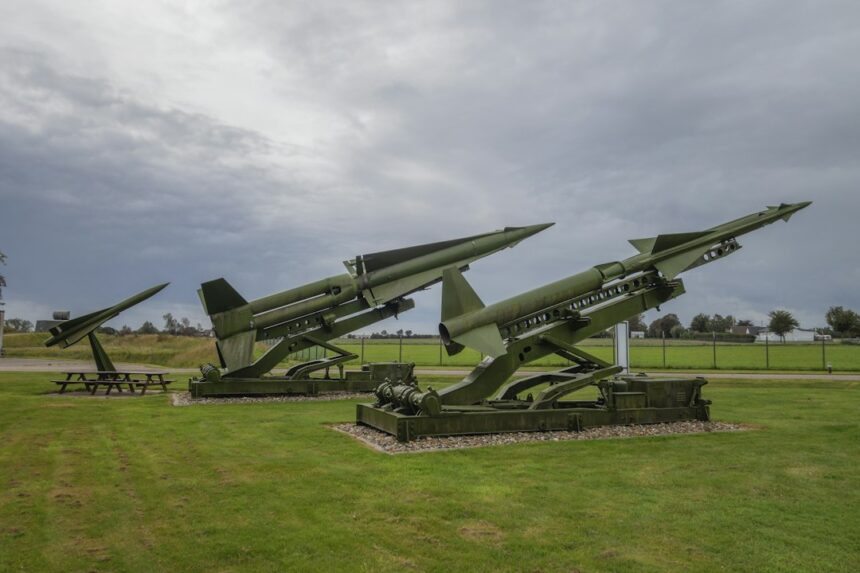
The Israeli Air Force Museum, nestled in the arid landscape of Hatzerim, is a testament to the nation’s rapid technological advancement and its unwavering commitment to aerial supremacy. Beyond the impressive array of aircraft, the museum houses a less conspicuous, yet equally vital, collection: artifacts and exhibits dedicated to the history and evolution of radar technology within the Israeli Air Force (IAF). This silent guardian of the skies, instrumental in countless operations, offers a fascinating glimpse into the intersection of history and cutting-edge technology, revealing how radar has shaped Israel’s defense posture and its strategic advantage. Visitors to the museum can trace the lineage of these electronic eyes, from their nascent stages in the early days of the IAF to their sophisticated modern iterations, understanding not just the “what” but the “why” behind their crucial role.
The exhibition on radar at the IAF Museum is more than just a display of historical equipment; it is a narrative of innovation, adaptation, and strategic foresight. It underscores the IAF’s consistent drive to stay ahead of its adversaries, a pursuit heavily reliant on the development and implementation of advanced radar systems. The museum meticulously curates a journey through decades of radar development, highlighting the technological leaps and operational impacts that have defined the IAF’s air defense and offensive capabilities. This exploration delves into the fundamental principles of radar, its early applications, the specific challenges faced by the IAF in its regional context, and the continuous technological advancements that have kept its radar systems at the forefront of global military technology.
The Dawn of Electronic Eyes: Early Radar Development and Deployment
The story of radar within the Israeli Air Force begins long before the establishment of the State of Israel itself, with roots in the pioneering work conducted globally during the lead-up to and during World War II. The realization of radar’s potential as a tool for early warning and target detection was a global phenomenon, and the nascent Zionist defense organizations understood its strategic implications for a future Jewish state facing a potentially hostile environment. The museum’s exhibits on this early period paint a picture of resourcefulness and forward-thinking, where rudimentary technologies were acquired and adapted with limited resources.
Pre-State Procurement and Initial Capabilities
Even in the years preceding 1948, efforts were made to acquire and understand radar technology. While official documented procurement for military purposes by the Haganah or its precursors is scarce, it is known that individuals with technical expertise were keenly aware of radar’s existence and potential. The early focus was likely on understanding the principles and identifying potential sources for acquiring such systems, however basic. The museum showcases early examples of radar principles, perhaps through interactive displays illustrating wave propagation and reflection, even if direct artifacts from this pre-state era are exceptionally rare. The narrative here emphasizes the conceptual understanding and the strategic imperative that drove the desire for such technology, even before it was formally integrated into a national defense force. The challenges were immense: the lack of indigenous manufacturing capabilities, the global political climate that restricted arms sales, and the limited pool of skilled personnel. Yet, the vision for an independent air force capable of defending its nascent borders necessitated exploring every avenue for acquiring advanced technological capabilities.
The Crucial Role in Early Conflicts
Following the establishment of Israel and the War of Independence, the importance of radar became acutely evident. The fledgling IAF, despite its operational successes, was acutely aware of its vulnerabilities. The museum’s collection for this period might include early radar consoles, perhaps from captured or imported systems, alongside photographs and operational logs that illustrate their deployment. These early radars, though primitive by today’s standards, provided a critical layer of early warning, allowing for the interception of incoming enemy aircraft and the improved coordination of scarce fighter assets. The limited range and resolution of these early systems meant that they were often supplemented by human observers and other detection methods, but they represented a significant technological leap forward. The exhibits would likely emphasize the operational challenges faced – the need for constant maintenance in harsh desert conditions, the limited training of personnel, and the integration of radar data into a rudimentary command and control structure. This period highlights the IAF’s ability to adapt and improvise, turning limited technological assets into crucial operational advantages.
The Israeli Air Force Museum, located in Hatzerim, offers a fascinating glimpse into the history and evolution of aerial warfare, showcasing various aircraft and military technology. A related article that delves deeper into the significance of radar technology in modern air defense systems can be found at this link: Radar Technology in Modern Warfare. This article explores how advancements in radar have transformed military strategies and enhanced the capabilities of air forces around the world.
Evolution of Sophistication: Mid-Century Advancements and Strategic Integration
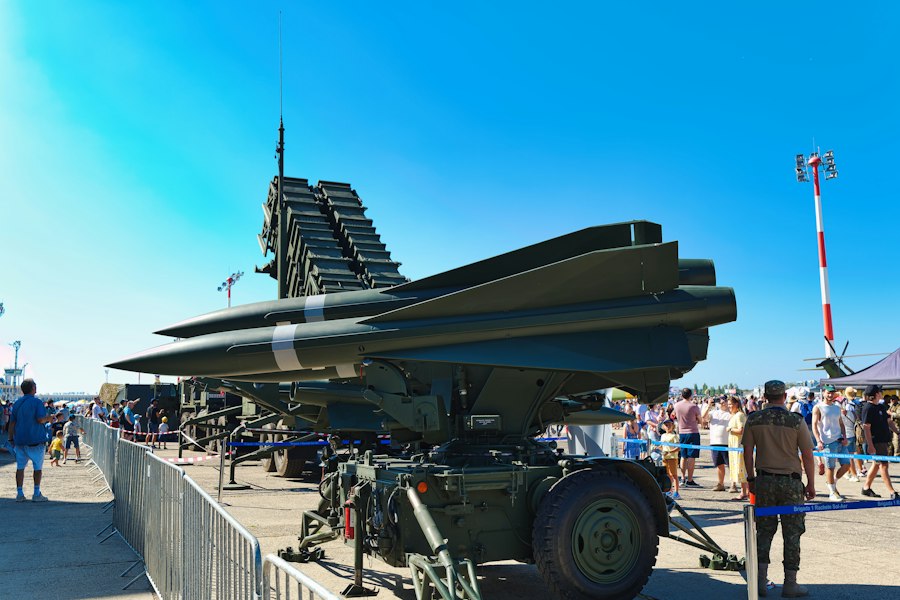
The decades following Israel’s establishment witnessed a dramatic acceleration in radar technology globally, and the IAF was determined to keep pace. The museum’s exhibits from the 1950s through the 1970s showcase a transition from basic detection systems to more sophisticated surveillance and fire control radars. This era was marked by significant geopolitical tensions, and radar played an increasingly central role in both defensive and offensive strategies. The integration of radar into a cohesive air defense system became a paramount objective, and the museum effectively illustrates this evolutionary process.
The Rise of Airborne Radar and Electronic Warfare
A pivotal development highlighted in the museum is the introduction of airborne radar systems. This marked a shift from purely ground-based early warning to the capability of actively searching for and tracking enemy aircraft from within Israeli airspace and beyond. The museum might display early radar installations from fighter aircraft, perhaps even mock-ups illustrating their internal components. This advancement allowed for “look-down” capabilities, the ability to detect targets below the radar platform, a crucial advantage against low-flying aircraft. Alongside this, the evolution of electronic warfare (EW) capabilities, often closely linked to radar, is also explored. Exhibits might touch upon early jamming techniques and counter-countermeasures, illustrating the ever-escalating technological race. The museum effectively conveys how airborne radar transformed the IAF’s operational reach and its ability to conduct offensive missions with greater situational awareness.
The Yom Kippur War and the Radar Revolution
The Yom Kippur War of 1973 proved to be a watershed moment for radar technology and its application in the IAF. The initial successes of Egyptian and Syrian forces were partly attributed to their advanced Soviet-supplied air defense systems, which highlighted vulnerabilities in Israel’s own radar and air defense network. The museum dedicates significant space to this period, showcasing the lessons learned and the subsequent rapid advancements. Artifacts might include damaged radar components from the war, alongside detailed explanations of the tactical and technological deficiencies that were exposed. This section powerfully illustrates the IAF’s resilience and its commitment to learning from setbacks. The exhibits would likely detail the rapid deployment of new radar systems, the integration of sophisticated electronic countermeasures, and the development of new operational doctrines that emphasized radar’s central role in air defense and offensive operations. The war spurred investment and innovation, leading to the development of more robust and capable radar systems that would define the IAF for decades to come.
Modern Radar Systems: Technological Prowess and Operational Dominance
The latter part of the 20th century and the early 21st century have seen the IAF embrace and develop some of the world’s most advanced radar technologies. The museum’s exhibits on this era are a testament to Israel’s remarkable technological prowess and its ability to design, manufacture, and deploy cutting-edge systems. This section of the museum is often characterized by sophisticated displays, interactive simulations, and information on the integration of radar with other advanced defense systems.
Phased Array Radars and Advanced Signal Processing
The transition to phased array radars represents a significant leap in radar technology, and the IAF has been at the forefront of this development. The museum would likely feature models or diagrams of these advanced systems, explaining their core principles. Unlike traditional mechanically steered antennas, phased array radars use electronic means to steer their beams, offering unparalleled agility, speed, and precision. This allows for the simultaneous tracking of multiple targets, rapid beam repositioning, and the ability to perform complex electronic warfare functions. Exhibits would delve into the intricacies of solid-state transmitters and advanced digital signal processing, which are crucial for filtering out clutter, identifying targets in complex environments, and providing high-resolution imagery. The narrative here emphasizes the move from simply detecting threats to actively managing the electromagnetic spectrum.
Integration with Network-Centric Warfare and UAVs
Modern radar is no longer an isolated system; it is a critical node within a sophisticated network. The museum showcases how IAF radar systems are integrated into broader command and control networks, enabling seamless data sharing and coordinated operations across different platforms and branches of the military. This concept of network-centric warfare is explained through interactive displays illustrating how radar data from multiple sources—ground-based, airborne, and even naval—is fused to create a comprehensive operational picture. Furthermore, the museum highlights the integration of radar with Unmanned Aerial Vehicles (UAVs). Exhibits might show how UAVs equipped with advanced radar payloads extend the IAF’s surveillance and reconnaissance capabilities, providing persistent overwatch and the ability to gather intelligence in areas that are too dangerous for manned aircraft. This fusion of technologies underscores the IAF’s commitment to maintaining information superiority in any operational scenario.
Beyond Detection: Radar’s Multifaceted Role in Air Operations
The Israeli Air Force Museum’s radar exhibits go beyond simply illustrating detection capabilities; they illuminate the multifaceted role that radar plays in modern air operations. From providing essential intelligence to guiding munitions, radar is an indispensable tool that enhances the IAF’s effectiveness across a wide spectrum of missions. This section of the museum emphasizes the strategic and tactical applications that extend far beyond basic early warning.
Target Identification, Classification, and Tracking
Modern radar systems are not just about finding “blips” on a screen; they are sophisticated tools for identifying, classifying, and continuously tracking targets. The museum would likely feature displays explaining the advanced algorithms and techniques employed to differentiate between various types of aircraft, missiles, and other airborne threats. This includes sophisticated Doppler processing to measure velocity and advanced modulation schemes to analyze radar returns. The exhibits would emphasize the importance of accurate target tracking for successful interception by fighter jets or missile defense systems. Visitors might see examples of how radar data is presented to pilots and command centers, showcasing the precision and clarity required for critical decision-making. This aspect of radar’s role is crucial for understanding how the IAF maintains its operational advantage by knowing exactly what it is facing and where it is going.
Fire Control and Precision Guidance
A significant aspect of radar’s function, often overlooked by the general public, is its role in fire control and the precision guidance of munitions. The museum would dedicate exhibits to demonstrating how radar systems are used to illuminate targets for semi-active radar-guided missiles, ensuring that these weapons accurately home in on their intended objectives. Furthermore, advanced airborne radars are employed for ground mapping and the precise targeting of ground-based objectives, enabling the IAF to conduct highly accurate strike missions. Interactive displays might simulate the process of a fighter jet using its radar to acquire a target, calculate a firing solution, and guide a missile to impact. This section underscores the direct link between radar technology and the IAF’s offensive capabilities, showcasing how radar transforms raw detection into decisive action and precision engagement.
The Israeli Air Force Museum, renowned for its impressive collection of aircraft and historical artifacts, also features a fascinating exhibit on radar technology, showcasing the evolution of aerial defense systems. Visitors can learn about the critical role radar has played in modern warfare and air defense strategies. For those interested in a deeper exploration of military technology and its implications, a related article can be found at In the War Room, which discusses various advancements in military equipment and their impact on global security.
Future Horizons: Emerging Trends and Continued Innovation
| Radar System | Type | Frequency Band | Range (km) | Purpose | Year Introduced |
|---|---|---|---|---|---|
| EL/M-2080 Green Pine | Phased Array Radar | L-Band | 500 | Ballistic Missile Defense | 1995 |
| EL/M-2032 | Multimode Fire Control Radar | X-Band | 150 | Air-to-Air and Air-to-Ground Targeting | 1997 |
| EL/M-2106 ATAR | Airborne Radar | X-Band | 200 | Airborne Early Warning and Control | 2000 |
| EL/M-2248 MF-STAR | Multi-Function Radar | S-Band | 250 | Naval Air and Surface Surveillance | 2012 |
The Israeli Air Force Museum, while celebrating the rich history of radar, also looks towards the future, offering insights into the emerging trends and ongoing innovations that will shape the next generation of aerial surveillance and electronic warfare. This forward-looking perspective underscores the IAF’s relentless pursuit of technological superiority and its proactive approach to anticipating future challenges. The museum’s exhibits in this section are often conceptual, focusing on research and development initiatives and the strategic vision for future defense capabilities.
Artificial Intelligence and Machine Learning in Radar
A significant area of future development, which the museum might touch upon through conceptual displays or informational panels, is the integration of Artificial Intelligence (AI) and Machine Learning (ML) into radar systems. These technologies promise to revolutionize radar’s capabilities by enabling more autonomous operation, enhanced threat detection and classification, and more sophisticated adaptive countermeasures. AI algorithms can analyze vast amounts of radar data in real-time, identifying subtle patterns and anomalies that might elude human operators or traditional algorithms. ML can enable radar systems to learn from new data, improving their performance against emerging threats and adapting to changing operational environments. The museum’s exhibits here would convey the potential for radar systems to become even more intelligent, predictive, and effective.
Multi-Domain Integration and Advanced Concepts
The future of air defense, and indeed warfare, lies in multi-domain integration, and radar will play a crucial role in this paradigm shift. The museum might showcase concepts related to the integration of radar systems across air, land, sea, and cyber domains. This means radar data will be shared and leveraged across different platforms and services, creating a unified operational picture and enabling coordinated responses to threats from any direction. Emerging concepts such as passive radar, which exploits ambient electromagnetic signals, and advanced sensing technologies that offer even greater stealth and precision, might also be alluded to. The overarching message is one of continuous evolution and a commitment to leveraging the latest technological advancements to ensure the ongoing security and operational dominance of the Israeli Air Force in an increasingly complex global landscape. The museum’s radar exhibition, therefore, serves not just as a historical archive but as a dynamic showcase of the IAF’s enduring commitment to innovation and its strategic vision for the future.

A 3-Year Drought Hit the Hittite Empire. Did It Cause the Collapse?
FAQs
What is the Israeli Air Force Museum radar exhibit?
The Israeli Air Force Museum radar exhibit showcases a collection of radar systems used by the Israeli Air Force throughout its history, providing visitors with a glimpse into the evolution of radar technology in the military.
What are some of the radar systems on display at the Israeli Air Force Museum?
Some of the radar systems on display at the Israeli Air Force Museum include the Green Pine radar, the EL/M-2106 ATAR, the EL/M-2080 Green Pine, and the EL/M-2084 Multi-Mission Radar (MMR).
Can visitors interact with the radar exhibits at the Israeli Air Force Museum?
While visitors cannot physically interact with the radar exhibits at the Israeli Air Force Museum, they can learn about the functionality and significance of each radar system through informative displays, videos, and guided tours.
How does the radar exhibit at the Israeli Air Force Museum contribute to the museum’s educational mission?
The radar exhibit at the Israeli Air Force Museum contributes to the museum’s educational mission by educating visitors about the role of radar technology in air defense, surveillance, and military operations, as well as highlighting the technological advancements made by the Israeli Air Force.
Are there guided tours available specifically focusing on the radar exhibit at the Israeli Air Force Museum?
Yes, the Israeli Air Force Museum offers guided tours that specifically focus on the radar exhibit, providing visitors with in-depth information about the radar systems on display, their historical significance, and their impact on Israeli Air Force operations.