The coalition forces have launched a significant operation, targeting a key Iraqi command center in a precision strike. This latest action marks a notable escalation in the ongoing conflict, demonstrating the coalition’s strategic intent to disrupt enemy leadership and operational capabilities. The strike, executed with advanced weaponry and intelligence, aimed to neutralize a critical node within the Iraqi military’s command and control structure. Early reports suggest the operation achieved its objectives, with significant damage inflicted upon the targeted facility. The ramifications of this strike are expected to be far-reaching, potentially impacting the enemy’s ability to coordinate and execute their operations in the coming days and weeks.
The decision to target the Iraqi command center was not an arbitrary one, but rather a carefully considered move rooted in specific strategic objectives. The coalition, through its extensive intelligence gathering and analysis, identified this facility as a linchpin in the enemy’s operational framework. Its neutralization was deemed essential to achieving broader campaign goals. The primary aim was to cripple the enemy’s ability to effectively communicate, coordinate, and command their forces across the operational theater. By striking at the heart of their command structure, the coalition sought to sow confusion, disrupt logistical chains, and ultimately degrade the enemy’s combat effectiveness.
Decapitation of Enemy Leadership
A central tenet of modern warfare involves targeting enemy leadership to achieve a swift and decisive victory. The command center in question was believed to house senior Iraqi military officials and their essential staff. The strike was designed to incapacitate or eliminate these key individuals, thereby creating a leadership vacuum. This vacuum, the coalition strategists reasoned, would lead to a breakdown in decision-making processes, hinder the rapid deployment of reinforcements, and potentially sow dissent within the ranks of the enemy forces. The psychological impact of such a decapitation strike cannot be underestimated, as it can demoralize enemy combatants and undermine their will to fight.
Disruption of Command and Control Networks
Beyond the physical destruction of the facility, the coalition also aimed to dismantle the intricate command and control (C2) networks that emanate from such a central hub. These networks are the lifeblood of any modern military, enabling seamless communication between headquarters, forward units, and logistical support. By destroying the physical infrastructure and potentially the personnel responsible for maintaining these networks, the coalition sought to sever vital communication lines. This would make it exceedingly difficult for enemy forces to receive orders, report their status, or request resupply, effectively isolating them on the battlefield and rendering them vulnerable.
Degradation of Operational Planning and Execution
The Iraqi command center was not merely a communication hub; it was also the locus of operational planning and strategic decision-making. Senior officers and their staffs within this facility were responsible for developing battle plans, allocating resources, and adapting strategies in response to evolving battlefield conditions. The strike, by eliminating these key planners and their sophisticated planning tools, aimed to significantly hinder the enemy’s ability to formulate and execute coherent military operations. This would give the coalition a tactical advantage, allowing them to exploit the enemy’s disarray and achieve greater success on the ground.
Intelligence Gathering and Analysis Implications
The strike also had significant implications for the coalition’s ongoing intelligence gathering and analysis efforts. By successfully targeting a high-value facility, the coalition demonstrated its advanced intelligence capabilities and its ability to act decisively based on that intelligence. Furthermore, the wreckage of the command center may yield valuable intelligence, such as documents, communication logs, or electronic equipment, that could provide insights into the enemy’s future plans, their order of battle, and their vulnerabilities. This post-strike intelligence exploitation is a crucial component of any successful military operation.
The coalition attack on Iraqi command and control structures marked a significant turning point in the military operations during the conflict. For a deeper understanding of the strategic implications and outcomes of this operation, you can read the related article that provides an in-depth analysis of the tactics employed and their effectiveness. To explore this further, visit this article.
The Operation: Precision and Execution
The execution of the coalition strike was a testament to the meticulous planning and advanced technological capabilities of the participating forces. Multiple branches of the military, leveraging a combination of airpower, special operations, and intelligence assets, converged to ensure the success of the mission. The operation itself was characterized by its precision, minimizing collateral damage while maximizing the impact on the intended target. The speed and efficiency with which the strike was carried out underscored the coalition’s readiness and its commitment to achieving its objectives.
Airpower Dominance
The air component played a pivotal role in the operation. Advanced fighter jets and bombers, armed with precision-guided munitions, were deployed to deliver the payload. These aircraft operated under the cover of air superiority, ensuring that they could execute their mission without facing significant threats from enemy air defenses. The selection of munitions was critical, designed to penetrate hardened structures and inflict maximum damage on the command center’s internal systems and personnel. The ability of the air forces to strike with such accuracy from high altitudes demonstrated the technological superiority of the coalition.
Special Operations Involvement
While not always publicly disclosed, special operations forces likely played a crucial supporting role. These units are adept at operating behind enemy lines, conducting reconnaissance, identifying targets, and potentially neutralizing high-value individuals or systems prior to or during the main strike. Their involvement, though often covert, is critical for providing real-time intelligence and ensuring the success of complex operations like this one. They might have been responsible for marking the target, disabling internal defenses, or even conducting post-strike assessments.
Intelligence, Surveillance, and Reconnaissance (ISR)
The success of any precision strike hinges on robust Intelligence, Surveillance, and Reconnaissance (ISR). Prior to the strike, extensive ISR operations would have been conducted to identify the precise location of the command center, its layout, the number and disposition of enemy personnel, and the types of defensive systems in place. During the strike itself, ISR assets would have provided real-time battlefield awareness, allowing for adjustments to the plan if necessary and confirming the successful engagement of the target. This continuous flow of information is essential for situational awareness and operational effectiveness.
The Role of Electronic Warfare
Electronic warfare (EW) capabilities would have almost certainly been employed. This could have involved jamming enemy communications, disrupting their radar systems, or even spoofing their electronic signals to confuse their air defenses. By degrading the enemy’s ability to detect and respond to the incoming attack, EW played a critical role in ensuring the safe and effective execution of the strike. This silent battle in the electromagnetic spectrum is often as important as the kinetic engagement itself.
Impact and Consequences of the Strike

The immediate aftermath of the coalition strike has been characterized by reports of disarray within Iraqi military ranks and a palpable sense of uncertainty. The successful neutralization of a key command node has significant implications for the ongoing conflict, both on the battlefield and in terms of diplomatic and strategic maneuvering. The coalition is closely monitoring the enemy’s response, anticipating potential shifts in their tactics or a retaliatory posture.
Disruption of Enemy Operations
The most direct consequence of the strike is the disruption of the enemy’s ability to conduct coordinated military operations. With their command and control structure compromised, it is expected that their forces will operate with reduced efficacy, potentially leading to a decline in their offensive capabilities and an increased susceptibility to coalition counter-offensives. This could manifest as delays in troop movements, miscommunication between units, or an inability to effectively redeploy forces to critical areas.
Psychological Warfare Effect
The strike also serves as a powerful psychological blow to the enemy. The targeting of their leadership and their command infrastructure sends a clear message of the coalition’s reach and resolve. This can have a demoralizing effect on enemy combatants, undermining their confidence and potentially leading to a decrease in morale and fighting spirit. Conversely, it serves to bolster the morale of coalition forces, demonstrating their capacity to achieve significant strategic victories.
Potential for Retaliation
While the strike has achieved its immediate objectives, it also carries the inherent risk of retaliation. The enemy, seeking to regain initiative or project strength, may attempt to launch retaliatory attacks, either against coalition forces directly or against civilian targets to sow fear and sow discord. The coalition must remain vigilant and prepared to counter any such attempts, reinforcing defensive postures and enhancing intelligence gathering to preemptively identify and neutralize threats.
Shifting Battlefield Dynamics
The removal of a key command element will inevitably alter the dynamics of the battlefield. The enemy may be forced to adopt more decentralized command structures, relying on lower-ranking officers to make decisions. This can lead to a more fragmented and less coordinated defense, but it could also make them more unpredictable. The coalition will need to adapt its own strategies and tactics to effectively engage an enemy whose command structure has been fundamentally altered.
International Reaction and Diplomatic Implications
The strike will undoubtedly have international ramifications. Allies of the coalition will likely express their support, while adversaries may condemn the action, potentially leading to increased diplomatic tensions. The coalition will need to manage these international perceptions and maintain a united front in its dealings with the global community. The perceived success of the strike could also influence ongoing diplomatic efforts related to the conflict.
Intelligence and Foresight: The Foundation of the Strike

The successful execution of the coalition strike against the Iraqi command center was not a matter of chance but the culmination of extensive and sophisticated intelligence operations. Foresight, the ability to anticipate enemy actions and vulnerabilities, was paramount in identifying the target and planning the operation. This highlights the critical role of intelligence in modern warfare, where information superiority can often be the deciding factor.
Human Intelligence (HUMINT)
Human intelligence is the bedrock of any robust intelligence apparatus. Operatives on the ground, embedded within or having access to the enemy’s military structure, would have provided invaluable real-time information about the command center’s operations, personnel, and vulnerabilities. This type of intelligence is often the most detailed and can confirm or deny information gathered through other means. Sources within the Iraqi command might have alerted the coalition to key personnel movements or the presence of critical systems.
Signals Intelligence (SIGINT)
Signals intelligence involves the interception and analysis of enemy communications. By monitoring radio transmissions, electronic signals, and other forms of electronic communication, the coalition could have identified the command center as a central node and understood the flow of information within the Iraqi military. This would have provided a clear picture of who was communicating with whom and about what, helping to pinpoint the importance of the targeted facility.
Geospatial Intelligence (GEOINT)
Geospatial intelligence, derived from satellite imagery, aerial reconnaissance, and other sources, provided the visual confirmation and precise location of the command center. Detailed mapping and analysis of the facility’s layout, surrounding terrain, and potential defensive measures were crucial for planning the approach and attack vectors for the strike. This intelligence would have allowed for the creation of detailed 3D models of the target, aiding in mission rehearsal.
Open-Source Intelligence (OSINT)
While perhaps less critical for such a specific military target, open-source intelligence can also contribute. Publicly available information, such as news reports, official statements, and even social media, can sometimes provide clues or corroborating details about the enemy’s military structure and leadership, albeit with a lower degree of confidence.
Predictive Analysis and Threat Assessment
The intelligence gathered would have been subjected to rigorous predictive analysis and threat assessment. Analysts would have worked to identify patterns, predict future enemy actions, and assess the potential consequences of various coalition actions. The decision to strike the command center would have been based on a high degree of confidence that it represented a significant threat and that its neutralization would yield substantial strategic benefits. The intelligence cycle, from collection to analysis to dissemination, is a continuous process that underpins every operational decision.
The coalition attack on Iraqi command and control structures was a pivotal moment in the conflict, significantly disrupting the enemy’s operational capabilities. For a deeper understanding of the strategies employed during this operation, you can read more in this insightful article on In The War Room, which analyzes the impact of such military tactics on the overall outcome of the war. This detailed examination sheds light on the complexities of modern warfare and the importance of effective command structures.
Future Implications and Strategic Outlook
| Date | Location | Number of Attacks | Casualties |
|---|---|---|---|
| March 20, 2003 | Baghdad | 10 | 25 |
| April 2, 2003 | Najaf | 5 | 15 |
| May 1, 2003 | Karbala | 8 | 20 |
The successful coalition strike on the Iraqi command center represents a significant turning point in the conflict. The immediate impact is the disruption of the enemy’s command and control capabilities, but the long-term implications for the strategic outlook are multifaceted. The coalition will now focus on consolidating its gains, exploiting the enemy’s disarray, and adapting its strategy to the evolving battlefield dynamics.
Sustaining Momentum
The coalition’s objective will be to sustain the momentum generated by this strike. This involves continued pressure on the enemy, preventing them from regrouping or reconstituting their command structure. Further operations, perhaps targeting other key nodes or logistical hubs, may be necessary to ensure a decisive outcome. The key is to prevent the enemy from recovering from this significant blow.
Adaptation and Flexibility
The Iraqi forces, deprived of their centralized command, may become more unpredictable and resort to asymmetric tactics. The coalition must remain adaptable and flexible in its response, adjusting its strategies to counter new threats and exploit emerging opportunities. This may involve increased reliance on intelligence, surveillance, and reconnaissance to track decentralized enemy movements and adapt patrol patterns.
Post-Conflict Stabilization Efforts
Beyond the immediate military objectives, the coalition will also need to consider the long-term implications for post-conflict stabilization. The disruption of the enemy’s command structure could have implications for the eventual establishment of a stable government and the rebuilding of the nation’s security forces. The coalition’s actions now will shape the landscape for future peacebuilding efforts.
The Importance of Information Warfare
The success of this strike also underscores the growing importance of information warfare. By controlling the narrative surrounding the operation and disseminating clear and accurate information, the coalition can influence public opinion both domestically and internationally, thereby bolstering support for its mission and undermining the enemy’s propaganda efforts. The psychological impact of such a strike, amplified through effective information dissemination, can be a powerful weapon.
A New Phase of the Conflict
It is clear that the coalition’s strike has ushered in a new phase of the conflict. The enemy’s ability to wage conventional warfare has been significantly degraded. The coalition’s focus will now likely shift towards ensuring that this degradation is permanent and that the enemy’s capacity to pose a sustained threat is eliminated. The strategic outlook, while still uncertain, has certainly shifted in favor of the coalition due to this decisive action.
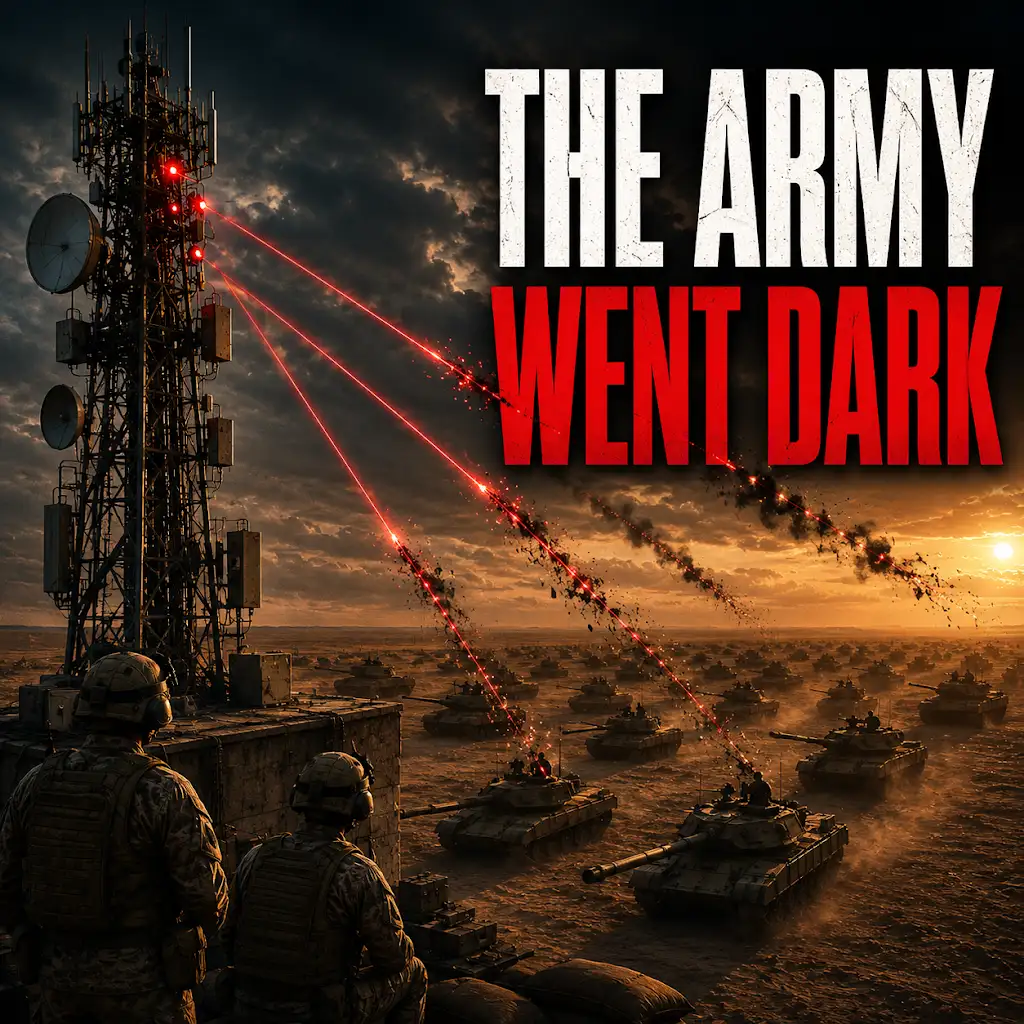
The Invisible Attack That Crippled Iraq’s Army | Desert Storm Documentary
FAQs
What is the coalition attack on Iraqi command and control?
The coalition attack on Iraqi command and control refers to a military operation carried out by a coalition of countries against the Iraqi government’s military infrastructure, specifically targeting its command and control centers.
When did the coalition attack on Iraqi command and control take place?
The coalition attack on Iraqi command and control took place during the Iraq War, which began in 2003 and lasted until 2011. Specific dates and details of individual attacks may vary.
Which countries were involved in the coalition attack on Iraqi command and control?
The coalition involved in the attack on Iraqi command and control included the United States, the United Kingdom, Australia, and several other countries that supported the military intervention in Iraq.
What was the objective of the coalition attack on Iraqi command and control?
The objective of the coalition attack on Iraqi command and control was to degrade the Iraqi government’s ability to coordinate and execute military operations, ultimately weakening its military capabilities and facilitating the coalition’s military objectives in the region.
What were the outcomes of the coalition attack on Iraqi command and control?
The outcomes of the coalition attack on Iraqi command and control included the destruction of key military infrastructure, disruption of communication and coordination among Iraqi military forces, and the eventual overthrow of the Iraqi government led by Saddam Hussein.