The shadows are their domain, the impossible their objective. In the hushed corridors of power and on the blood-soaked frontiers of conflict, a select few operate with unparalleled precision and lethal efficiency. These are the elite of the elite, the tip of the spear, the units whose very existence is shrouded in secrecy and whose successes are often measured by the crises they avert, rather than the headlines they make. This is the world of Joint Special Operations Command (JSOC), and its most legendary components: Delta Force and SEAL Team Six.
The United States possesses a formidable array of special operations forces, designed to address a spectrum of threats, from unconventional warfare and counterterrorism to direct action and reconnaissance. However, the most sensitive, high-stakes, and politically charged missions are typically entrusted to a singular entity: the Joint Special Operations Command (JSOC). Established in 1980 in the aftermath of the disastrous Operation Eagle Claw, the failed attempt to rescue American hostages in Iran, JSOC was conceived as a unified command to oversee and synchronize the nation’s most elite special operations units. Its primary mandate is to plan, coordinate, and conduct sensitive special operations that are beyond the capabilities of conventional forces, often operating in denied or hostile territory, and frequently in direct support of national policy.
JSOC does not operate independently in the traditional sense of a combatant command. Instead, it acts as a force multiplier and a specialized operational headquarters, drawing personnel and resources from various branches of the U.S. military. This unique structure allows JSOC to assemble tailored task forces, integrating the finest talent from different special operations communities, for specific missions. The command’s operational tempo is relentless, its missions often classified at the highest levels, and its operators are among the most highly trained and rigorously selected individuals in the world. The success of JSOC is built on a foundation of clandestine planning, surgical execution, and an unwavering commitment to achieving objectives with minimal collateral damage and maximum effectiveness.
The Strategic Imperative for a Unified Command
The creation of JSOC was a direct response to perceived deficiencies in inter-service cooperation and command and control during Operation Eagle Claw. The chaotic nature of that operation, characterized by miscommunication, conflicting priorities, and a lack of unified leadership among the various participating units, highlighted the critical need for a centralized authority to manage complex, multi-faceted special operations. Prior to JSOC, special operations units often worked in silos, with limited coordination and a potential for duplication of effort or, conversely, critical gaps in capabilities.
JSOC was designed to bridge these gaps. By bringing together the most specialized units under a single command umbrella, it ensured that planning and execution were seamless and that resources were allocated efficiently. The strategic imperative was clear: to create an organization capable of rapidly deploying highly skilled teams to address evolving threats, often in complex environments where conventional military responses would be inappropriate or ineffective. This centralized command structure allowed for better intelligence fusion, more cohesive operational planning, and a more responsive and agile deployment capability, ultimately enhancing the United States’ ability to project power and achieve strategic objectives through unconventional means.
The Shadowy Nature of JSOC Operations
The hallmark of JSOC is its discretion. The very nature of its missions demands an extreme level of secrecy. Operations are meticulously planned to avoid detection, and their outcomes are often deliberately obscured from public view. This is not to say that JSOC units do not achieve significant successes; rather, their victories are often measured in the lives saved, the threats neutralized before they materialize, and the geopolitical crises averted, all without public fanfare. This inherent secrecy breeds an aura of mystique around JSOC, fueling speculation and conjecture among the public and in military circles alike.
The operational security surrounding JSOC is paramount. Information about their missions, personnel, and capabilities is compartmentalized to the highest degree. This protects operators in the field, preserves the element of surprise, and ensures that adversaries are unable to anticipate or counter their actions. The success of many of JSOC’s most critical operations hinges on their ability to remain unseen and unheard until the decisive moment. This commitment to clandestine operations is a defining characteristic of the command and a testament to the trust placed in its personnel to execute the nation’s most sensitive tasks with unwavering professionalism and discretion.
The Joint Special Operations Command (JSOC) Delta Force and SEAL Team Six are two of the most elite military units in the United States, known for their specialized training and high-stakes missions. For those interested in learning more about the operations and history of these formidable teams, a related article can be found at In The War Room, which provides in-depth analysis and insights into their roles in modern warfare.
Delta Force: The Unseen Hand of Direct Action
Within the vast tapestry of American special operations, Delta Force, officially designated as the 1st Special Forces Operational Detachment-Delta (1st SFOD-D), stands as a preeminent force in direct action missions. Born from the lessons of hostage rescue and counterterrorism, Delta Force is a Tier 1 special mission unit, meaning it is among the most highly trained, capable, and specialized units in the United States military. Its operators are drawn from the ranks of other special operations forces, primarily from the Army’s Special Forces and Rangers, but also from Marine Corps MARSOC, Navy SEALs, and Air Force PJs. The selection and training process for Delta is notoriously arduous, weeding out all but the most resilient and adaptable individuals.
Delta Force’s operational mandate is broad, encompassing a range of high-risk, high-reward missions. These include counterterrorism operations, hostage rescue, direct action against high-value targets, special reconnaissance, and unconventional warfare. Their operational environments are as varied as the missions themselves, ranging from urban battlegrounds to remote wilderness and hostile foreign territories. The unit’s effectiveness is a testament to its meticulous planning, advanced tactical proficiency, and the unwavering dedication of its operators, who are prepared to face the most extreme challenges imaginable.
The Crucible of Selection: Forging Delta Operators
The path to becoming a Delta Force operator is not for the faint of heart. The selection process, often referred to as “The Assaulter Course” or “Operator Training Course” (OTC), is designed to push candidates to their absolute physical, mental, and emotional limits. This is not merely a test of individual strength and endurance, but also a profound assessment of a candidate’s ability to function under extreme stress, make split-second decisions, and work effectively as part of a small, cohesive team.
The initial stages often involve grueling physical assessments, demanding marches with heavy loads, and relentless tactical simulations. Candidates are constantly evaluated on their problem-solving skills, their decision-making under pressure, and their psychological resilience. Those who survive the initial screening enter a period of advanced skills training, where they hone their abilities in marksmanship, close-quarters combat, demolitions, intelligence gathering, and various forms of specialized insertion and extraction. The attrition rate is exceptionally high, with many aspiring operators failing to complete the course. This rigorous selection process ensures that only the most exceptional individuals, those possessing the unique blend of courage, intelligence, and grit, earn the coveted Delta Force patch.
Mission Profiles: From Hostage Rescue to Direct Action
Delta Force is renowned for its proficiency in direct action missions, which involve engaging and neutralizing enemy forces or capturing or destroying enemy targets. This can range from small-scale raids on enemy strongholds to complex, multi-faceted operations involving elements from other military branches. Their expertise in counterterrorism is particularly noteworthy, having been involved in numerous operations to disrupt terrorist networks and rescue hostages from perilous situations.
One of Delta’s defining characteristics is its adaptability. They are trained to operate in a wide array of environments and to employ a diverse range of tactics. Whether it’s rappelling from helicopters into a hostile compound, conducting a clandestine infiltration by boat, or executing a precision strike from a distance, Delta operators are masters of their craft. Their success is often attributed to their unparalleled intelligence gathering capabilities, which allow them to meticulously plan every aspect of an operation, minimizing risk and maximizing the probability of success. The unit’s ability to conduct operations with a high degree of precision, often under the cover of darkness or within enemy territory, has earned them a formidable reputation as one of the world’s premier direct action units.
SEAL Team Six: The Maritime Spearhead of Counterterrorism
While Delta Force draws its operators primarily from the Army, SEAL Team Six, officially known as the Naval Special Warfare Development Group (DEVGRU), represents the pinnacle of maritime special operations and counterterrorism. Like Delta, DEVGRU is a Tier 1 unit, operating under the purview of JSOC, and composed of highly skilled and exceptionally trained SEALs. Its origins are also rooted in the need for specialized units to combat terrorism, with DEVGRU evolving from an earlier SEAL counterterrorism unit.
DEVGRU’s operational focus is inherently tied to the maritime environment, but its capabilities extend far beyond the sea. They are adept at a wide range of operations, including direct action, special reconnaissance, hostage rescue, and counterterrorism, often in environments that require clandestine insertion and extraction from waterborne platforms. Their missions are characterized by extreme complexity, high stakes, and the need for absolute precision. The operators of SEAL Team Six are the tip of the spear in confronting some of the most dangerous threats facing the United States, operating with a level of stealth and lethality that is virtually unmatched.
The elite units of JSOC, including Delta Force and SEAL Team Six, have been pivotal in modern counter-terrorism operations, showcasing unparalleled skill and precision in high-stakes missions. For those interested in exploring the intricacies of these special operations forces, a related article provides an in-depth analysis of their training, tactics, and notable missions. You can read more about it in this insightful piece on special operations. Understanding the dynamics of these teams sheds light on their critical role in national security.
The Unique Demands of Maritime Special Operations
Operating from the sea presents a unique set of challenges and demands a specialized skillset. SEALs, and by extension DEVGRU operators, are masters of maritime infiltration, navigation, and combat. They are trained to operate in challenging aquatic environments, including oceans, rivers, and coastal areas, often under the cover of darkness and with minimal detection. This includes expertise in various forms of waterborne insertion, such as diving, submarines, and specialized craft, as well as amphibious operations and close-quarters combat in maritime settings.
DEVGRU’s maritime focus allows them to conduct operations in regions and scenarios that are inaccessible to conventional forces. Their ability to approach targets covertly from the sea, conduct precise strikes, and exfiltrate with minimal trace is a significant strategic advantage. This capability is crucial for projecting power into denied areas, disrupting maritime threats, and conducting critical counterterrorism operations where traditional entry points are either impossible or too risky. The mastery of the maritime domain, combined with their extensive counterterrorism training, makes DEVGRU a uniquely formidable force.
Counterterrorism and Beyond: DEVGRU’s Diverse Capabilities
While DEVGRU is perhaps most widely recognized for its counterterrorism operations, their mission set is remarkably diverse. They are often tasked with high-value target (HVT) raids, hostage rescue missions in hostile territories, and special reconnaissance operations that require unparalleled stealth and precision. Their ability to operate across the full spectrum of special operations, from direct action to intelligence gathering, makes them an indispensable asset to national security.
The unit’s involvement in high-profile operations, though rarely publicly acknowledged, speaks to their effectiveness. DEVGRU operators are trained to confront the most dangerous adversaries in the most unforgiving environments. Their operations often involve navigating complex geopolitical landscapes, working closely with intelligence agencies, and executing missions that have significant implications for national security. The dedication, discipline, and unparalleled skill of DEVGRU operators ensure that they remain at the forefront of America’s most sensitive and critical military engagements.
The Interplay of JSOC, Delta, and DEVGRU: A Unified Effort
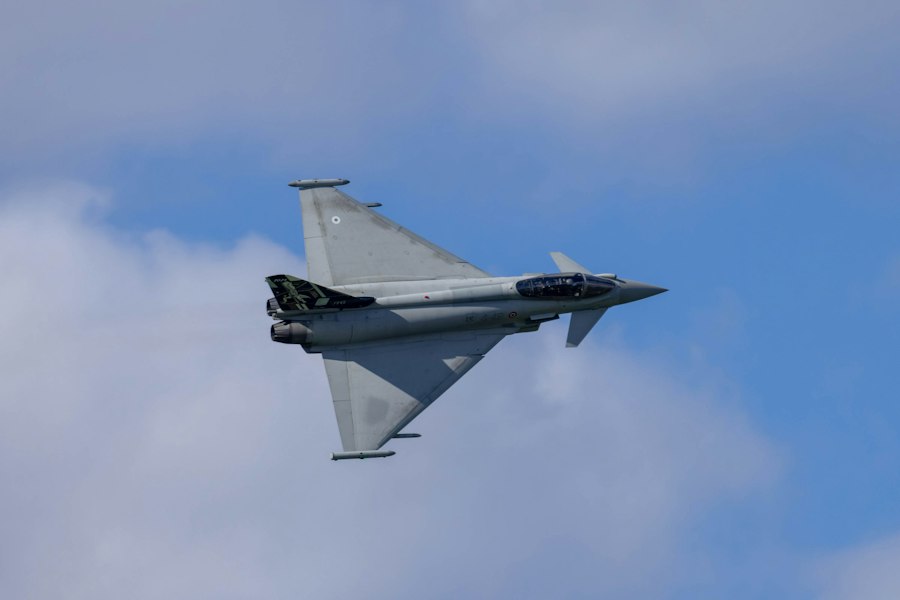
The success of JSOC, Delta Force, and SEAL Team Six is not simply a matter of individual unit prowess; it is the result of a carefully orchestrated synergy between these elite organizations. While each unit possesses its unique strengths and operational focus, they are all integral components of JSOC’s overarching mission. This creates a powerful and adaptable force capable of addressing a wide range of complex threats.
The relationship between these units is one of mutual reliance and shared purpose. JSOC provides the strategic oversight, intelligence fusion, and command and control necessary to synchronize their efforts. Delta Force, with its Army-centric foundation, excels in ground-based direct action and hostage rescue. DEVGRU, with its maritime expertise, dominates the waterborne and coastal environments for similar objectives. Together, they form a comprehensive special operations capability, capable of projecting power and achieving objectives across the globe, often in ways that the public never fully comprehends.
Intelligence Fusion and Operational Synergy
The effectiveness of JSOC, Delta, and DEVGRU is inextricably linked to their sophisticated intelligence gathering and fusion capabilities. JSOC acts as a central hub, integrating intelligence from across the U.S. intelligence community and its own specialized collection assets. This fused intelligence is then disseminated to task forces that often comprise personnel from both Delta and DEVGRU, ensuring that operators have the most accurate and up-to-date information possible before and during an operation.
This operational synergy allows for the seamless integration of different skill sets. For instance, a DEVGRU element might conduct a clandestine maritime insertion, while a Delta Force team executes a ground assault, all coordinated under the umbrella of JSOC. The ability to combine the unique strengths of each unit in a fluid and adaptive manner is what makes them so formidable. This integrated approach maximizes operational effectiveness, minimizes risk, and ensures that the mission objectives are achieved with the highest degree of precision and success.
The Future of Elite Special Operations
As the global threat landscape continues to evolve, the demands placed upon elite special operations units like those within JSOC, including Delta Force and SEAL Team Six, will undoubtedly intensify. The rise of asymmetric warfare, cyber threats, and the proliferation of sophisticated weaponry necessitate continuous adaptation and innovation. These units are at the forefront of developing new tactics, techniques, and procedures, often pushing the boundaries of what is considered possible in military operations.
The future will likely see an even greater emphasis on technological integration, including advanced surveillance, unmanned systems, and sophisticated communication networks. Furthermore, the psychological resilience and adaptability of operators will remain paramount, as they continue to operate in complex and unpredictable environments. The commitment to rigorous training, meticulous planning, and unwavering dedication to mission success will continue to define these elite units, ensuring that they remain the nation’s ultimate instrument of unconventional warfare and a vital safeguard against the most pressing threats to global security. Their unseen efforts, often conducted in the darkest hours and the most dangerous corners of the world, are a testament to the extraordinary courage and capability of America’s most elite special operations forces.
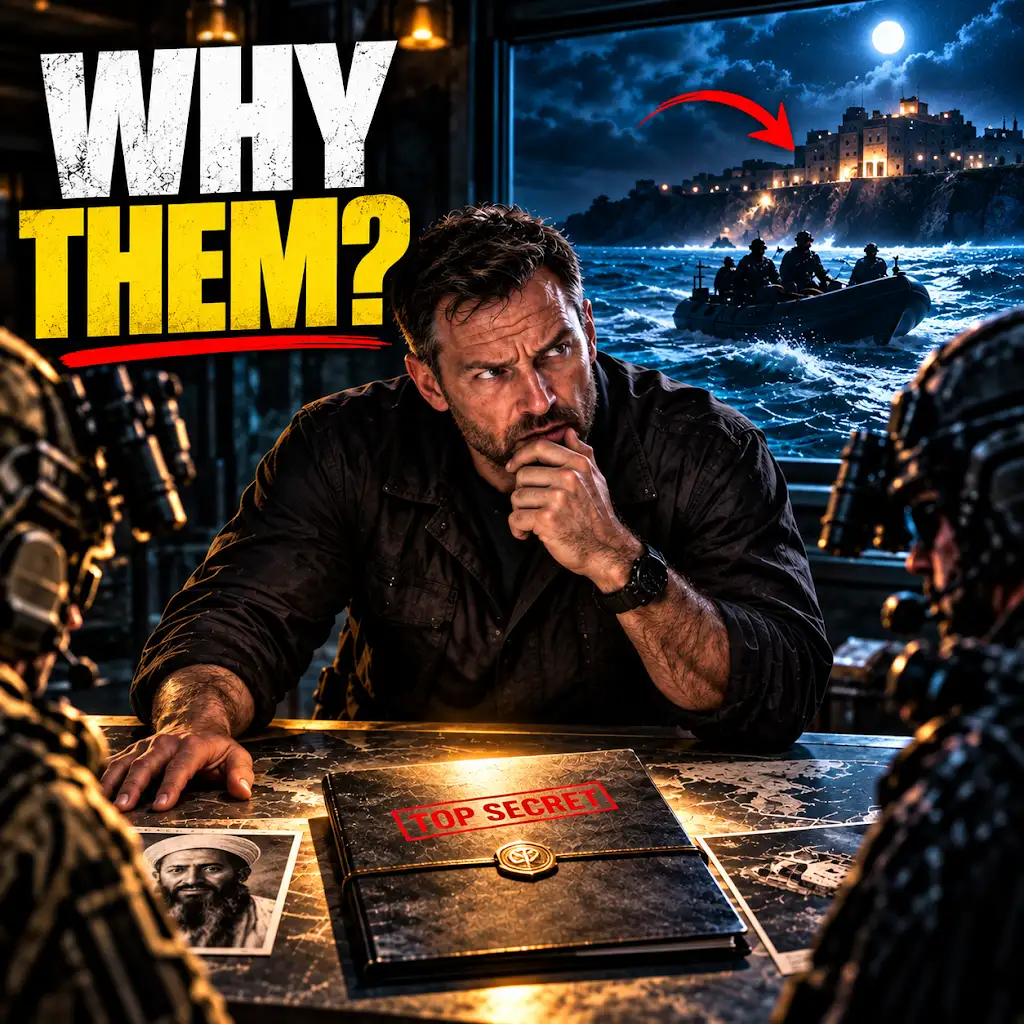
Why SEAL Team Six Got the Bin Laden Raid — Not Delta Force
FAQs
What is JSOC?
JSOC stands for Joint Special Operations Command, which is a component command of the United States Special Operations Command (USSOCOM). It is responsible for overseeing the Special Mission Units of the U.S. military, including Delta Force and SEAL Team Six.
What is Delta Force?
Delta Force, officially known as 1st Special Forces Operational Detachment-Delta, is a special operations unit of the United States Army. It is tasked with counterterrorism and other specialized missions, often working in conjunction with other special operations forces.
What is SEAL Team Six?
SEAL Team Six, officially known as the Naval Special Warfare Development Group (DEVGRU), is a special operations unit of the United States Navy. It is best known for its role in the operation that led to the death of Osama bin Laden in 2011.
How are JSOC, Delta Force, and SEAL Team Six related?
JSOC is the overarching command that oversees both Delta Force and SEAL Team Six, along with other Special Mission Units. These elite units work together on high-risk and classified missions, often in coordination with other U.S. special operations forces.
What kind of missions do JSOC, Delta Force, and SEAL Team Six undertake?
JSOC, Delta Force, and SEAL Team Six are all involved in counterterrorism operations, hostage rescue missions, and other high-profile special operations. They are known for their ability to operate in hostile environments and execute complex missions with precision and speed.