The high-seas drama of Captain Richard Phillips’ hijacking aboard the Maersk Alabama remains a stark testament to the bravery of ordinary men and the extraordinary capabilities of elite U.S. special forces. When pirates seized the cargo ship off the coast of Somalia in April 2009, the situation quickly escalated, pushing American sailors into a desperate fight for survival and ultimately triggering a high-stakes rescue operation by the U.S. Navy’s most specialized unit: SEAL Team Six. This article will delve into the harrowing events that unfolded, the critical decisions made, and the precision execution that characterized the SEAL Team Six intervention.
The story began innocuously enough as the Maersk Alabama, a container ship chartered by the U.S. government, sailed through the Gulf of Aden, a vital shipping lane notorious for piracy. The crew, under the command of Captain Phillips, was en route from Salalah, Oman, to Mombasa, Kenya. Unbeknownst to them, a group of Somali pirates, armed and desperate, were actively seeking their next target.
The Somali Pirate Threat Landscape
The early 2000s witnessed a significant surge in maritime piracy emanating from the Horn of Africa. Factors contributing to this rise were multifaceted, including the collapse of central government authority in Somalia, leading to a power vacuum and widespread lawlessness. This environment, coupled with poverty and a lack of viable economic alternatives, drove many young Somali men to piracy. The lucrative nature of ransoms paid by ship owners and insurance companies further fueled the trend.
Historical Context of Somali Piracy
Piracy off the Somali coast was not an entirely new phenomenon, with historical precedents dating back centuries. However, the modern iteration was characterized by its organized nature, increasingly sophisticated weaponry, and the capture of larger vessels. International maritime organizations had long warned of the growing threat, but the Maersk Alabama incident brought the issue into sharp global focus.
The Maersk Alabama’s Vulnerability
While the Maersk Alabama was a modern vessel, its size and the open ocean offered limited defenses against determined attackers. The ship, like many cargo vessels, did not carry a heavily armed security detail. The crew was trained for maritime operations, not combat. The pirates, operating from smaller, faster skiffs, were adept at overwhelming larger ships in swift boarding actions.
The Initial Hijacking
On April 8, 2009, the Maersk Alabama encountered its attackers. The pirates, led by the formidable Abduwali Muse, successfully boarded the ship. The crew, following established security protocols, retreated to a fortified safe room, a designated area designed to protect them from intruders. Captain Phillips, however, chose to remain on the bridge, a decision that would place him directly in the hands of the pirates.
The Boarding and Seizure
The pirates, initially focused on finding valuable cargo, were thwarted by the crew’s retreat. Their frustration grew, and they began to ransack the ship. Their primary objective soon shifted to capturing hostages to negotiate a ransom. The presence of Captain Phillips on the bridge presented them with a high-profile target, a key to unlocking a potentially substantial payout.
Captain Phillips’ Sacrifice and Capture
In a display of remarkable courage and a desire to protect his crew, Captain Phillips attempted to negotiate with the pirates, hoping to buy time and ensure their safety. He offered himself as a hostage in exchange for the crew’s release. The pirates agreed, and Captain Phillips was taken by the pirates onto their small vessel, a lifeboat, which served as their temporary command center.
The daring rescue operation conducted by SEAL Team Six during the Captain Phillips incident not only showcased the elite team’s exceptional skills but also highlighted the complexities of maritime piracy in modern times. For a deeper understanding of the strategic implications and the challenges faced by naval forces in combating piracy, you can read a related article that explores these themes in detail. Check it out here: related article.
The Standoff at Sea: Awaiting Rescue
With Captain Phillips in their custody and the Maersk Alabama now adrift, the situation evolved into a tense standoff. The pirates, intending to sail Captain Phillips to their stronghold in Somalia, found themselves in a precarious position, with U.S. naval assets beginning to converge on their location.
The U.S. Response: Mobilizing Naval Forces
News of the hijacking reached U.S. authorities rapidly. The immediate priority was the safety of Captain Phillips and the crew of the Maersk Alabama. The U.S. Navy, with its significant presence in the region, was the primary responder.
Diplomatic and Military Channels
Concurrently with military mobilization, diplomatic efforts were initiated to secure Captain Phillips’ release. However, the unpredictable nature of pirate negotiations and the potential for escalating violence necessitated a robust military option.
The Role of Naval Task Forces
The U.S. Navy operates various task forces in maritime environments worldwide. In the waters off Somalia, naval vessels, including destroyers and cruisers, were redirected to intercept the pirate vessel and monitor the situation.
The Pirates’ Demands and Negotiations
As the pirates navigated their stolen lifeboat, their objective was to reach the Somali coast to negotiate a substantial ransom. They communicated their demands, often through intermediaries or directly via satellite phone. These demands were typically in the millions of dollars, a sum that presented a difficult dilemma for authorities.
The Long Negotiation Process
Negotiations were protracted and fraught with uncertainty. The pirates were skilled in this domain, understanding the value of their captive. Their demands could fluctuate, and their willingness to release Captain Phillips was constantly in question.
The U.S. Stance on Ransoms
A key tenet of U.S. policy regarding piracy has historically been to avoid paying ransoms. The rationale behind this stance is that paying ransoms only serves to encourage further piracy by creating a profitable incentive for criminal organizations. This policy placed significant pressure on finding a solution that did not involve capitulation to the pirates’ demands.
The Pursuit of the Lifeboat
The pirates, still in the lifeboat with Captain Phillips, attempted to evade capture. Their smaller, more agile vessel offered some advantage in maneuvering, but the U.S. Navy’s specialized assets were designed to counter such threats.
U.S. Naval Asset Deployment
The USS Bainbridge, a guided-missile destroyer, was dispatched to the scene and soon made contact with the pirate lifeboat. The Bainbridge maintained a close watch, its presence designed to deter further movement towards the Somali coast and to provide a platform for potential intervention.
Intelligence Gathering and Surveillance
Throughout the standoff, extensive intelligence gathering and surveillance were conducted. Drones and other aerial assets provided real-time information on the lifeboat’s position, the pirates’ activities, and Captain Phillips’ condition.
The Crucial Decision: Enter SEAL Team Six
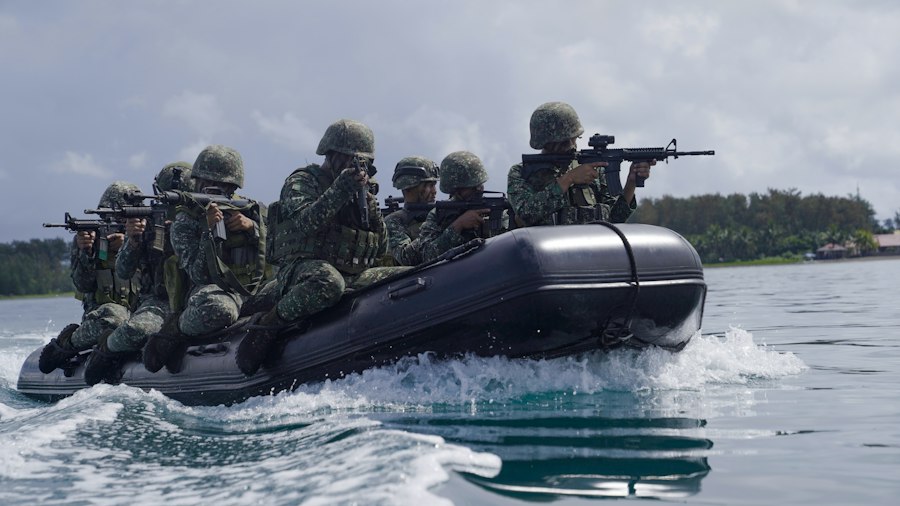
As the standoff dragged on and the pirates showed no signs of relinquishing their hostage, the decision was made to deploy the U.S. Navy’s elite counter-terrorism unit: SEAL Team Six. Their specialized training and proven track record made them the logical choice for such a high-risk operation.
The Capabilities of SEAL Team Six
Naval Special Warfare Development Group, commonly known as SEAL Team Six, is a tier-one special operations unit within the U.S. Navy. Their primary mission involves counter-terrorism, hostage rescue, and direct action operations in sensitive environments.
Training and Specialization
SEALs undergo some of the most rigorous training in the world, focusing on small-unit tactics, maritime operations, close-quarters combat, and advanced weapons handling. SEAL Team Six members are further specialized in areas such as snipers, breacher, and intelligence operatives, making them exceptionally versatile.
Equipment and Technology
SEAL Team Six operators are equipped with cutting-edge technology and weaponry, allowing them to operate effectively in a wide range of scenarios. This includes specialized gear for maritime insertion, advanced communication systems, and precision firearms.
The Strategic Imperative for Intervention
The prolonged standoff presented several risks. Captain Phillips’ life was in constant peril, and the possibility of him being taken ashore into Somalia, where a rescue would become exponentially more difficult and dangerous, loomed large.
The “Kill or Capture” Dilemma
While the primary objective was Captain Phillips’ safe return, the presence of armed pirates posed a direct threat. The rules of engagement would be critical in determining the actions the SEALs could take.
The U.S. Commitment to Hostage Rescue
The U.S. government has a stated commitment to rescuing its citizens held hostage. This commitment, coupled with the public and political pressure surrounding the Maersk Alabama incident, necessitated decisive action.
The Planning and Rehearsal Phase
The deployment of SEAL Team Six was not a rash decision. Extensive planning and coordination preceded the actual operation. Intelligence gathered from naval assets and other sources was analyzed to develop the most effective strategy.
Risk Assessment and Scenario Planning
Every conceivable scenario was assessed, from successful hostage extraction to potential complications. Contingency plans were developed to address a range of possibilities.
Coordination with Naval Assets
The SEALs’ operation would be inextricably linked to the USS Bainbridge. Close coordination between the SEAL team and the destroyer’s command was essential for success.
The D-Day: Precision Under Fire
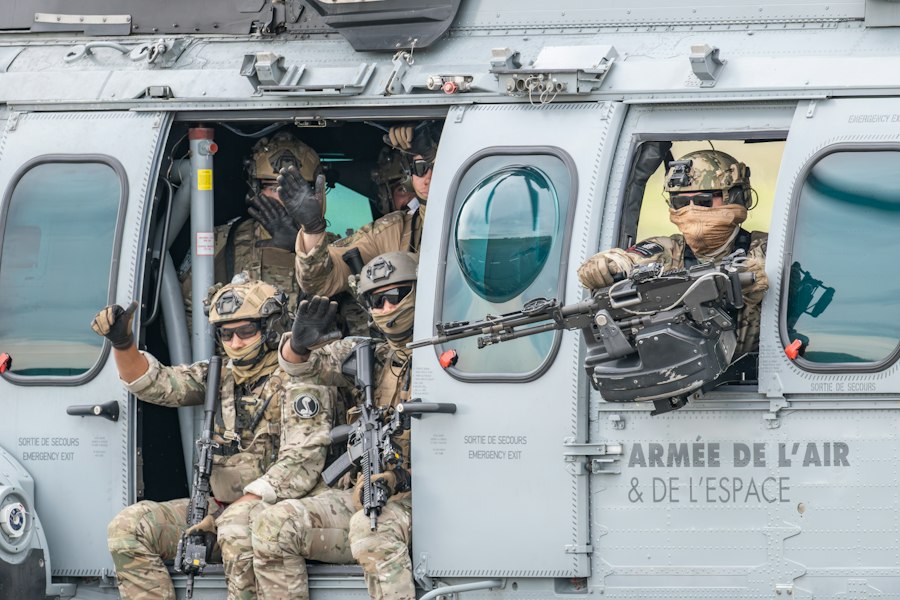
The culmination of the standoff arrived on April 12, 2009. The U.S. Navy SEALs launched their daring rescue operation, a testament to their skill, bravery, and the meticulous planning that preceded it.
The Maritime Insertion
The SEAL team was deployed from a naval vessel, likely the USS Bainbridge, or potentially a helicopter. The method of insertion was critical for achieving surprise and maintaining tactical advantage.
The Importance of Stealth
Operating under the cover of darkness or challenging weather conditions would have been paramount to avoid detection by the pirates until the opportune moment.
The Role of the USS Bainbridge
The USS Bainbridge played a pivotal role, providing tactical support and a platform for the SEALs. Its proximity to the lifeboat allowed for rapid deployment and close coordination.
The Assault on the Lifeboat
The SEALs executed a swift and decisive assault on the pirate-occupied lifeboat. The element of surprise and the SEALs’ specialized training were key to their success.
Close-Quarters Combat Expertise
The limited space within the lifeboat meant that the engagement would be extremely close-quarters. SEALs are trained for such scenarios, utilizing their proficiency in hand-to-hand combat and close-quarters shooting.
The Snipers’ Critical Role
Snipers on the USS Bainbridge, or potentially within the SEAL team itself, played a crucial role. Their ability to accurately engage targets from a distance under difficult conditions was vital.
The Rule of Engagement and Sniper Accuracy
The SEAL snipers had strict rules of engagement. Their objective was to neutralize the immediate threat to Captain Phillips and themselves, with minimal collateral damage. This demanded extraordinary precision.
Compensating for Sea State and Distance
The lifeboat was likely in open water, subject to the movement of waves. The snipers would have had to compensate for the pitch and roll of the lifeboat and the distance, making their shots exceptionally challenging.
Securing Captain Phillips and Neutralizing the Threat
The operation was a success. Captain Phillips was rescued, and the immediate threat posed by the pirates was neutralized. The speed and efficiency of the SEALs’ intervention were remarkable.
Immediate Medical Attention for Captain Phillips
Upon rescue, Captain Phillips would have received immediate medical attention to assess his physical and psychological condition.
The Fate of the Pirates
The pirates involved in the hijacking were apprehended. Their fate would be determined by U.S. legal processes, often leading to prosecution for piracy and related offenses.
The daring rescue operation by SEAL Team Six during the Captain Phillips incident showcased the exceptional skills and bravery of the Navy SEALs in high-stakes situations. This operation not only highlighted the tactical prowess of the team but also raised questions about maritime security and the complexities of hostage situations. For a deeper understanding of the challenges faced by military personnel in such operations, you can read a related article that delves into the intricacies of modern warfare and counter-terrorism efforts. To explore this further, check out this insightful piece on In the War Room.
The Aftermath and Legacy
| Metric | Details |
|---|---|
| Operation Name | Operation Neptune Spear (Rescue of Captain Phillips) |
| Date | April 12, 2009 |
| Location | Indian Ocean, near Somalia |
| Target | Somali Pirates holding Captain Richard Phillips hostage |
| SEAL Team Involved | SEAL Team Six (DEVGRU) |
| Number of Hostages | 1 (Captain Richard Phillips) |
| Number of Pirates | 4 (3 killed, 1 captured) |
| Duration of Hostage Situation | 5 days |
| Outcome | Successful rescue of Captain Phillips; all SEALs unharmed |
The successful rescue of Captain Phillips by SEAL Team Six had significant ramifications, both for the individuals involved and for the broader fight against maritime piracy.
The Heroism of Captain Phillips and the Crew
The bravery of Captain Phillips in offering himself as a hostage and the resilience of the Maersk Alabama’s crew in securing themselves in the safe room were widely lauded. Their actions underscored the courage of ordinary seamen facing extraordinary circumstances.
The Importance of Crew Preparedness
The incident highlighted the importance of robust security protocols on merchant vessels and the need for ongoing training for crews in dealing with potential threats.
The Ethical Dilemmas of Piracy
The situation also brought to the forefront the complex ethical and geopolitical issues surrounding piracy, including the socio-economic conditions that drive it and the international responsibility to combat it.
The Indispensable Role of Special Operations Forces
The SEAL Team Six rescue operation served as a powerful demonstration of the effectiveness of highly trained special operations forces in hostage rescue scenarios. It reinforced the value of investing in such capabilities.
Deterrence and Future Operations
The successful intervention likely served as a deterrent to potential pirates in the region, signaling that the U.S. was willing and able to take decisive action to protect its citizens and maritime interests.
The Public Perception of Elite Units
The incident further cemented the public’s perception of SEAL Team Six as an elite, highly capable unit, capable of executing incredibly difficult missions with precision and bravery.
The Ongoing Battle Against Piracy
While the Maersk Alabama incident was a significant victory, the fight against maritime piracy continued. The underlying causes of piracy in Somalia remained, and international efforts to combat it persisted.
International Cooperation and Maritime Security
The incident spurred further international cooperation in maritime security, with navies from various nations participating in anti-piracy patrols and initiatives.
The Long-Term Solutions
Addressing the root causes of piracy, such as poverty and instability in Somalia, remained a long-term challenge requiring sustained international effort. The rescue of Captain Phillips, however, offered a powerful symbol of hope and the capability to intervene when necessary.
Why SEAL Team Six Got the Bin Laden Raid — Not Delta Force
FAQs
What was the purpose of SEAL Team Six’s operation in the Captain Phillips rescue mission?
The purpose of SEAL Team Six’s operation in the Captain Phillips rescue mission was to rescue Captain Richard Phillips, who had been taken hostage by Somali pirates.
When did the operation involving SEAL Team Six take place in the Captain Phillips rescue mission?
The operation involving SEAL Team Six in the Captain Phillips rescue mission took place on April 12, 2009.
How did SEAL Team Six successfully rescue Captain Phillips in the operation?
SEAL Team Six successfully rescued Captain Phillips by executing a precision operation that involved snipers taking out the pirates holding him hostage on a lifeboat.
Was Captain Phillips harmed during the operation conducted by SEAL Team Six?
Captain Phillips was unharmed during the operation conducted by SEAL Team Six. The snipers were able to take out the pirates without injuring him.
What is the significance of SEAL Team Six’s involvement in the Captain Phillips rescue mission?
SEAL Team Six’s involvement in the Captain Phillips rescue mission showcased their elite skills and capabilities in conducting high-risk operations to rescue hostages in dangerous situations.