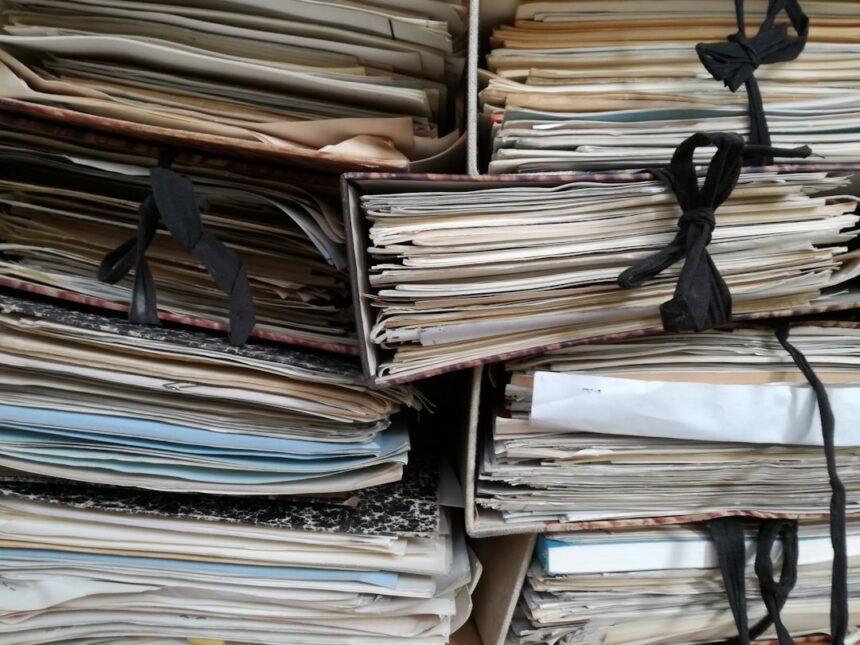
The air in the archive, thick with the scent of aging paper and the hushed reverence of history, often carries a tangible weight. For many East Germans, this is not merely a place of dusty records, but a portal to a deeply personal and often painful past. The fall of the Berlin Wall in 1989 did more than just reunify a nation; it unearthed a hidden trove of information, revealing the pervasive reach of the Stasi, the East German Ministry for State Security. For decades, this powerful apparatus monitored, infiltrated, and persecuted its own citizens, leaving behind an unparalleled archive of surveillance and repression. Today, an increasing number of East Germans are venturing into these files, seeking to understand their own histories, their families’ stories, and the complex legacy of a state that sought to control every facet of life.
The Stasi, operating from 1950 to 1990, was one of the most extensive secret police organizations in history, employing a vast network of official officers and unofficial informants – known as Inoffizielle Mitarbeiter (IMs). Their objective was to maintain the socialist regime’s absolute power by identifying and neutralizing any perceived opposition, real or imagined. This mission resulted in millions of files, meticulously documenting the lives of ordinary citizens, their conversations, their relationships, and their deepest thoughts. The sheer volume of information is staggering, a testament to the Stasi’s insatiable appetite for control.
The Pervasive Reach of the Stasi
The insidious nature of Stasi surveillance lay in its ubiquity. Informants were everywhere: neighbors, colleagues, even friends and family members. This created a climate of profound distrust, where individuals learned to guard their words and actions, unsure of who might be listening. The Stasi was not just interested in political dissidents; it targeted anyone who deviated from the prescribed norms, anyone who expressed discontent, or anyone who simply harbored aspirations for a different life. The files paint a disturbing picture of a society where privacy was a forgotten luxury and where the state held an almost omniscient gaze.
The Long Shadow of Fear
For many who lived through the GDR era, the very act of requesting their Stasi file can be a deeply emotional and anxiety-provoking experience. The fear of what might be revealed – that a loved one was an informant, or that their own actions, however seemingly innocuous at the time, were deemed suspicious – can be overwhelming. This fear, ingrained over decades, is a testament to the psychological impact of living under constant surveillance. The process of confronting these files is not just an intellectual exercise; it is an emotional reckoning.
In recent years, many East Germans have sought to uncover their past by reading their Stasi files, which contain detailed records of surveillance and informants during the era of the German Democratic Republic. This process has sparked a broader conversation about privacy, memory, and the implications of living under constant observation. For a deeper exploration of this topic, you can read a related article that discusses the impact of Stasi files on personal identities and societal healing at In the War Room.
Unearthing Personal Histories: The Drive for Truth
The primary motivation for East Germans seeking out their Stasi files is the profound human need for truth and understanding. Many lived their lives under the shadow of suspicion, with unanswered questions about why they were ostracized, why opportunities were denied, or why relationships fractured. The files offer the potential to finally shed light on these mysteries, to piece together the fragmented narratives of their past.
The Search for Lost Connections
For some, the files are a way to understand why certain relationships ended or why individuals disappeared from their lives. The Stasi often used its intelligence to manipulate personal relationships, creating rifts between friends and family members, or even fabricating information to sow discord. The archive can reveal the Stasi’s hand in these events, offering closure and a clearer understanding of the forces that shaped their personal histories. This can be particularly poignant for those who lost contact with loved ones, as the files might offer clues to their fate.
Reclaiming Agency and Identity
In many cases, East Germans feel that their identities were distorted and misrepresented by the Stasi. Their files, often filled with biased interpretations and damning accusations, present a version of themselves that is alien and unwelcome. By accessing and understanding these files, they can begin to reclaim their narratives, to contextualize the Stasi’s interpretations, and to assert their own sense of self, free from the state’s manufactured labels. This act of reclaiming agency is crucial for moving forward and for rebuilding their sense of identity.
The Weight of Family Secrets
The Stasi’s reach extended into the very heart of families. Many individuals discover, with shock and sorrow, that their parents, siblings, or other relatives were informants. This revelation can be deeply destabilizing, forcing them to re-evaluate their understanding of their family history and their relationships. The files become a stark reminder of the pressures and compromises that individuals faced under the GDR regime, and the difficult choices they were forced to make.
The Archives as Sites of Memory and Education

The Stasi archives are not simply repositories of individual histories; they are crucial sites for national memory and historical education. They provide an unparalleled window into the functioning of a totalitarian state and serve as a vital resource for understanding the complexities of life in East Germany.
The Role of the BStU
The Bundesbeauftragte für die Stasi-Unterlagen (BStU), the Federal Commissioner for the Stasi Records, plays a pivotal role in managing and providing access to these files. Established after reunification, the BStU’s mission is to preserve the records, facilitate public access, and promote historical understanding. Their work is essential for ensuring that the lessons of the past are not forgotten.
Educational Initiatives and Public Awareness
Beyond individual access, the BStU engages in extensive educational initiatives. This includes exhibitions, publications, and programs designed to inform younger generations about the realities of Stasi surveillance and the importance of democratic freedoms. By bringing these stories to the public, the archives become a living testament to the dangers of unchecked state power.
The Ongoing Debates Surrounding Access
While access to the Stasi files is widely seen as a public right, debates continue regarding the scope and limitations of this access. Issues such as the protection of privacy for former informants, the potential for misuse of information, and the ethical considerations of publishing sensitive personal details are constantly being navigated. The BStU strives to balance the public’s right to know with the need for responsible handling of this complex historical material.
The Process of Accessing and Understanding Files
The journey to accessing and understanding one’s Stasi file is often a meticulous and emotionally charged process. It requires patience, careful navigation of bureaucratic procedures, and a willingness to confront potentially difficult truths.
Initiating the Request: Navigating the Bureaucracy
The first step for most individuals is to submit a formal request to the BStU. This involves filling out specific forms and providing necessary identification. The process can take time, and patience is often required as the BStU handles a high volume of requests. Understanding the official procedures and requirements is crucial for a smooth application.
The Contents of a Stasi File: A Multifaceted Record
Stasi files are not monolithic. They can contain a wide range of documents, including:
Surveillance Reports
These are the core of most files, detailing observations made by Stasi officers and informants. They can range from brief summaries of suspicious activities to lengthy, detailed accounts of conversations and movements.
Informant Reports
These documents are often the most emotionally charged, revealing the names and reports of individuals who acted as informants. The depth of detail in these reports can be unsettling, as they often include personal observations and assessments of individuals.
Operational Documents
These include the Stasi’s plans for surveillance, infiltration, and potential interrogation or arrest. They offer insight into the organization’s methods and objectives.
Personal Correspondence and Other Materials
In some cases, files might also contain seized personal documents, letters, photographs, or other items that the Stasi deemed relevant to their investigations. These can offer a more intimate glimpse into the lives of those targeted.
Interpreting the Information: Context is Key
Simply reading the documents is only the first part of the process. Understanding the Stasi’s methods, their biases, and the broader political context of the GDR is crucial for accurate interpretation. The BStU often provides resources and guidance to help individuals make sense of their files.
Recognizing Stasi Terminology and Tactics
The Stasi employed a specific lexicon and set of tactics. Understanding terms like “Zersetzung” (decomposition or disintegration), which described the Stasi’s systematic psychological and social harassment of perceived opponents, is vital for grasping the full impact of their actions.
The Role of Contextualization and Historical Research
When encountering potentially incriminating information, it is important to consider the broader context of the time. Were individuals acting under duress? Were they seeking to protect themselves or their families? Historical research can help to illuminate these complex situations.
Many East Germans have sought to understand their past by reading their Stasi files, which reveal the extent of surveillance and control during the GDR era. This process of uncovering personal histories can be both enlightening and painful, as individuals confront the reality of their own experiences and those of their neighbors. For a deeper exploration of this topic, you can read a related article that discusses the implications of accessing these files and how it impacts personal identities. To learn more, visit this article.
The Impact of Uncovering the Past: Healing and Reconciliation
| Year | Number of East Germans reading Stasi files | Percentage of population |
|---|---|---|
| 1992 | Approximately 1.7 million | 20% |
| 2002 | Over 2.5 million | 30% |
| 2012 | Around 3.5 million | 40% |
The act of revisiting and understanding Stasi files has a profound impact on individuals and on German society as a whole. It is a process that can lead to healing, to a deeper understanding of collective responsibility, and to a commitment to safeguarding democratic values.
Personal Healing and Closure
For many, confronting their files brings a sense of closure, even if the revelations are painful. Knowing the truth, however difficult, is often preferable to the lingering uncertainty and speculation. This process can be a crucial step in healing from the trauma of the past.
The Challenge of Forgiveness and Reconciliation
The discovery of informants within families and among friends presents a significant challenge to forgiveness and reconciliation. While the Stasi operated under a repressive regime that incentivized informing, the betrayal of trust can be deeply scarring. The process of coming to terms with this is ongoing and complex.
Strengthening Democratic Awareness
The Stasi archives serve as a potent reminder of the fragility of freedom and the importance of vigilance against authoritarianism. By understanding the mechanisms of surveillance and repression, Germans are better equipped to recognize and resist similar threats in the future. The lessons learned from this past are invaluable for strengthening democratic institutions and protecting civil liberties.
A Legacy for Future Generations
The efforts of East Germans to uncover and understand their Stasi files are not just about their personal pasts; they are about building a more informed and resilient future. By engaging with this complex legacy, they contribute to a national conversation about memory, justice, and the enduring importance of human rights. The ongoing work with the archives ensures that the silenced voices of the past can inform and guide the present and future. The weight of history, when understood and acknowledged, can become a source of strength and a catalyst for positive change. The stories held within these files, though often somber, are essential chapters in the ongoing narrative of Germany’s journey towards a democratic and open society.

The Stasi Made You Suspect Everyone
FAQs
What are Stasi files?
Stasi files are the extensive records kept by the Ministry for State Security (Stasi) in East Germany, documenting the surveillance and control of the East German population during the Cold War era.
Why are East Germans reading Stasi files?
Many East Germans are reading Stasi files to learn about the extent of the surveillance and control that the Stasi had over their lives, as well as to uncover any information about themselves or their loved ones that may have been documented in the files.
How are East Germans accessing Stasi files?
East Germans can access Stasi files through the Federal Commissioner for the Stasi Records (BStU) in Germany. The BStU provides access to the Stasi files for individuals who wish to learn about their own personal files or the files of others.
What information can be found in Stasi files?
Stasi files contain a wide range of information, including surveillance reports, informant reports, personal correspondence, and other documents related to the monitoring and control of individuals by the Stasi.
What impact does reading Stasi files have on East Germans?
Reading Stasi files can have a profound impact on East Germans, as it can provide insight into the extent of the surveillance and control that the Stasi had over their lives, as well as uncovering long-hidden truths about their own experiences and the experiences of others during the East German regime.