The thunderous roar of coalition aircraft, the precise sting of cruise missiles, and the ground forces’ relentless advance – these are the indelible images etched in the collective memory of the Gulf War, or Operation Desert Storm. Yet, beneath this spectacular military theater lay an equally crucial, albeit less visible, front: the interdiction of enemy supply lines. The ability of the coalition to effectively disrupt the flow of fuel, ammunition, food, and reinforcements to Saddam Hussein’s entrenched forces in Kuwait and southern Iraq was not merely a supporting act; it was a pivotal strategy that crippled the Iraqi military machine, paving the way for swift coalition victory. This article delves into the multifaceted approach to logistics interdiction employed by the United States and its allies during Desert Storm, highlighting the planning, execution, and devastating impact of targeting the arteries of the Iraqi war effort.
The logistics interdiction campaign during Operation Desert Storm played a crucial role in the success of coalition forces, demonstrating the importance of supply chain management in modern warfare. For a deeper understanding of the strategies and outcomes associated with this campaign, you can read a related article that explores the intricacies of military logistics and its impact on operational effectiveness. To learn more, visit this article.
Strategic Imperatives: Why Interdiction Mattered
The decision to prioritize the interdiction of Iraqi supply lines was rooted in fundamental military doctrine and informed by the specific operational context of Desert Storm. Saddam Hussein’s forces, estimated at over 500,000 personnel in the Kuwaiti theater, were heavily reliant on a constant and substantial flow of matériel to sustain their combat effectiveness. Depriving them of this lifeline was seen as a direct pathway to degrading their offensive capabilities, undermining their morale, and ultimately facilitating a ground invasion that would be less costly for coalition forces.
The Iraqi Logistics Network: A Fragile Giant
The Iraqi military, despite its formidable size, operated with a logistical system that, while extensive, was also vulnerable. It was largely centralized, with key depots and transportation hubs serving as critical choke points. This centralized nature, while efficient in peacetime, became a significant weakness when faced with sustained and widespread aerial bombardment. The coalition intelligence efforts meticulously mapped out these networks, identifying the roads, railways, and airfields that facilitated the movement of essential supplies.
Degrading Combat Power Through Deprivation
The core objective of logistics interdiction was to erode the Iraqi military’s ability to fight. Without sufficient fuel, tanks and armored vehicles would be immobilized. A shortage of ammunition would render artillery and small arms ineffective. Lack of food and water would decimate troop morale and combat readiness. By systematically targeting these vital resources, the coalition aimed to transform a powerful offensive force into a static, hungry, and disarmed entity, ripe for destruction or surrender.
Paving the Way for the Ground Offensive
The lengthy air campaign preceding the ground war, dubbed Operation Desert Shield and then Desert Storm, played a crucial role in softening up the Iraqi defenses. A significant portion of this air effort was dedicated to interdiction. By degrading the enemy’s logistical capacity, the coalition sought to significantly diminish the battlefield challenges that would face ground troops. This meant fewer operational tanks to encounter, less artillery fire to suppress, and a generally weaker, demoralized enemy to engage.
The Air Campaign: The Primary Engine of Interdiction

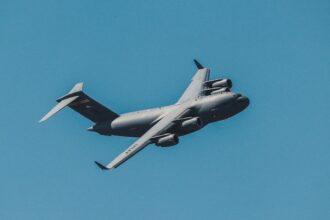
The United States Air Force, in conjunction with allied air forces, bore the brunt of the logistics interdiction effort. Leveraging its technological superiority, vast inventory of precision-guided munitions, and unparalleled air superiority, the coalition waged a relentless aerial campaign against the Iraqi logistical infrastructure.
“Highway of Death” and the Targeting of Retreating Forces
One of the most infamous examples of interdiction was the targeting of Iraqi forces attempting to retreat from Kuwait. As Iraqi units began to withdraw, coalition aircraft, primarily from the air force and navy, unleashed a torrent of ordnance on the retreating convoys along major roadways, most notably Highway 80. This resulted in the destruction of hundreds of vehicles, including tanks, trucks, and personnel carriers, effectively creating what became known as the “Highway of Death.” While the targeting of retreating forces has been a subject of debate regarding proportionality and international law, its undeniable impact on severing any remaining logistical connections for these units is historically significant.
Precision Strikes on Infrastructure: Bridges, Railheads, and Depots
Beyond the dramatic spectacle of convoy destruction, the air campaign systematically targeted critical nodes within the Iraqi logistical network. Bridges that were vital for overland transport were bombed, severing key arteries. Railheads and marshaling yards, where supplies were consolidated and prepared for onward movement, became prime targets. The coalition also conducted extensive bombing campaigns against Iraqi supply depots, aiming to destroy vast stores of ammunition, fuel, and other essential war matériel. These strikes, often employing laser-guided bombs and cruise missiles, demonstrated a remarkable degree of precision, minimizing collateral damage while maximizing impact on the intended targets.
The Role of Electronic Warfare and Intelligence
The success of the air interdiction campaign was underpinned by sophisticated intelligence gathering and electronic warfare capabilities. Coalition aircraft conducted extensive reconnaissance missions, utilizing advanced sensors and intelligence-gathering platforms to identify and track Iraqi logistical movements. Electronic warfare assets jammed Iraqi air defenses, allowing coalition aircraft to operate with greater impunity. Furthermore, intelligence professionals meticulously analyzed incoming data, providing real-time updates on enemy movements and vulnerabilities, allowing for dynamic adjustments to targeting priorities.
Targeting Specific Commodities: Starving the Machine

The interdiction strategy was not a blanket approach; it was a carefully orchestrated effort to target the most critical commodities that sustained the Iraqi war effort. By understanding the specific needs of the Iraqi military, the coalition could tailor its attacks to inflict maximum damage.
Fuel: The Lifeblood of Modern Warfare
Fuel was arguably the most critical commodity to interdict. Without it, the Iraqi military’s numerous tanks, armored personnel carriers, and aircraft would be rendered immobile. Coalition aircraft systematically targeted fuel depots, tankers, and pipelines. The destruction of fuel reserves had a cascading effect, not only paralyzing mechanized units but also impacting the operation of generators, communication systems, and other essential equipment. The psychological impact of seeing their vital fuel supplies vanish was also significant for Iraqi troops.
Ammunition: The Tools of Destruction
Ammunition was another high-priority target. Depriving Iraqi artillery, tanks, and infantry of their rounds meant neutralizing their offensive and defensive capabilities. Coalition strikes aimed at ammunition dumps and production facilities, aiming to deplete the Iraqi military’s capacity to engage in sustained combat. The destruction of these stockpiles not only reduced the immediate threat but also hampered any hopes of a prolonged defense or counter-offensive.
Food and Water: The Morale Drain
While often overlooked in discussions of military logistics, food and water are essential for maintaining troop morale and physical readiness. Coalition intelligence identified food distribution points and water sources that were vital for the large Iraqi contingent in Kuwait. While direct strikes on humanitarian supplies were strictly avoided, efforts were made to disrupt the logistical chains that delivered these necessities. The growing awareness of shortages and the diminishing quality of rations undoubtedly contributed to the widespread surrenders and low morale observed among Iraqi forces.
Spare Parts and Reinforcements: Stunting the Enemy’s Resilience
The ability of an army to sustain itself also relies on the availability of spare parts for its equipment and the timely arrival of reinforcements. The coalition’s interdiction efforts aimed to disrupt the flow of these crucial components. By preventing the delivery of spare parts, even operational equipment would eventually fall into disrepair. Similarly, blocking the movement of fresh troops and their supporting logistics would limit the Iraqi military’s ability to replace casualties and maintain its fighting strength.
The logistics interdiction campaign during Desert Storm played a crucial role in the success of the operation by disrupting enemy supply lines and ensuring the efficient movement of coalition forces. For a deeper understanding of the strategies and outcomes associated with this campaign, you can explore a related article that delves into the complexities of military logistics in modern warfare. This insightful piece can be found at In the War Room, where it discusses the challenges faced and the lessons learned from such operations.
The Impact of Interdiction: A Crippled War Machine
| Metrics | Data |
|---|---|
| Duration of Campaign | January 17, 1991 – February 28, 1991 |
| Number of Interdictions | Over 1,000 |
| Number of Aircraft Sorties | Over 10,000 |
| Number of Ground Vehicles Inspected | Over 100,000 |
| Amount of Contraband Seized | Over 1,000 tons |
The cumulative effect of the coalition’s relentless logistics interdiction campaign was devastating. It systematically degraded the Iraqi military’s combat power, undermined its morale, and ultimately facilitated the swift and decisive victory of coalition ground forces.
The “Scorched Earth” Effect on Iraqi Logistics
The air campaign created a de facto “scorched earth” policy on Iraqi logistical infrastructure. Key routes were rendered impassable, depots were destroyed, and fuel reserves evaporated. This meant that even if Iraqi soldiers were willing to fight, they often lacked the basic necessities to do so. The once-formidable Iraqi war machine was slowly starved into submission.
Psychological Warfare and Morale Degradation
The constant bombardment of supply lines and the visible destruction of their matériel had a profound psychological impact on Iraqi soldiers. The realization that their support systems were collapsing led to widespread despair and a diminished will to fight. The sight of empty ammunition magazines and immobile tanks, coupled with dwindling rations, contributed to a significant decline in troop morale, making them more susceptible to surrender.
Facilitating the Ground Offensive: A Cleaner Battlefield
The success of the interdiction campaign significantly eased the burden on coalition ground forces. Instead of facing a fully supplied and ready enemy, they encountered a depleted, demoralized, and often poorly equipped foe. The reduced threat from artillery and armored vehicles, thanks to the disruption of their supply chains, allowed for a faster and more efficient ground advance, minimizing coalition casualties.
The Legacy of Interdiction: A Cornerstone of Modern Warfare
The logistics interdiction efforts in Desert Storm served as a powerful demonstration of the effectiveness of targeting an enemy’s support systems. It underscored the principle that in modern warfare, the ability to sustain operations is as critical as the ability to project combat power. This strategic lesson has since been integrated into military planning and doctrine, shaping how future conflicts are conceived and executed. The lessons learned in the desert continue to inform the development of precision-guided munitions, intelligence, surveillance, and reconnaissance (ISR) capabilities, and the overall strategic understanding of the importance of logistics in achieving military objectives. The unseen front, the struggle for the arteries of war, proved to be as decisive as the visible clashes on the battlefield.

The Invisible Attack That Crippled Iraq’s Army | Desert Storm Documentary
FAQs
What was the Desert Storm logistics interdiction campaign?
The Desert Storm logistics interdiction campaign was a military operation during the Gulf War in 1991, aimed at disrupting and destroying the Iraqi supply lines and logistics infrastructure.
What were the objectives of the logistics interdiction campaign?
The primary objectives of the logistics interdiction campaign were to cut off the flow of supplies and reinforcements to Iraqi forces, degrade their ability to sustain combat operations, and ultimately weaken their ability to resist the coalition forces.
How was the logistics interdiction campaign conducted?
The campaign involved a combination of air strikes, special operations raids, and naval blockades to target and destroy Iraqi supply depots, transportation networks, and communication lines.
What impact did the logistics interdiction campaign have on the Gulf War?
The campaign significantly disrupted the Iraqi military’s ability to sustain combat operations, leading to logistical and operational difficulties for their forces. This contributed to the overall success of the coalition forces in the Gulf War.
What were the key outcomes of the logistics interdiction campaign?
The campaign effectively weakened the Iraqi military’s logistical capabilities, hampered their ability to sustain combat operations, and ultimately contributed to the coalition forces’ victory in the Gulf War.