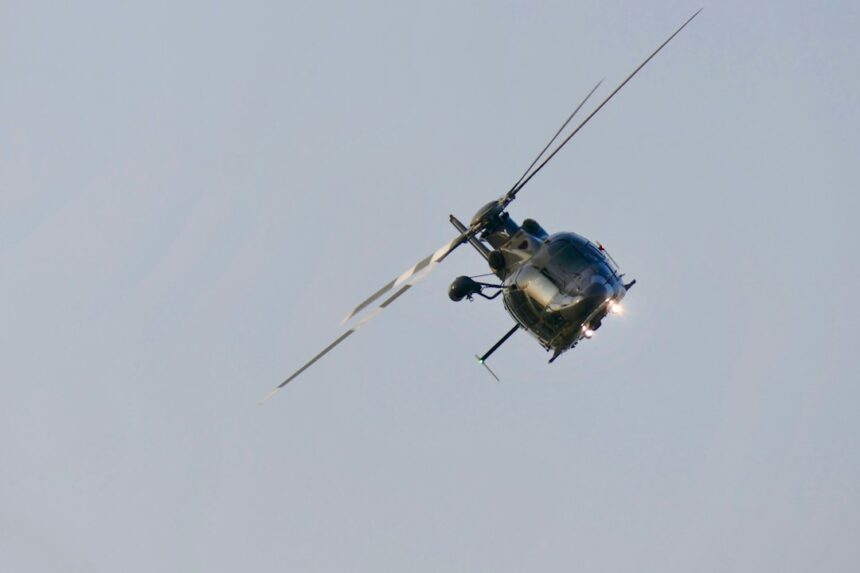
The 4-ton radar helicopter lift represents a significant leap forward in aerial transport solutions, offering unparalleled capabilities for missions requiring the swift and precise deployment of substantial payloads. This advanced aircraft is not merely a means of transport; it is a sophisticated platform designed to overcome geographical and logistical challenges, opening new avenues for operations in remote, inaccessible, or time-sensitive environments. Its designation as a “radar helicopter” hints at an integrated suite of advanced sensing and navigation systems, augmenting its already impressive lifting capacity with enhanced situational awareness and operational precision. This article delves into the multifaceted aspects of this remarkable aerial asset, exploring its design principles, operational applications, technological advancements, and the future it portends for various industries.
The Genesis of Enhanced Aerial Lifting
The evolution of rotary-wing aircraft has consistently been driven by the need to expand their operational envelopes. For decades, helicopters have served as indispensable tools in disaster relief, construction, military operations, and resource exploration. However, the increasing complexity and weight of essential equipment, particularly in sectors like advanced radar systems, surveillance platforms, and specialized scientific instruments, have pushed the boundaries of existing aerial lifting capacities. The development of a 4-ton capable radar helicopter lift is a direct response to this growing demand. It signifies a deliberate engineering effort to marry robust lifting power with the sophisticated avionics and operational flexibility demanded by modern challenges. The genesis of such a platform lies in a convergence of materials science advancements, more powerful and efficient engine technologies, and a deeper understanding of aerodynamic principles. The ability to safely and reliably transport a 4-ton payload translates to a significant reduction in the time and resources required for deployment, often eliminating the need for complex ground-based infrastructure that would otherwise be necessary. This is particularly crucial in sectors where rapid response or deployment in challenging terrain is paramount.
Addressing the Payload Conundrum
Historically, the weight of essential equipment has been a limiting factor in aerial deployment. Helicopters were often tasked with lifting components of larger systems, requiring extensive on-site assembly. This process could be time-consuming, labor-intensive, and pose significant risks in hazardous environments. The 4-ton lift capability fundamentally alters this paradigm. It allows for the transport of complete, pre-assembled units, such as advanced meteorological radar arrays, sophisticated early warning systems, or even compact mobile command centers. This shift from component transport to full system deployment streamlines operations, minimizes on-site logistical hurdles, and drastically reduces mission setup times. The economic implications are also substantial, as reduced assembly and deployment times translate directly into cost savings and increased operational efficiency. Furthermore, for sensitive equipment that may require specialized assembly conditions, transporting a fully integrated unit minimizes potential damage or degradation during the deployment process.
The Strategic Advantage of Integrated Radar
The inclusion of “radar” in its designation is not merely a descriptor but a core functional enhancement. Advanced radar systems, whether for weather monitoring, air traffic control, surveillance, or scientific research, are often large, complex, and require precise placement. The ability of the helicopter itself to integrate and operate these systems opens up unprecedented possibilities. This implies that the helicopter is not just a transporter but can potentially serve as a mobile command and control platform or a forward operating base for advanced sensor deployment. The integrated radar systems likely contribute to enhanced navigation, obstacle avoidance, and precise positioning during flight, especially in low-visibility conditions or challenging airspace. This synergistic integration of lifting power and advanced sensing capabilities positions the 4-ton radar helicopter lift as a truly multi-functional asset, capable of performing a wider array of complex missions with greater autonomy and precision.
The advancements in helicopter technology have significantly improved the capabilities of aerial operations, particularly in heavy lifting. A related article discussing the impressive 4-ton radar helicopter lift can be found at this link. This article delves into the engineering innovations that enable helicopters to transport heavy radar systems, enhancing military and civilian operations alike.
Operational Frontiers Expanded
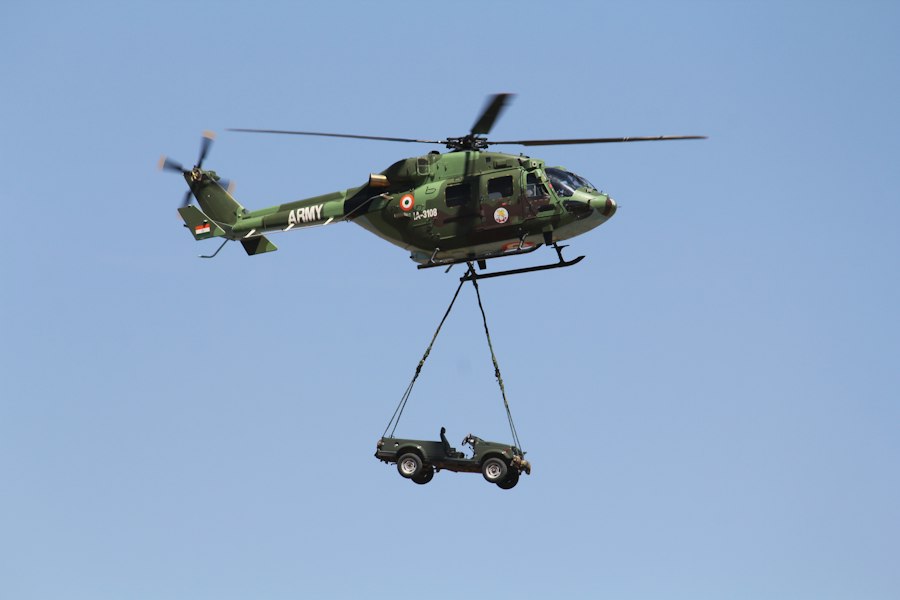
The 4-ton radar helicopter lift unlocks a new era of operational possibilities across a diverse range of sectors. Its capacity and technological sophistication empower missions that were previously deemed logistically infeasible or prohibitively expensive. From supporting critical infrastructure development in remote regions to enhancing disaster response efforts and enabling advanced scientific research, this aerial platform is poised to redefine operational paradigms. The ability to deliver substantial payloads swiftly and accurately into challenging environments significantly reduces lead times, minimizes on-ground logistical footprints, and ultimately enhances the overall effectiveness and safety of a wide array of operations.
Enabling Infrastructure Development in Remote Terrains
The construction of infrastructure in remote or geographically challenging areas has always presented significant logistical hurdles. Transporting heavy construction materials, machinery, and prefabricated components to remote sites, such as mountain tops, islands, or dense forests, often requires extensive road building or complex maritime operations. The 4-ton radar helicopter lift dramatically simplifies this process. It can deliver large sections of bridges, communication towers, power generation equipment, or even modules for remote research stations directly to their intended locations. This capability not only accelerates construction timelines but also minimizes environmental impact by reducing the need for extensive ground-based infrastructure development. For example, constructing a telecommunications tower in a remote mountain range can be accomplished with far less disruption and in a fraction of the time when heavy components can be airlifted directly to the summit. This accelerates connectivity and access for communities that might otherwise remain isolated.
Revolutionizing Disaster Response and Relief Efforts
In the aftermath of natural disasters, rapid deployment of essential resources is paramount. Earthquakes, floods, and hurricanes often render existing infrastructure impassable, creating urgent needs for shelter, medical supplies, communication equipment, and temporary power generation. The 4-ton radar helicopter lift is an invaluable asset in such scenarios. It can quickly deliver large quantities of vital supplies, such as emergency tents, water purification systems, or mobile medical units, to affected areas that are inaccessible by conventional means. Furthermore, its integrated radar capabilities can provide real-time situational awareness of the disaster zone, aiding in search and rescue operations, damage assessment, and the identification of safe landing zones. The ability to transport prefabricated temporary shelters or even mobile hospital modules directly to a disaster site can save critical time and lives, providing immediate relief and support to affected populations when they need it most.
Advancing Scientific Exploration and Research
Scientific endeavors, particularly those in remote or extreme environments, often require the deployment of specialized and heavy equipment. From setting up weather monitoring stations in polar regions to deploying deep-sea research equipment or establishing astronomical observatories on remote peaks, the logistical challenges are immense. The 4-ton radar helicopter lift offers a game-changing solution for these scientific expeditions. It can transport entire sensor arrays, laboratory modules, drilling equipment, or even large telescopes directly to their deployment sites, often eliminating the need for lengthy and arduous overland expeditions. The integrated radar systems can also assist in precise site selection, environmental monitoring during deployment, and even in data acquisition itself, depending on the specific mission profile. This capability accelerates the pace of scientific discovery by enabling researchers to access and operate cutting-edge instrumentation in locations previously considered too remote or difficult to reach.
Technological Pillars of Performance
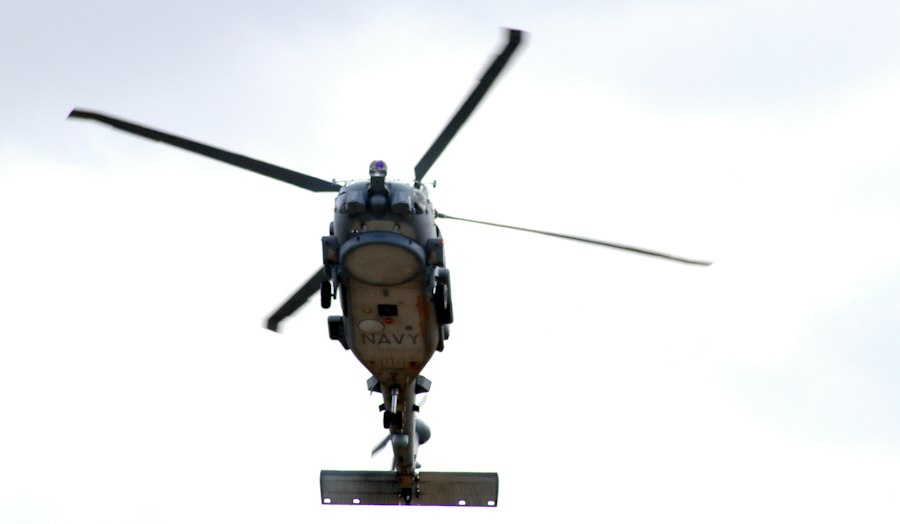
The remarkable capabilities of the 4-ton radar helicopter lift are underpinned by a sophisticated integration of cutting-edge technologies. These advancements span across propulsion systems, airframe design, avionics, and the specialized radar integration, all working in concert to achieve superior lifting power, precision, and operational flexibility. The engineering prowess invested in this platform ensures it can perform under demanding conditions while maintaining a high degree of safety and reliability. Understanding these technological pillars is crucial to appreciating the full scope of its operational potential.
Advanced Propulsion and Rotocraft Dynamics
At the heart of any heavy-lift helicopter lies its propulsion system. The 4-ton radar helicopter lift is likely equipped with powerful and efficient turbine engines, potentially multiple units for redundancy and enhanced performance. These engines are optimized for high power-to-weight ratios, ensuring sufficient thrust to lift substantial payloads even in challenging atmospheric conditions such as high altitudes or extreme temperatures. Beyond raw power, the understanding of rotocraft dynamics has advanced significantly. Innovations in rotor blade design, including advanced airfoils, materials, and control systems, contribute to increased lift efficiency, reduced vibration, and enhanced maneuverability. This allows the helicopter to maintain stable flight and precise control even when carrying a heavy and potentially awkward load. Sophisticated flight control systems, often fly-by-wire, translate pilot inputs into precise adjustments of rotor pitch and blade angles, enabling fine control during hover, take-off, and landing.
Robust Airframe and Materials Engineering
To withstand the stresses associated with lifting and transporting 4-ton payloads, the airframe of this helicopter must be exceptionally robust. This is achieved through the judicious use of advanced composite materials, such as carbon fiber reinforced polymers, alongside high-strength aerospace-grade alloys. These materials offer superior strength-to-weight ratios, reducing the overall mass of the aircraft while enhancing its structural integrity. The airframe design itself is likely optimized for load distribution and aerodynamic efficiency, minimizing drag and maximizing stability. Special attention would be paid to the design of the cargo bay or external attachment points to ensure secure and stable transport of diverse payloads. Furthermore, advanced manufacturing techniques ensure the precision and reliability of every component, contributing to the overall durability and safety of the aircraft.
Sophisticated Avionics and Radar Integration
The “radar” aspect of this helicopter highlights a sophisticated integration of avionic systems. This encompasses not only advanced navigation and communication suites but also specialized radar technology. The radar itself could serve multiple purposes: enhanced situational awareness for the flight crew through terrain mapping and obstacle detection, integration with airborne surveillance systems for reconnaissance or environmental monitoring, or even as a platform for deploying specialized weather or ground-penetrating radar. The avionic suite would include redundant flight control computers, sophisticated sensor fusion algorithms that integrate data from multiple sources (GPS, inertial navigation systems, radar altimeters, etc.), and advanced cockpit displays providing pilots with comprehensive real-time information. This level of technological integration ensures precision flight control, optimal mission planning, and enhanced safety, especially when operating in complex environments or at the limits of the aircraft’s performance envelope.
The Future of Aerial Logistics
The advent of the 4-ton radar helicopter lift is not merely an incremental improvement; it represents a paradigm shift in aerial transport solutions. Its capabilities promise to reshape how industries operate, enabling new efficiencies, unlocking previously inaccessible opportunities, and setting new standards for rapid and precise deployment of essential assets. The trajectory of development suggests a future where such heavy-lift aerial platforms become increasingly integral to global logistics, infrastructure development, and emergency response.
Emerging Applications and Industry Transformation
Beyond the immediate applications discussed, the 4-ton radar helicopter lift is poised to drive innovation in a multitude of emerging fields. In the energy sector, it could facilitate the rapid deployment and maintenance of offshore wind turbines or remote oil and gas exploration equipment. For telecommunications companies, it offers an unprecedented ability to install and service cellular towers in difficult terrain, bridging the digital divide. In the realm of advanced manufacturing, it could enable the delivery of large, complex components to remote production sites or assist in the assembly of modular structures in challenging locations. The implications for global supply chains are also significant, as it opens up new possibilities for point-to-point delivery of high-value or time-sensitive goods, bypassing traditional transit routes and reducing lead times. This transformation will likely lead to more resilient and responsive supply networks.
Advancements in Autonomous Operations and AI
The integration of sophisticated radar and avionic systems naturally leads to discussions about the future role of artificial intelligence (AI) and autonomous operations. While current iterations likely require skilled human pilots, the trajectory of rotorcraft development points towards increasing levels of automation. AI could be employed to optimize flight paths, manage complex cargo lifting maneuvers, enhance situational awareness through intelligent data analysis from the radar, and even enable semi-autonomous or fully autonomous cargo delivery missions in the future. This would further enhance efficiency, reduce pilot workload, and potentially open up operational possibilities in environments considered too hazardous for human crews. The radar systems themselves could become more intelligent, capable of identifying specific targets or environmental conditions and relaying this information to AI systems for proactive decision-making.
The Path Forward: Sustainability and Specialization
As the capabilities of heavy-lift helicopters like the 4-ton radar variant expand, so too will the focus on sustainability and specialization. Future developments will likely aim to improve fuel efficiency, reduce emissions through advanced engine designs or alternative fuels, and explore noise reduction technologies. Concurrently, there will be a continued push towards specialization, with variants tailored for specific roles, such as dedicated search and rescue configurations with advanced medical facilities, or specialized platforms for geological surveying with enhanced sensor payloads. The modularity of future designs may allow for rapid reconfiguration to suit diverse mission requirements, further enhancing the versatility and cost-effectiveness of these remarkable aerial assets. The evolution of the 4-ton radar helicopter lift is a testament to human ingenuity, a powerful symbol of our drive to conquer geographical limitations and enhance our ability to respond to the world’s most pressing challenges.
The advancements in military technology continue to impress, particularly with innovations like the 4 ton radar helicopter lift, which enhances operational capabilities significantly. For those interested in exploring more about the implications of such technologies on modern warfare, you can read a related article that delves into the strategic advantages provided by advanced aerial support systems. This article offers insights into how these developments are shaping the future of military operations. To learn more, visit this insightful piece.
Operational Considerations and Safety Protocols
| Parameter | Specification | Unit | Notes |
|---|---|---|---|
| Maximum Lift Capacity | 4,000 | kg | Maximum payload the helicopter can lift |
| Radar System Weight | 500 | kg | Weight of the radar equipment installed |
| Helicopter Empty Weight | 3,200 | kg | Weight of helicopter without payload or fuel |
| Maximum Takeoff Weight | 7,500 | kg | Maximum allowable weight at takeoff |
| Range | 450 | km | Maximum operational range with full payload |
| Flight Endurance | 3.5 | hours | Maximum flight duration with radar and payload |
| Cruising Speed | 220 | km/h | Average speed during flight |
| Radar Detection Range | 150 | km | Maximum range of radar detection |
The deployment and operation of an aircraft with a 4-ton lifting capacity, especially one equipped with advanced radar systems, necessitates stringent operational considerations and robust safety protocols. The sheer weight of the potential payload, combined with the inherent complexities of rotary-wing flight, demands meticulous planning, highly trained personnel, and a comprehensive understanding of risk mitigation. Adherence to these protocols ensures the safe and effective execution of missions, protecting both personnel and valuable equipment.
Mission Planning and Risk Assessment
Effective mission planning is the cornerstone of safe and successful operations. For a 4-ton radar helicopter lift, this involves detailed site surveys to assess terrain, weather conditions, and potential obstacles. Weather forecasts are critical, with particular attention paid to wind speed and direction, visibility, and the potential for icing or turbulence. The specific characteristics of the payload must be thoroughly understood, including its weight, center of gravity, dimensions, and any special handling requirements. A comprehensive risk assessment matrix is developed, identifying potential hazards at each stage of the mission, from take-off and transit to cargo deployment and return. Contingency plans are established for a range of scenarios, including equipment malfunctions, unexpected weather changes, or emergency landing situations. The integrated radar systems play a crucial role in this phase, providing detailed topographical data and real-time weather information that informs the planning process.
Crew Training and Expertise
Operating a heavy-lift radar helicopter requires a highly specialized and rigorously trained crew. Pilots must possess extensive experience in rotary-wing aviation, with a particular focus on heavy-lift operations and precision flying in challenging environments. Their training will include simulator sessions that replicate various mission profiles and emergency procedures, ensuring they can react effectively under pressure. Crew resource management (CRM) training is paramount, emphasizing effective communication, coordination, and decision-making among all crew members. The role of the loadmaster or ground crew is equally critical, as they are responsible for the secure attachment and release of the payload, as well as ensuring the integrity of the cargo. For missions involving the integrated radar systems, specialized technicians or operators may be part of the crew, responsible for the operation and maintenance of these complex instruments. Continuous training and recurrent proficiency checks are essential to maintain the highest standards of operational readiness.
Maintenance and Airworthiness Standards
Maintaining the airworthiness of a 4-ton radar helicopter lift is a non-negotiable aspect of its operation. A rigorous and proactive maintenance program is implemented, adhering to the strictest aviation regulations and manufacturer guidelines. This includes regular inspections, scheduled component replacements, and detailed record-keeping of all maintenance activities. The advanced nature of the radar and avionic systems requires specialized maintenance personnel and equipment. Any signs of wear, damage, or performance degradation are addressed immediately by qualified technicians. Pre-flight inspections are conducted meticulously before every mission, verifying the operational status of all critical systems, including the engines, rotors, flight controls, and the integrated radar suite. The commitment to maintaining the highest airworthiness standards ensures the reliability and safety of the aircraft, minimizing the risk of in-flight incidents.
The Impact on Global Operations
The introduction of the 4-ton radar helicopter lift signifies a tangible evolution in aerial capabilities, with profound implications for a wide array of global operations. Its ability to transcend geographical barriers and deliver substantial, technologically advanced payloads with unprecedented speed and precision is poised to redefine logistical strategies, accelerate development in underserved regions, and enhance the effectiveness of critical response efforts worldwide. This is more than just a technological advancement; it represents a fundamental shift in how humanity can interact with and develop challenging environments.
Bridging the Infrastructure Gap in Developing Nations
For many developing nations, the lack of robust infrastructure presents a significant impediment to economic growth and societal development. The 4-ton radar helicopter lift can play a pivotal role in bridging this gap. It can facilitate the rapid deployment of essential infrastructure components, such as power generators for remote communities, water treatment facilities, communication hubs, and even prefabricated medical centers. This bypasses the need for extensive and time-consuming road construction, allowing for quicker access to vital services and resources. The integrated radar capabilities can assist in identifying optimal locations for these facilities, taking into account environmental factors and existing land use. This accelerates the delivery of critical services, improving quality of life and fostering sustainable development in regions that have historically been hampered by logistical challenges.
Enhancing Global Security and Humanitarian Aid Delivery
In the realm of global security and humanitarian aid, the 4-ton radar helicopter lift offers a strategic advantage. For military operations, it enables the rapid deployment of surveillance equipment, forward operating bases, or essential supplies to remote or contested territories, enhancing situational awareness and operational flexibility. In humanitarian crises, its ability to deliver large quantities of aid, such as emergency shelters, food supplies, and medical equipment, to disaster-stricken areas that are inaccessible by other means can be life-saving. The integrated radar systems can provide critical reconnaissance of disaster zones, aiding in the identification of safe landing zones, assessment of damage, and the location of individuals requiring assistance. This capability significantly shortens the response time, maximizing the impact of aid efforts and contributing to global stability and security.
Fostering Scientific Discovery in Extreme Environments
The frontiers of scientific discovery are often found in the most extreme and inaccessible environments on Earth. From the poles to high-altitude mountain ranges and remote oceanic regions, conducting research often requires transporting heavy and sophisticated equipment. The 4-ton radar helicopter lift empowers scientists to access these challenging locations with greater ease and efficiency. It can transport entire research modules, specialized sensor arrays, drilling equipment, or even large observatory components directly to remote research sites. This dramatically reduces the logistical burden and cost associated with scientific expeditions, accelerating the pace of discovery. The integrated radar systems can also be invaluable for site selection, environmental monitoring during deployment, and even for specialized data acquisition related to geology, meteorology, or oceanography, opening new avenues for understanding our planet. The overarching impact of this advanced aerial transport solution is a more connected, resilient, and capable world, ready to address the challenges and seize the opportunities of the 21st century.

A 3-Year Drought Hit the Hittite Empire. Did It Cause the Collapse?
FAQs
What is a 4 ton radar helicopter lift?
A 4 ton radar helicopter lift refers to the capability of a helicopter to lift and transport a radar system that weighs 4 tons. This type of lift is commonly used for transporting radar equipment to remote or hard-to-reach locations.
What are some common uses for a 4 ton radar helicopter lift?
Some common uses for a 4 ton radar helicopter lift include transporting radar systems for military operations, disaster response efforts, scientific research, and infrastructure development projects in remote areas.
What are the advantages of using a helicopter for a 4 ton radar lift?
Using a helicopter for a 4 ton radar lift offers several advantages, including the ability to access remote or rugged terrain where traditional vehicles cannot reach, faster transportation times, and the flexibility to transport the radar system to multiple locations if needed.
What are some considerations when planning a 4 ton radar helicopter lift?
When planning a 4 ton radar helicopter lift, factors such as the weight and dimensions of the radar system, the distance to be traveled, weather conditions, landing site availability, and any necessary permits or clearances must be taken into account to ensure a safe and successful operation.
Are there specific types of helicopters designed for 4 ton radar lifts?
Yes, there are helicopters specifically designed and equipped for heavy lift operations, including transporting radar systems weighing up to 4 tons. These helicopters are equipped with powerful engines, specialized lifting equipment, and experienced crew members to safely and efficiently carry out such operations.