The silent, unseen hand that has shaped the contours of modern conflict, the United States Naval Special Warfare Development Group, more commonly known as DEVGRU, stands as a testament to the nation’s unwavering commitment to elite, cutting-edge special operations. Born from necessity and forged in the crucible of global threats, DEVGRU represents the pinnacle of maritime special operations, a highly specialized unit tasked with the most sensitive, dangerous, and complex missions imaginable. Its history is a narrative of constant adaptation, technological innovation, and the relentless pursuit of perfection by a select cadre of warriors.
Genesis and Early Formations: The Seeds of Elite Maritime Operations
The roots of DEVGRU are deeply entwined with the broader evolution of American special operations forces following the Vietnam War. The perceived shortcomings and the ad hoc nature of certain operations during that conflict spurred a critical reassessment of how the United States conducted unconventional warfare and direct action missions. This introspection led to the creation of specialized units designed to address a spectrum of threats that traditional military structures were not adequately equipped to handle.
The Post-Vietnam Reorganization and the Birth of SEAL Teams
The immediate aftermath of the Vietnam War marked a period of significant restructuring within the U.S. military. For Naval Special Warfare (NSW), this meant a renewed focus on refining existing capabilities and exploring new operational paradigms. The U.S. Navy, recognizing the need for a more agile and specialized maritime counter-terrorism and direct action capability, began to build upon the foundational structure of its SEAL (Sea, Air, Land) Teams. While the SEAL Teams themselves were already highly capable, the emerging global landscape presented challenges that demanded an even higher echelon of specialization and a more discreet operational framework.
The Need for a Dedicated Counter-Terrorism Force
The late 1970s witnessed a dramatic rise in international terrorism. High-profile incidents, including hijackings, bombings, and hostage situations, highlighted the vulnerability of both civilian populations and national interests to extremist groups. The U.S. government understood that a dedicated, highly trained, and readily deployable force was essential to counter these evolving threats. The existing SEAL Teams, while proficient, were structured for a broader range of operations. The requirement emerged for a unit that could focus almost exclusively on the intricate and often politically charged domain of counter-terrorism, both at home and abroad.
The Role of Operation Eagle Claw and its Aftermath
A pivotal moment in the gestation of what would become DEVGRU was the ill-fated Operation Eagle Claw in 1980. This rescue attempt of American hostages in Iran exposed critical deficiencies in inter-agency coordination, training, and equipment within the U.S. special operations community. While not solely a naval operation, the failures of Eagle Claw sent shockwaves through the Pentagon and served as a stark catalyst for change. The lessons learned from this disaster directly informed the subsequent development of more specialized and cohesive units, emphasizing rigorous selection, specialized training, and seamless operational planning. The need for a highly professionalized, centrally managed unit capable of conducting complex hostage rescue and counter-terrorism missions became undeniably clear.
DEVGRU, also known as SEAL Team Six, has a storied history within Naval Special Warfare, marked by its elite operations and significant contributions to counter-terrorism efforts. For a deeper understanding of the evolution and impact of DEVGRU, you can explore a related article that delves into the team’s formation and key missions throughout its history. To read more, visit this article.
The Establishment of SEAL Team Six: A New Era of Special Operations
In the wake of Operation Eagle Claw’s failures and the growing global threat of terrorism, the U.S. Navy took decisive action to establish a dedicated counter-terrorism unit. This marked a significant departure from previous organizational structures and laid the groundwork for the highly specialized unit that DEVGRU would become.
The Formal Creation of SEAL Team Six
Responding to the urgent need for a specialized counter-terrorism capability, Admiral Thomas H. Moorer, then Chief of Naval Operations, approved the establishment of a new SEAL Team. This unit, controversially designated SEAL Team Six, was intended to fill a critical void in the U.S. special operations arsenal. The naming itself was a strategic maneuver; by creating a “Sixth” SEAL Team, the Navy aimed to mislead potential adversaries about the actual number of SEAL Teams and the specific capabilities of this new, highly classified unit. This initial designation underscored the inherent secrecy and operational discretion that would become hallmarks of the unit.
Mission Parameters and Initial Objectives
SEAL Team Six was conceived with a clear set of mission parameters. Its primary objectives were to provide a rapid-response capability for hostage rescue, counter-terrorism operations, and direct action missions against high-value targets. The unit was designed to operate in politically sensitive environments, often with a high degree of autonomy and minimal public visibility. Its early focus was on developing proficiency in unconventional warfare tactics, close-quarters combat, maritime interdiction, and the precise application of force under extreme pressure.
The Integration of Advanced Training and Equipment
From its inception, SEAL Team Six was intended to be at the forefront of special operations training and technology. It was envisioned as a unit where the best operators from existing SEAL Teams could be selected for an even more demanding and specialized training regimen. This included advanced marksmanship, demolitions, intelligence gathering, clandestine operations, and the use of cutting-edge equipment that was often experimental or not yet widely deployed. The emphasis was on developing a force that could operate effectively in any environment, under any conditions, against any adversary.
DEVGRU’s Evolution: From SEAL Team Six to Naval Special Warfare Development Group
The unit, initially known as SEAL Team Six, underwent a significant transformation over the years, adapting to evolving threats and organizational changes. This evolution was not merely a renaming but a reflection of its expanding mission set and its increasing integration into the broader U.S. Special Operations Command (SOCOM) structure.
The Reorganization under SOCOM
The establishment of the U.S. Special Operations Command (SOCOM) in 1987 was a watershed moment for all U.S. special operations forces. SOCOM was created to unify and streamline the planning, training, and deployment of special operations units across the different branches of the military. This reorganization brought DEVGRU, still operating under the nomenclature derived from SEAL Team Six, under the direct operational purview of SOCOM. This integration aimed to improve inter-service cooperation and ensure that special operations assets were employed in a coordinated and strategic manner.
The Shift in Operational Focus
While counter-terrorism remained a core mission, the expanding global threat landscape, including the rise of state-sponsored terrorism and asymmetric warfare, necessitated a broadening of the unit’s operational focus. DEVGRU began to engage in a wider array of missions, including direct action against terrorist organizations, unconventional warfare operations, special reconnaissance, and the provision of specialized support to other government agencies. This broadened scope demanded even greater versatility and adaptability from its operators.
The Official Designation as DEVGRU
As the unit’s role and capabilities matured, and as its clandestine nature became increasingly important to preserve, the need for a more discreet and accurate designation arose. The official transition from “SEAL Team Six” to the “Naval Special Warfare Development Group” (DEVGRU) occurred in the early 1990s. This renaming was not a complete break from its heritage but rather a refinement of its identity. “Development Group” better reflected the unit’s continuous role in developing and refining special operations tactics, techniques, and procedures, as well as testing and evaluating new technologies. It also served to further obscure its precise operational role from potential adversaries.
Missions and Operations: The Unseen Hand of Global Security
DEVGRU’s operational history is characterized by a series of highly classified, often dangerous, and critically important missions that have shaped global security. While details of many operations remain shrouded in secrecy, the impact of the unit’s actions is undeniable.
Counter-Terrorism Operations: From Hostage Rescue to Direct Action
DEVGRU’s primary mandate has always revolved around combating terrorism. This encompasses a wide spectrum of activities, from the high-stakes drama of hostage rescue operations to the precise execution of direct action missions against known terrorist threats. The unit’s operators are trained to infiltrate hostile territory, neutralize threats, and extract personnel or assets with minimal collateral damage and maximum operational success.
Notable Operations and Engagements
While specific details are often classified, public accounts and declassified information offer glimpses into DEVGRU’s involvement in some of the most critical counter-terrorism operations of the past several decades. These have included operations targeting high-value individuals within terrorist organizations, disrupting terrorist cells, and providing specialized support during major international security crises. The unit’s ability to operate in denied areas, often with little to no support, has been crucial in these engagements.
The Importance of Stealth and Precision
The success of DEVGRU’s counter-terrorism operations hinges on an unwavering commitment to stealth and precision. Operators are trained to move undetected, gather intelligence discreetly, and strike with overwhelming force and accuracy when the opportunity arises. The margin for error is often infinitesimally small, and the consequences of miscalculation can be severe. This demands an unparalleled level of discipline, tactical acumen, and individual initiative.
Unconventional Warfare and Special Reconnaissance
Beyond direct action, DEVGRU also plays a critical role in unconventional warfare and special reconnaissance. These missions involve operating behind enemy lines, building relationships with indigenous forces, gathering vital intelligence, and shaping the operational environment through clandestine means.
Operating in Denied and Hostile Territories
DEVGRU operators are adept at functioning in the most challenging and hostile environments, from dense jungles and arid deserts to urban sprawls and frozen wastes. Their training encompasses a broad range of skills necessary for survival, navigation, and mission execution in any terrain or climate. The ability to operate independently for extended periods, often without direct support, is a hallmark of their proficiency.
Intelligence Gathering and Analysis
A significant aspect of DEVGRU’s mission involves the collection and analysis of intelligence. This can range from human intelligence gathered through clandestine meetings to signals intelligence and the exploitation of captured enemy materiel. The information gathered by DEVGRU operators is often critical for informing national security decisions and shaping future operations. Their ability to assess complex situations rapidly and provide actionable intelligence in real-time is paramount.
The history of DEVGRU, also known as SEAL Team Six, is a fascinating exploration of elite military operations and the evolution of Naval Special Warfare. For those interested in delving deeper into this topic, a related article can provide valuable insights into the formation and key missions of this renowned unit. You can read more about it in this detailed article that highlights the significant milestones and challenges faced by DEVGRU throughout its storied existence.
Training and Selection: The Rigorous Path to Elite Status
The extraordinary capabilities of DEVGRU are not inherent but are meticulously cultivated through one of the most demanding selection and training programs in the world. The process of becoming a DEVGRU operator is a testament to the human capacity for endurance, resilience, and the relentless pursuit of excellence.
The Intense Selection Process: Beyond Physical Prowess
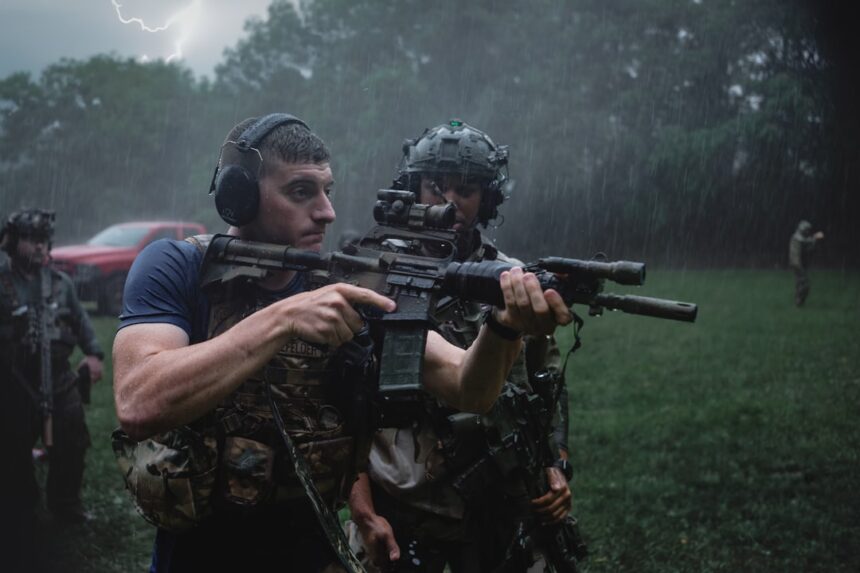
The journey to DEVGRU begins long before any applicant dons the unit’s insignia. Potential candidates are typically drawn from the ranks of experienced Navy SEALs who have already proven themselves in highly demanding operational environments. The selection process is not merely a test of physical strength; it is an arduous evaluation of mental fortitude, leadership potential, problem-solving skills, and the ability to thrive under extreme psychological pressure.
The Gauntlet of “Green Team”
The initial phase of selection is often referred to as “Green Team.” This is a highly classified and intensely challenging period where candidates are pushed to their absolute limits. They are subjected to simulated operational scenarios that test their decision-making under duress, their teamwork, and their ability to adapt to rapidly changing and unpredictable circumstances. Failures are common, and only those who demonstrate an exceptional combination of grit, intelligence, and adaptability survive.
Psychological and Cognitive Assessments
Beyond the physical and tactical, DEVGRU places significant emphasis on the psychological and cognitive profiles of its candidates. Extensive psychological evaluations are conducted to ensure that individuals possess the emotional stability, self-discipline, and mental resilience necessary to operate in high-stress, life-or-death situations. The ability to maintain composure, make sound judgments, and execute missions flawlessly when faced with extreme danger is paramount.
Continuous Development and Specialization
Once selected and having successfully navigated the initial training phases, DEVGRU operators enter a realm of continuous development and specialization. The unit’s operational requirements are constantly evolving, and its operators must remain at the cutting edge of their craft.
Advanced Tactical Skills and Weaponry
DEVGRU operators undergo continuous training in a wide array of advanced tactical skills. This includes mastering various firearms and their specialized applications, advanced demolitions, close-quarters combat techniques, maritime interdiction strategies, aerial insertion and extraction methods, and survival skills in diverse environments. The unit is also at the forefront of integrating and mastering new weaponry and technologies as they become available.
Specialization in Diverse Operational Fields
Within DEVGRU, operators often develop deep expertise in specialized fields. This can include roles such as sniper, breacher, medic, communications specialist, intelligence analyst, or pilot. This specialization ensures that the unit possesses the full spectrum of skills required to tackle any mission, while also fostering a culture of cross-training and mutual support. The goal is to create a force where every operator is a master of their craft and a valuable contributor to the team.
The Future of DEVGRU: Adapting to Evolving Threats
As the global security landscape continues to shift, DEVGRU remains at the forefront of anticipating and adapting to emerging threats. Its history is a testament to its capacity for innovation and its unwavering commitment to safeguarding national interests through elite maritime special operations.
Technological Advancement and Innovation
The future of DEVGRU will undoubtedly be shaped by continued technological advancement. The unit has historically been an early adopter and innovator of new technologies, and this trend is expected to continue. This includes advancements in unmanned aerial vehicles (UAVs) and underwater vehicles, artificial intelligence for intelligence analysis, advanced communication systems, and next-generation personal protective equipment. The integration of these technologies will enhance operational capabilities and provide operators with a decisive edge.
Emerging Threats and Asymmetric Warfare
The nature of warfare is constantly evolving. DEVGRU must remain agile and adaptable to confront emerging threats such as cyber warfare, disinformation campaigns, and the proliferation of advanced weaponry by state and non-state actors. The unit’s ability to operate in hybrid warfare environments, where conventional and unconventional tactics are blended, will be increasingly crucial.
Maintaining the Human Element
Despite the increasing reliance on technology, the core of DEVGRU’s success will always remain its highly trained and dedicated human operators. The rigorous selection and training processes will continue to be paramount, ensuring that the unit attracts and retains individuals with the courage, intelligence, and commitment to serve. The emphasis on leadership, teamwork, and the unwavering warrior ethos will continue to be the bedrock of DEVGRU’s enduring effectiveness. The future of DEVGRU is not just about new tools, but about the continued cultivation of the unparalleled human spirit that defines this elite fighting force.
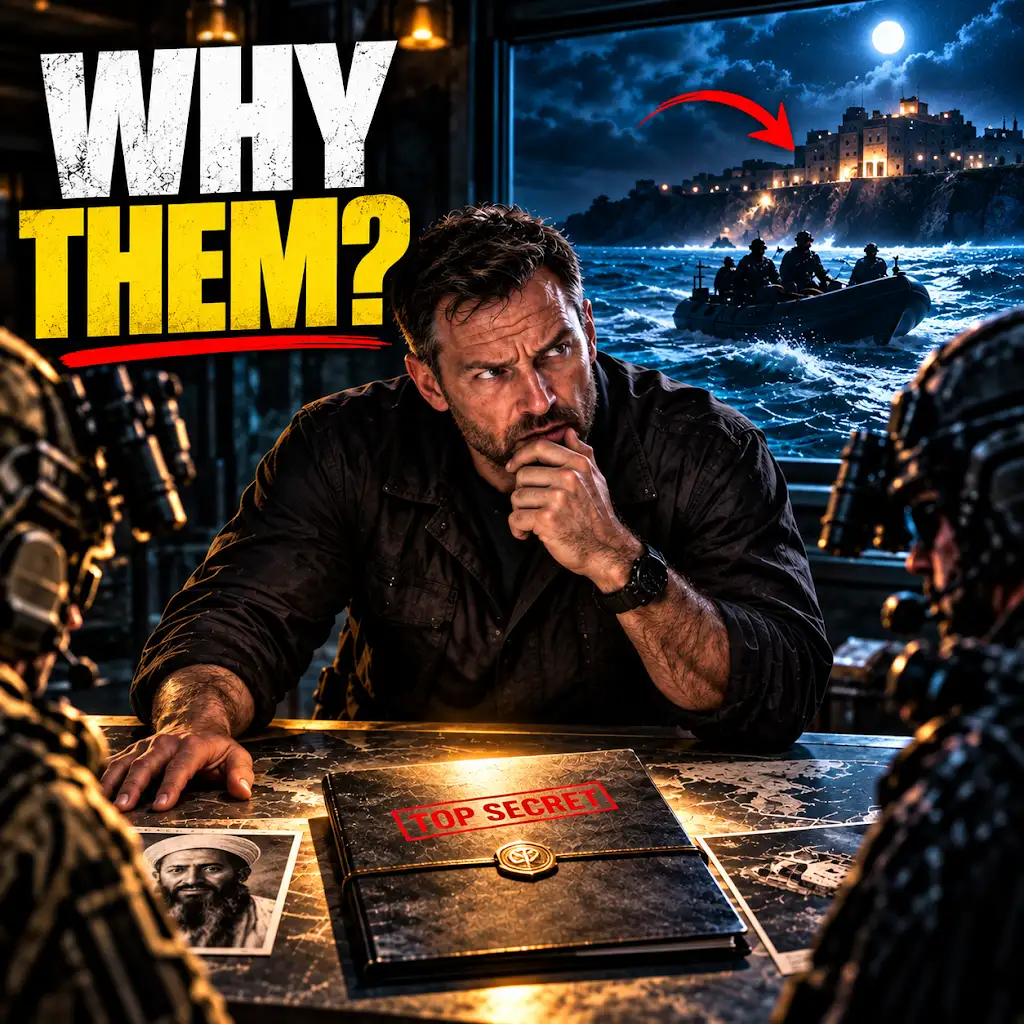
Why SEAL Team Six Got the Bin Laden Raid — Not Delta Force
FAQs
What is DEVGRU?
DEVGRU, also known as Naval Special Warfare Development Group, is a United States Navy component of Joint Special Operations Command (JSOC) specializing in counter-terrorism operations.
When was DEVGRU established?
DEVGRU was established in 1980 following the failed Operation Eagle Claw, a mission to rescue American hostages held in Iran.
What is the primary mission of DEVGRU?
The primary mission of DEVGRU is to conduct counter-terrorism operations, often alongside other special operations forces, to eliminate high-value targets and gather intelligence.
How is DEVGRU different from Navy SEALs?
DEVGRU is a specialized unit within the Navy SEALs community, focusing on counter-terrorism operations and high-risk missions. Members of DEVGRU are highly trained SEALs selected for their exceptional skills and experience.
Can anyone join DEVGRU?
No, DEVGRU is a highly selective unit and members are handpicked from the Navy SEALs based on their performance, skills, and experience. Candidates must undergo a rigorous selection process to be considered for DEVGRU.