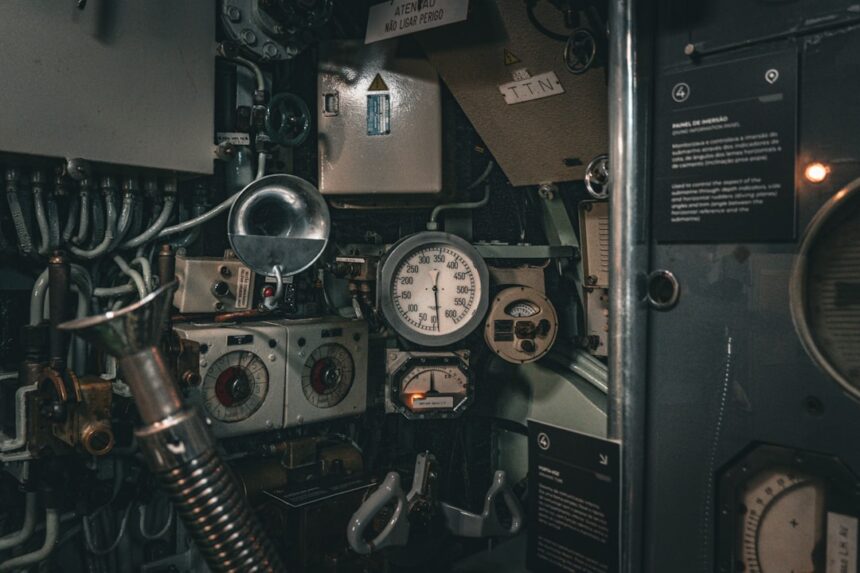
The frigid waters of the Arctic have long been a strategic theater for global powers, and at its heart, the Russian Northern Fleet stands as a formidable force. Among its most potent assets are the Delta IV-class submarines, a class of ballistic missile submarines that have been instrumental in maintaining Russia’s nuclear deterrence and projecting its power. These colossal underwater leviathans, officially designated as Project 667BDRM “Delfin” (Dolphin) by the Russian Navy, represent a significant evolution in submarine technology and continue to be a cornerstone of the Northern Fleet’s capabilities.
The Delta IV submarines were not born in a vacuum. They are the culmination of decades of Soviet submarine development, building upon the successes and lessons learned from their predecessors. The imperative for a robust and survivable nuclear deterrent drove the design and construction of these vessels.
Precursors to the Delta IV: The Delta Family
Before the advent of the Delta IV, the Soviet Union had already deployed several generations of ballistic missile submarines, collectively known as the Delta class. The Delta I, II, and III, while significant in their time, had limitations in terms of missile capacity, operational range, and silencing technology. The Delta IV was conceived as a direct response to these limitations, aiming to provide a more advanced and capable platform for strategic deterrence.
The development of the Delta IV class began in the late 1970s, with the first submarine, K-407 Novomoskovsk, being laid down in 1979 and commissioned in 1984. This marked a new era in Soviet submarine design, incorporating advancements that would define its operational effectiveness for decades to come.
Design Philosophy: Survivability and Reach
The fundamental design philosophy behind the Delta IV was to create a submarine that could operate undetected for extended periods, survivable against anti-submarine warfare (ASW) efforts, and capable of launching its nuclear arsenal from secure bastions. This meant a focus on stealth, enhanced hull strength, and a sophisticated command and control system. The underwater launch capability was paramount, allowing for a retaliatory strike even under intense pressure.
The Delta IV submarines, a critical component of the Russian Northern Fleet, have been the subject of extensive analysis regarding their strategic capabilities and modernization efforts. For a deeper understanding of their role within the broader context of naval warfare, you can read a related article that explores the implications of these submarines on global security dynamics. Check it out here: Delta IV Submarines and Their Impact on Naval Strategy.
The Delta IV Submarine: A Technological Marvel
The Project 667BDRM “Delfin” submarines are imposing vessels, characterized by their immense size and distinctive sail design. Their capabilities are a testament to the engineering prowess of the Soviet Union, and later Russia, in the field of naval nuclear deterrence.
Hull and Dimensions: A Substantial Presence
The Delta IV submarines are colossal, measuring approximately 167 meters (550 feet) in length with a beam of 11.7 meters (38 feet). Their displacement is around 18,200 tons when surfaced and up to 24,000 tons when submerged, making them among the largest submarines ever built. This substantial size allows for the accommodation of a large crew, extensive fuel reserves, and a significant missile payload.
The hull is a double-hulled design, providing additional protection and buoyancy. The outer hull is streamlined for efficient hydrodynamics, while the inner pressure hull is engineered to withstand the immense pressures of deep-sea operations. This robust construction is crucial for survivability in a contested environment.
Propulsion and Power: Sustained Silent Running
At the heart of the Delta IV’s operational capability lies its advanced propulsion system. These submarines are powered by two VM-5 nuclear reactors, providing ample power for sustained high-speed transit and extended periods of silent running. The reactors drive two shafts, delivering the immense power required for these large vessels.
Stealth Technology: The Art of Invisibility
Stealth is paramount for any ballistic missile submarine, and the Delta IV class incorporates several features designed to minimize its acoustic signature. These include:
Acoustic Absorption Materials
The submarines are lined with anechoic tiles, a specialized material designed to absorb sonar waves rather than reflecting them. This significantly reduces the submarine’s detectability by active sonar systems.
Advanced Machinery Isolation
The layout and design of the machinery, including the reactors and turbines, are carefully engineered to minimize vibration and noise transmission to the hull. This is achieved through sophisticated mounting systems and the use of vibration-dampening materials.
Hydrodynamic Design
The streamlined hull shape and the design of the propeller are optimized to reduce hydrodynamic noise generated by the movement of water around the submarine.
Armament: The Core of Deterrence
The defining feature of the Delta IV submarines is their formidable ballistic missile armament. Each submarine is equipped with 16 launch tubes, capable of carrying and deploying intercontinental ballistic missiles (ICBMs).
R-29RM “Sineva” (SS-N-23) Missiles
The primary armament of the Delta IV submarines is the R-29RM “Sineva” (SS-N-23) missile. This is a three-stage, liquid-fueled ballistic missile capable of carrying multiple warheads (MIRVs). The “Sineva” boasts a range of approximately 8,300 kilometers (5,150 miles), allowing the Delta IV submarines to threaten targets across vast distances.
The MIRV capability means that a single missile can be directed to strike multiple independent targets, significantly increasing the strategic impact of each launch. The development and deployment of the “Sineva” solidified the Delta IV’s role as a key component of Russia’s nuclear triad.
Potential for Modernization
While the “Sineva” remains the primary missile, there have been ongoing efforts to upgrade the Delta IV submarines with newer, more advanced ballistic missiles, such as the R-30 “Bulava” (SS-NX-30), though the “Bulava” has primarily been associated with the newer Borei-class submarines. Nevertheless, the launch tubes are designed to accommodate a range of potential future missile systems, ensuring the class’s continued relevance.
Other Armaments
In addition to their ballistic missile payload, Delta IV submarines are also equipped with other defensive armaments. These typically include:
Torpedoes
The submarines are armed with torpedoes for self-defense against enemy submarines and surface vessels. These can include anti-submarine and anti-ship torpedoes.
Anti-Aircraft Missiles
Some variations of the Delta IV class may also be equipped with short-range anti-aircraft missiles for defense against airborne threats.
Operational Deployment and Strategic Role

The Delta IV submarines are primarily based with the Russian Northern Fleet at the notorious naval base of Zapadnaya Litsa (also known as “Olenya Guba”), located on the Kola Peninsula. This strategic location provides them with direct access to the Arctic Ocean and the Atlantic, facilitating their deployment in key strategic areas.
Arctic Bastions: Secure Launch Platforms
The Arctic Ocean and the Barents Sea have become the operational theaters of choice for the Delta IV class. These frigid, ice-covered waters offer a natural advantage for submarines, as ice cover can mask their presence and hinder enemy ASW operations. The Russian Navy maintains a policy of deploying its ballistic missile submarines in these “Arctic bastions” to ensure their survivability and to provide a secure platform for a retaliatory nuclear strike.
Extended Patrols: The Silent Sentinels
Delta IV submarines conduct long and arduous patrols, often lasting for months at a time. During these patrols, they operate at considerable depths, maintaining a state of constant vigilance. Their mission is to remain undetected while ready to execute their strategic mission. These silent patrols are crucial for maintaining the credibility of Russia’s nuclear deterrent.
Deterrence and Power Projection
The primary strategic role of the Delta IV class is nuclear deterrence. By possessing a credible and survivable nuclear missile capability, Russia aims to dissuade any potential aggressor from launching a first strike. Furthermore, the presence of these submarines in critical areas also serves as a powerful symbol of Russia’s military might and its willingness to defend its interests. Their deployment can also be interpreted as a form of power projection, demonstrating Russia’s reach and capabilities on the global stage.
The Northern Fleet: A Strategic Hub
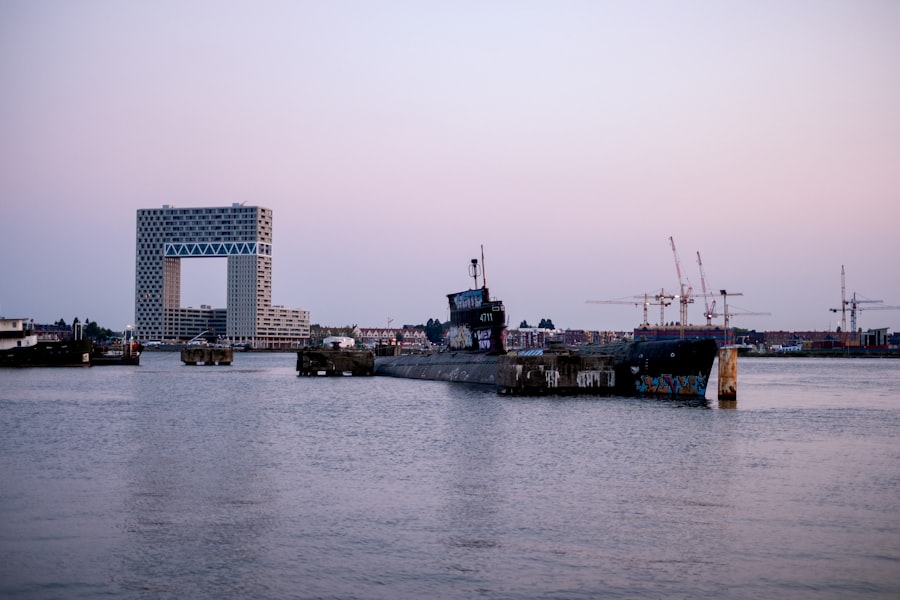
The Northern Fleet is the largest and most strategically important of Russia’s four naval fleets. It is responsible for projecting Russian naval power into the Atlantic and Arctic Oceans, and it plays a crucial role in the nation’s nuclear deterrence strategy.
Historical Significance of the Northern Fleet
Established in 1933, the Northern Fleet has a long and storied history. It has been at the forefront of Soviet and Russian naval development, consistently receiving the most advanced vessels and technologies. The challenging Arctic environment has shaped its operational doctrines and its technological focus.
The Delta IV’s Place in the Northern Fleet’s Order of Battle
The Delta IV submarines are arguably the most significant component of the Northern Fleet’s strategic submarine force. While the newer Borei-class submarines are gradually replacing them, the Delta IV class continues to constitute a substantial portion of Russia’s sea-based nuclear deterrent. Their operational readiness and proven track record make them an indispensable asset.
Modernization and Future Prospects
Despite their age, efforts have been made to modernize the Delta IV submarines. This includes upgrades to their command and control systems, sonar capabilities, and potentially the integration of newer missile systems. The Russian Navy has expressed its intention to keep the Delta IV class operational for the foreseeable future, even as the Borei-class submarines take on an increasingly prominent role.
The continued operation of the Delta IV class underscores Russia’s commitment to maintaining a robust nuclear triad, with sea-based deterrence remaining a critical pillar of its national security strategy. The expertise gained from operating and maintaining these complex vessels also contributes to the ongoing development of future generations of submarines.
The Delta IV submarines of the Northern Fleet represent a significant advancement in naval technology and strategic deterrence for Russia. These submarines are equipped with advanced missile systems and stealth capabilities, making them a formidable presence in the Arctic waters. For those interested in exploring more about the operational capabilities and strategic implications of these submarines, a related article can be found at In the War Room, which delves into the broader context of modern submarine warfare and its impact on global security dynamics.
Challenges and Evolution: The Delta IV in the 21st Century
| Metrics | Value |
|---|---|
| Number of submarines | 6 |
| Length of submarines | 170 meters |
| Maximum speed | 24 knots |
| Missile capacity | 16 ballistic missiles |
The Delta IV submarines, like all aging military hardware, face inherent challenges. However, the Russian Navy has demonstrated a commitment to keeping these formidable vessels operational through modernization and strategic deployment.
Aging Platforms and Maintenance
As these submarines age, the demands on maintenance and repair increase. Ensuring the continued operational readiness of reactors, missile systems, and other complex machinery requires significant resources and specialized expertise. The isolation of their operational areas further complicates these logistical challenges.
The Rise of the Borei-Class: A New Generation
The most significant evolution in Russia’s strategic submarine force is the introduction of the Borei-class submarines. These newer vessels are larger, quieter, and equipped with the advanced “Bulava” missile. The Borei-class is designed to be the future backbone of Russia’s sea-based nuclear deterrent, and they are gradually replacing the older Delta-class submarines.
Continued Relevance of the Delta IV
Despite the arrival of the Borei-class, the Delta IV submarines are far from obsolete. Their sheer numbers, proven operational record, and the strategic importance of the Northern Fleet ensure their continued relevance. They provide a significant layer of deterrence and offer operational flexibility that complements the newer Borei-class boats. The Russian Navy’s strategy often involves maintaining a mixed fleet, leveraging the strengths of both older and newer platforms.
Evolving ASW Capabilities
The operational environment for submarines is constantly evolving, with advancements in anti-submarine warfare (ASW) technology by potential adversaries. The Delta IV class, with its stealth features and operational doctrines, must adapt to these evolving threats. This necessitates ongoing efforts in acoustic signature reduction and operational tactics.
The Delta IV submarines represent a significant chapter in the history of naval nuclear deterrence. While a new generation of submarines is emerging, the “Dolphin” class continues to be a vital component of the Russian Northern Fleet, a testament to its enduring strategic importance and the enduring power of its underwater force. Their silent patrols beneath the Arctic ice are a constant reminder of Russia’s strategic resolve and its capacity to project power.

Russia’s Nuclear Submarines Depend on This Arctic Lifeline
FAQs
What is a Delta IV submarine?
A Delta IV submarine is a class of nuclear-powered ballistic missile submarines (SSBNs) that are operated by the Russian Navy. They are designed to carry and launch intercontinental ballistic missiles (ICBMs) from underwater.
How many Delta IV submarines are in the Northern Fleet?
As of 2021, the Russian Northern Fleet is reported to have a total of six Delta IV submarines in active service.
What is the role of Delta IV submarines in the Northern Fleet?
The primary role of Delta IV submarines in the Northern Fleet is to serve as a strategic deterrent by carrying and maintaining a portion of Russia’s nuclear triad. They are capable of launching long-range ballistic missiles from a submerged position, providing a crucial component of Russia’s nuclear defense strategy.
What are the key features of Delta IV submarines?
Delta IV submarines are equipped with advanced technology and capabilities, including the ability to carry up to 16 intercontinental ballistic missiles, advanced sonar systems for detecting and tracking enemy vessels, and a high level of stealth to operate undetected.
How do Delta IV submarines contribute to Russia’s national security?
Delta IV submarines play a critical role in Russia’s national security by providing a reliable and survivable nuclear deterrent capability. Their ability to operate stealthily and launch ballistic missiles from underwater positions enhances Russia’s strategic defense posture and ensures the country’s ability to retaliate in the event of a nuclear attack.