Delta Force Operations in Afghanistan: Elite Forces at Work
The rugged, mountainous terrain of Afghanistan has long been a crucible for military prowess, a land where shadows stretch long and the enemy is as elusive as the wind. Within this unforgiving landscape, a specialized unit has carved out a reputation for unparalleled effectiveness: Delta Force. Operating in the clandestine shadows, these elite operators, officially known as the 1st Special Forces Operational Detachment-Delta (SFOD-D) or CAG (Combat Applications Group), have been at the forefront of some of the most critical and dangerous missions undertaken by the United States in Afghanistan. Their involvement, often shrouded in secrecy, speaks volumes about the complexity and high stakes of the protracted conflict.
The story of Delta Force’s presence in Afghanistan is inextricably linked to the aftermath of the 9/11 attacks. The immediate response was a global hunt for those responsible, and Afghanistan, a haven for Al-Qaeda and the Taliban, became the primary theater. While conventional forces and other Special Operations units were deployed, the need for highly specialized counter-terrorism and direct action capabilities quickly became apparent. Delta Force, with its rigorous selection, intense training, and focus on precision strike missions, was precisely the tool required for the nascent war on terror.
Mandate and Mission Parameters
Delta Force’s mandate in Afghanistan was multifaceted, evolving as the conflict progressed. Initially, their primary objective was the capture or kill of high-value targets (HVTs) associated with Al-Qaeda and the nascent Taliban regime. This included leaders, bomb-makers, and key facilitators of terrorist operations. As the war transitioned from overt counter-terrorism to counter-insurgency, Delta’s role expanded. They were tasked with disrupting insurgent networks, conducting intelligence-gathering operations, and often acting as a force multiplier for other units by undertaking missions deemed too risky or requiring a level of stealth and precision beyond their capabilities. The emphasis was always on intelligence-driven operations, where meticulous planning and execution were paramount to success and minimizing collateral damage.
The Shadow of Secrecy
The very nature of Delta Force’s operations necessitates a profound level of secrecy. Their deployments are not publicly announced, their missions are rarely disclosed, and even their operational areas are often classified. This cloak of invisibility is not merely for operational security; it is essential to their effectiveness. The ability to move and strike without tipping off the enemy is a critical advantage. In Afghanistan, this meant operating deep behind enemy lines, often in remote and hostile territory, with minimal support and maximum self-reliance. The sacrifices made by these operators, the risks they undertook, and the successes they achieved often remained largely unknown to the public, a testament to their dedication to the mission above personal recognition.
Delta Force, officially known as the 1st Special Forces Operational Detachment-Delta, has played a crucial role in various operations in Afghanistan, showcasing their elite capabilities in counter-terrorism and direct action missions. For a deeper understanding of their strategic involvement and the challenges faced during these operations, you can read a related article on this topic at In The War Room. This resource provides valuable insights into the complexities of modern warfare and the specialized tactics employed by Delta Force in the region.
Direct Action and the Hunt for HVTs
One of the cornerstones of Delta Force’s contribution to the Afghan conflict has been their unparalleled capability in direct action missions, particularly the relentless pursuit of high-value targets. These operations, often characterized by their speed, precision, and decisive lethality, were designed to decapitate enemy leadership and disrupt their operational capacity.
Night Raids and the Element of Surprise
The vast majority of Delta Force’s direct action operations in Afghanistan were conducted under the cover of darkness. Night raids, a signature tactic, allowed them to leverage the element of surprise, minimizing the risk to themselves and, importantly, to the civilian population. These raids were meticulously planned, often involving extensive intelligence gathering, reconnaissance, and rehearsals. Operators would infiltrate target compounds, neutralize threats swiftly, and exfiltrate before the enemy could effectively react. The psychological impact of these raids on insurgent leadership was significant, fostering a sense of constant vulnerability and undermining their ability to organize and command.
Precision Strike Capabilities
Delta Force’s reliance on precision strike capabilities is a hallmark of their operational doctrine. This encompasses not only their marksmanship and tactical proficiency but also their access to and sophisticated use of advanced technology. From thermal imaging and night vision devices to advanced communication systems and intelligence fusion tools, Delta operators are equipped to operate with pinpoint accuracy in any environment. In Afghanistan, this translated to the ability to identify and neutralize specific individuals or small groups amidst complex and often populated areas, a skill that proved invaluable in differentiating combatants from non-combatants.
The Capture vs. Kill Dilemma
The objective in many HVT missions was the capture of the target for intelligence gathering. However, the reality of combat often presented difficult choices. Delta operators were trained to adapt to fluid situations, and the decision to capture or kill was determined by mission parameters, the threat posed by the target, and the prevailing circumstances on the ground. In instances where capture was not feasible due to imminent threat, lethal force was authorized. The ability to make these split-second decisions under immense pressure, adhering to rules of engagement while prioritizing mission success, is a testament to their training and discipline.
Intelligence Fusion and Operational Planning
The effectiveness of Delta Force is not solely reliant on their combat prowess; it is deeply rooted in their exceptional intelligence gathering and analytical capabilities. They operate with a sophisticated understanding of the information battlefield, integrating diverse intelligence streams to inform their every move.
SIGINT and HUMINT Integration
Delta Force leverages a sophisticated blend of Signals Intelligence (SIGINT) and Human Intelligence (HUMINT). SIGINT provides valuable insights into enemy communications, movements, and operational plans, while HUMINT, gathered through a network of sources, offers ground-level context and actionable information. The seamless integration of these two intelligence disciplines allows Delta to build a comprehensive picture of the operational environment, identify key targets, and anticipate enemy actions. In Afghanistan, this often meant building relationships with local informants, working with Afghan intelligence agencies, and utilizing advanced technological means to intercept enemy chatter.
Real-time Threat Assessment
The dynamic nature of the Afghan conflict demanded constant vigilance and the ability to assess threats in real-time. Delta Force operators are trained to continuously analyze incoming intelligence, adapt their plans accordingly, and make rapid decisions in response to evolving situations. This iterative process of intelligence gathering, analysis, and action is crucial for maintaining the initiative against a fluid and adaptive enemy. Whether it was adapting to an unexpected patrol route change or responding to a sudden shift in insurgent activity, Delta’s ability to process information and react decisively was a critical factor in their success.
Predictive Analysis and Proactive Operations
Beyond reacting to immediate threats, Delta Force also engages in predictive analysis. By studying patterns of enemy behavior, analyzing trends in insurgent activity, and leveraging their deep understanding of the local dynamics, they can anticipate future threats and conduct proactive operations. This allows them to disrupt insurgent operations before they even materialize, significantly reducing the overall threat level. In Afghanistan, this might have involved identifying emerging safe havens, predicting the timing of planned attacks, or interdicting enemy supply routes based on intelligence projections.
Counter-Insurgency and Force Protection
While their direct action missions often grab headlines, Delta Force also played a vital role in broader counter-insurgency efforts and ensuring the safety of other forces. Their unique skillset allowed them to contribute in ways that went beyond traditional special operations.
Disrupting Insurgent Networks
Delta Force was instrumental in dismantling complex insurgent networks that operated across Afghanistan. This involved identifying key facilitators, financiers, and logistical nodes, and then conducting operations to disrupt their operations. By systematically dismantling these networks, Delta helped to degrade the enemy’s ability to plan, resource, and execute attacks, thereby contributing to overall stability. This often involved patient surveillance, in-depth intelligence gathering, and precisely timed strikes to capture or eliminate key figures within these organizations.
Training and Advising Afghan Counterparts
In later stages of the conflict, Delta Force, alongside other Special Operations units, was involved in training and advising Afghan National Security Forces (ANSF). While this role was more prominently filled by other units, Delta’s expertise in specialized counter-terrorism tactics and direct action missions could be leveraged to provide advanced training and mentorship to elite Afghan units. This helped to build the capacity of Afghan forces to conduct their own counter-insurgency operations, a crucial element of the long-term strategy.
Force Protection Operations
The safety of American and allied forces was a constant concern in Afghanistan. Delta Force, with its ability to operate with extreme stealth and precision, was often called upon to conduct force protection operations. This could involve neutralizing direct threats to bases, interdicting enemy ambushes, or conducting reconnaissance to identify potential threats before they materialized. Their presence, even if unknown to many, provided a critical layer of security for troops operating in high-threat environments.
Delta Force has played a crucial role in various operations throughout Afghanistan, showcasing their elite skills and strategic prowess. For those interested in a deeper exploration of these operations, you can read more about their missions and impact in the article found here. This resource provides valuable insights into the challenges faced by Delta Force and their contributions to the broader military efforts in the region.
The Enduring Legacy
| Operation Name | Date | Location | Objective | Duration | Outcome | Delta Force Involvement |
|---|---|---|---|---|---|---|
| Operation Anaconda | March 2–16, 2002 | Shahi-Kot Valley, Afghanistan | Destroy al-Qaeda and Taliban forces | 2 weeks | Partial success; heavy resistance encountered | Direct combat and reconnaissance missions |
| Operation Red Wings | June 2005 | Kunar Province, Afghanistan | Capture or kill high-value Taliban target | Several days | Mission compromised; heavy casualties | Reconnaissance and direct action |
| Operation Neptune Spear | May 2, 2011 | Abbottabad, Pakistan (Afghan theater related) | Eliminate Osama bin Laden | Less than 1 hour | Successful | Lead assault team |
| Operation Black Wings | 2005 | Eastern Afghanistan | Target Taliban leadership | Ongoing operations | Disrupted Taliban command | Direct action raids |
| Operation Enduring Freedom | 2001–2014 | Afghanistan | Remove Taliban and al-Qaeda | 13 years | Taliban removed from power; ongoing conflict | Multiple covert and overt missions |
The involvement of Delta Force in Afghanistan represents a significant chapter in the history of modern special operations. Their contributions, though often unseen, have been pivotal in shaping the course of the conflict and combating the global threat of terrorism.
The Human Cost of Elite Operations
It is imperative to acknowledge the immense personal sacrifice demanded of Delta Force operators. The missions they undertake are inherently dangerous, with a high probability of encountering lethal opposition. The psychological toll of constant deployment, high-stakes missions, and the inherent risks associated with their profession is significant. The families of these operators also bear a heavy burden, living with the constant worry for their loved ones’ safety. The successes achieved in Afghanistan are a direct result of the courage, dedication, and unwavering commitment of these individuals.
Lessons Learned and Future Implications
The operations conducted by Delta Force in Afghanistan have yielded invaluable lessons for future special operations. The emphasis on intelligence-driven operations, the integration of advanced technology, the importance of precision targeting, and the psychological impact of effective direct action are all critical takeaways. As the nature of warfare continues to evolve, the methodologies and adaptability demonstrated by Delta Force will undoubtedly inform the strategies and tactics employed by elite units in future conflicts and counter-terrorism operations worldwide. Their enduring legacy is one of unparalleled professionalism, unwavering resolve, and a profound impact on national security, often achieved from the very edge of the known.
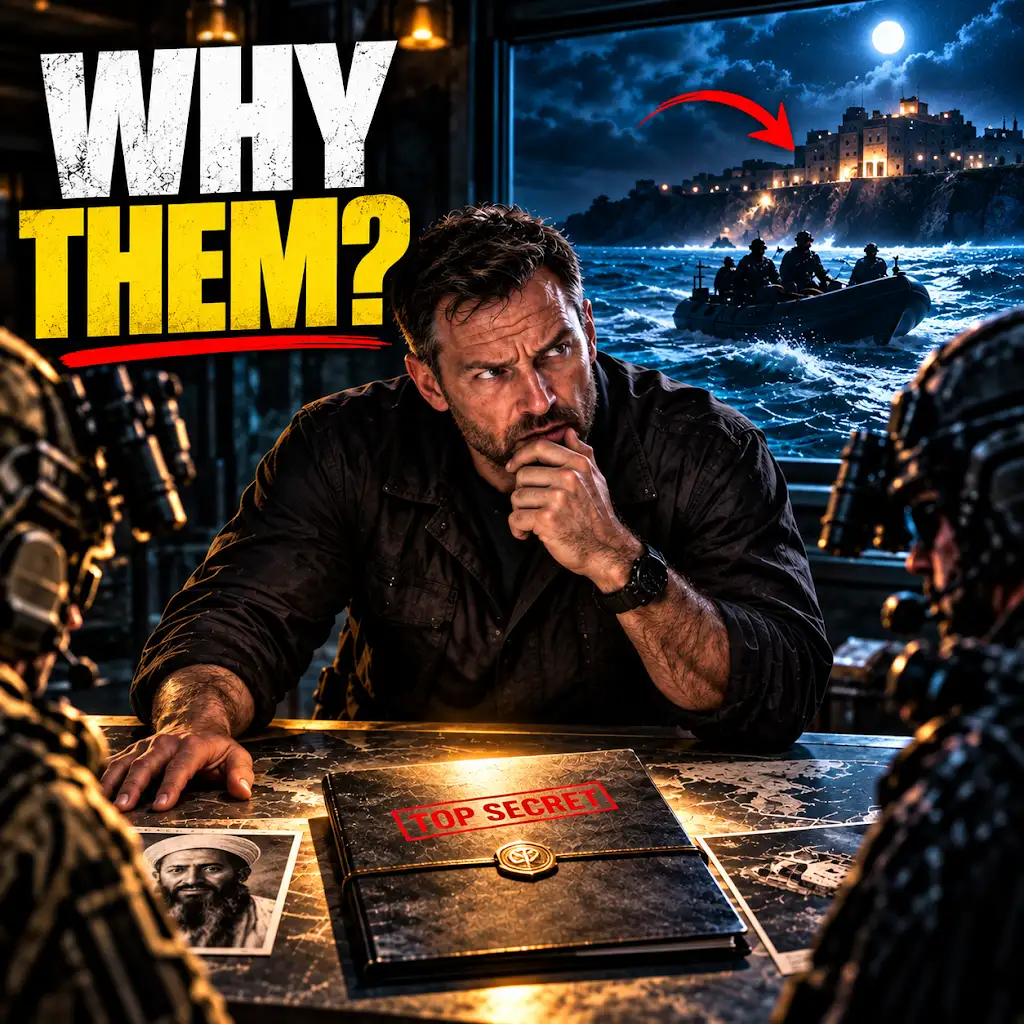
Why SEAL Team Six Got the Bin Laden Raid — Not Delta Force
FAQs
What is Delta Force?
Delta Force is a special operations unit of the United States Army, also known as the 1st Special Forces Operational Detachment-Delta (1st SFOD-D). It is a highly secretive and elite unit specializing in counterterrorism and direct action missions.
What is the role of Delta Force in Afghanistan?
Delta Force has been involved in various operations in Afghanistan, including counterterrorism missions, high-value target raids, and intelligence gathering. Their primary role is to conduct special operations to target and eliminate threats to U.S. national security interests in the region.
How is Delta Force different from other special operations units?
Delta Force is known for its high level of training, expertise, and operational capabilities. It is considered one of the most elite special operations units in the world, with a focus on counterterrorism and direct action missions. Delta Force operators undergo rigorous selection and training processes to ensure they are among the best in their field.
What are some notable Delta Force operations in Afghanistan?
Delta Force has been involved in numerous high-profile operations in Afghanistan, including the capture of high-value targets such as Taliban and Al-Qaeda leaders, as well as the rescue of hostages held by terrorist groups. Specific details of these operations are often classified due to the sensitive nature of their work.
How does Delta Force contribute to the overall mission in Afghanistan?
Delta Force plays a crucial role in the U.S. military’s efforts to combat terrorism and stabilize the region in Afghanistan. Their specialized skills and capabilities enable them to conduct high-risk missions with precision and effectiveness, making them a key asset in the fight against extremist groups in the country.