The Whispers Before the Storm: Setting the Stage for Operation Bodyguard
The fog of war is a potent weapon, but sometimes, the most effective deception relies not on obscurity, but on carefully curated clarity. The Allied landings on D-Day, June 6, 1944, represent one of history’s most audacious military operations. Yet, the success of this monumental undertaking hinged as much on what the Germans believed would happen as on the actual invasion itself. The Pas de Calais, a narrow strait separating Britain from France, became the epicentre of a sophisticated deception plan, codenamed Operation Bodyguard, designed to lure the German High Command into believing the main Allied thrust would land there. This intricate web of misinformation, misinformation, and counter-intelligence aimed to split the Wehrmacht’s formidable defenses, ensuring the success of the real landings in Normandy. The story of decoding the Pas de Calais D-Day deception is a testament to strategic brilliance, psychological warfare, and the relentless pursuit of advantage in the face of overwhelming odds.
The Strategic Imperative: Why Deceive?
The sheer scale of the Allied invasion force was unprecedented. To breach Hitler’s “Atlantic Wall,” a string of coastal fortifications stretching across Europe, the Allies needed to overwhelm specific points of defense. However, the German military machine was vast and deeply entrenched. A direct assault on the most obvious landing zones, like Pas de Calais, would have meant facing the bulk of the German reserves, potentially leading to a catastrophic failure. Therefore, the strategic imperative was clear: divide and conquer. The deception plan’s primary objective was to convince the Germans that the Pas de Calais was the intended target, thereby drawing their mobile reserves away from Normandy and pinning them in the wrong location. This would give the landings in Normandy a critical window of opportunity to establish a beachhead before the German counter-attack could materialize in full force.
The Vulnerability of the Strait
The Pas de Calais, at its narrowest point, is barely 20 miles from the English coast. This geographical proximity made it a logical and tempting target for an invasion. The proximity also meant shorter supply lines for the Allies and a more direct route to the vital industrial heartlands of Germany. From a German perspective, defending this narrowest crossing was paramount. Their intelligence suggested an invasion was imminent, and the available clues pointed overwhelmingly towards the Pas de Calais. The Allies, understanding this inherent German assumption, expertly exploited it. They knew that if they could convince Hitler and his generals that this was indeed the invasion point, they could reap immense tactical and strategic benefits elsewhere.
The Pas de Calais D-Day deception was a crucial aspect of the Allied strategy during World War II, aimed at misleading the German forces about the location of the impending invasion. For those interested in exploring this topic further, a related article can be found on In The War Room, which delves into the intricacies of the deception tactics employed by the Allies. You can read more about it by visiting this link: In The War Room.
Crafting the Phantom Army: The Deception Tools
Operation Bodyguard was not a single, monolithic deception but a tapestry woven from numerous threads. For the Pas de Calais deception, codenamed Operation Fortitude North (for Scotland) and Fortitude South (for the Pas de Calais), the Allies employed a multi-faceted approach, leveraging every available tool of psychological and military manipulation. The goal was to create a credible threat that would occupy the German military’s attention and resources, diverting them from the true objective.
The Art of Misdirection: Dummy Armies and Inflated Numbers
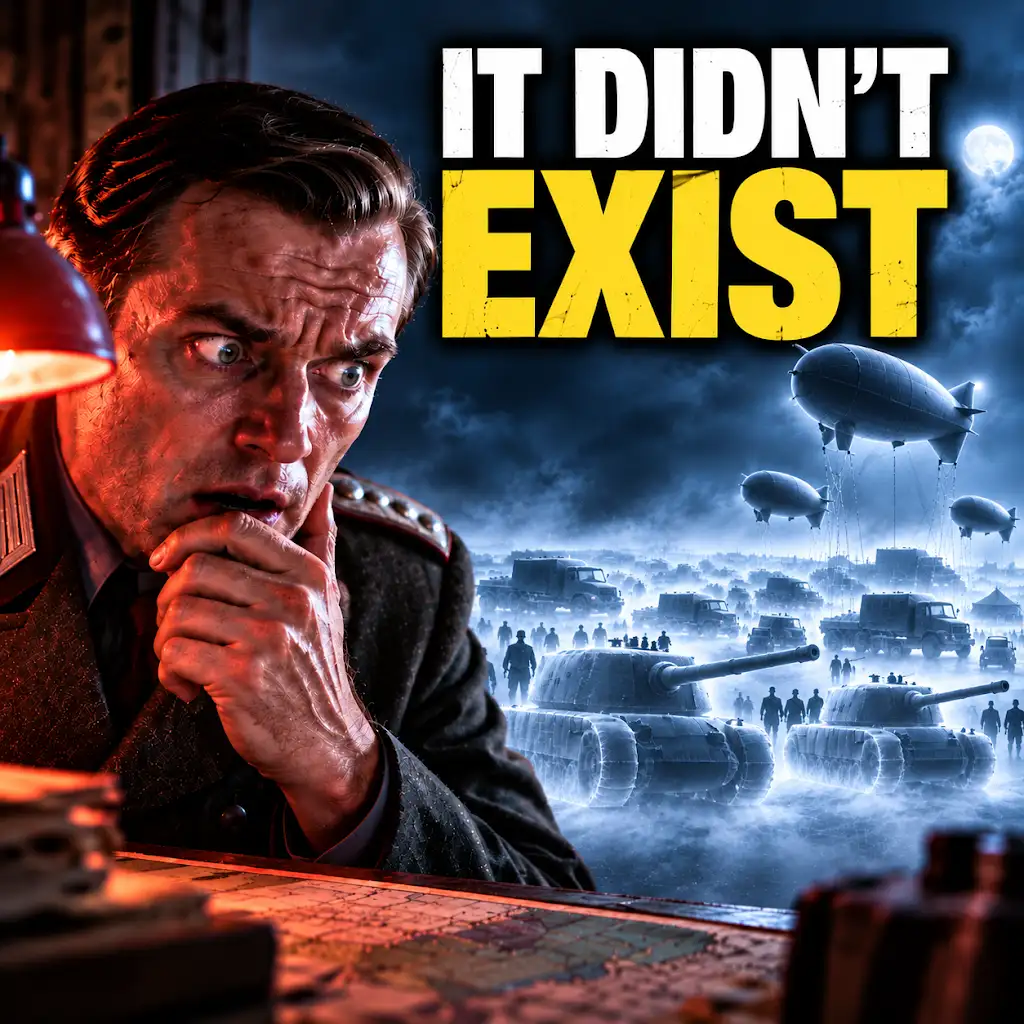
Central to the Pas de Calais deception was the creation of a fictional Allied army group, the First United States Army Group (FUSAG), commanded by the highly respected General George S. Patton. FUSAG was depicted as a massive force poised to invade Northern France, specifically targeting the Pas de Calais. This was achieved through a variety of ingenious methods. “Ghost” armies were constructed with inflatable tanks, canvas aircraft, and wooden artillery. These were strategically placed in camps and staging areas visible to German aerial reconnaissance. Radio traffic was meticulously crafted to simulate the communications of a large, active army, complete with operational plans and troop movements. This electronic warfare component was crucial in convincing German intelligence that FUSAG was a real and formidable entity.
Visual Spectacle: The Power of Presence (and Absence)
The Allies went to extraordinary lengths to make FUSAG appear tangible. They manufactured thousands of dummy landing craft that were visible to German reconnaissance planes flying over the southeastern coast of England. These were positioned to suggest a massing of invasion craft aimed directly at the Pas de Calais. Conversely, the real invasion force preparing for Normandy was deliberately kept out of sight, hidden in camouflaged harbors and estuaries. The absence of evidence where evidence should have been for the Pas de Calais invasion became, in itself, a piece of evidence for the deception. The visible presence of the “phantom army” at Dover and other Pas de Calais-adjacent locations created a compelling visual narrative for the Germans.
The Role of Double Agents and Forged Documents
The effectiveness of any deception hinges on its credibility. For Fortitude South, the Allies relied heavily on a network of double agents, known as “moles,” who fed carefully selected misinformation to the German Abwehr (military intelligence). These agents, often compromised or turned by the British intelligence services, would report on FUSAG’s supposed preparations, troop strengths, and planned embarkation points. Forged documents, detailing troop dispositions and operational plans for the Pas de Calais invasion, were also “leaked” to the Germans through these channels. The veracity of these documents, often painstakingly crafted to appear authentic, lent immense weight to the deception. The Germans, desperate for accurate intelligence, readily accepted this manufactured information, further solidifying their belief in an imminent Pas de Calais landing.
German Vulnerabilities: Exploiting the Führer’s Mind
The success of Operation Bodyguard was not solely a product of Allied ingenuity; it was also a consequence of exploiting inherent weaknesses and predispositions within the German military command structure. Adolf Hitler’s own strategic thinking, coupled with the fragmented nature of German intelligence, created fertile ground for the Allied deception.
Hitler’s Obsession with the Pas de Calais
Throughout the war, Hitler had a well-documented obsession with the Pas de Calais as the most logical invasion point. His own military experience and understanding of the terrain reinforced this conviction. He believed that the Allies, being rational actors, would choose the shortest and most direct route to continental Europe. This pre-existing bias made him highly receptive to any intelligence that supported this belief. The Allies understood this fixation and deliberately played into it, ensuring that the vast majority of their deceptive efforts were concentrated on making the Pas de Calais appear as the undeniable target.
The “Fortress Europe” Mentality and the Atlantic Wall
The German military doctrine emphasized defensive strength and the impenetrable nature of the Atlantic Wall. This “Fortress Europe” mentality fostered a belief that if the Allies were to invade, they would have to breach the strongest points of this wall. The Pas de Calais, with its dense fortifications, represented precisely such a point. The Germans poured immense resources into defending this sector, further convincing the Allies that this diversion would be highly effective. Their commitment to defending the “obvious” invasion route became their undoing.
The D-Day deception strategies employed in Pas de Calais played a crucial role in the success of the Allied invasion of Normandy. These tactics, which included the creation of fake armies and misleading intelligence, were designed to confuse German forces about the actual landing site. For a deeper understanding of the broader implications of these deceptions, you can explore a related article that delves into the intricacies of military strategy during World War II. This insightful piece can be found here.
Fragmented German Intelligence and the Disconnect Between Commands
The German intelligence apparatus was notoriously fragmented and often suffered from a lack of effective coordination. Different branches of the military and intelligence services sometimes worked at cross-purposes, with competing agendas and differing assessments of the situation. This internal disunity meant that misinformation, once introduced, could propagate and be amplified without proper vetting or cross-referencing. The Allies skillfully exploited this, ensuring that the “evidence” for a Pas de Calais invasion reached multiple branches of German intelligence, reinforcing the false narrative across the command structure. Crucially, there was often a significant disconnect between the intelligence reports reaching Hitler and the operational realities on the ground, allowing the deception to flourish unchecked.
The Unveiling of Truth: Normandy and the Aftermath
The meticulously crafted deception paid off handsomely on June 6, 1944. While the world held its breath for news of the Pas de Calais landings, the real invasion was unfolding on the beaches of Normandy. The Allied forces, under the codename Operation Overlord, faced a German army that was significantly depleted in the crucial sector they had been led to expect an attack.
The Normandy Landings: A Window of Opportunity
As the Allied troops stormed the beaches of Utah, Omaha, Gold, Juno, and Sword, the German High Command was still largely fixated on the Pas de Calais. The reserves that would have been instrumental in repelling the initial landings were held back, awaiting confirmation of an attack in the north. This delay, measured in critical hours and even days, allowed the Allied forces to establish a vital foothold, bring in reinforcements, and begin the arduous process of expanding their beachhead. The Allied deception had bought them the time they desperately needed to overcome the initial German defenses.
The German Realization and the Race Against Time
It was only when the scale and reality of the Normandy landings became undeniable that the German High Command began to shift its focus. However, by then, it was too late. The Allies had established a secure base of operations, and the critical window of opportunity had begun to close. The German reserves, now scrambling to redeploy, faced the daunting task of launching a counter-attack against a well-entrenched and rapidly reinforcing Allied force. The deception had not only diverted troops but had also created a significant delay in the German response, a delay that proved to be a pivotal factor in the eventual Allied victory in Normandy.
The Legacy of Fortitude South: A Masterclass in Deception
The success of Operation Bodyguard, and particularly Fortitude South’s focus on the Pas de Calais, is etched in the annals of military history as a triumph of strategic deception. It demonstrated the profound impact that psychological warfare and misinformation could have on the battlefield. The Allied deception planners had not only fooled the enemy but had done so by manipulating their very expectations and biases. The Pas de Calais deception was a masterclass in understanding the adversary, crafting a believable narrative, and meticulously executing a complex plan. It serves as a perpetual reminder that in warfare, as in chess, anticipating the opponent’s moves and controlling their perceptions can be as crucial as the direct application of force. The whispers before the storm, the carefully constructed illusions of Fortitude South, ultimately paved the way for the thunderous success of D-Day.
How the Allies Built an Army for Germany to Discover
FAQs

What was the Pas de Calais D-Day deception?
The Pas de Calais D-Day deception was a strategic military operation carried out by the Allies during World War II to mislead the Germans about the location of the D-Day invasion.
When did the Pas de Calais D-Day deception take place?
The Pas de Calais D-Day deception took place in the months leading up to the D-Day invasion on June 6, 1944.
How was the Pas de Calais D-Day deception executed?
The Pas de Calais D-Day deception involved creating a fictional army, complete with fake equipment, radio traffic, and even a fake commander, to make the Germans believe that the invasion would take place at Pas de Calais instead of Normandy.
What was the significance of the Pas de Calais D-Day deception?
The Pas de Calais D-Day deception played a crucial role in the success of the D-Day invasion by diverting German forces and resources away from the actual landing sites in Normandy.
Did the Pas de Calais D-Day deception contribute to the Allied victory in World War II?
Yes, the Pas de Calais D-Day deception was instrumental in the Allied victory in World War II by helping to ensure the success of the D-Day invasion and the eventual liberation of Western Europe from Nazi occupation.