Damascus Titan II: Emergency Response Excellence
The annals of emergency response are replete with stories of dedication, innovation, and unwavering commitment. Within this narrative, the Damascus Titan II program stands as a beacon, a testament to how strategic investment and a focus on operational excellence can fundamentally transform a region’s capacity to face crises. More than just a piece of equipment, the Damascus Titan II represents a paradigm shift, equipping emergency services with unparalleled capabilities to protect lives and property. This article delves into the multifaceted success of the Damascus Titan II, exploring its impact, the rigorous training that underpins its deployment, and the vision that continues to drive its evolution.
The decision to implement the Damascus Titan II program was not born out of a vacuum. It was the culmination of years of careful analysis, foresight, and a profound understanding of the evolving threat landscape. Emergency services across the region, while staffed by highly skilled and dedicated professionals, had, for a long time, operated with resources that were increasingly outmatched by the scale and complexity of modern emergencies. The program’s genesis lies in a critical need for enhanced operational efficiency, faster response times, and the ability to manage a wider spectrum of incidents with greater confidence.
Identifying Critical Gaps in Existing Infrastructure
Before the advent of the Damascus Titan II, a comprehensive assessment of existing emergency response infrastructure revealed significant limitations. These included outdated communication systems prone to failure during high-demand periods, insufficient specialized equipment for complex rescue operations, and a lack of coordinated interoperability between different agencies. This created vulnerabilities, particularly in scenarios involving large-scale natural disasters, industrial accidents, or coordinated multi-site events. The gap analysis highlighted the urgent requirement for a transformative solution that could address these systemic weaknesses.
The Pre-Titan II Landscape: A Story of Dedication Amidst Limitations
Emergency responders operated with remarkable courage and resourcefulness in the pre-Titan II era. However, their efforts were often hampered by logistical challenges and technological constraints. Communications could be fragmented, leading to delays in information dissemination and coordination. Rescue operations requiring specialized machinery were sometimes prolonged due to the unavailability of suitable equipment, impacting outcomes. The dedication of these individuals was undeniable, but the tools at their disposal were not always commensurate with the demands placed upon them.
The Growing Complexity of Modern Threats
The nature of emergencies has evolved significantly. Climate change has led to an increase in the frequency and intensity of extreme weather events, from devastating floods to prolonged droughts and wildfires. Industrial advancements, while beneficial, have also introduced new risks associated with hazardous materials and complex infrastructure. Furthermore, the potential for deliberate acts of disruption, requiring rapid and decisive intervention, necessitates a sophisticated and agile emergency response framework. The Damascus Titan II was conceived to directly address this escalating complexity.
A Vision for Proactive and Adaptive Preparedness
The introduction of the Damascus Titan II was driven by a forward-thinking vision: to move beyond reactive crisis management towards a proactive and adaptive preparedness model. The program aimed to equip emergency services not just to respond to current threats, but to anticipate and mitigate future ones. This involved not only the deployment of advanced technology but also the fostering of a culture of continuous improvement and adaptability. The goal was to create a resilient system that could learn, evolve, and effectively confront whatever challenges might arise.
From Reactive to Proactive: The Core Philosophy
The fundamental shift in philosophy brought about by the Damascus Titan II program was the move from merely reacting to emergencies to actively preparing for and preventing them where possible. This meant investing in early warning systems, enhanced training methodologies, and the integration of advanced analytical tools to predict potential crisis points. The program recognized that true excellence in emergency response lies not just in the speed of intervention, but in the depth of preparedness that minimizes the impact of any given event.
Fostering a Culture of Innovation and Continuous Improvement
The Damascus Titan II initiative was designed to be more than a one-time deployment of technology. It was envisioned as a catalyst for ongoing innovation within emergency services. The program encouraged the exploration of new techniques, the adoption of best practices from around the globe, and a commitment to continuous learning. This fostered a dynamic environment where responders were empowered to identify areas for improvement and contribute to the evolution of the program, ensuring its relevance and effectiveness for years to come.
In light of the recent developments surrounding the Damascus Titan II emergency response, it is essential to stay informed about the broader implications of such incidents. A related article that delves into the intricacies of emergency management and response strategies can be found at this link: Emergency Management Strategies. This resource provides valuable insights that can enhance our understanding of the challenges faced during emergency situations and the importance of preparedness.
The Damascus Titan II: Capabilities and Transformative Impact
The Damascus Titan II is not a single entity but rather a comprehensive suite of advanced resources designed to address the diverse needs of modern emergency response. Its capabilities are extensive, ranging from cutting-edge communication and data management to highly specialized rescue and containment equipment. The program’s impact has been profound, demonstrably improving response times, enhancing operational effectiveness, and ultimately saving lives.
Advanced Communication and Situational Awareness
At the heart of the Damascus Titan II’s success lies its revolutionary approach to communication and situational awareness. In the chaotic environment of an emergency, clear, reliable, and immediate information is paramount. The program has equipped responders with state-of-the-art communication systems that ensure seamless connectivity, even in challenging terrains or during widespread infrastructure disruptions. This fosters a level of situational awareness previously unattainable, allowing for better decision-making and resource allocation.
Interoperable Communication Networks
One of the most significant advancements brought by the Damascus Titan II is the establishment of truly interoperable communication networks. This means that all relevant agencies, from fire and police departments to medical services and public works, can communicate effectively with each other on a unified platform. This eliminates the communication silos that often plagued past responses, ensuring that information flows freely and efficiently, leading to a more coordinated and effective overall effort.
Real-time Data Integration and Analysis
The program incorporates sophisticated systems for real-time data integration and analysis. This allows incident commanders to access a consolidated view of the situation, incorporating information from various sources such as sensor networks, aerial surveillance, and on-the-ground reports. The ability to analyze this data in real-time enables proactive decision-making, identifying potential risks and allocating resources strategically to mitigate them.
Enhanced Command and Control Centers
The Damascus Titan II has led to the modernization and enhancement of command and control centers. These facilities are now equipped with advanced visualization tools, interactive mapping systems, and collaborative platforms that provide incident commanders with a comprehensive overview of the operational area. This centralized command structure, supported by robust data, significantly improves the ability to manage complex, multi-faceted emergencies.
Specialized Equipment for Diverse Scenarios
Beyond communication, the Damascus Titan II program has provided emergency services with an array of specialized equipment tailored to meet the demands of a wide range of scenarios. This investment has equipped responders with the tools necessary to tackle complex rescues, contain hazardous materials, and provide critical support in disaster situations.
Advanced Search and Rescue Technologies
For search and rescue operations, the Damascus Titan II has introduced cutting-edge technologies. This includes advanced drones equipped with thermal imaging for locating individuals in difficult terrain or low visibility conditions, sophisticated ground-penetrating radar for collapsed structures, and lightweight, yet powerful, extrication tools that can quickly free individuals trapped in vehicles or debris.
Hazardous Materials Containment and Mitigation Systems
In response to the growing threat of hazardous material incidents, the program has deployed specialized containment and mitigation systems. These include advanced protective suits, mobile laboratories for on-site analysis of unknown substances, and innovative deployment systems for chemical neutralizers and barriers. This ensures that responders can safely and effectively manage the risks associated with chemical, biological, radiological, and nuclear (CBRN) threats.
Mobile Medical Support and Disaster Relief Assets
The Damascus Titan II also encompasses critical mobile medical support and disaster relief assets. This includes fully equipped mobile medical units capable of providing advanced care in austere environments, rapid deployment shelters, and substantial caches of essential supplies. These assets are crucial for providing immediate medical assistance and humanitarian aid in the aftermath of large-scale disasters.
Rigorous Training and Skill Development: The Human Element
While the technology provided by the Damascus Titan II program is transformative, its true effectiveness hinges on the skilled and well-trained personnel who operate it. The program places a strong emphasis on rigorous training and continuous skill development, ensuring that every responder is proficient in utilizing the advanced capabilities at their disposal. This commitment to the human element is what elevates the program from a technological upgrade to a genuine enhancement of emergency response excellence.
Comprehensive Training Curricula
The Damascus Titan II program has necessitated the development of comprehensive and specialized training curricula. These programs are designed to equip responders with the theoretical knowledge and practical skills required to operate the new equipment and implement the advanced protocols introduced by the initiative. Training is not a one-time event but an ongoing process that evolves with the technology and the changing nature of emergencies.
Initial Operator Certification
Upon deployment of the Damascus Titan II, all relevant personnel undergo initial operator certification. This rigorous process ensures that each individual meets the required standards of proficiency before being authorized to operate specific equipment or participate in complex operational scenarios. The certification process includes both theoretical assessments and practical evaluations in simulated emergency environments.
Advanced Scenario-Based Training Exercises
A cornerstone of the Damascus Titan II training regimen is advanced scenario-based training exercises. These exercises are designed to replicate realistic emergency situations, allowing responders to practice their skills in a controlled yet challenging environment. By simulating complex events, such as multi-vehicle accidents involving hazardous materials or natural disasters with mass casualties, the training program helps to build confidence, hone decision-making abilities, and refine coordination among different teams.
Cross-Agency Collaboration and Joint Exercises
Given the interoperable nature of the Damascus Titan II, a significant emphasis is placed on cross-agency collaboration and joint exercises. These exercises bring together personnel from various emergency services to practice responding to incidents as a unified force. This fosters mutual understanding, builds trust, and ensures that different agencies can work seamlessly together when a real emergency strikes, maximizing collective effectiveness.
Continuous Professional Development and Specialization
The Damascus Titan II program recognizes that emergency response is a field of constant evolution. Therefore, continuous professional development and opportunities for specialization are integral to its long-term success. Responders are encouraged to pursue advanced training in specific areas, becoming subject matter experts and mentors within their respective fields.
Specialization in Advanced Equipment Operation
As the Damascus Titan II encompasses a wide array of sophisticated equipment, the program provides pathways for responders to specialize in the operation of specific systems. This might include becoming an expert drone pilot for aerial reconnaissance, a certified technician for operating advanced extrication tools, or a specialist in managing mobile command centers. This specialization ensures that the most complex tasks are handled by the most qualified individuals.
Incident Command System (ICS) Refresher Courses and Advanced Modules
The Incident Command System (ICS) is a critical framework for managing emergencies. The Damascus Titan II program ensures that all responders maintain a high level of proficiency in ICS through regular refresher courses and advanced modules. These courses focus on strategic planning, resource management, and effective communication within the ICS structure, particularly as it applies to the new capabilities introduced by the program.
Leadership Development for Crisis Management
Effective leadership is crucial in any emergency. The Damascus Titan II program includes leadership development components designed to cultivate skilled incident commanders and team leaders. These modules focus on decision-making under pressure, strategic thinking, conflict resolution, and the ability to inspire and motivate teams in high-stress situations. This ensures that the human capital managing the advanced technology is equally sophisticated.
Maintaining Operational Readiness: The Pillars of the Program
The effectiveness of the Damascus Titan II program is not solely dependent on its initial deployment and training. A robust framework for maintaining operational readiness is essential to ensure that the program remains effective and responsive throughout its lifecycle. This involves meticulous planning, strategic resource management, and a proactive approach to maintenance and upgrades.
Proactive Maintenance and Technological Upgrades
The sophisticated nature of the Damascus Titan II requires a proactive approach to maintenance and technological upgrades. Regular servicing, calibration, and inspections are crucial to prevent equipment failures and ensure optimal performance. Furthermore, the program is designed with an eye towards future advancements, with provisions for integrating new technologies and upgrading existing systems as they become available.
Scheduled Servicing and Calibration Protocols
Detailed scheduled servicing and calibration protocols are in place for all Damascus Titan II equipment. This ensures that every component is regularly checked, maintained, and calibrated to its manufacturer’s specifications. This preventative approach minimizes the risk of unexpected breakdowns during critical operations and extends the lifespan of the equipment.
Software Updates and Cybersecurity Measures
As many of the Damascus Titan II systems rely on advanced software, regular software updates are essential to patch vulnerabilities, improve functionality, and enhance performance. Simultaneously, robust cybersecurity measures are implemented to protect these sensitive systems from external threats, ensuring the integrity and confidentiality of critical data.
Future-Proofing Through Modular Design and Scalability
The Damascus Titan II has been designed with a focus on future-proofing. This is achieved through modular design principles and inherent scalability. This allows for the seamless integration of new technologies or the expansion of capabilities as future needs arise, without requiring a complete overhaul of the existing infrastructure.
Resource Management and Logistics
Efficient resource management and logistics are critical for the sustained operational readiness of the Damascus Titan II program. This involves ensuring that all necessary supplies, spare parts, and support personnel are readily available and strategically positioned to support ongoing operations and training exercises.
Inventory Management of Specialized Equipment and Consumables
A sophisticated inventory management system is in place to track the location and status of all specialized equipment and consumables associated with the Damascus Titan II. This ensures that critical items are always available when needed, whether for routine maintenance, emergency deployments, or training exercises.
Strategic Deployment and Redeployment Capabilities
The program includes robust strategies for the strategic deployment and redeployment of Damascus Titan II assets. This ensures that resources can be efficiently moved to where they are most needed, whether across different regions or to specific incident sites. This flexibility is key to maximizing the program’s impact and ensuring a timely response.
Support Infrastructure and Maintenance Hubs
Dedicated support infrastructure and strategically located maintenance hubs are established to facilitate the ongoing upkeep and repair of Damascus Titan II assets. These facilities are staffed by trained technicians and equipped with the necessary tools and parts to ensure that equipment is quickly returned to operational status.
Performance Monitoring and Evaluation
A continuous cycle of performance monitoring and evaluation is integral to the Damascus Titan II program. By systematically tracking key performance indicators and gathering feedback from operational deployments and training exercises, the program can identify areas for improvement and ensure its continued effectiveness.
Key Performance Indicator (KPI) Tracking
Key Performance Indicators (KPIs) are established to measure various aspects of the Damascus Titan II program’s effectiveness. This includes metrics such as response times, incident resolution rates, equipment uptime, and training completion rates. Regular tracking of these KPIs provides objective data on the program’s success.
Post-Incident Reviews and Lessons Learned
Following significant incidents, thorough post-incident reviews are conducted. These reviews analyze the response, identify what worked well, and pinpoint areas where improvements can be made. The “lessons learned” from these reviews are then integrated back into training curricula, operational protocols, and equipment upgrade plans.
Feedback Mechanisms for End-Users
Direct feedback from the emergency responders who utilize the Damascus Titan II is invaluable. The program incorporates feedback mechanisms, such as surveys, debriefing sessions, and direct communication channels, to gather insights from end-users. This ensures that the program remains aligned with the practical needs and evolving challenges faced by those on the front lines.
The recent developments surrounding the Damascus Titan II emergency response have sparked significant interest in military preparedness and crisis management. For those looking to delve deeper into this topic, an insightful article can be found at In the War Room, which discusses the implications of such emergency protocols and their effectiveness in real-world scenarios. Understanding these strategies is crucial for enhancing our response capabilities in times of crisis.
The Future of Damascus Titan II: Continued Evolution and Innovation
| Metric | Details |
|---|---|
| Incident Date | September 18, 1980 |
| Location | Damascus, Arkansas, USA |
| Type of Incident | Fuel leak and explosion in Titan II missile silo |
| Emergency Response Time | Approximately 30 minutes to initial response |
| Agencies Involved | US Air Force, Local Fire Department, Emergency Medical Services |
| Number of Personnel Evacuated | Approximately 100 personnel |
| Casualties | 1 fatality (Airman David Livingston) |
| Duration of Emergency Operations | Several days for containment and cleanup |
| Post-Incident Actions | Decommissioning of Titan II missile program, safety protocol revisions |
The success of the Damascus Titan II program is not an endpoint but a foundation for continued evolution and innovation. The program is dynamic, constantly adapting to new threats, emerging technologies, and the evolving needs of emergency services. The vision for the future is one of sustained excellence, where the Damascus Titan II remains at the forefront of emergency response capabilities.
Embracing Emerging Technologies and AI Integration
The future of the Damascus Titan II will undoubtedly involve the embrace of emerging technologies, particularly in the realm of artificial intelligence (AI) and advanced robotics. The integration of AI can further enhance situational awareness, optimize resource allocation, and even assist in predictive analysis for potential emergencies.
Predictive Analytics for Proactive Threat Identification
AI-powered predictive analytics can sift through vast datasets to identify patterns and anomalies that might indicate an impending crisis. This allows for proactive measures to be taken, such as pre-deploying resources or issuing early warnings, thereby mitigating the impact of future events.
AI-Assisted Decision Support for Incident Commanders
AI can act as a powerful decision support tool for incident commanders. By analyzing real-time data and presenting potential courses of action with their associated probabilities of success, AI can help commanders make more informed and strategic decisions under pressure.
Advancements in Robotic and Autonomous Systems
The development of more sophisticated robotic and autonomous systems will further enhance the capabilities of emergency responders. This could include advanced drones for complex inspections or delivery tasks, or specialized robots for operating in highly dangerous or inaccessible environments.
Expanding Geographic Reach and Inter-Agency Partnerships
The principles and successes of the Damascus Titan II program are being explored for broader application. Plans are underway to expand the program’s geographic reach and foster even deeper inter-agency partnerships, creating a more cohesive and resilient national or even international emergency response network.
Regional and National Deployment Strategies
The model of the Damascus Titan II program is being considered for broader regional and national deployment. This would involve standardizing equipment, training, and protocols across a wider area, creating a more unified and effective response capability on a larger scale.
International Collaboration and Knowledge Sharing
The lessons learned and best practices developed through the Damascus Titan II program are valuable for international collaboration. Sharing this expertise with other nations facing similar challenges can foster global resilience and improve emergency response capabilities worldwide.
Public-Private Partnerships for Enhanced Resource Mobilization
The program recognizes the value of public-private partnerships in enhancing resource mobilization and innovation. Collaborating with private sector entities can provide access to specialized technologies, expertise, and funding, further strengthening the overall emergency response framework.
A Legacy of Excellence and a Vision for Tomorrow
The Damascus Titan II program has already established a legacy of excellence in emergency response. Its success is a testament to the dedication of the individuals involved, the strategic vision of its architects, and the power of investing in advanced capabilities. As the program continues to evolve, its legacy will be one of continuous adaptation, unwavering commitment to saving lives, and a relentless pursuit of excellence in the face of ever-evolving challenges. The Damascus Titan II is not just a program; it is a promise of a safer, more prepared future for all.
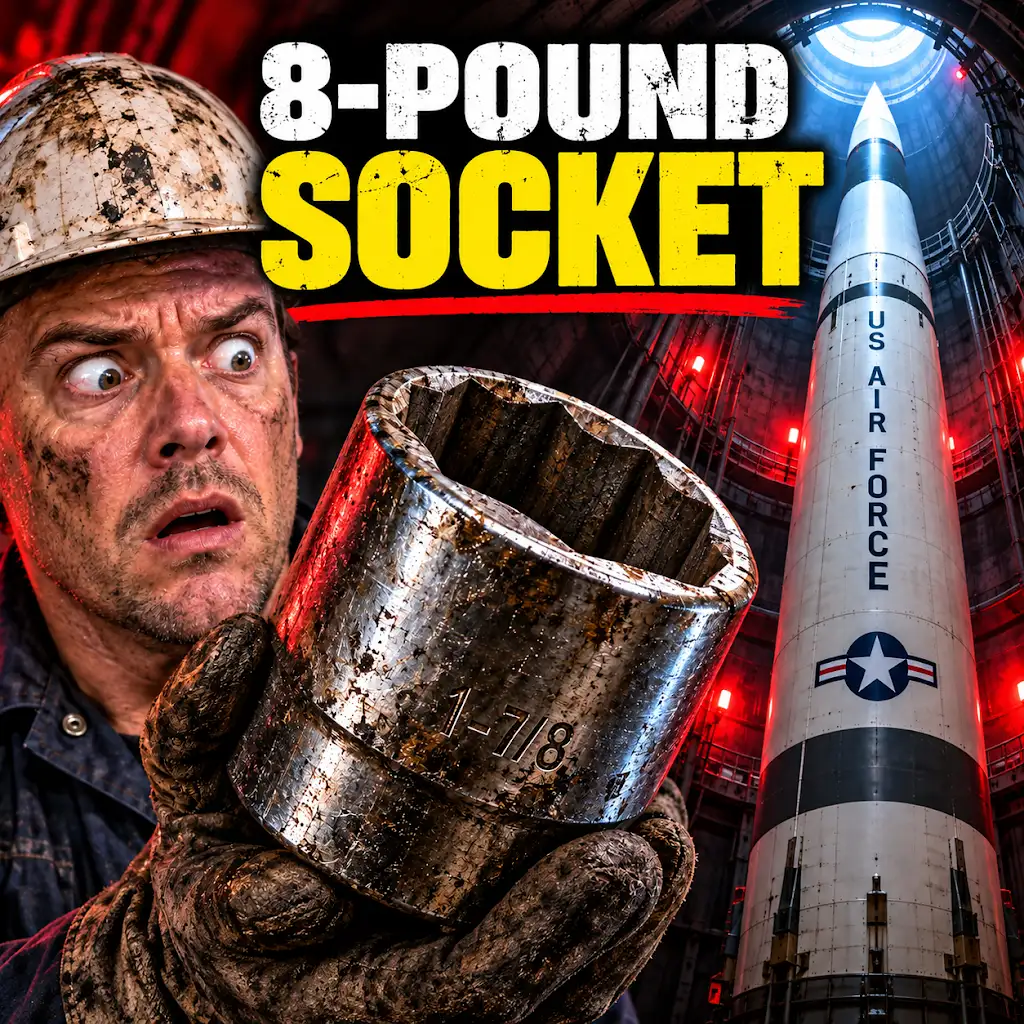
How a Dropped Socket Destroyed a Titan II Missile
FAQs
What is the Damascus Titan II emergency response?
The Damascus Titan II emergency response refers to the coordinated efforts and procedures put in place to address emergencies or disasters involving the Titan II missile complex located near Damascus, Arkansas.
Who is responsible for the Damascus Titan II emergency response?
The Damascus Titan II emergency response is typically led by local emergency management agencies, in coordination with state and federal authorities, as well as the military personnel responsible for the Titan II missile complex.
What are some potential emergencies that could trigger the Damascus Titan II emergency response?
Potential emergencies that could trigger the Damascus Titan II emergency response include accidents, fires, explosions, or any other incidents that could compromise the safety and security of the Titan II missile complex and surrounding areas.
What measures are in place to ensure the effectiveness of the Damascus Titan II emergency response?
Measures such as regular training exercises, emergency drills, communication protocols, and mutual aid agreements with neighboring jurisdictions are put in place to ensure the effectiveness of the Damascus Titan II emergency response.
How can the public stay informed and prepared in case of a Damascus Titan II emergency?
The public can stay informed and prepared by signing up for emergency alerts, familiarizing themselves with evacuation routes, emergency shelters, and emergency contact information, as well as following the guidance of local authorities during an emergency involving the Damascus Titan II missile complex.