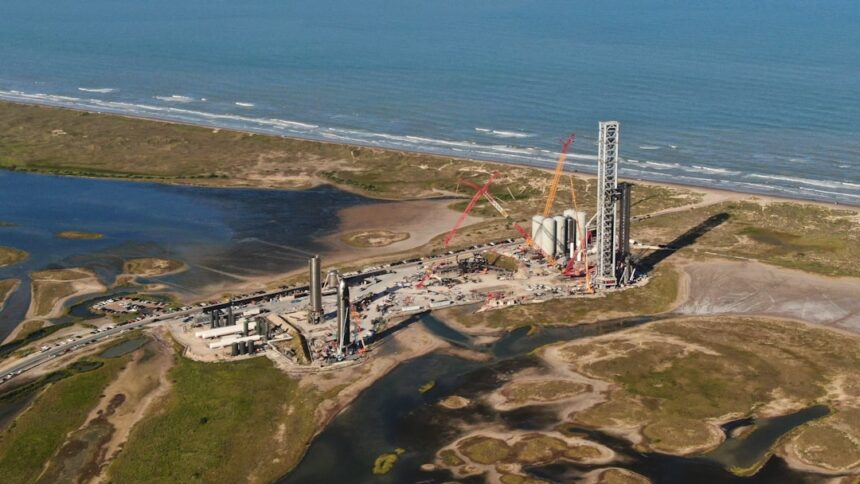
Launch Complex 374-7, a site shrouded in a peculiar blend of scientific ambition and historical enigma, stands as a silent sentinel in the unassuming landscape of Damascus, Arkansas. While its name might evoke images of grand rockets and interstellar voyages, the reality of Launch Complex 374-7 is far more grounded, yet no less fascinating. It represents a chapter in American technological history that, while perhaps not as widely publicized as some, played a crucial role in the nation’s Cold War efforts and its subsequent journey into the space age. This exploration delves into the origins, purpose, operations, and enduring legacy of this remarkable facility.
The establishment of Launch Complex 374-7 was not an isolated event but rather a calculated response to the burgeoning geopolitical tensions of the mid-20th century. The Cold War, characterized by a relentless arms race and a pervasive sense of global instability, demanded significant investment in defense and technological superiority. The United States, recognizing the strategic importance of robust missile capabilities, initiated a nationwide program to develop and deploy a network of launch sites.
The Cold War Imperative
The Soviet Union’s launch of Sputnik in 1957 served as a profound wake-up call for the United States. It demonstrated a technological prowess that had not been fully anticipated and fueled fears of Soviet dominance in both military and scientific domains. This event catalyzed a massive acceleration in American space and missile programs. The need for secure, reliable, and strategically positioned launch facilities became paramount.
Strategic Defense Initiatives
The development of Intercontinental Ballistic Missiles (ICBMs) was a central pillar of Cold War strategy. These weapons, capable of delivering nuclear payloads across vast distances, necessitated secure launch sites that could withstand potential attacks and ensure the survivability of the nation’s retaliatory capacity. Launch Complex 374-7, like many of its contemporaries, was designed with this imperative in mind.
The Role of Rocky Mountain Arsenal
While Launch Complex 374-7 was situated in Arkansas, its operational and logistical connections often extended to larger military installations. The Rocky Mountain Arsenal in Colorado, for example, played a significant role in the development and testing of various ordnance and chemical agents. While not directly involved in launch operations, its broader contributions to the defense industrial complex provided a context for the development of sites like 374-7.
Site Selection and Justification
The choice of Damascus, Arkansas, as the location for Launch Complex 374-7 was a carefully considered decision, driven by a confluence of factors. The relatively sparse population, coupled with the vast tracts of undeveloped land, offered the necessary security and isolation for a sensitive military installation.
Geographic Advantages
The rural character of the region provided a natural buffer zone, minimizing the risk of civilian casualties in the event of an accident or attack. Furthermore, the terrain was deemed suitable for the construction of the required infrastructure, including launch pads, support buildings, and underground facilities. Access to transportation networks, even in this rural setting, was also a critical consideration for the movement of personnel and equipment.
Security and Secrecy
The utmost secrecy surrounded the construction and operation of such facilities. The ability to maintain a low profile and prevent unauthorized access was a primary concern. The remote location of Damascus, Arkansas, offered a significant advantage in this regard, allowing for the establishment of robust security perimeters and the control of all ingress and egress.
Launch Complex 374-7 in Damascus, Arkansas, has garnered attention for its strategic significance in the realm of space exploration and military operations. For those interested in a deeper understanding of the complexities surrounding such facilities, a related article can be found at In The War Room, which explores the implications of military space initiatives and their impact on national security. This resource provides valuable insights into the evolving landscape of space technology and its intersection with defense strategies.
The Purpose and Function of Launch Complex 374-7
Launch Complex 374-7 was not merely a collection of concrete and steel; it was a highly specialized facility designed for a specific and critical purpose. Its operations were directly linked to the nation’s burgeoning missile development and deployment programs.
Missile Testing and Development
The primary function of Launch Complex 374-7 was to serve as a testing ground for advanced missile systems. This involved not only the static testing of components and sub-assemblies but also the live firing of missiles to gather crucial data on their performance, trajectory, and reliability.
Early Ballistic Missile Programs
The early years of the Cold War saw rapid advancements in ballistic missile technology. Sites like 374-7 were instrumental in the testing and refinement of these early systems, paving the way for more sophisticated and capable weaponry. This included testing of range, accuracy, and payload delivery.
Aerodynamic and Propulsion Studies
Beyond the complete missile systems, the complex likely supported research into various aspects of missile technology. This could include testing of new aerodynamic designs, advanced propulsion systems, and guidance mechanisms. The data gathered from these tests would inform future design iterations and improvements.
Operational Readiness and Deployment
In addition to testing, Launch Complex 374-7 also played a role in ensuring the operational readiness of deployed missile systems. This could involve simulated launch sequences, training exercises for personnel, and the testing of protocols for rapid deployment.
Training Exercises for Military Personnel
The complex would have been a vital training ground for the military personnel responsible for operating and maintaining these complex weapons systems. This included missile technicians, launch crews, and support staff, all of whom required extensive hands-on experience.
Validation of Launch Procedures
The successful and safe launch of a missile requires meticulous planning and execution. Launch Complex 374-7 would have been used to validate and refine these launch procedures, ensuring that all steps were carried out flawlessly and that the system was ready for operational deployment.
The Infrastructure of a Launch Site
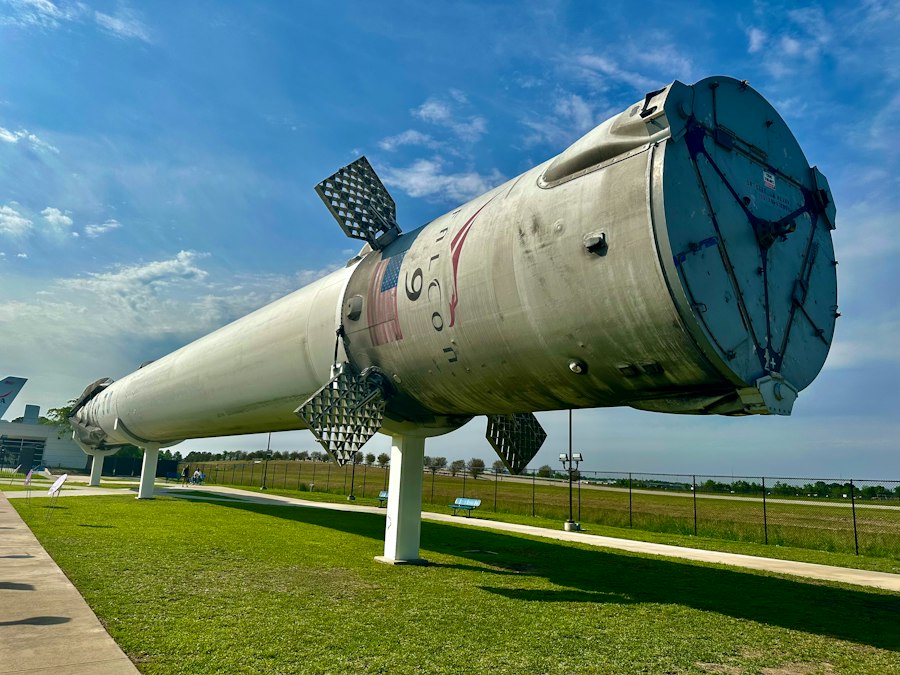
The physical layout of Launch Complex 374-7 was a testament to the engineering prowess and the stringent safety requirements of the era. Every element was designed with functionality, security, and the immense power of rocketry in mind.
The Launch Pads
At the heart of any launch complex are the launch pads themselves. These robust structures were engineered to withstand the immense forces and heat generated by rocket engines during liftoff.
Design and Construction
The launch pads at 374-7 would have been constructed from reinforced concrete, often with specialized materials to dissipate heat and absorb shock. They would have featured complex plumbing for propellant delivery, exhaust systems, and electrical connections.
Safety Features and Blast Walls
Safety was paramount. The pads would have been equipped with sophisticated safety features, including systems for emergency shutdown and propellant venting. Blast walls and protective berms would have been incorporated to shield surrounding areas from potential explosions or debris.
Support Facilities and Infrastructure
Beyond the launch pads, a comprehensive array of support facilities was essential for the effective operation of Launch Complex 374-7.
Command and Control Centers
These centers were the nerve center of operations, housing the personnel and equipment responsible for monitoring pre-launch checks, initiating launch sequences, and tracking the missile’s trajectory.
Communication Systems
Reliable and secure communication systems were vital, connecting the command center to various elements of the launch complex and to external tracking stations.
Data Acquisition and Analysis
Sophisticated instrumentation would have been in place to collect vast amounts of data during tests and launches, which would then be analyzed to assess performance and identify any anomalies.
Storage and Maintenance Facilities
The handling and storage of propellants, rocket components, and other sensitive materials required specialized facilities designed for safety and environmental control.
Propellant Storage Silos
The storage of volatile rocket fuels and oxidizers demanded highly secure and regulated silos, often underground, to prevent leaks and explosions.
Assembly and Maintenance Bays
These bays would have provided the space and equipment for assembling missiles, performing routine maintenance, and conducting diagnostic checks.
Administrative and Personnel Support
The operation of such a complex facility also required robust administrative and personnel support structures.
Barracks and Living Quarters
For the military personnel stationed at the complex, secure and functional living quarters would have been essential.
Mess Halls and Recreational Facilities
Maintaining morale and well-being was also a consideration, with facilities for dining and recreation likely available.
The Operations and Personnel of Launch Complex 374-7
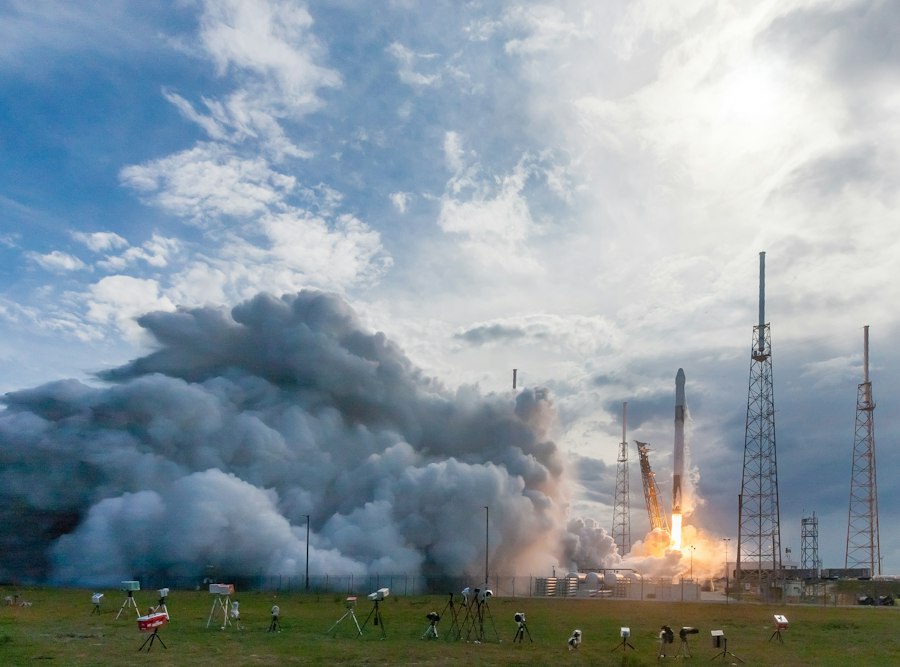
The operation of Launch Complex 374-7 was a highly coordinated endeavor, relying on the expertise and dedication of a specialized workforce. The success of each launch depended on the meticulous execution of countless procedures by highly trained individuals.
The Teams Involved
A diverse range of specialists was required to bring a launch mission to fruition. From engineers to technicians to security personnel, each played a vital role.
Engineers and Scientists
These individuals were responsible for the design, development, and testing of the missile systems themselves. They would have overseen the technical aspects of each launch and analyzed the resulting data.
Propulsion Engineers
Specialists in rocket engines, responsible for their design, testing, and operation.
Guidance and Control Engineers
Those who focused on the systems that steered the missile and ensured its accuracy.
Aerodynamicists
Experts in the way missiles interacted with the atmosphere.
Technicians and Mechanics
These skilled individuals were the hands-on operators who maintained, assembled, and prepared the missiles and launch equipment.
Missile Technicians
Those trained in the specific mechanics and electronics of the missiles being tested.
Launch Pad Technicians
Individuals responsible for the day-to-day operation and maintenance of the launch infrastructure.
Military Personnel
The site was operated by the United States military, and its personnel formed the backbone of its operations.
Launch Crews
The teams directly responsible for initiating and overseeing the launch sequence.
Security Personnel
Ensuring the safety and security of the complex and its sensitive operations was a paramount concern.
Logistics and Support Staff
The individuals who managed the supply chain, administration, and general support for the facility.
The Launch Sequence
The culmination of extensive preparation was the launch sequence itself, a meticulously orchestrated series of events.
Pre-Launch Checks
This phase involved rigorous testing of all missile systems, ground equipment, and communication links to ensure everything was functioning correctly.
System Diagnostics
Computerized checks and manual inspections of all critical components.
Environmental Monitoring
Ensuring optimal weather conditions and checking for any external threats.
Countdown and Ignition
The final moments before liftoff were a critical period of intense activity and heightened tension.
Propellant Loading
The careful and controlled filling of the missile with its fuel and oxidizer.
Ignition Sequence
The automated or manual initiation of the rocket engines.
Post-Launch Monitoring
Once the missile was airborne, the focus shifted to tracking its flight and analyzing the data it transmitted.
Trajectory Tracking
Using radar and other tracking systems to follow the missile’s path.
Data Telemetry
Receiving and processing data transmitted by the missile during its flight.
Launch Complex 374-7 in Damascus, Arkansas, has gained attention for its role in the development of various aerospace technologies. For those interested in learning more about the historical significance and current projects associated with this facility, a related article can provide valuable insights. You can explore the details further by visiting this informative page, which delves into the complexities of space launch operations and their impact on the region.
The Legacy and Enduring Significance
| Metric | Details |
|---|---|
| Location | Damascus, Arkansas, USA |
| Complex Name | Launch Complex 374-7 |
| Primary Use | Missile Launch Site (Titan II ICBM) |
| Operational Period | 1963 – 1987 |
| Notable Incident | 1980 Titan II missile explosion |
| Coordinates | 34.7561° N, 92.2033° W |
| Missile Type | Titan II Intercontinental Ballistic Missile (ICBM) |
| Launch Complex Number | 374-7 |
| Current Status | Decommissioned and dismantled |
While Launch Complex 374-7 may no longer be an active military installation, its legacy continues to resonate. It stands as a tangible reminder of a pivotal era in American history and the immense technological strides made during that time.
Historical Context
The complex was a product of its time, born out of the intense competition and technological innovation of the Cold War. Its existence contributed to the broader narrative of American defense and its pursuit of technological superiority.
A Window into Cold War Technology
Launch Complex 374-7 provides a concrete example of the types of facilities and technologies that were developed to support the nation’s strategic objectives during this period. It offers a glimpse into the practical application of advanced engineering and scientific principles.
The Evolution of Missile Systems
The data and experience gained from operations at sites like 374-7 were instrumental in the continuous evolution of missile technology, leading to more advanced and effective systems.
Modern Relevance
Even in its retired state, Launch Complex 374-7 holds value for researchers, historians, and enthusiasts. Its structures and the stories they hold offer unique insights.
Preservation and Research
Efforts towards the preservation of such historical sites are crucial for future generations to understand the technological advancements and historical context of the mid-20th century. Researchers can study the engineering principles and operational methodologies employed.
Educational and Historical Tourism
Sites like Launch Complex 374-7 can serve as educational destinations, offering a tangible connection to history and science for students and the public alike. Exploring these remnants can foster a deeper appreciation for the ingenuity and challenges of past technological endeavors.
The silent fields of Damascus, Arkansas, now hold the echoes of a powerful past. Launch Complex 374-7, though its fiery launches have long ceased, remains a significant monument to human ambition, scientific endeavor, and the complex geopolitical landscape that shaped the modern world. Its story is woven into the fabric of American technological progress, a testament to the dedication and ingenuity that defined a generation.

How a Dropped Socket Destroyed a Titan II Missile
FAQs
What is Launch Complex 374-7 Damascus Arkansas?
Launch Complex 374-7 in Damascus, Arkansas, is a former missile launch site that was part of the United States’ nuclear defense system during the Cold War.
When was Launch Complex 374-7 Damascus Arkansas built?
Launch Complex 374-7 was built in the early 1960s as part of the Nike missile defense program, which aimed to protect the United States from potential Soviet missile attacks.
What was the purpose of Launch Complex 374-7 Damascus Arkansas?
The primary purpose of Launch Complex 374-7 was to house and launch Nike missiles, which were surface-to-air missiles designed to intercept and destroy incoming enemy aircraft or missiles.
Is Launch Complex 374-7 Damascus Arkansas still in use?
No, Launch Complex 374-7 is no longer in use. It was decommissioned in the 1970s as advancements in missile technology rendered the Nike missile system obsolete.
Can the public visit Launch Complex 374-7 Damascus Arkansas?
Launch Complex 374-7 is located on private property and is not open to the public. However, there are occasional tours and events organized by historical preservation groups that provide limited access to the site.