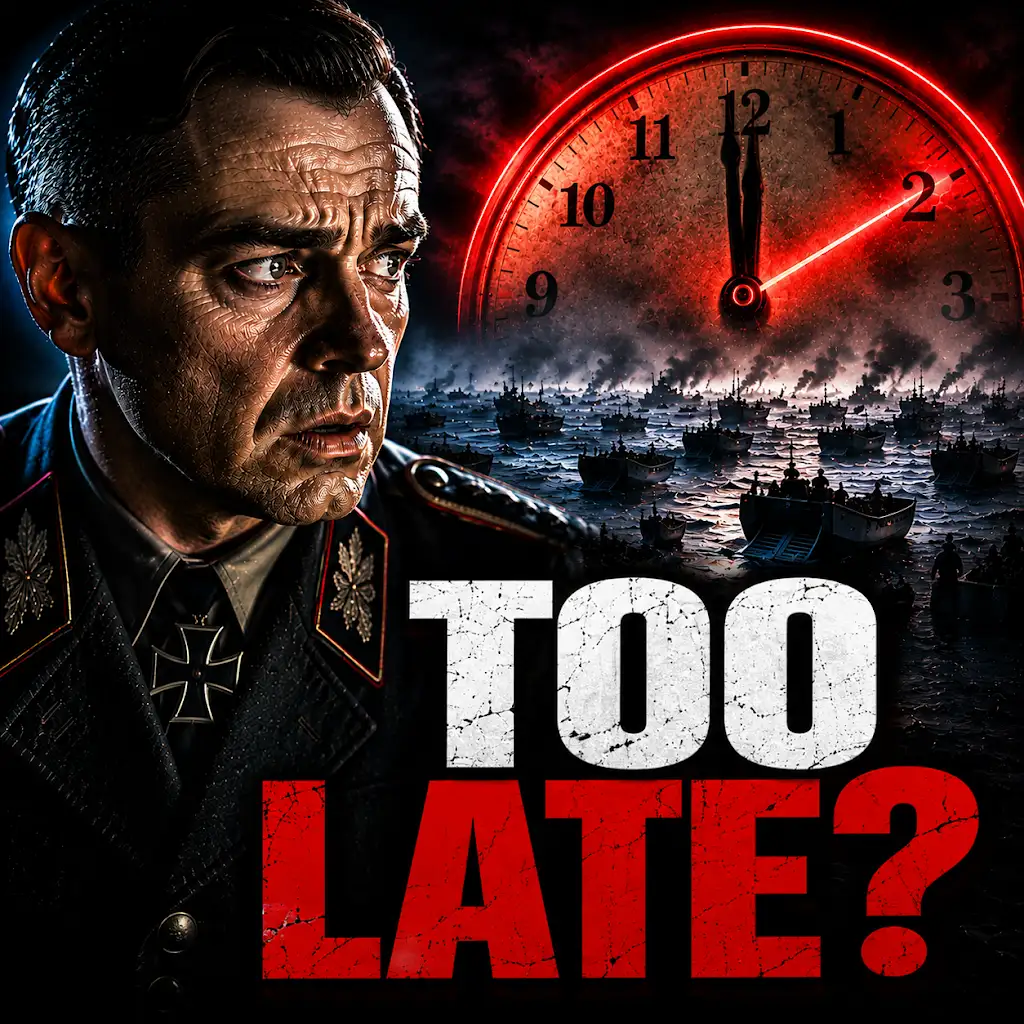
The salt spray hung heavy in the air, a familiar companion to the German soldiers manning the Atlantic Wall. For years, they had toiled, building concrete bunkers, laying mines, and stringing barbed wire, a testament to a desperate hope for impregnability. They had been told this was the ultimate defense, the bulwark against the Allied onslaught. But as the dawn of June 6th, 1944, broke, a creeping unease settled over the coastal defenses. This was not the usual drill. The sky, usually a canvas for the returning Luftwaffe, was now a swarm of unfamiliar aircraft, their engines a deafening roar that presaged a storm unlike any they had ever known.
A D-Day documentary from the German perspective offers a starkly different narrative than the heroic tales of Allied liberation. It delves into the fear, confusion, and ultimately, the grim realization of defeat experienced by those on the defending side. It is a testament to the human cost of war, even for the aggressor, and a vital counterpoint to understanding the totality of the conflict. Such a perspective forces a reckoning with the complexities of wartime decision-making, the impact of propaganda, and the devastating reality of being on the losing side of history’s most pivotal amphibious assault.
The Atlantic Wall, a vast network of fortifications stretching from the Danish border to the Pyrenees, was more than just a physical barrier. It was a symbol of German resolve, a declaration of their intent to deny the Allies a foothold in Europe. For the men stationed there, it was their world, a concrete and barbed wire reality that was supposed to be their sanctuary. This section of a German perspective documentary would meticulously detail the daily lives of these soldiers, a stark contrast to the sanitized images often presented in Allied accounts.
Routine and Readiness: The Calm Before the Storm
- Daily Drills and Patrols: Life on the Atlantic Wall was characterized by a grueling routine. Soldiers spent their days on constant alert, conducting patrols along the beaches, manning observation posts, and practicing with their weaponry. The documentary would likely show scenes of soldiers meticulously cleaning their rifles, checking their ammunition, and undertaking exercises under the watchful eyes of their superiors. The emphasis would be on a preparedness that, unbeknownst to them, would soon be tested beyond their wildest imaginations.
- The “Comforts” of the Bunker: Life in the concrete bunkers was often damp, cramped, and monotonous. The film might depict the soldiers trying to find moments of normalcy, playing cards, writing letters home, or sharing meager rations. These seemingly mundane scenes are crucial for humanizing the defenders, revealing them as individuals caught in the machinery of war, not just faceless automatons. The claustrophobic confines of the bunkers would be a recurring visual motif, symbolizing their trapped existence.
- The Shadow of the Eastern Front: While the Atlantic Wall represented a defensive posture, the documentary would inevitably touch upon the grim realities of the Eastern Front. Soldiers on the Western Front were aware of the brutal fighting in Russia and the heavy losses incurred by the Wehrmacht. This awareness would likely contribute to a sense of foreboding, a feeling that the war was not going as planned and that the stakes were incredibly high. Whispers of discontent or unease among the ranks, subtly conveyed through dialogue or facial expressions, would add depth to this segment.
The Psychological Burden: Isolation and Uncertainty
- Rumors and Propaganda: The soldiers on the Atlantic Wall were subjected to a steady stream of propaganda, designed to bolster morale and foster a belief in ultimate victory. However, the isolation of their postings, coupled with the limited access to reliable news, also made them susceptible to rumors. The documentary might explore how these conflicting currents of information affected their mental state, creating an atmosphere of uncertainty and doubt. The stark contrast between official pronouncements of strength and the gnawing reality of their precarious situation would be a key theme.
- Letters from Home: For many, letters from loved ones were a lifeline, a connection to a world outside the grim confines of the Wall. These letters, often censored and carrying their own anxieties, would be poignant artefacts. The documentary might feature readings from these letters, revealing the hopes, fears, and longing for peace that permeated German society, even amidst the fervent nationalism. The unspoken dread in the words of wives and mothers, hinting at losses elsewhere, would resonate deeply.
- The Weight of Defeat: As the war progressed, the initial confidence in the Atlantic Wall’s impregnability began to erode. The Allied bombing campaigns intensified, and news of setbacks on other fronts reached the garrisons. The documentary would aim to capture the psychological toll this took, the gradual fading of optimism replaced by a quiet resignation or a desperate clinging to duty. The stoic faces of men who knew, deep down, that their efforts might be in vain would be a powerful image.
The Unrelenting Tide: The Invasion Begins
June 6th, 1944, was the day the theory of the Atlantic Wall was put to its ultimate test. For the men who had spent years preparing for this moment, it was an onslaught that shattered their world. A German perspective documentary would focus on the sensory overload of the invasion, the chaos, and the desperate attempts to mount a defense against an enemy that seemed to appear from everywhere at once.
The Roar of the Unknown: The Air Assault
- The Sky Darkens with Aircraft: The initial phase of the invasion was characterized by an unprecedented aerial bombardment. The documentary would likely use archival footage and soldier testimonies to convey the sheer scale of the Allied air superiority. The sky, once a familiar domain, became a terrifying spectacle of thousands of aircraft. The cacophony of engines, bombs, and anti-aircraft fire would be overwhelming, a stark introduction to the violence of the invasion.
- The Paratroopers Descend: The dropping of paratroopers behind enemy lines was a shocking development for the German defenders. Caught off guard, they struggled to comprehend the presence of enemy soldiers emerging from the sky. The documentary would likely depict the confusion and initial panic as small, isolated units of paratroopers engaged in fierce, close-quarters combat with bewildered German garrisons. The element of surprise was a critical factor, and its impact on the defenders’ initial response would be heavily emphasized.
- Anti-Aircraft Defenses Under Siege: The German anti-aircraft crews fought valiantly, but they were often outnumbered and outgunned. The documentary would showcase the bravery of these men, their desperate attempts to counter the relentless Allied air attacks. The visual of flak bursts against a sky filled with enemy planes would be a powerful and recurring image, symbolizing their futile resistance against overwhelming odds.
The Fury of the Sea: The Beach Landings
- The Gunfire from the Waves: As the paratrooper assault commenced inland, the naval bombardment began. The documentary would describe the terrifying experience of facing a relentless barrage of artillery fire from warships offshore. The earth would shake, concrete structures would crumble, and the defenders would be forced to seek shelter in increasingly precarious positions. The sheer destructive power of naval artillery would be a central theme, illustrating the futility of their defenses against such a concentrated attack.
- The Landing Craft Emerge: The sight of countless landing craft churning towards the beaches was a moment of dread. The documentary would focus on the defenders’ vantage points, their desperate attempts to engage the approaching enemy with machine-gun fire and artillery. The chaos and carnage of the beach landings would be depicted through the eyes of those caught in the crossfire, their grim accounts of the unfolding slaughter.
- Desperate Resistance on the Shore: Despite the overwhelming odds, many German soldiers fought with fierce determination. The documentary would highlight acts of bravery and sacrifice, even as their positions were overrun. The narrative would not shy away from the brutality of the fighting, the close-quarters combat, and the sheer desperation of both sides. The focus would be on the tactical challenges faced by the German defenders, who were often isolated and lacked effective command and control.
The Collapse of the Wall: Facing the Inevitable
As the Allied forces established their beachheads and pushed inland, the formidable Atlantic Wall began to crumble. The documentary would chart the systematic dismantling of the defenses, the retreat of German units, and the dawning realization that the invasion could not be stopped.
Outmaneuvered and Outgunned: The Fight for the Inland
- The Breakthroughs: The documentary would illustrate how Allied forces, through sheer determination and superior firepower, managed to breach the German defenses at key points. The narratives of soldiers describing the panic and confusion as their lines were broken would be central. The focus would be on the tactical decisions that led to these breakthroughs and the German responses, or lack thereof.
- The Retreat and the Pursuit: As the beachheads solidified, German units were forced to retreat, often under heavy pressure from advancing Allied forces. The documentary would depict these desperate withdrawals, the attempts to establish new defensive lines, and the relentless pursuit by the enemy. The logistical nightmares and the dwindling supply lines of the German army would be a significant element.
- The Local Resistance: While the large-scale defenses faltered, local garrisons and pockets of resistance continued to fight. The documentary might highlight these isolated battles, showcasing the tenacity of some German soldiers even in the face of overwhelming defeat. The stories of men fighting in villages and towns, cut off from command, would add a layer of grim heroism to the German perspective.
The Inevitable Advance: The Allied Onslaught
- The Scale of the Invasion: The sheer number of Allied troops, vehicles, and equipment that poured onto the continent would be emphasized. The documentary would aim to convey the overwhelming nature of the invasion, the feeling of being outnumbered and outmatched. The visual of an endless stream of Allied forces would be a powerful symbol of their impending doom.
- The Loss of Key Positions: The documentary would detail the fall of crucial strategic locations, the loss of artillery emplacements that once threatened the invasion force, and the gradual ceding of territory. The impact of these losses on German morale and strategic capabilities would be explored.
- The Growing Despair: As the days turned into weeks, and the Allied advance continued, the initial hope of repelling the invasion gave way to a pervasive sense of despair. The documentary would attempt to capture this emotional shift, the fading belief in victory replaced by a grim acceptance of defeat. The quiet conversations among soldiers, the haunted looks in their eyes, would speak volumes.
The Aftermath: A Nation Confronts Defeat
The fall of Normandy was not just a military defeat; it was the beginning of the end for Nazi Germany. A German perspective documentary would explore the broader implications of D-Day, the impact on the German home front, and the beginning of the long road to reckoning with the consequences of their nation’s actions.
The Cracks in the Propaganda Machine
- The Truth Emerges: For years, German citizens had been fed a steady diet of propaganda promising victory and glory. D-Day, however, was an undeniable turning point. The documentary might feature newsreel footage from the time, showing the official pronouncements of defiance gradually giving way to more somber reports. The stark contrast between the reality of the invasion and the official narrative would be a key point of discussion.
- The Air Raids Intensify: As the Allies gained a foothold in France, their bombing campaigns on German cities intensified. The documentary would likely depict the terror of these raids, the destruction of homes and infrastructure, and the growing fear among the civilian population. The connection between the events in Normandy and the suffering on the home front would be made clear.
- Whispers of Doubt and Discontent: The repeated setbacks and the increasing hardship on the home front began to sow seeds of doubt and discontent among the German population. The documentary might explore these unspoken sentiments, the quiet questioning of leadership, and the growing weariness of war. The subtle ways in which resistance, however small, began to manifest would be a nuanced aspect.
The Long Shadow of War: Reflections and Repercussions
- The Human Cost of Defeat: The documentary would not shy away from the human cost of Germany’s defeat. It would feature interviews with elderly survivors, reflecting on the loss of loved ones, the devastation of their country, and the immense burden of guilt and shame. The focus would be on the personal stories of loss and displacement.
- The Search for Answers: In the years following the war, there was a period of introspection and a struggle to understand how Germany had been led into such a catastrophic conflict. The documentary might touch upon these early attempts at understanding, the initial historical accounts, and the ongoing debates about responsibility and culpability.
- The Seeds of a New Beginning: While focusing on the defeat, the documentary might also offer a glimpse of the resilience of the German people and their efforts to rebuild their nation. The emphasis would be on the slow and arduous process of recovery and the eventual emergence of a democratic Germany, a stark contrast to the regime that had led them to ruin. This would offer a sense of hope amidst the grim narrative.
The Unheard Voices: Soldiers’ Personal Accounts
The true power of a German perspective documentary lies in its ability to amplify the voices of those who experienced D-Day from the other side. This section would be dedicated to the raw, unvarnished testimonies of the soldiers who fought on the Atlantic Wall and faced the Allied onslaught.
Memories of Fear and Fury
- Eyewitness to Invasion: The documentary would feature interviews with surviving German soldiers who were present on the beaches of Normandy on June 6th, 1944. Their accounts would be visceral, detailing the chaos, the terror, and the sheer sensory overload of the invasion. The focus would be on their personal experiences and emotional responses.
- The Enemy in Their Midst: Soldiers would recount their confusion and shock at the sudden appearance of Allied forces, both from the air and from the sea. The documentary would explore their initial reactions, their attempts to understand the scale of the attack, and the disorientation of facing an enemy they had been told was weak.
- Acts of Desperation: These testimonies would highlight the desperate acts of bravery and resistance undertaken by individual soldiers and small units. While acknowledging the broader strategic failure, the documentary would humanize the defenders by showcasing their individual courage in the face of overwhelming odds.
The Lingering Scars of Conflict
- The Trauma of Battle: The soldiers’ accounts would reveal the deep psychological scars left by the invasion and the subsequent fighting. The documentary would explore the long-term impact of their experiences, including post-traumatic stress, nightmares, and a pervasive sense of loss and disillusionment.
- Regret and Reflection: Many veterans might express regret over their involvement in the war and their participation in the Nazi regime. The documentary would offer a space for these reflections, for a nuanced understanding of their wartime choices and the complex moral landscape they navigated.
- The Burden of History: These personal testimonies would serve as a powerful reminder of the human cost of war, even for those on the losing side. They would offer a crucial counterpoint to dominant narratives and encourage a more comprehensive understanding of D-Day and its enduring legacy. The emphasis would be on the shared humanity that transcends national borders and the devastating consequences of conflict.
By delving into these “unheard voices,” a D-Day documentary from the German perspective offers a vital, albeit somber, contribution to our understanding of one of history’s most significant events. It reminds us that war is not simply a matter of good versus evil, but a complex and tragic human endeavor with profound consequences for all involved. It forces a re-evaluation of victory and defeat, and a deeper appreciation for the enduring quest for peace.