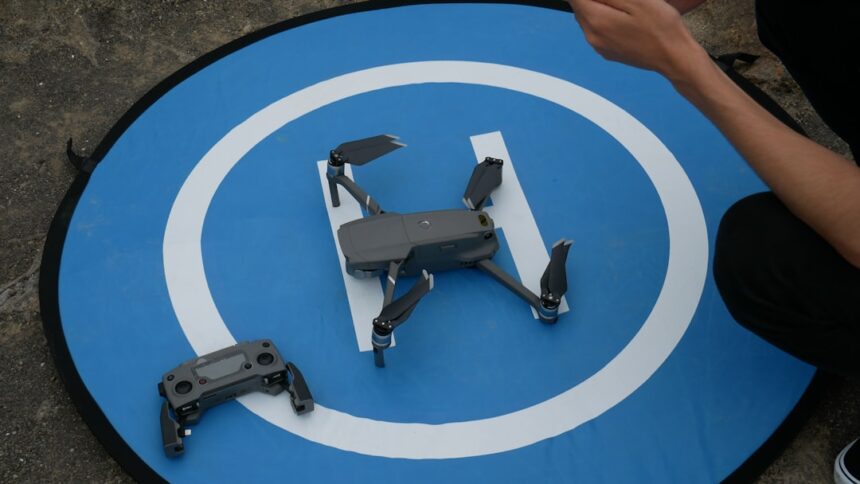
Drone technology stands on the precipice of transformative advancement, driven by innovations in seemingly discrete components. Among these, the integral role of electric motors powering liquid pumps, categorized under HS Code 8413, is often overlooked, yet it represents a fundamental pillar in the evolution of unmanned aerial vehicles (UAVs). These quiet workhorses, more commonly associated with agricultural sprayers or industrial fluid transfer, are now being re-envisioned, their capabilities harnessed to unlock new frontiers for drone applications. This article will delve into the intricate relationship between HS Code 8413 liquid pump motors and the revolutionizing of drone technology, exploring the technical specifications, evolving design considerations, and the diverse array of applications these powerful yet compact units enable.
To appreciate the impact of these motors on drone technology, it is crucial to first understand their fundamental nature and classification. HS Code 8413, as defined by the Harmonized System of Nomenclature, encompasses a broad category of “Pumps for liquids, whether or not fitted with a measuring device; liquid elevators.” Within this classification, the electric motors that drive these pumps are what concern us most in the context of UAVs. These are not mere generic power sources; they are sophisticated electromechanical devices engineered for specific operational demands.
Differentiating Motor Types for Liquid Pumps
The variety of electric motors that can be employed to drive liquid pumps is considerable. Each type offers a distinct balance of performance characteristics, power consumption, and environmental resilience, making them suitable for different drone applications.
Brushless DC (BLDC) Motors: The Contemporary Standard
Brushless DC motors have emerged as the prevalent choice for modern drone applications, including those requiring liquid pumping capabilities. Their inherent advantages make them ideally suited for the demanding environment of UAV operation.
Efficiency and Longevity
BLDC motors are renowned for their superior efficiency, meaning they convert a higher percentage of electrical energy into mechanical work. This translates directly to extended flight times for drones, a persistent challenge in UAV development. Furthermore, the absence of brushes, which are prone to wear and tear in brushed DC motors, grants BLDC motors a significantly longer operational lifespan. This reduced maintenance overhead is a critical consideration for commercial drone operators.
High Power-to-Weight Ratio
In the world of aviation, every gram counts. BLDC motors offer an impressive power-to-weight ratio, delivering substantial torque and rotational speed for their size and mass. This is paramount for drones, where payload capacity and maneuverability are directly influenced by the weight of onboard components.
Precise Control and Responsiveness
The electronic commutation of BLDC motors allows for exceptionally precise control over speed and torque. This responsiveness is vital for applications like variable rate spraying, where the flow rate of liquid needs to be adjusted dynamically in response to real-time data from sensors.
Brushed DC Motors: A Legacy Option
While less common in cutting-edge drone designs, brushed DC motors still find applications, particularly in less demanding or cost-sensitive scenarios.
Simplicity and Cost-Effectiveness
Brushed DC motors are generally simpler in construction and less expensive to manufacture than their brushless counterparts. This can be a deciding factor for hobbyist projects or applications where extreme precision or power density is not a primary requirement.
Drawbacks in Drone Applications
However, the presence of brushes necessitates regular maintenance and replacement due to wear. This, combined with lower efficiency and a less favorable power-to-weight ratio compared to BLDC motors, often relegates them to secondary roles or older drone designs.
The Pump Mechanism: Connecting Motor to Fluid Flow
The electric motor is the heart, but the pump is the conduit through which the drone’s purpose is realized. The type of pump coupled with the HS Code 8413 motor is equally critical.
Centrifugal Pumps: Displacing Fluid Volumetrically
Centrifugal pumps utilize rotational energy to propel the liquid outward from the center, creating a lower pressure at the inlet and drawing in more fluid.
Characteristics and Suitability
These pumps are popular due to their relatively simple design, robustness, and ability to handle a wide range of viscosities. For drone applications involving the dispersal of liquids like pesticides, fertilizers, or water, centrifugal pumps driven by BLDC motors offer a good balance of flow rate and power consumption.
Design Considerations for UAVs
Miniaturized centrifugal pumps are essential for drone integration. The design must minimize vibration and ensure stable fluid flow, preventing erratic dispersal patterns that could compromise the mission’s effectiveness.
Diaphragm Pumps: Precise and Gentle Transfer
Diaphragm pumps employ a flexible membrane that reciprocates, creating a pumping action.
Advantages for Sensitive Fluids
These pumps are favored when dealing with shear-sensitive fluids, such as chemicals that could degrade if subjected to excessive turbulence, or when precise dispensing amounts are required.
Applications in Specialized Drones
For drones involved in medical deliveries or advanced material dispersal, diaphragm pumps offer a gentle yet controlled method of fluid transfer, driven by the precise control offered by BLDC motors.
For those interested in the intricate details of HS Code 8413, which pertains to liquid pump drone motors, a related article can provide valuable insights into the latest advancements in drone technology and their applications. This article discusses the evolution of drone motors and their impact on various industries, highlighting the importance of efficient liquid pump systems. To explore more about this topic, you can read the full article at In The War Room.
Evolving Design Paradigms in Drone Pump Integration
The integration of HS Code 8413 liquid pump motors into drones is not a matter of simply bolting on a standard industrial component. It involves a sophisticated interplay of miniaturization, efficiency optimization, and environmental hardening.
Miniaturization and Weight Reduction Strategies
The relentless pursuit of smaller, lighter, and more agile drones necessitates a corresponding evolution in the design of their ancillary components, including pump motors.
Compact Motor Housings and Integrated Designs
Manufacturers are developing increasingly compact motor housings that integrate the motor and pump head into a single, streamlined unit. This reduces the overall footprint and minimizes the number of connection points, thereby reducing weight and potential points of failure.
Advanced Materials in Construction
The use of lightweight yet durable materials such as high-strength plastics, composites, and specialized alloys in both the motor and pump components is crucial. These materials contribute to significant weight savings without compromising structural integrity or performance.
Enhancing Efficiency for Extended Mission Capabilities
In the aerial realm, every ounce of energy is precious. Maximizing the efficiency of the liquid pump system directly translates to longer flight endurance and expanded operational capabilities.
Smart Power Management Systems
Modern drones are increasingly equipped with intelligent power management systems. These systems can dynamically adjust the power supplied to the liquid pump motor based on the required flow rate, minimizing energy wastage during periods of low demand.
Optimized Aerodynamics of the Pump Assembly
Even seemingly minor components can influence a drone’s overall aerodynamics. Designing pump assemblies with smooth surfaces and minimal drag can reduce the overall energy expenditure required for flight, indirectly benefiting the pump motor’s operational efficiency.
Environmental Resilience and Durability
Drones operate in a wide range of environmental conditions, from dry deserts to humid rainforests. The liquid pump motors and their associated components must be built to withstand these challenges.
Sealing and Waterproofing Technologies
Effective sealing is paramount to protect the delicate internal components of the motor and pump from ingress of dust, moisture, and corrosive fluids. Advanced gasket materials and sealing techniques are employed to ensure operational reliability in diverse weather conditions.
Vibration Damping and Shock Resistance
The inherent vibrations of a drone in flight and the potential for rough landings necessitate robust designs that can withstand shock and vibration. Integrated vibration damping systems and shock-resistant materials help to protect the pump motor and ensure its longevity.
Applications Revolutionized by HS Code 8413 Liquid Pump Motors

The impact of these specialized motors extends far beyond traditional drone uses, opening up entirely new avenues for aerial operations across various sectors.
Precision Agriculture: From Broadcasting to Targeted Delivery
The agricultural sector has been an early adopter and a major beneficiary of drone technology. The integration of HS Code 8413 liquid pump motors has elevated the precision and efficiency of agricultural drones significantly.
Variable Rate Application of Fertilizers and Pesticides
One of the most impactful advancements is the ability of drones to perform variable rate applications. Coupled with sophisticated sensors and GPS, liquid pump motors enable drones to dispense fertilizers and pesticides at precise rates only where and when they are needed. This optimizes resource utilization, reduces chemical runoff, and minimizes environmental impact.
Sensor Integration for Real-time Crop Health Monitoring
Drones equipped with multispectral and hyperspectral cameras can identify variations in crop health. This data is fed to the flight control system, which then instructs the liquid pump motor to adjust the flow rate of targeted treatments, addressing specific issues in localized areas.
Optimized Spray Patterns for Enhanced Coverage
The precise control over fluid flow offered by these pump motors, combined with advanced nozzle technology, allows for the creation of optimized spray patterns. This ensures uniform coverage of crops, preventing gaps and overspray, which are common issues with less sophisticated systems.
Seed and Granule Dispersal
Beyond liquid applications, these pump motors can also be adapted for the controlled dispersal of seeds and granules, further enhancing the all-in-one capabilities of agricultural drones.
Environmental Monitoring and Management: Guardians of our Ecosystems
The ability of drones to access remote and challenging terrains makes them invaluable tools for environmental monitoring. HS Code 8413 liquid pump motors are crucial for sampling and dispensing in these scenarios.
Water Quality Sampling and Analysis
Drones can be equipped with specialized sampling devices that utilize liquid pumps to collect water samples from various depths and locations. This data is vital for assessing water quality, detecting pollutants, and monitoring aquatic ecosystems. The precise control of the pump motor ensures consistent sampling volumes.
Firefighting and Hazard Mitigation
In firefighting operations, drones fitted with liquid pump motors can deliver water or fire retardant to hard-to-reach areas of wildfires. This capability can be crucial for containing blazes in their early stages or for providing targeted suppression where manned aircraft cannot safely operate.
Dousing Small Fires and Creating Firebreaks
Miniaturized drones can be deployed to douse small, localized fires or to deliver fire retardant to create temporary firebreaks, preventing the spread of larger infernos.
Dispersal of Biocontrol Agents
For pest management in sensitive ecological areas, drones can precisely disperse biocontrol agents, offering a more targeted and environmentally friendly alternative to broad-spectrum chemical treatments.
Industrial Inspection and Maintenance: Reaching the Unreachable
The infrastructure of modern society, from petrochemical plants to bridges and wind turbines, requires regular inspection and maintenance. Drones equipped with liquid pump systems are becoming indispensable for these tasks.
Remote Cleaning and Coating Applications
Drones can be utilized for the remote cleaning of surfaces that are difficult or dangerous for humans to access, such as the exterior of tall buildings or large industrial tanks. They can also be used to apply protective coatings or sealants in these hard-to-reach areas.
Targeted Decontamination of Critical Infrastructure
In the event of spills or contamination in industrial settings, drones can be deployed to precisely dispense neutralizing agents or absorbents, minimizing worker exposure and reducing cleanup time.
Fluid Sample Collection for Quality Control
In processes requiring regular fluid sampling for quality control, such as in chemical manufacturing or food and beverage production, drones can collect samples autonomously, reducing the need for human intervention in potentially hazardous environments.
Emergency Services and Disaster Response: Swift and Targeted Assistance
In times of crisis, the speed and reach of drones can be a critical advantage. HS Code 8413 liquid pump motors empower these UAVs to provide vital support.
Delivery of Medical Supplies and Pharmaceuticals
Drones are increasingly being used to deliver vital medical supplies, such as blood, vaccines, and emergency medications, to remote or disaster-stricken areas where ground transportation is impassable. The precise flow control of the pump motor ensures that sensitive biological materials are handled appropriately.
Evacuation and Rescue Support
In certain scenarios, drones equipped with small liquid dispersal systems could potentially be used to deliver emergency rations or signaling devices to individuals stranded in difficult terrain.
Chemical and Biological Hazard Detection and Neutralization
Following a chemical or biological incident, drones can be deployed to collect air and surface samples for analysis. Following identification of a threat, they can also be used to disperse neutralizing agents or containment materials.
The Future Trajectory: Synergy and Innovation

The evolution of drone technology is a dynamic process, and the role of HS Code 8413 liquid pump motors will undoubtedly continue to expand. The synergy between advancements in motor technology, pump design, and drone artificial intelligence promises even more sophisticated applications.
Advancements in Pump Motor Control and Intelligence
Future developments will likely focus on even greater integration of smart technologies within the pump motors themselves.
AI-Powered Flow Rate Optimization
The integration of artificial intelligence directly into the pump motor controllers could enable real-time, adaptive flow rate adjustments far beyond current capabilities. This AI could learn and predict optimal dispersal patterns based on complex environmental variables and mission objectives.
Predictive Maintenance and Self-Diagnosis
Incorporating sensors for monitoring motor health and pump performance will allow for predictive maintenance. Drones could self-diagnose potential issues with their liquid pumping systems, alerting operators to perform maintenance before a mission-critical failure occurs.
The Rise of Swarm Robotics and Coordinated Liquid Operations
The future of drone operations may involve complex swarms of UAVs working in concert.
Synchronized Dispersal for Large-Scale Operations
For large-scale agricultural spraying or environmental remediation, synchronized operations of multiple drones, each with a liquid pump system, could significantly increase efficiency and coverage. The precise control of individual pump motors will be critical for such coordinated efforts.
Dynamic Task Allocation and Re-tasking
As conditions change during a mission, AI could dynamically re-allocate tasks among a swarm of drones, re-tasking those with liquid pump systems for different roles as needed, such as moving from spraying to water sampling.
In the realm of advanced technology, the development of liquid pump drone motors classified under HS Code 8413 has garnered significant attention for their innovative applications in various industries. These motors are essential for enhancing the efficiency of drones used in agriculture, firefighting, and environmental monitoring. For those interested in exploring the broader implications of drone technology, a related article can be found here, which delves into the future of aerial robotics and their transformative potential.
Conclusion: A Quiet Revolution
| Metric | Value | Unit | Description |
|---|---|---|---|
| HS Code | 8413 | – | Harmonized System Code for liquid pumps |
| Product Type | Liquid Pump Drone Motors | – | Motors used in liquid pumps for drones |
| Power Rating | 100 – 500 | Watts | Typical power range for drone liquid pump motors |
| Voltage | 12 – 48 | Volts | Operating voltage range |
| Max Flow Rate | 5 – 20 | Liters per minute | Maximum liquid flow rate achievable |
| Weight | 150 – 400 | Grams | Typical weight of the motor |
| Material | Aluminum, Copper | – | Common materials used in motor construction |
| Efficiency | 80 – 90 | Percent | Energy efficiency of the motor |
| Operating Temperature | -20 to 80 | °C | Safe operating temperature range |
| Typical Applications | Agricultural drones, firefighting drones | – | Common uses for liquid pump drone motors |
The humble HS Code 8413 liquid pump motor, often an unseen component, is a critical enabler of the drone revolution. Its continuous evolution in efficiency, miniaturization, and smart control is not merely an incremental improvement; it is a fundamental shift that is unlocking new possibilities across a vast spectrum of industries. As drone technology continues its relentless march forward, the sophisticated electric motors powering liquid pumps will remain an indispensable, albeit often unheralded, force driving innovation and pushing the boundaries of what unmanned aerial vehicles can achieve. The future of drone operations is, in part, being meticulously pumped into existence, one precise droplet at a time, by these remarkable electromechanical components.
FAQs
What is the HS Code 8413 used for?
HS Code 8413 is used to classify liquid pumps, including various types of pumps designed to move liquids. This code is part of the Harmonized System (HS) used internationally for customs and trade purposes.
Do drone motors fall under HS Code 8413?
No, drone motors are generally classified under different HS codes related to electric motors or parts for drones. HS Code 8413 specifically covers liquid pumps, not motors used in drones.
What types of liquid pumps are included in HS Code 8413?
HS Code 8413 includes centrifugal pumps, submersible pumps, and other types of pumps designed to move liquids such as water, oil, or chemicals. It covers pumps used in various industries including agriculture, manufacturing, and water treatment.
How is HS Code 8413 relevant to international trade?
HS Code 8413 helps customs authorities identify and categorize liquid pumps for tariff and regulatory purposes. Accurate classification ensures proper duties are applied and facilitates smooth import and export processes.
Can a product be classified under both liquid pumps and drone motors?
Typically, no. Products are classified under the most appropriate HS code based on their primary function. Liquid pumps and drone motors serve different purposes and are classified separately to avoid confusion in trade documentation.