The world held its breath. For thirteen days in October 1962, humanity teetered on the precipice of nuclear annihilation, a scenario made all the more terrifying by the presence of nuclear torpedoes lurking beneath the waves of the Caribbean. The Cuban Missile Crisis, a pivotal moment in the Cold War, was not just about land-based ballistic missiles; it was also a chilling testament to the escalating arms race and the terrifying potential for miscalculation when nuclear-tipped underwater weapons entered the equation. This crisis, born from a strategic gamble by the Soviet Union and a resolute response from the United States, brought the superpowers closer to a direct, catastrophic confrontation than ever before or since. The threat of nuclear torpedoes, though often overshadowed by the more visible missile sites, added a distinct and deeply unsettling layer to an already unbearable tension.
The decision by Nikita Khrushchev to deploy medium-range and intermediate-range ballistic missiles (MRBMs and IRBMs) to Cuba was multifaceted, driven by a complex interplay of strategic, political, and ideological considerations. For years, the Soviet Union had felt strategically disadvantaged by the presence of American Jupiter missiles stationed in Turkey, just a stone’s throw from its borders. These missiles, with their relatively short flight times, represented a significant existential threat to the Soviet Union. Khrushchev saw an opportunity to redress this strategic imbalance by placing Soviet missiles in Cuba, a mere 90 miles off the coast of Florida, thereby projecting Soviet power directly into the American hemisphere.
Rectifying the Strategic Imbalance
The “missile gap,” a perceived superiority of Soviet nuclear weapons that the US initially feared, had, in reality, been largely closed by the United States. By the early 1960s, the US possessed a larger and more sophisticated nuclear arsenal, including a significant number of Intercontinental Ballistic Missiles (ICBMs) and a robust bomber fleet. This strategic superiority allowed the US to dictate terms and project power globally. The placement of Soviet missiles in Cuba was a bold attempt to level the playing field, creating a new set of strategic anxieties for the American leadership and forcing them to confront a direct nuclear threat on their doorstep. The notion of striking at the heart of American power from so close a distance was a significant psychological and strategic victory Khrushchev aimed to achieve.
Protecting the Cuban Revolution
Beyond the strategic calculus, the Soviet Union also felt a sense of obligation to protect the burgeoning socialist revolution in Cuba. Fidel Castro’s government, after the Bay of Pigs invasion in 1961, was deeply concerned about another US-backed attempt to overthrow it. The deployment of Soviet missiles was presented, in part, as a defensive measure, a deterrent against further American aggression. Khrushchev believed that the presence of Soviet nuclear weapons would make the United States think twice before launching another military intervention, thereby securing the future of the Cuban revolution. This commitment to ideological solidarity was a powerful motivating factor for the Soviet leader.
The Element of Surprise
Crucially, Khrushchev intended to achieve his objectives through stealth and surprise. The deployment was to be carried out covertly, with the missiles arriving in Cuba under the guise of conventional military aid. The hope was that by the time the United States discovered the presence of the missiles, they would already be operational and ready to launch. This would present President John F. Kennedy with a fait accompli, a situation where he would have to accept the new strategic reality or risk immediate nuclear retaliation. The element of surprise was seen as the key to the success of the entire operation, minimizing the risk of pre-emptive American action.
The Discovery: U-2 Flights and the Unveiling of the Threat
The carefully orchestrated Soviet deception, however, was ultimately thwarted by the advanced reconnaissance capabilities of the United States. On October 14, 1962, a U-2 spy plane, flying at high altitude over Cuba, captured photographic evidence that would shock the world. The images clearly depicted construction sites for Soviet MRBM and IRBM launch pads, along with the presence of missile transporters and associated equipment. This discovery, confirmed by subsequent U-2 flights and intelligence analysis, immediately triggered a national security crisis within the Kennedy administration. The veil of secrecy had been lifted, and the full, terrifying scope of the Soviet gamble was laid bare.
The Cuban Missile Crisis marked a pivotal moment in Cold War history, particularly with the discovery of a nuclear torpedo that heightened tensions between the United States and the Soviet Union. For a deeper understanding of the implications and the strategic decisions made during this critical period, you can explore a related article that delves into the details of the crisis and its aftermath. Check it out here: Cuban Missile Crisis Insights.
The Nuclear Torpedo Threat: A Shadow Beneath the Waves
While the world’s attention was riveted on the missile sites in Cuba, a more insidious and less visible threat was also present: Soviet nuclear torpedoes. These underwater weapons, designed to be launched from submarines, added a critical and terrifying dimension to the crisis, one that often gets overlooked in historical accounts. The presence of these weapons significantly complicated the strategic calculations and heightened the potential for unintended escalation.
Submarine Deployment and Tactical Advantages
The Soviet Union had a substantial submarine fleet, and during the crisis, several of these vessels were operating in close proximity to Cuba and the American coast. The nuclear torpedoes they carried offered a significant tactical advantage to the Soviets. Unlike land-based missiles, which required fixed launch sites that could be targeted and destroyed, submarines were mobile and much harder to track. This mobility meant that Soviet submarines armed with nuclear torpedoes could lie in wait, posing a constant and unpredictable threat to American naval vessels, including aircraft carriers and submarines themselves.
The Range and Destructive Power of Nuclear Torpedoes
Nuclear torpedoes, while generally having a shorter range than ballistic missiles, still possessed immense destructive power. Their tactical application was primarily as anti-ship weapons. A single nuclear torpedo detonating near an aircraft carrier, for instance, could cripple or destroy the entire vessel, along with thousands of personnel and its vital air wing. The sheer destructive capability of these weapons, combined with their stealthy deployment, made them a potent tool for naval warfare and a significant deterrent. Their existence fundamentally altered the dynamics of the naval confrontation that was already unfolding.
The Terror of the Unseen: Escalation Through Miscalculation
The most chilling aspect of the nuclear torpedo threat was the potential for escalation through miscalculation. In the heightened atmosphere of the crisis, with warships from both nations engaged in a tense standoff, the possibility of a mistaken identity or an accidental firing was all too real. Imagine a Soviet submarine, perhaps feeling threatened by an aggressive maneuver from an American destroyer, misinterpreting a signal or making a split-second decision. A launch of a nuclear torpedo, even if intended as a warning shot or a limited strike, could have immediately escalated into a full-blown nuclear exchange. The lack of direct communication and the fog of war on the seas amplified this danger.
The B-59 Incident: A Near Miss
The crisis brought the world frighteningly close to experiencing the consequences of this underwater threat. One particularly chilling incident involved the Soviet submarine B-59. While on patrol near Cuba, the B-59 was detected and harassed by American naval forces, which dropped practice depth charges to signal its presence. Unaware of the US intentions and cut off from Moscow, the submarine’s captain and political officer believed they were under attack and that war had broken out. In this desperate situation, they debated launching a nuclear torpedo. Fortunately, the third officer aboard, Vasili Arkhipov, a man who would later be hailed as a hero, vehemently disagreed and managed to de-escalate the situation, preventing a potential nuclear catastrophe. This incident, though not widely known at the time, served as a stark reminder of the razor’s edge the world was walking.
The Thirteen Days: From Discovery to Brinkmanship

The discovery of the missile sites triggered a period of intense debate and deliberation within the Kennedy administration. The President and his advisors, collectively known as the Executive Committee of the National Security Council (ExComm), grappled with a range of options, each fraught with peril. The stakes were unimaginably high, and the decisions made during these thirteen days would shape the future of the world.
The Quarantine: A Diplomatic Tightrope
One of the first and most significant decisions was the establishment of a naval “quarantine” (a term chosen over “blockade” to avoid an act of war) around Cuba. This meant that the US Navy would intercept and inspect all ships en route to Cuba, searching for offensive weapons. The quarantine was a carefully calibrated response, intended to demonstrate US resolve without immediately resorting to military invasion, which could have provoked a Soviet nuclear response. It was a diplomatic tightrope walk, aiming to pressure the Soviets to remove the missiles while leaving room for negotiation.
The Soviet Response: Defiance and Negotiation
The Soviet Union initially reacted with defiance, denouncing the quarantine as an illegal act of aggression. Soviet ships continued to sail towards Cuba, and the world watched with bated breath, anticipating a potential confrontation at sea. However, behind the scenes, diplomatic channels were alive with frantic communication. Khrushchev was also under immense pressure, both internally and from his own military advisors, to respond to the American challenge. The threat of nuclear torpedoes in Soviet submarines, ready to be deployed, loomed large in the background of these negotiations.
The Shadow of Invasion: Preparations for War
Alongside the diplomatic efforts, the United States began preparing for a potential invasion of Cuba. Military forces were mobilized, and detailed plans were drawn up for an amphibious assault and subsequent ground operations. This readiness for war served as a potent signal to the Soviets of American determination, but it also increased the risk of accidental escalation, especially given the presence of Soviet forces, including those armed with nuclear torpedoes, on the island and in the surrounding waters.
The Resolution: A Delicate Balance of Power and Concessions
The crisis ultimately ended not with a bang, but with a series of complex negotiations and concessions. The threat of nuclear war, however, remained a very real specter throughout the entire process. The presence of nuclear torpedoes, though often unspoken in public pronouncements, undoubtedly factored into the calculations of both leaders.
The Public Agreement: Missiles Out, No Invasion
The most visible outcome of the crisis was the public agreement: the Soviet Union would remove its offensive missiles from Cuba, and the United States would publicly pledge not to invade Cuba. This was a significant victory for Kennedy, demonstrating his ability to stand firm against Soviet aggression. Khrushchev, while facing criticism at home for perceived weakness, was able to claim that he had secured the future of the Cuban revolution and prevented a direct US invasion.
The Secret Deal: Jupiter Missiles in Turkey
However, the resolution of the crisis involved more than just the public pronouncements. In a secret agreement, the United States also agreed to remove its Jupiter missiles from Turkey. This concession, though not publicly acknowledged at the time, was crucial in allowing Khrushchev to save face and claim a strategic victory of his own. It demonstrated a willingness on both sides to compromise to avoid nuclear catastrophe. The removal of these missiles, while strategically less significant than the Soviet deployment to Cuba, addressed a key Soviet grievance and helped to de-escalate the immediate threat.
The Nuclear Test Ban Treaty: A Lingering Legacy
The profound shock of the Cuban Missile Crisis had a lasting impact on the international community. It led to a greater awareness of the dangers of nuclear proliferation and the urgent need for arms control. One tangible outcome was the establishment of the Moscow-Washington hotline, a direct communication link between the leaders of the two superpowers, designed to prevent future misunderstandings and miscalculations. Furthermore, the crisis provided impetus for the negotiation of the Limited Nuclear Test Ban Treaty in 1963, which prohibited nuclear weapons tests in the atmosphere, outer space, and under water. This treaty, while not eliminating nuclear weapons, was a significant step towards controlling their proliferation and limiting their environmental impact.
The Cuban Missile Crisis remains one of the most critical moments in Cold War history, particularly due to the potential use of nuclear weapons, including the infamous nuclear torpedo. For a deeper understanding of the strategies and decisions made during this tense period, you can explore a related article that delves into the intricacies of military tactics and the geopolitical landscape of the time. This insightful piece can be found at this link, offering a comprehensive analysis that sheds light on the complexities of the crisis.
The Enduring Lessons of the Nuclear Torpedo Threat
| Aspect | Details |
|---|---|
| Location | Caribbean Sea |
| Year | 1962 |
| Involved Countries | United States, Soviet Union, Cuba |
| Weapon | Nuclear Torpedo |
| Outcome | Resolution through negotiations |
The Cuban Missile Crisis stands as a stark reminder of humanity’s capacity for self-destruction. While the images of missile silos and bomber planes often dominate our understanding of this period, the threat posed by nuclear torpedoes served as a hidden, yet equally potent, catalyst for fear and a critical factor in the crisis’s resolution.
The Dangers of Escalation and Miscalculation
The crisis underscored the inherent dangers of escalation in a nuclear age. The possibility of a localized conflict, fueled by misperception or accident, spiraling into a global nuclear exchange was terrifyingly real. The presence of nuclear torpedoes, with their mobile platforms and potential for surprise attacks, amplified this risk. The near-miss with the B-59 submarine serves as a chilling testament to how close the world came to a catastrophic miscalculation.
The Importance of Communication and Diplomacy
The resolution of the crisis highlighted the paramount importance of communication and diplomacy, even between bitter adversaries. The back-channel negotiations and the eventual agreement demonstrated that even in the face of extreme tension, dialogue could pave the way for de-escalation. The establishment of the hotline was a direct consequence of this realization, aiming to prevent future crises from reaching such a dangerous precipice.
The Ongoing Relevance of Arms Control
The Cuban Missile Crisis remains a critical case study for understanding the ongoing relevance of arms control and disarmament efforts. The lessons learned from the brink of nuclear war continue to inform international policy and the pursuit of a world free from the existential threat of nuclear weapons. The memory of the nuclear torpedo threat, lurking beneath the waves, serves as a potent reminder that the dangers of nuclear proliferation are not confined to land-based arsenals but extend to all forms of nuclear weaponry, demanding constant vigilance and a commitment to peaceful conflict resolution. The shadow of these underwater weapons, though less visible, was as dark and as threatening as any missile silo, and their potential for devastation underscored the ultimate fragility of peace in a nuclear-armed world.
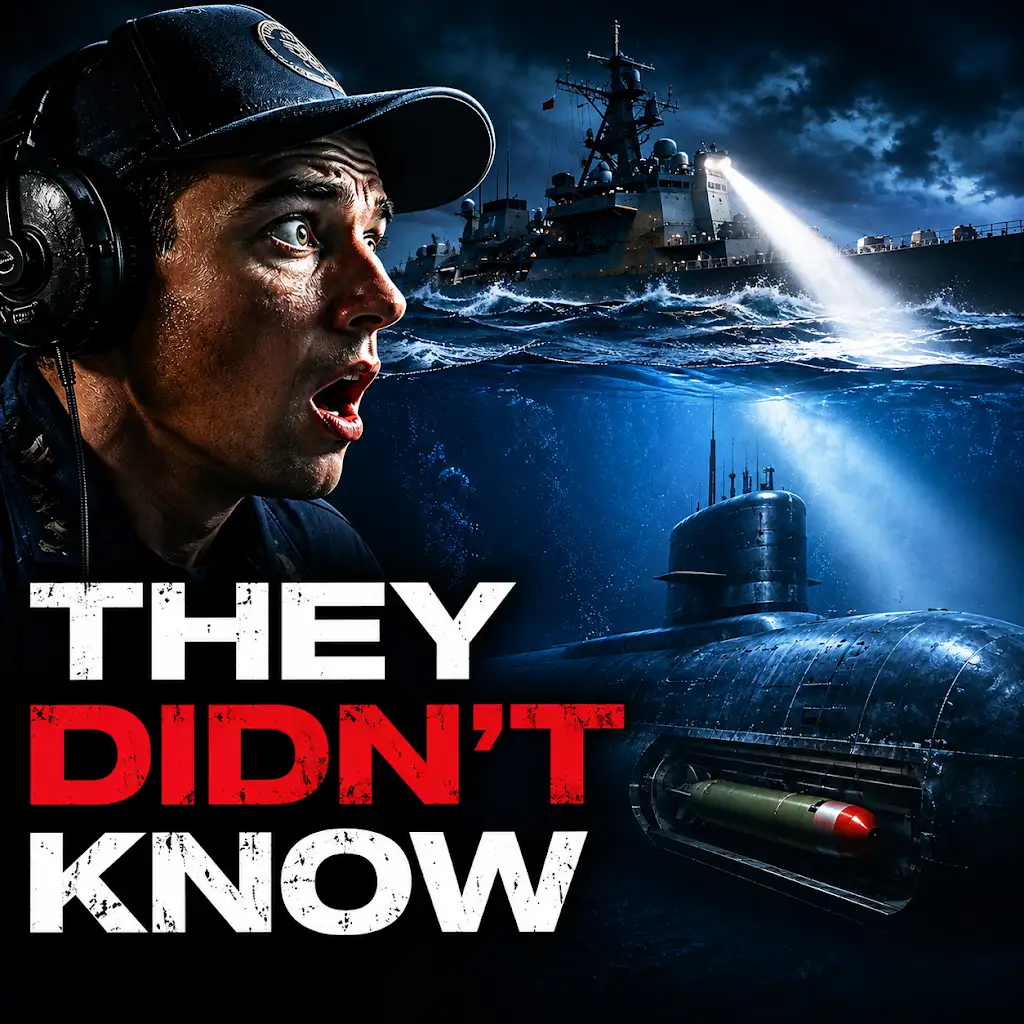
The U.S. Navy Didn’t Know This Submarine Had a Nuclear Torpedo
FAQs
What was the Cuban Missile Crisis nuclear torpedo?
The Cuban Missile Crisis nuclear torpedo refers to the Soviet Union’s deployment of nuclear-armed torpedoes in Cuba during the 1962 Cuban Missile Crisis. These torpedoes were intended to defend the Soviet missile sites in Cuba and deter any potential U.S. invasion.
How did the Cuban Missile Crisis nuclear torpedo contribute to the tension between the U.S. and the Soviet Union?
The presence of nuclear-armed torpedoes in Cuba heightened the already tense situation during the Cuban Missile Crisis. It raised the stakes and increased the risk of a nuclear confrontation between the U.S. and the Soviet Union.
Were the Cuban Missile Crisis nuclear torpedoes ever used?
No, the Cuban Missile Crisis nuclear torpedoes were never used. The crisis was ultimately resolved through diplomatic negotiations, and the torpedoes were eventually removed from Cuba as part of the agreement between the U.S. and the Soviet Union.
What was the significance of the Cuban Missile Crisis nuclear torpedo in the broader context of the Cold War?
The Cuban Missile Crisis nuclear torpedo highlighted the extreme tensions and potential for nuclear conflict between the U.S. and the Soviet Union during the Cold War. It also underscored the need for effective communication and diplomacy to prevent such crises from escalating into full-scale nuclear war.
How did the Cuban Missile Crisis nuclear torpedo impact international relations?
The Cuban Missile Crisis nuclear torpedo served as a wake-up call for both the U.S. and the Soviet Union, leading to a renewed focus on arms control and efforts to prevent similar crises in the future. It also influenced the development of policies aimed at reducing the risk of nuclear confrontation.