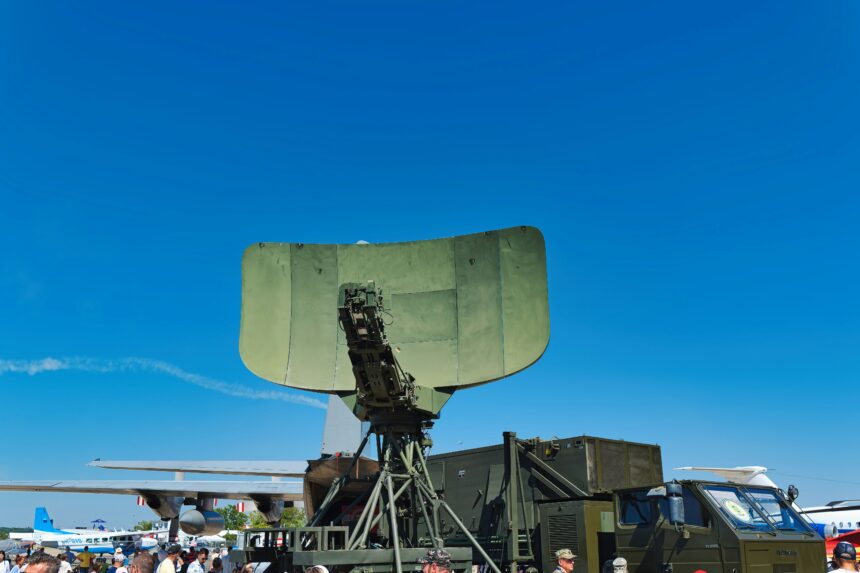
The shadows of the Cold War were not merely geographical divisions or ideological battlegrounds; they were also woven with invisible threads of communication, clandestine networks that hummed with vital intelligence, whispers of dissent, and the strategic maneuvering of nations locked in a prolonged, silent struggle. These were the covert Cold War comms, a testament to human ingenuity and paranoia, where the survival of ideologies and the fate of nations often hinged on a coded message delivered in plain sight, or a silent radio pulse piercing the static.
The seeds of covert communication were sown long before the formal declaration of the Cold War. Espionage has always relied on secrecy, but the escalating ideological conflict between the United States and the Soviet Union, coupled with the advent of new technologies, propelled these methods into a new dimension. The post-World War II landscape was ripe for the development of sophisticated, yet undetectable, means of information exchange. Both sides understood that intelligence was the currency of this new conflict, and the ability to gather and transmit it without detection was paramount.
The Radio Revolution: From Shortwave to Covert Frequencies
Radio waves, once a novelty, became the lifeblood of clandestine operations. Their ability to transcend physical barriers and travel vast distances made them ideal for reaching agents in hostile territories or for disseminating propaganda. The early days saw a reliance on shortwave radio, its familiar crackle a comforting sound to those on both sides of the Iron Curtain.
The Art of the Numbers Station: Whispers on the Airwaves
Perhaps the most iconic, and enduring, form of covert radio communication was the “numbers station.” These enigmatic broadcasts, often featuring a disembodied voice reading strings of numbers, sent chills down the spines of intelligence agencies and radio enthusiasts alike. The theory, widely accepted, was that these numbers were cipher keys or instructions for agents, transmitted to them on seemingly innocuous frequencies. The simplicity of the broadcast belied the complexity of its purpose. For the agents receiving these messages, the numbers held the

The Secret Armies NATO Prepared for a Soviet Invasion
FAQs
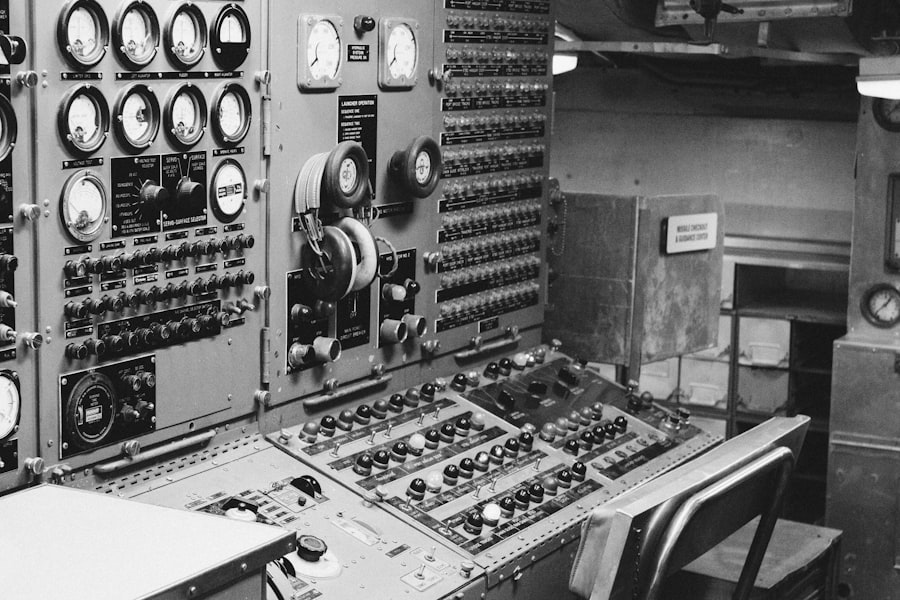
What were the secret Cold War communications networks?
The secret Cold War communications networks were covert systems established by the United States and its allies to communicate securely and secretly during the Cold War era. These networks were designed to prevent interception and eavesdropping by the Soviet Union and other adversaries.
How were the secret Cold War communications networks established?
The secret Cold War communications networks were established using advanced encryption technologies, secure radio transmissions, and underground or underwater cables. These networks were often hidden in plain sight, disguised as ordinary civilian or commercial communication systems to avoid detection.
What was the purpose of the secret Cold War communications networks?
The purpose of these networks was to ensure secure and reliable communication between military and government officials, intelligence agencies, and diplomatic missions during the Cold War. They were crucial for coordinating strategic and tactical operations, sharing classified information, and maintaining diplomatic relations without the risk of interception or sabotage.
How were the secret Cold War communications networks kept hidden?
To keep the existence of these networks hidden, they were often operated under the guise of legitimate civilian or commercial communication systems. Additionally, strict security protocols, compartmentalization of information, and limited access were enforced to prevent leaks and maintain secrecy.
What is the legacy of the secret Cold War communications networks?
The legacy of these networks includes advancements in encryption and communication technologies, as well as the development of secure and resilient communication infrastructures. The lessons learned from these networks continue to inform modern efforts to secure communication systems against espionage and cyber threats.