CPA Order 17 Contractors in Iraq: Compliance and Challenges
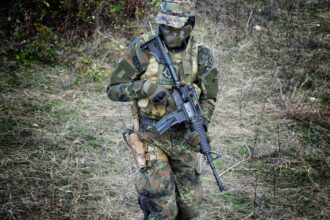
The Coalition Provisional Authority (CPA) Order 17, enacted in June 2004, represented a pivotal legal framework governing the operations of private security contractors (PSCs) in post-invasion Iraq. Its emergence was a direct response to the escalating need for security services to protect vital infrastructure, aid organizations, and Coalition forces in a volatile environment. The order aimed to establish a semblance of accountability and control over these often heavily armed individuals and entities operating outside the traditional military chain of command. However, the practical implementation of CPA Order 17 proved to be a complex and fraught endeavor, characterized by persistent challenges in ensuring compliance and navigating a labyrinth of legal, operational, and ethical considerations. This article delves into the intricacies of CPA Order 17, examining its intended purpose, the mechanisms for compliance, and the myriad challenges that ultimately defined its legacy.
The deployment of private security contractors in Iraq surged following the 2003 invasion, a phenomenon driven by the rapid deterioration of security and the limited capacity of Coalition forces to provide comprehensive protection across the vast and turbulent landscape. Initially, a legal vacuum existed, creating a fertile ground for concerns regarding accountability, use of force, and operational oversight. The CPA, tasked with governing Iraq during the transition, recognized the urgent need to codify the status and responsibilities of these contractors.
The Security Vacuum and the Rise of PSCs
- Post-Invasion Instability: The collapse of the Ba’athist regime led to widespread lawlessness, insurgency, and sectarian violence. The absence of a robust Iraqi security apparatus created a significant void that PSCs were contracted to fill.
- Diverse Roles of Contractors: PSCs were employed in a wide array of functions, ranging from guarding diplomatic missions and reconstruction projects to providing close protection for government officials and facilitating logistical movements. Their presence was deemed essential for the continuation of vital operations.
- Lack of Pre-existing Legal Framework: Prior to CPA Order 17, the legal standing of PSCs operating in Iraq was ambiguous. This lack of clear regulation led to difficulties in prosecution for alleged offenses and raised questions about the jurisdiction under which they fell.
Establishing a Framework for Accountability
CPA Order 17 was envisioned as a crucial step towards rectifying the legal ambiguity and establishing a framework for accountability. It sought to bring order to a sector that had grown rapidly and operated with considerable autonomy.
- Licensing and Registration: A core component of the order was the requirement for all PSCs operating in Iraq to be licensed and registered with the CPA. This process was intended to vet companies and individuals, ensuring they met certain standards of professionalism and operational capacity.
- Rules of Engagement (ROE) and Use of Force: The order attempted to define the parameters within which PSCs could employ force. While not always as detailed or prescriptive as military ROE, it aimed to prevent indiscriminate violence and ensure that the use of force was proportionate and justified.
- Jurisdictional Clarity: CPA Order 17 also sought to address jurisdictional issues, attempting to clarify which legal system would govern the actions of contractors. This was a particularly contentious area, given the multinational nature of the contractor workforce and the varying legal statuses of individuals involved.
In exploring the implications of CPA Order 17 for contractors operating in Iraq, it is essential to consider the broader context of legal protections and responsibilities that these contractors face. A related article that delves into this topic can be found at this link, which discusses the challenges and legal frameworks that govern contractor operations in conflict zones. This article provides valuable insights into the complexities surrounding CPA Order 17 and its impact on contractor accountability and liability in Iraq.
Mechanisms for Compliance with CPA Order 17
The CPA Order 17 laid out a series of mechanisms designed to ensure that contractors adhered to its provisions. These mechanisms were multifaceted, encompassing regulatory oversight, operational guidelines, and accountability measures. The success or failure of CPA Order 17 was, to a large extent, contingent on the effectiveness of these compliance measures.
Licensing and Vetting Procedures
The initial gatekeeping function was the licensing and vetting process. This was intended to ensure that only reputable and capable companies were permitted to operate in Iraq.
- Application and Approval Process: Companies were required to submit detailed applications, including information about their corporate structure, personnel, security plans, and insurance coverage. The CPA’s Ministry of Interior was responsible for reviewing these applications and granting licenses.
- Background Checks: The vetting process aimed to include background checks on key personnel, though the depth and efficacy of these checks varied significantly, especially in the early stages.
- Types of Licenses: Different types of licenses were issued, reflecting the varied nature of security services provided. This aimed to categorize and regulate specific operational activities.
Operational Directives and Reporting Requirements
Beyond initial licensing, the order stipulated ongoing operational requirements and reporting obligations for contractors.
- Adherence to Rules of Engagement: Contractors were expected to operate within the established Rules of Engagement, which outlined permissible actions in various scenarios, particularly concerning the use of force.
- Incident Reporting: CPA Order 17 mandated the reporting of all significant incidents involving contractors, including those involving the use of force, casualties, or property damage. This was intended to provide a record of contractor activities and facilitate investigations.
- Security Plans and Risk Assessments: Companies were required to develop and maintain comprehensive security plans and conduct regular risk assessments of their operations, demonstrating a proactive approach to security management.
Disciplinary and Enforcement Measures
The order also included provisions for disciplinary action and enforcement in cases of non-compliance.
- Fines and Penalties: The CPA had the authority to impose fines and other penalties on contractors for violations of CPA Order 17.
- License Revocation: In cases of serious or repeated violations, licenses could be revoked, effectively barring companies from operating in Iraq.
- Referral for Prosecution: For criminal offenses, the order envisioned the referral of cases to the appropriate judicial authorities, although the practical application of this proved challenging.
Challenges in Ensuring Contractor Compliance

Despite the mechanisms put in place, CPA Order 17 faced a multitude of significant challenges in achieving consistent and effective contractor compliance. These challenges were rooted in the operational environment, the nature of the contracting industry, and the inherent limitations of the CPA’s authority and capacity.
The Dynamic and Dangerous Operational Environment
The sheer volatility and unpredictability of Iraq in the post-invasion period presented a formidable obstacle to uniform compliance.
- Constant Threat of Violence: The pervasive threat of insurgent attacks, bombings, and kidnappings meant that contractors often operated under extreme pressure, making adherence to strict protocols difficult and sometimes seemingly impractical in life-or-death situations.
- Limited Reach of Authority: The CPA’s authority, while present, was often challenged by the decentralized nature of the insurgency and the sheer scale of operations. Enforcing regulations in remote or contested areas proved to be an immense undertaking.
- Rapidly Evolving Tactics: Insurgent tactics evolved rapidly, forcing contractors to adapt their responses, sometimes leading to actions that might have pushed the boundaries of established guidelines in the heat of the moment.
Issues with Vetting and Oversight
The effectiveness of the licensing and vetting processes, as well as the ongoing oversight, was hampered by several critical issues.
- Inadequate Resources and Capacity: The CPA, a nascent administrative body, often lacked the human and financial resources necessary for thorough and continuous vetting and oversight of the large and growing number of contractors.
- Corruption and Bribery: Allegations of corruption and bribery within the licensing and oversight mechanisms were not uncommon, potentially undermining the integrity of the process and allowing unqualified entities to operate.
- Lack of Interoperability with Existing Systems: Integrating contractor operations and compliance with existing military and civilian oversight structures proved difficult, leading to fragmented information and potential gaps in accountability.
Cultural and Jurisdictional Ambiguities
Navigating the complexities of operating in a foreign land with a multinational workforce created further compliance hurdles.
- Cultural Differences in Law Enforcement: Understanding and adhering to Iraqi laws and cultural norms, in addition to CPA directives, posed a challenge for contractors from diverse national backgrounds.
- Jurisdictional Gray Areas: Determining which legal system applied to specific incidents involving contractors – Iraqi law, the law of the contractor’s home country, or some form of Coalition military justice – remained a persistent source of confusion and legal wrangling.
- Limited Prosecutorial Power: Even when violations were identified, the CPA often faced difficulties in prosecuting contractors for offenses, particularly those committed by individuals from countries that asserted their own jurisdiction.
Notable Incidents and their Impact on Compliance
Several high-profile incidents involving private security contractors profoundly impacted the perception of CPA Order 17 and the broader debate around contractor accountability. These events served as stark reminders of the inherent risks and the challenges of regulating armed actors in a conflict zone.
The Nisour Square Massacre (September 16, 2007)
Arguably the most infamous incident, the Nisour Square massacre, orchestrated by Blackwater Worldwide personnel, resulted in the deaths of 17 Iraqi civilians and the wounding of many more. This event brought intense international scrutiny to the role and conduct of PSCs.
- Triggering Event: The incident occurred when Blackwater guards opened fire in a crowded Baghdad intersection. The circumstances surrounding the initial engagement and the subsequent escalation of force were heavily debated.
- Legal Ramifications: The massacre led to criminal charges against some Blackwater employees, with convictions eventually being secured in the United States, highlighting the long and arduous legal battles involved in holding contractors accountable.
- Public Outcry and Political Pressure: The incident ignited widespread outrage among Iraqis and fueled international calls for stricter regulation and accountability of private security contractors. It severely damaged the reputation of PSCs and the perception of the Coalition’s oversight.
Other Significant Incidents
Beyond Nisour Square, numerous other incidents, though perhaps less publicized, contributed to the ongoing challenges of compliance and accountability.
- Allegations of Abuse and Misconduct: Reports of mistreatment of detainees, excessive force, and other forms of misconduct by contractors were not isolated occurrences and eroded trust and goodwill.
- Collateral Damage and Property Destruction: Incidents involving contractors inadvertently causing civilian casualties or significant property damage were a recurring concern, leading to grievances and further complicating security efforts.
- Contractor-on-Contractor Violence: While rare, instances of conflict or altercations between different contractor groups also occurred, underscoring the potential for internal security issues within the contractor ecosystem.
The complexities surrounding CPA Order 17 and its implications for contractors in Iraq have been extensively discussed in various articles. One such insightful piece can be found at In the War Room, where the author delves into the legal frameworks and operational challenges faced by contractors operating under this order. Understanding these dynamics is crucial for anyone involved in reconstruction efforts in post-war Iraq.
The Legacy and Evolution of Contractor Oversight Post-CPA
| Contractor Name | Location | Number of Orders | Total Cost |
|---|---|---|---|
| ABC Construction | Iraq | 10 | 500,000 |
| XYZ Engineering | Iraq | 7 | 300,000 |
| 123 Builders | Iraq | 5 | 250,000 |
The era of CPA Order 17 eventually concluded with the dissolution of the CPA itself. However, the challenges and lessons learned during its tenure had a lasting impact on how private security contractors would be governed and overseen in Iraq and in subsequent conflicts. The need for robust regulation and accountability remained a paramount concern.
Transition to Iraqi Legal Frameworks
As Iraq transitioned to greater self-governance, the responsibility for regulating contractors gradually shifted to Iraqi authorities.
- Development of New Regulations: The Iraqi government, with international support, began to develop its own legal frameworks and licensing bodies for private security companies operating within its borders.
- Challenges in Implementation: The process of establishing and effectively enforcing these new Iraqi regulations was itself a complex undertaking, often hindered by capacity issues, corruption, and the ongoing security challenges within the country.
International Best Practices and Reforms
The experiences in Iraq, including those under CPA Order 17, spurred international efforts to develop best practices and legal reforms for the private security sector.
- Montreux Document: The Montreux Document, initiated by Switzerland and the ICRC, provides a set of non-binding principles and best practices for states regarding the use of private military and security companies.
- Industry Self-Regulation: In response to mounting criticism and the threat of more stringent government regulation, the private security industry itself has engaged in efforts towards self-regulation and the development of industry standards.
- Evolution of Contractor Oversight in Other Conflicts: The lessons learned from Iraq have informed the approach to contractor oversight in subsequent conflicts and stabilization operations globally, emphasizing the importance of clear legal frameworks, rigorous vetting, and robust accountability mechanisms from the outset.
Enduring Debates on Accountability
The fundamental questions surrounding the accountability of private security contractors, raised acutely during the CPA Order 17 period, continue to be debated.
- The “Mercenary” Label and its Implications: The ongoing debate about whether PSCs constitute modern-day mercenaries and the legal implications thereof persists.
- Jurisdictional Challenges in Transnational Operations: The difficulty in applying a single, consistent legal framework to armed actors operating across national borders remains a persistent challenge for international law and governance.
- The Role of PSCs in Modern Warfare: The fundamental question of the appropriate role and limitations of private security contractors in contemporary conflict and security operations continues to be a subject of intense discussion among policymakers, military strategists, and international legal scholars. The legacy of CPA Order 17 serves as a critical historical case study in this ongoing dialogue.

Blackwater Disappeared. America’s Private Army Didn’t.
FAQs
What is CPA Order 17?
CPA Order 17 refers to a regulation issued by the Coalition Provisional Authority in Iraq, which allowed for the hiring of contractors to support the reconstruction efforts in the country.
Who are CPA Order 17 contractors?
CPA Order 17 contractors are individuals or companies hired to provide various services in support of the reconstruction efforts in Iraq, such as construction, logistics, security, and other essential functions.
What are the requirements for becoming a CPA Order 17 contractor?
To become a CPA Order 17 contractor, individuals or companies must meet certain qualifications and adhere to specific guidelines set forth by the Coalition Provisional Authority. These may include security clearances, experience in the relevant field, and compliance with local laws and regulations.
What is the role of CPA Order 17 contractors in Iraq?
The role of CPA Order 17 contractors in Iraq is to provide essential services and support for the reconstruction efforts in the country, including infrastructure development, security, and logistical support.
How are CPA Order 17 contractors regulated?
CPA Order 17 contractors are regulated by the Coalition Provisional Authority and must adhere to the guidelines and regulations set forth in the order. Additionally, they may be subject to oversight by relevant government agencies and international organizations involved in the reconstruction efforts in Iraq.