Commanders Decide Special Forces Missions
Special Forces missions are not born from spontaneous acts of bravery or ad-hoc decisions made in the heat of the moment. Instead, they are the product of meticulous planning, rigorous analysis, and the unwavering authority of commanders. These elite units, operating in the shadows and often facing the most perilous situations, rely on a hierarchical structure where decisions are centralized and executed with precision. The commander, at every level, holds the ultimate responsibility for mission success, troop welfare, and the ethical conduct of operations. This intricate web of command and control ensures that Special Forces operations are not only effective but also aligned with broader strategic objectives and the rules of engagement.
The genesis of any Special Forces mission lies in the overarching strategic goals set by national leadership. These high-level directives, filtered down through the military chain of command, provide the “why” behind the operation. Commanders are then tasked with translating these broad strategic imperatives into actionable objectives for their units. This requires a deep understanding of the operational environment, the adversary, and the political landscape.
Translating Strategy into Action
Senior commanders, often at the theater or component command level, are responsible for identifying opportunities where Special Forces can contribute to the achievement of strategic objectives. This involves a continuous assessment of the global security environment and the specific threats and challenges faced by their area of responsibility. They must discern which problems are best addressed by the unique capabilities of Special Forces, such as direct action, special reconnaissance, counter-terrorism, or foreign internal defense.
The Crucial Role of Commander’s Intent
Once a need for a Special Forces operation is identified, the commander articulates their “Commander’s Intent.” This is a clear and concise statement of the desired end-state and the purpose of the operation. It goes beyond a simple list of tasks, explaining why the mission is being undertaken and what success will look like. Commander’s Intent is critical because it empowers subordinate leaders to adapt to unforeseen circumstances without losing sight of the mission’s ultimate goals. Even if communication lines are severed or the situation changes drastically, the subordinate leader, armed with a thorough understanding of the Commander’s Intent, can make informed decisions that remain aligned with the overall objective.
Clarity and Adaptability
The clarity of Commander’s Intent is paramount. It must be unambiguous, leaving no room for misinterpretation. Simultaneously, it must be flexible enough to allow for initiative and adaptation. Special Forces operations often unfold in complex and dynamic environments where plans can quickly become obsolete. A well-defined Commander’s Intent provides the necessary framework for subordinate commanders to exercise their own judgment and make critical decisions on the ground, ensuring that the mission remains on track even when faced with unexpected challenges.
Communicating the Vision
Effective communication of Commander’s Intent is a cornerstone of successful command. Commanders must not only articulate their intent but also ensure that it is understood at all levels of their command. This involves regular briefings, open dialogue, and a culture that encourages questions and clarification. The objective is to imbue every member of the Special Forces unit with a shared understanding of the mission’s purpose and their role in achieving it.
In the complex world of military operations, the decision of which special forces unit is assigned to a particular mission often involves a multitude of factors, including the unit’s expertise, availability, and the specific requirements of the operation. For a deeper understanding of this intricate decision-making process, you can read the related article that explores the criteria and considerations involved in these assignments. For more information, visit this article.
The Crucible of Planning: Intelligence, Reconnaissance, and Mission Analysis
Before a commander can authorize a Special Forces mission, an exhaustive planning process takes place. This process is heavily reliant on intelligence, continuous reconnaissance, and a thorough mission analysis. Commanders must have a comprehensive understanding of the operational environment, the enemy, and the potential risks and rewards.
Intelligence as the Bedrock
Accurate and timely intelligence is the lifeblood of Special Forces operations. Commanders rely on intelligence agencies and their own organic reconnaissance assets to gather information on the target, the terrain, the enemy’s capabilities and intentions, and any potential collateral concerns. This intelligence informs every aspect of the mission, from target selection and infiltration methods to exfiltration routes and potential threats.
Sources and Integration
Intelligence comes from a multitude of sources, including human intelligence (HUMINT), signals intelligence (SIGINT), imagery intelligence (IMINT), and open-source intelligence (OSINT). Commanders must be able to integrate information from these diverse sources to form a coherent picture of the operational environment. This involves identifying gaps in intelligence and tasking reconnaissance elements to fill them.
The Dynamic Nature of Intelligence
Intelligence is not static; it is a constantly evolving entity. Commanders must recognize this dynamic nature and ensure that intelligence updates are continuously integrated into the planning process. A mission plan that is based on outdated intelligence is a recipe for disaster. Therefore, continuous intelligence gathering and dissemination are crucial.
Rigorous Mission Analysis
Once intelligence is gathered, commanders and their staff conduct a detailed mission analysis. This systematic process breaks down the problem into its constituent parts, allowing for a thorough assessment of all relevant factors. This includes analyzing the mission statement, the tasks assigned, the constraints, and the potential enemy actions.
Identifying Objectives and Tasks
The mission analysis helps to refine the objectives and break them down into specific, measurable, achievable, relevant, and time-bound (SMART) tasks. These tasks are then assigned to specific teams or individuals within the Special Forces unit. The commander ensures that these tasks are feasible and contribute directly to the overall mission objective.
Risk Assessment and Mitigation
A critical component of mission analysis is the identification and assessment of risks. Commanders must consider all potential risks, including enemy action, environmental hazards, operational failures, and unintended consequences. For each identified risk, mitigation strategies are developed and incorporated into the mission plan. This proactive approach aims to minimize the likelihood and impact of potential failures.
The Power of Reconnaissance
Reconnaissance is not just a prelude to planning; it is an ongoing activity that informs and refines the plan throughout the process. Special Forces units often employ their own reconnaissance teams to gather real-time intelligence on the ground. This can involve clandestine observation, surveillance, and even direct contact with local populations.
Persistent Surveillance
Persistent surveillance allows commanders to monitor enemy activity, identify patterns, and adapt their plans accordingly. This could involve the use of drones, sensors, or human assets to maintain continuous awareness of the operational environment.
Ground-Truth Verification
Reconnaissance teams provide vital ground-truth verification for intelligence gathered from other sources. They can confirm or refute information, identify ambiguities, and provide invaluable insights that are not available through remote sensing alone. This on-the-ground perspective is crucial for commanders making high-stakes decisions.
The Commander’s Decision: Weighing Options and Authorizing Action
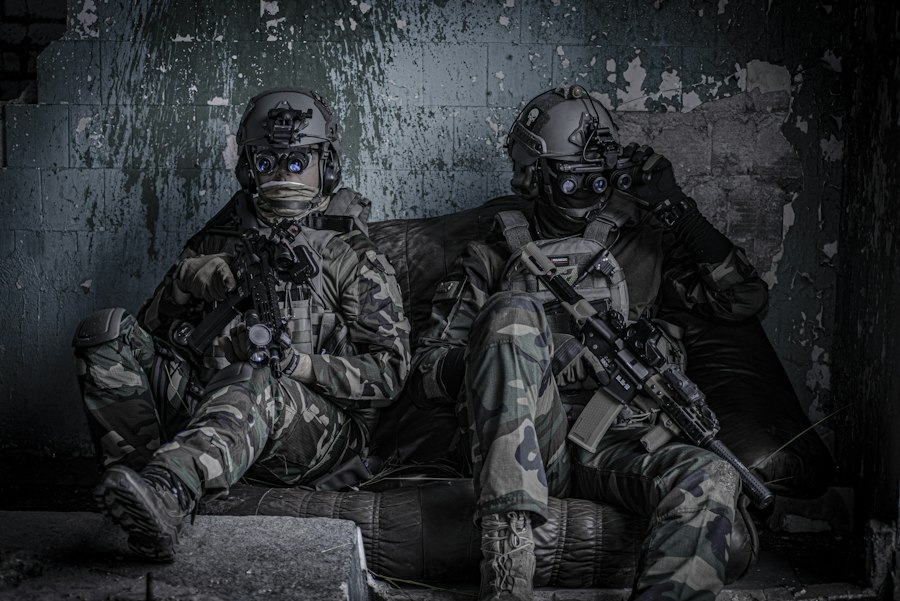
The ultimate decision to launch a Special Forces mission rests with the commander. This is a solemn responsibility that involves weighing various options, considering the associated risks and rewards, and making a judgment call that can have significant consequences. The commander must have confidence in the plan and the ability of their unit to execute it.
Evaluating Mission Options
Often, there are multiple ways to achieve a given objective. Commanders must evaluate these different options, considering their respective advantages and disadvantages. This involves assessing the feasibility, risks, resource requirements, and potential impact of each option. Factors such as the time available, the intelligence picture, and the capabilities of the available forces all play a role in this evaluation.
The Art of Trade-offs
The decision-making process often involves difficult trade-offs. For instance, a high-risk, high-reward option might be considered if other, less risky options are deemed unlikely to achieve the desired outcome within the given constraints. Commanders must be adept at understanding these trade-offs and making choices that best serve the overall mission.
Seeking Expert Advice
While the final decision rests with the commander, they are not expected to operate in a vacuum. Commanders actively seek advice and input from their staff, subordinate leaders, and intelligence specialists. This collaborative approach ensures that all relevant perspectives are considered before a decision is made.
The Go/No-Go Decision
The “go/no-go” decision is a critical juncture. After extensive planning and analysis, the commander must decide whether to commit their forces to the mission. This decision is based on a confluence of factors: the confidence in the plan, the quality of the intelligence, the perceived likelihood of success, and the acceptable level of risk.
Conditions for Approval
A commander will only authorize a mission if they are confident that the plan is sound, the risks are acceptable and mitigated, and the unit has the necessary resources and capabilities to execute it. If any of these conditions are not met, the commander may delay or cancel the mission, or order further planning and reconnaissance.
The Weight of Responsibility
The weight of this decision cannot be overstated. The commander’s “yes” means that lives will be placed in harm’s way. Their “no” means that a potential opportunity to achieve a strategic objective might be lost. This profound responsibility is a constant consideration for any commander authorizing a Special Forces operation.
Contingency Planning and Flexibility
Even with the most robust planning, unforeseen events can occur. Commanders must build flexibility and contingency plans into every mission. This ensures that if the initial plan encounters obstacles, the unit has alternative courses of action to pursue.
Adapting to the Unexpected
Special Forces operate in environments where chaos can be the norm. Commanders must anticipate this and ensure that their units are trained and prepared to adapt to unexpected situations. This includes having pre-briefed alternate objectives, escape routes, and communication protocols.
Empowering Subordinate Initiative
While the commander makes the ultimate decision, they also empower their subordinate leaders to exercise initiative within the established Commander’s Intent. This allows for decentralized decision-making at the tactical level, enabling units to respond effectively to rapidly changing circumstances without needing to await direct orders for every deviation.
Mission Execution: The Commander’s Oversight and Control

Once a Special Forces mission is authorized, the commander’s role shifts from planning and decision-making to oversight and control. While the direct execution of tasks falls to the operators, the commander remains actively involved, monitoring progress, providing support, and making critical adjustments as needed.
Real-Time Monitoring and Communication
During the execution of a mission, commanders maintain constant communication with their deployed elements. This allows for real-time monitoring of their progress, identification of any emerging challenges, and the provision of timely guidance and support. Effective communication systems are vital for this constant oversight.
Maintaining Situational Awareness
The commander must maintain a comprehensive understanding of the “situational awareness” – the awareness of everything that is happening around them, including the status of their own forces, the enemy, and the environment. This allows them to anticipate problems and react proactively.
Information Flow and Dissemination
Ensuring a smooth and efficient flow of information is paramount. Intelligence updates from the field must be rapidly disseminated to the commander and relevant staff, while the commander’s instructions and guidance must be clearly communicated back to the deployed units.
Adjusting Plans and Re-tasking
No mission plan survives contact with the enemy or the realities of the operational environment perfectly. Commanders must be prepared to adjust plans on the fly based on new intelligence, unforeseen obstacles, or changes in the enemy’s disposition. This may involve re-tasking elements, altering objectives, or even aborting the mission if the situation becomes untenable.
Decision-Making Under Pressure
The commander’s ability to make sound decisions under pressure is a defining characteristic of effective leadership. The information available may be incomplete, and the consequences of a wrong decision can be severe. This requires immense discipline, experience, and a deep understanding of the mission’s objectives.
The Authority to Pivot
The commander holds the authority to pivot the mission’s direction. This could involve shifting from a direct action objective to a reconnaissance mission if the target proves too heavily defended, or redirecting forces to exploit an unexpected opportunity.
Providing Support and Resources
The commander is responsible for ensuring that their deployed units have the necessary support and resources to accomplish their mission. This can include logistical support, air support, medical evacuation, and reinforcement if required.
Resource Allocation
The commander must continually assess resource allocation. If a deployed element is facing unexpected difficulties, the commander may need to reallocate resources from other less critical areas or request additional support from higher echelons.
Moral and Psychological Support
Beyond material support, the commander’s presence and guidance can provide crucial moral and psychological support to their operators. Knowing that their commander is actively involved and committed to their success can significantly boost morale and operational effectiveness.
In the complex world of military operations, the decision regarding which special forces unit is assigned a specific mission often involves a multitude of factors, including the unit’s expertise and the nature of the task at hand. For a deeper understanding of the intricacies behind these decisions, you can explore a related article that delves into the strategic considerations and command structures involved in such assignments. This insightful piece can be found at In The War Room, where it discusses the roles of various military branches and the criteria that influence mission allocation.
Post-Mission Analysis: Learning, Evolution, and Accountability
| Decision Factor | Description | Responsible Authority | Example Metric |
|---|---|---|---|
| Mission Type | Nature of the mission such as reconnaissance, direct action, or counter-terrorism | Joint Special Operations Command (JSOC) / Military Command | Percentage of missions assigned by type (e.g., 40% direct action) |
| Unit Specialization | Specific skills and capabilities of the unit (e.g., airborne, maritime, language skills) | Special Operations Command (SOCOM) / Unit Commanders | Number of missions assigned based on specialization |
| Geographic Location | Proximity of the unit to the mission area or regional expertise | Regional Combatant Commanders | Percentage of missions assigned by region |
| Unit Readiness | Current operational readiness and availability of the unit | Unit Commanders / SOCOM | Readiness rating (e.g., 85% ready) |
| Political Considerations | Government or allied nation preferences and diplomatic factors | National Security Council / Department of Defense | Number of missions influenced by political directives |
| Previous Experience | Past success and familiarity with similar missions | Unit Commanders / JSOC | Success rate (%) in similar past missions |
The commander’s responsibility does not end when the mission is complete. A thorough post-mission analysis is crucial for extracting lessons learned, refining future operations, and ensuring accountability. This process allows Special Forces to continuously improve their effectiveness and adapt to the evolving nature of warfare.
Debriefing and After-Action Reviews
Immediately following a mission, comprehensive debriefings and after-action reviews (AARs) are conducted. These sessions involve detailed discussions with the operators to gather their perspectives on what went well, what could have been improved, and any challenges encountered.
Capturing Tactical Insights
Tactical insights gained during the mission, such as new enemy tactics, effective operational techniques, or unforeseen environmental factors, are meticulously documented. These insights form the basis for future planning and training.
Identifying Trends and Patterns
By analyzing multiple mission debriefs, commanders can identify broader trends and patterns in enemy activity, operational effectiveness, and logistical challenges. This information is invaluable for strategic decision-making and resource allocation.
Lessons Learned and Doctrine Development
The lessons learned from Special Forces missions are critical for the development and refinement of military doctrine. Commanders play a key role in disseminating these lessons throughout the force, ensuring that best practices are adopted and that common mistakes are avoided in the future.
Adapting to Evolving Threats
The nature of threats is constantly changing. The insights gained from post-mission analysis allow Special Forces to adapt their tactics, techniques, and procedures (TTPs) to counter new and emerging threats effectively.
Improving Training Regimens
The analysis of mission performance directly informs the development of more realistic and effective training regimens. If certain skills proved lacking or certain scenarios were not adequately prepared for, training can be adjusted accordingly.
Accountability and Ethical Considerations
Commanders are ultimately accountable for the actions of their units. The post-mission analysis includes a thorough review of adherence to the rules of engagement, ethical conduct, and any instances of misconduct.
Upholding the Standard
Special Forces operate under strict ethical guidelines and the laws of armed conflict. Commanders ensure that these standards are upheld at all times and that any violations are investigated and addressed appropriately.
Ensuring Justice and Fairness
In cases where civilian casualties or unintended harm occur, the commander ensures that thorough investigations are conducted to determine responsibility and to provide appropriate remedies. This commitment to accountability is essential for maintaining the legitimacy and public trust in Special Forces operations.
In conclusion, the decision to conduct a Special Forces mission is a complex and multi-faceted process that lies squarely with the commander. From the initial strategic vision to the final post-mission analysis, commanders are the linchpins of Special Forces operations. Their strategic acumen, analytical rigor, decisive judgment, and unwavering commitment to their troops and the mission’s objectives are what enable these elite units to operate effectively in the world’s most challenging environments. The commander decides, and in their decisions lie the success or failure of missions that often shape the course of global events.
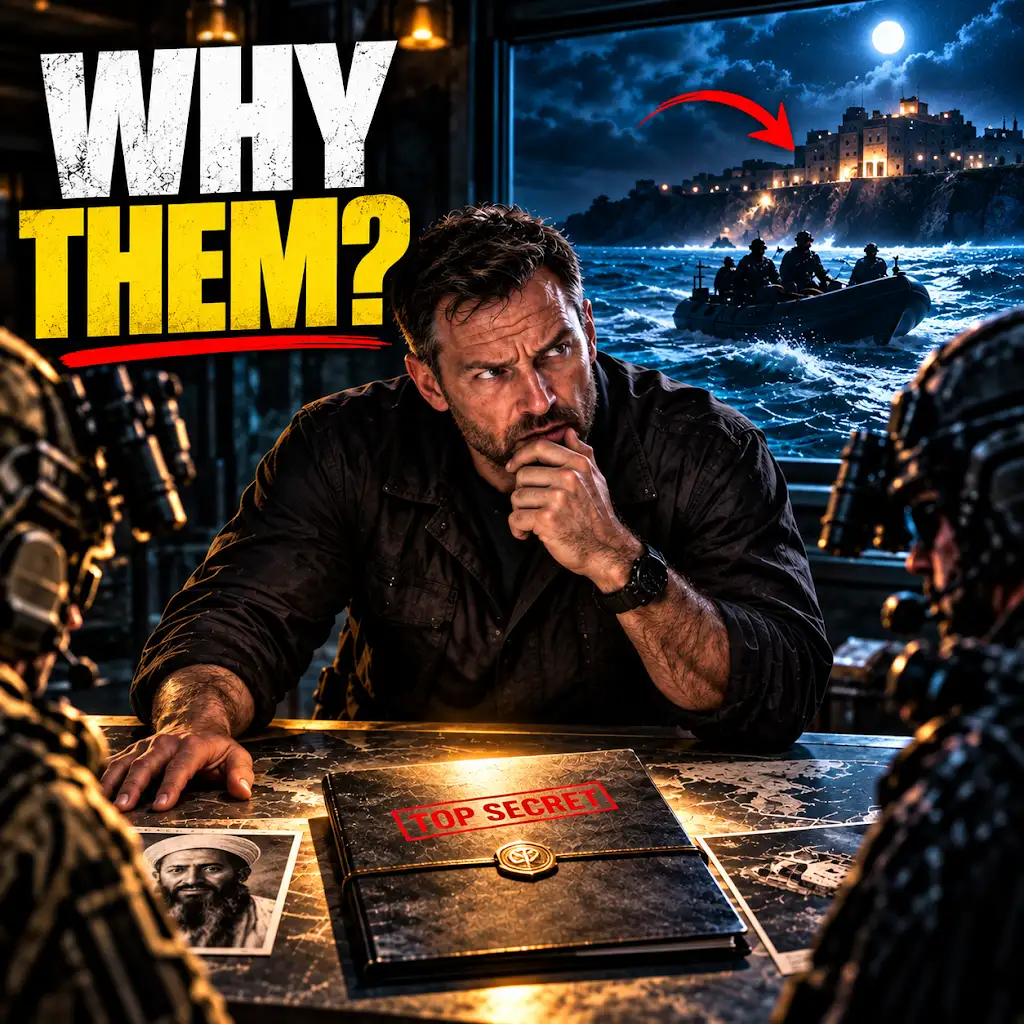
Why SEAL Team Six Got the Bin Laden Raid — Not Delta Force
FAQs
1. Who ultimately decides which special forces unit gets a mission?
The decision on which special forces unit gets a mission is typically made by higher-ranking military officials, such as commanders or leaders within the military chain of command.
2. What factors are considered when determining which special forces unit is assigned a mission?
Factors that are considered when determining which special forces unit is assigned a mission include the specific skills and capabilities of the unit, the nature of the mission, the location of the mission, and the availability of the unit.
3. Are there specific protocols or procedures in place for selecting a special forces unit for a mission?
Yes, there are specific protocols and procedures in place for selecting a special forces unit for a mission. These protocols often involve assessing the mission requirements, evaluating the capabilities of different units, and selecting the unit that is best suited for the task.
4. Can special forces units volunteer for missions or are they assigned missions without their input?
Special forces units can sometimes volunteer for missions, especially if they believe their skills and capabilities align with the mission requirements. However, in many cases, missions are assigned to units based on the decision of higher-ranking military officials.
5. How do special forces units prepare for missions once they have been assigned one?
Once a special forces unit has been assigned a mission, they typically undergo extensive training and preparation to ensure they are ready to carry out the mission successfully. This may involve specialized training, rehearsals, intelligence gathering, and equipment preparation.