Echoes of Tension: Unveiling the Naval Crucible of the Cold War
The Cold War, a protracted era of ideological and geopolitical standoff, was far from a silent conflict. Beneath the surface of diplomatic pronouncements and proxy wars, a constant, often unspoken, naval struggle unfolded. This struggle was not merely about projecting power or maintaining supply lines; it was a delicate dance on the edge of oblivion, a series of incidents where miscalculation or an unexpected encounter could have ignited a global conflagration. A revealing documentary exploration of these Cold War naval incidents offers a compelling insight into the immense pressures faced by those at the helm of these mighty, yet vulnerable, vessels, and the chilling proximity to catastrophe that defined much of this period. Such a documentary would delve into the classified reports, the personal testimonies of sailors and officers, and the historical context that shaped these tense encounters, shedding light on a lesser-understood yet critical facet of the 20th century’s defining global rivalry.
The vast expanse of the oceans served as both a theater of operations and a buffer zone during the Cold War. The United States Navy and the Soviet Navy, the two titans of this maritime standoff, constantly patrolled each other’s peripheries, engaging in a sophisticated game of surveillance, interdiction, and deterrence. Submarines, the silent hunters of the deep, operated in a world of perpetual shadow, their presence often only revealed by the faintest sonar pings or the accidental brush of a hull. Surface fleets, equally formidable, engaged in close encounters, their massive hulls navigating treacherous waters in a constant test of nerve and adherence to protocols. The documentary’s strength would lie in its ability to humanize these events, moving beyond dry strategic analysis to explore the lived experiences of the men who served on these ships, the psychological toll of constant alert, and the profound responsibility that rested on their shoulders. It would paint a vivid picture of a world where the next radar blip could signal an irreversible escalation, a world where the fate of nations often hinged on the calm judgment of a watch officer miles from any shore.
In exploring the complexities of Cold War naval incidents, one can gain further insights by reading the related article available at this link. This article delves into the strategic maneuvers and confrontations that characterized naval operations during this tense period, providing a comprehensive backdrop to the documentary. Understanding these incidents not only highlights the military tactics employed but also sheds light on the political ramifications that shaped international relations during the Cold War.
The Shadows Beneath the Waves: Submarine Encounters
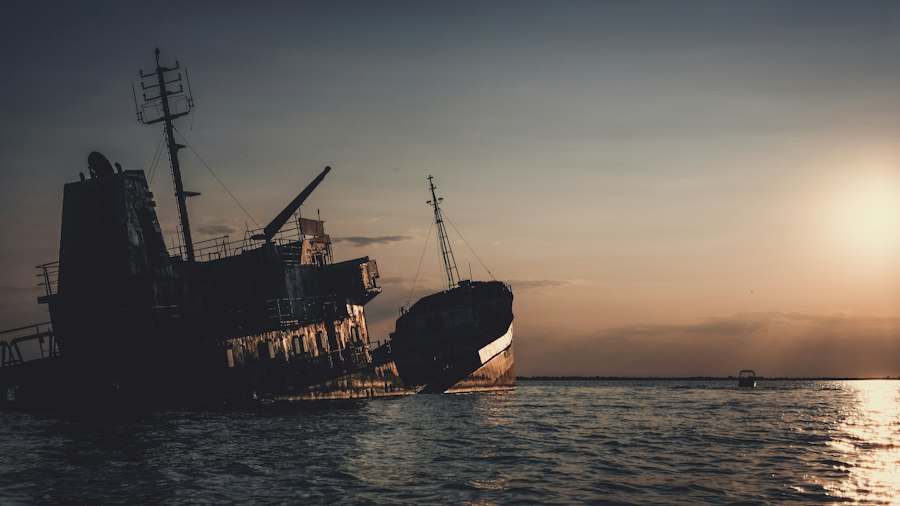
The documentary would dedicate significant attention to the clandestine world of submarine warfare, a realm where tension was perpetually high and the stakes immeasurably grave. Submarines, by their very nature, were instruments of stealth, designed to operate unseen and strike with devastating effect. This inherent secrecy fostered an environment of extreme caution, but also of heightened risk. The documentary would likely begin by establishing the strategic importance of submarines for both superpowers. For the United States, they represented a crucial element of its nuclear deterrent, capable of launching retaliatory strikes even after a devastating first blow. For the Soviet Union, submarines were a means to counter American naval supremacy, disrupt Western supply lines, and project power globally.
The Art of the Close Encounter: Espionage and Surveillance
A central theme within the submarine section would be the pervasive nature of espionage and surveillance. Both navies employed submarines not only for offensive capabilities but also as sophisticated intelligence-gathering platforms. The documentary would likely showcase examples of submarines shadowing enemy task forces, gathering electronic intelligence, and even observing naval exercises from unnervingly close quarters. It would explore the advanced technology employed, from passive sonar systems capable of detecting the faintest sounds to the daring maneuvers undertaken to remain undetected. Personal accounts from former submariners would be crucial here, describing the agonizing silences broken only by the hum of machinery and the ever-present tension of potentially being detected. The psychological impact of prolonged patrols, confined spaces, and the constant awareness of the enemy’s presence would be powerfully conveyed. One could imagine segments detailing the “cat and mouse” games played in the North Atlantic, where American hunter-killer submarines meticulously tracked Soviet ballistic missile submarines, or vice versa, creating a delicate balance of power where a single mistake could have catastrophic consequences.
Near Misses and Accidental Collisions: The Brink of Disaster
Perhaps the most gripping aspects of the submarine narrative would be the accounts of near misses and accidental collisions. The documentary would likely highlight specific incidents where submarines from opposing navies came perilously close to one another, often in the darkness of the ocean depths. These encounters were fraught with danger, as the slightest miscalculation in speed, course, or depth could result in a catastrophic collision. The documentary might detail the harrowing experience of a submarine commander who realized, perhaps through sonar or a sudden visual sighting, that an enemy submarine was on a collision course. The agonizing seconds of maneuvering, the frantic communication with the bridge, and the sheer relief of narrowly avoiding disaster would form the emotional core of these segments. Examples could include instances where submarines surfaced unexpectedly in the path of another, or where sonar readings indicated an imminent impact. The documentary would emphasize the unwritten rules and strict protocols that governed these encounters, designed to de-escalate tension and avoid accidental war, but also acknowledging how easily these fragile agreements could be tested. The human cost of such an event would be underscored – the loss of life, the potential for nuclear escalation if ballistic missile submarines were involved, and the diplomatic fallout.
The Surface Standoff: Encounters on the Open Sea
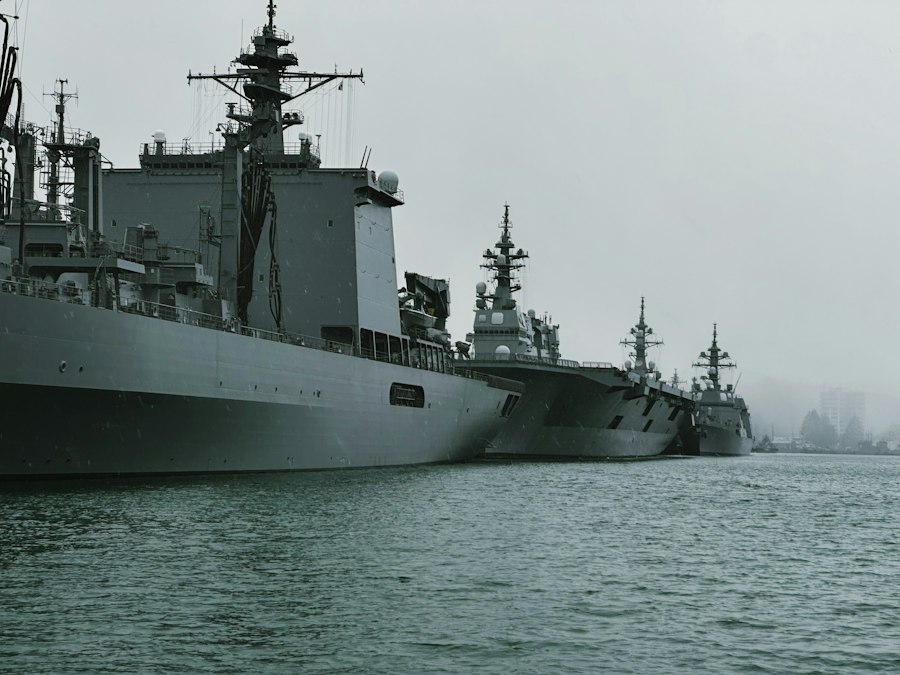
While submarines operated in the silent depths, the surface fleets of the Cold War navies were also engaged in a constant, and often visible, rivalry. This section of the documentary would shift focus to the majestic, yet menacing, warships that patrolled the world’s oceans, their immense power a constant reminder of the geopolitical stakes. The documentary would likely establish the strategic importance of surface fleets for both the US and Soviet navies. For the United States, its carrier strike groups were the ultimate projection of power, capable of delivering air power anywhere in the world. The Soviet Union, while often outmatched in carrier technology, possessed a formidable array of cruisers, destroyers, and submarines, designed to challenge American dominance and defend its vast maritime borders.
The Game of ‘Tiger Meets Tiger’: Close-Proximity Maneuvers
A significant portion of the surface fleet narrative would focus on the phenomenon often referred to as “tiger meets tiger,” or close-proximity encounters between warships. These were not mere chance meetings but deliberate, often provocative, maneuvers designed to assert dominance, gather intelligence, and test the resolve of the opposing navy. The documentary would likely use archival footage and expert analysis to illustrate these tense interactions. Imagine vivid descriptions of Soviet cruisers shadowing American carrier groups, their radar systems meticulously tracking every movement, or American destroyers escorting Soviet vessels through contested waters, their guns trained but their crews on a knife’s edge. The documentary could explore the psychological impact on the crews, the constant vigilance required, and the meticulous adherence to naval courtesies and international maritime law, even in the face of extreme provocation. The risk of escalation was ever-present, as a misjudged maneuver, a misunderstood signal, or an aggressive posture could easily ignite a conflict. Personal testimonies from officers who navigated these tense situations would be invaluable, detailing the calculated risks, the pressure to respond without overreacting, and the constant awareness of the immense destructive power at their fingertips.
The Shadow of the Missile: Naval Engagements and Incidents
The documentary would also delve into specific incidents where naval engagements, or near-engagements, occurred. These events, while not escalating to full-scale war, represented moments of extreme tension and potential catastrophe. The documentary might explore incidents involving naval exercises that spilled over into unintended confrontations, or situations where ships were directly involved in proxy conflicts. For example, the documentary could revisit the numerous encounters in the waters off Vietnam or in the Mediterranean Sea, where Soviet and American warships operated in close proximity, often observing each other’s activities with extreme scrutiny. The documentary might also touch upon instances where naval vessels were involved in intelligence gathering that led to tense standoffs, such as the shadowing of missile test firings or the monitoring of submarine deployments. The fear of accidental engagement, of a missile being launched in error, or of a surface skirmish escalating into something far more dire, would be a palpable undercurrent throughout these narratives. Expert commentary would be crucial to explain the strategic context of these incidents, the military objectives, and the potential consequences that were averted.
The Nuclear Shadow: Deterrence and Escalation Fears
The Cold War naval incidents, while often involving conventional forces, were perpetually overshadowed by the chilling specter of nuclear war. The documentary would dedicate a significant portion to exploring how these naval encounters played into the broader strategy of nuclear deterrence and the ever-present fear of escalation. The vastness of the oceans was a crucial element in the nuclear standoff, providing both a platform for retaliatory strikes and a buffer against surprise attacks.
The Silent Deterrent: Submarines and Missile Patrols
The documentary would likely highlight the vital role of nuclear-armed submarines in the strategies of both the United States and the Soviet Union. These vessels, submerged and largely undetectable, represented the ultimate second-strike capability, ensuring that neither side could launch a decapitating first strike without facing devastating retaliation. The documentary could delve into the operational routines of these submarines, the constant readiness, and the immense psychological burden on the crews who carried the weight of global annihilation. It would explore the concept of “mutually assured destruction” (MAD) and how naval deployments were integral to maintaining this precarious balance. Personal accounts from submariners tasked with this awesome responsibility would offer a unique and chilling perspective on the daily reality of living with nuclear weapons. The documentary might also touch upon the development of early warning systems and the protocols in place to prevent accidental launch, underscoring the thin line between deterrence and disaster.
The Cuban Missile Crisis: A Naval Confrontation at the Brink
Perhaps the most dramatic illustration of naval confrontation and nuclear escalation fears would be the Cuban Missile Crisis of 1962. The documentary would likely dedicate a substantial segment to this pivotal event, showcasing the intense naval blockade imposed by the United States and the tense standoff with Soviet vessels carrying nuclear missiles. Archival footage would be used to depict the armada of American warships encircling Cuba, the tense communications between President Kennedy and Premier Khrushchev, and the terrifying possibility of a direct naval clash that could have triggered a wider nuclear conflict. The documentary would explore the strategic decisions made by both sides, the calculated risks, and the sheer luck that prevented a catastrophic escalation. Personal testimonies from sailors and officers involved in the blockade would offer a visceral account of the fear, uncertainty, and immense pressure of those thirteen days. The documentary would emphasize how this naval confrontation brought the world closer to nuclear war than ever before, and how the lessons learned from this crisis significantly influenced future naval doctrine and crisis management.
In exploring the complexities of Cold War naval incidents, one can gain further insight by reading a related article that delves into the strategic implications of these confrontations. The article provides a comprehensive overview of the various naval engagements that defined this tense period, highlighting how these incidents influenced international relations. For a deeper understanding, you can check out the article at In the War Room, which offers a detailed analysis of the maritime strategies employed during the Cold War.
The Human Element: Courage, Fear, and the Weight of Command
| Incident | Date | Location | Involved Parties | Type of Incident | Casualties | Outcome |
|---|---|---|---|---|---|---|
| USS Pueblo Incident | January 23, 1968 | Sea of Japan | USA vs North Korea | Ship Capture | 0 | Ship and crew captured, later released |
| K-219 Submarine Sinking | October 3, 1986 | Atlantic Ocean | USSR | Submarine Accident | 4 | Submarine sank, partial crew loss |
| USS Liberty Incident | June 8, 1967 | Eastern Mediterranean Sea | USA vs Israel | Attack on Intelligence Ship | 34 | Ship damaged, survivors rescued |
| Black Sea Bumping Incident | February 12, 1988 | Black Sea | USA vs USSR | Naval Confrontation | 0 | Ships collided, diplomatic protest |
| HMS Conqueror Sinking of ARA General Belgrano | May 2, 1982 | South Atlantic | UK vs Argentina | Naval Warfare | 323 | Ship sunk, major loss of life |
Beyond the strategic maneuvers and the shadow of nuclear war, the documentary would strive to uncover the profound human element at the heart of these Cold War naval incidents. The immense pressure placed on individuals, from the lowest-ranking sailor to the highest-ranking admiral, would be a central theme. The documentary would aim to move beyond the sterile language of military reports to explore the personal stories, the psychological toll, and the sheer courage displayed by those who served at sea during this tense period.
A Sailor’s Perspective: Life on the Front Lines
The documentary would likely feature interviews with veterans who served on various naval vessels during the Cold War. These personal testimonies would offer invaluable insights into the daily lives of sailors
A Soviet Submarine Hit a U.S. Frigate. Was It the Wrong Ship?
FAQs
1. What are some notable Cold War naval incidents covered in the documentary?
The documentary covers incidents such as the Cuban Missile Crisis, the USS Pueblo incident, the K-129 submarine disaster, the Gulf of Sidra incident, and the Black Sea bumping incident.
2. How does the documentary explore the impact of these naval incidents on the Cold War?
The documentary delves into how these incidents escalated tensions between the United States and the Soviet Union, leading to moments of crisis and brinkmanship that defined the Cold War era.
3. Are there interviews with veterans or eyewitnesses in the documentary?
Yes, the documentary features interviews with naval veterans, eyewitnesses, historians, and experts who provide firsthand accounts and analysis of the Cold War naval incidents.
4. Does the documentary include archival footage and declassified documents?
Yes, the documentary incorporates archival footage, declassified documents, and reconstructions to provide a comprehensive look at the naval incidents and the political climate of the Cold War.
5. How long is the documentary and where can it be viewed?
The documentary is approximately two hours long and can be viewed on various streaming platforms or purchased as a DVD for those interested in exploring the history of Cold War naval incidents.