The Six-Day War, a conflict etched into the annals of military history, stands as a stark testament to the overwhelming tactical and strategic superiority of the Israeli Air Force (IAF). In a mere six days, from June 5th to June 10th, 1967, the IAF achieved a decisive air supremacy that fundamentally altered the course of the war, crippled enemy capabilities, and became a defining moment in the Arab-Israeli conflict. This remarkable feat was not a stroke of luck but the culmination of meticulous planning, superior training, innovative tactics, and a profound understanding of the evolving nature of air warfare. The IAF’s dominance was so profound that it can be argued it was the single most critical factor in Israel’s swift and comprehensive victory.
The dawn of June 5th, 1967, witnessed a meticulously orchestrated and audacious preemptive strike by the Israeli Air Force, an operation that would forever be known as “Operation Focus” (Moked). This single, decisive act set the stage for the entirety of the Six-Day War, neutralizing the aerial threat posed by Egypt, Syria, and Jordan before they could effectively deploy their own air assets. The timing, execution, and strategic brilliance of this operation underscore the IAF’s sophisticated understanding of warfare and its unwavering commitment to seizing the initiative.
The Strategic Imperative: Neutralizing the Threat
By early 1967, the political climate in the Middle East was exceptionally volatile. Border skirmishes were escalating, rhetoric was inflammatory, and the Arab states, particularly Egypt under Gamal Abdel Nasser, were increasingly vocal about their intent to destroy Israel. Nasser’s mobilization of troops in the Sinai Peninsula and the expulsion of the United Nations Emergency Force (UNEF) from its strategic positions signaled an imminent threat. Israel, a nation with a vastly inferior land army and limited strategic depth, understood that a prolonged conventional war would be untenable. The most critical vulnerability for Israel lay in its air force. If the Arab air forces, significantly larger in terms of aircraft numbers and with Soviet backing, were allowed to launch a coordinated attack, Israel’s ground forces would be exposed to devastating bombing raids, and its civilian population would be under direct threat. Therefore, neutralizing the enemy’s air power was not merely a tactical objective; it was a strategic imperative for Israel’s very survival.
Operation Focus: The Masterstroke of Precision
Operation Focus was a symphony of precision bombing executed with breathtaking speed and accuracy. The plan called for waves of Israeli fighter jets to attack Egyptian airfields in a series of waves throughout the morning. The primary objective was to destroy as many enemy aircraft as possible while they were still on the ground, before they could even take off. The IAF had meticulously gathered intelligence on the layout of every Egyptian airbase, including the location of runways, hangars, and parked aircraft. They knew the flight paths of departing aircraft and the typical dispersal patterns of enemy planes. This detailed knowledge allowed for highly targeted strikes.
The first wave, launched shortly after 7:00 AM, caught the Egyptian air force completely by surprise. Israeli Mirages and Mysteres flew low and fast, their pilots expertly navigating to their targets. They focused on runways, bombing them to prevent aircraft from taking off, and then strafed parked aircraft, setting them ablaze. The success of this first wave was astounding. Within hours, the bulk of the Egyptian Air Force, estimated at over 300 aircraft, was neutralized. This was achieved with minimal Israeli losses, a testament to the skill of the pilots and the effectiveness of the surprise element.
Subsequent waves of Israeli aircraft then targeted Syrian and Jordanian air bases, mirroring the success achieved against the Egyptian air force. The rapid succession of attacks, with minimal downtime for refueling and rearming, ensured that the momentum was maintained and that any remaining enemy aircraft were quickly dealt with. The IAF’s ability to launch multiple sorties from the same airfields, often within minutes of each other, showcased their remarkable logistical capabilities and the endurance of their aircraft and crews.
The Impact of Surprise and Intelligence
The element of surprise was paramount to the success of Operation Focus. The Arab air forces, complacent in their perceived numerical superiority and expecting an Israeli response at a later stage, were caught completely off guard. Israel’s decision to strike first, despite the international implications, was a calculated gamble that paid off handsomely. Furthermore, the IAF’s superior intelligence played a crucial role. Years of espionage, aerial reconnaissance, and human intelligence gathering had provided Israeli planners with an unparalleled understanding of the enemy’s capabilities and dispositions. This intelligence allowed for the precise targeting of critical infrastructure and aircraft, maximizing the destructive impact of each strike. The meticulous planning and execution of Operation Focus fundamentally shifted the balance of power in the air from the outset of the conflict.
The Israeli Air Force played a crucial role during the Six Day War, demonstrating remarkable strategic prowess and operational efficiency. For a deeper understanding of the air operations and their impact on the conflict, you can read a related article that delves into the tactics employed by the Israeli forces and the subsequent outcomes of the war. To explore this topic further, visit this article.
Air Superiority Achieved: The Ground War Transformed
With the Arab air forces effectively neutralized on the first day of the war, the Israeli Air Force achieved an unprecedented level of air superiority. This dominance was not merely a qualitative advantage; it was a complete and overwhelming control of the skies over the battlefield. The impact of this air supremacy on the ground war was profound, providing invaluable support to Israeli ground forces and crippling the offensive capabilities of the opposing Arab armies.
Unimpeded Support for Ground Operations
The primary benefit of air superiority was the ability of the IAF to provide unhindered and continuous support to its ground troops. Israeli tanks and infantry, no longer under the threat of enemy air attack, could advance with greater confidence and speed. IAF aircraft, ranging from fighter-bombers to helicopters, were able to conduct reconnaissance, identify enemy positions, and engage enemy armor and infantry with precision. This direct tactical air support was crucial in breaking through enemy lines and overcoming defensive strongpoints. For example, Israeli Merkava tanks, which were still in their early stages of development and not yet the dominant force they would become, benefited immensely from the protection afforded by friendly air cover, allowing them to operate more aggressively.
Interdiction of Enemy Supply Lines and Communications
Beyond direct battlefield support, the IAF’s air superiority allowed for the effective interdiction of enemy supply lines and communication networks. Israeli aircraft systematically targeted roads, bridges, and railway lines used by the Arab armies to transport troops, equipment, and ammunition. This disruption choked the flow of reinforcements and supplies to the front lines, weakening the enemy’s ability to sustain their operations and launch counter-offensives. Furthermore, vital communication centers and command posts were targeted, sowing confusion and disarray within the Arab military structures. This strategic bombing of logistical nodes played a significant role in the rapid collapse of Arab military coordination.
Psychological Impact and Morale
The overwhelming dominance of the IAF had a significant psychological impact on both sides. For Israeli soldiers, the presence of friendly aircraft overhead provided a sense of security and confidence, bolstering their morale and fighting spirit. Conversely, for the Arab soldiers, the constant threat of air attack, coupled with the visible destruction of their own forces and infrastructure, had a demoralizing effect. The inability to contest the skies meant that any hope of a coordinated counter-attack or effective defense was severely diminished. The psychological weight of knowing that the enemy controlled the skies contributed to the swift disintegration of organized resistance in many sectors.
Technological and Tactical Prowess: The IAF’s Edge
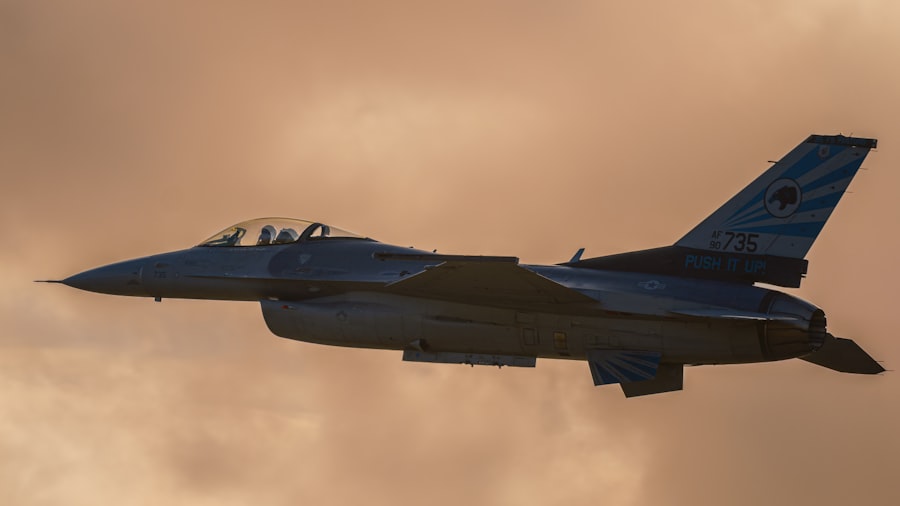
The IAF’s remarkable success in the Six-Day War was not solely a result of overwhelming numbers or surprise. It was also a consequence of superior technology, innovative tactics, and a highly trained and motivated pilot corps. Israel had invested heavily in modern aircraft and the rigorous training of its personnel, creating a formidable fighting force that was arguably a generation ahead of its Arab counterparts.
Superior Aircraft and Weaponry
While the Arab air forces were largely equipped with Soviet-made aircraft, many of which were older models, the IAF had acquired advanced Western aircraft, particularly French-made Mirages. The Dassault Mirage III, with its exceptional speed, maneuverability, and advanced missile capabilities, proved to be a superior dogfighter. Israel also operated Mystère IVs and Super Mystères, which provided a versatile mix of fighter and ground-attack capabilities. The IAF’s effective utilization of air-to-air missiles, such as the Sidewinder, combined with their pilots’ superior gunnery skills, gave them a decisive advantage in aerial engagements. Furthermore, their aircraft were generally better maintained and equipped with more advanced navigation and targeting systems.
Innovative Tactics and Doctrine
Israeli air doctrine emphasized aggressive tactics, rapid response, and the efficient use of resources. The concept of “massed strikes” and the relentless pursuit of enemy aircraft were central to their strategy. Operation Focus itself was a testament to this, demonstrating their ability to execute complex, multi-wave attacks with remarkable precision. They also pioneered the use of “airborne forward air controllers” (FACs) who, from light aircraft or helicopters, guided fighter-bombers to precise targets on the ground. This allowed for even more effective close air support and interdiction missions. The IAF’s willingness to adapt and innovate, learning from past conflicts and integrating new technologies, set them apart.
Highly Trained and Motivated Pilots
Perhaps the most significant factor in the IAF’s success was the caliber of its pilots. Israeli pilots underwent rigorous and demanding training regimes, emphasizing combat proficiency, decision-making under pressure, and a deep understanding of air combat tactics. Many of them were highly experienced from previous conflicts, such as the 1956 Suez Crisis. Their motivation was exceptionally high, fueled by a strong sense of national defense and the existential threat they faced. This dedication, combined with their exceptional skills, allowed them to outmaneuver and outfight their opponents, even when facing numerically superior forces. The IAF fostered a culture of excellence and continuous improvement, which was evident in every aspect of their operations.
The Fallout: Long-Term Implications of Air Dominance

The overwhelming air dominance achieved by the Israeli Air Force in the Six-Day War had far-reaching and enduring consequences, reshaping the strategic landscape of the Middle East and influencing military doctrine for decades to come. The swift victory and the crippled state of the Arab air forces had profound political, military, and psychological ramifications.
Military Repercussions and Arab Modernization Efforts
The devastating losses suffered by the Egyptian, Syrian, and Jordanian air forces forced a significant reevaluation of their military strategies and capabilities. The Six-Day War exposed the limitations of their Soviet-supplied equipment and outdated tactics. In the aftermath, Arab nations, particularly Egypt and Syria, embarked on ambitious rearmament programs, seeking more advanced Soviet aircraft and engaging in extensive pilot training to counter future Israeli air superiority. This led to a continuous arms race in the region, with both sides constantly seeking technological and tactical advantages. The Yom Kippur War of 1973, with its initial successes for Arab forces, was partly a result of these modernization efforts and a more coordinated approach. However, even in that conflict, the IAF ultimately regained air superiority, albeit at a higher cost.
Shifting Geopolitical Balance
The decisive Israeli victory fundamentally altered the geopolitical balance in the Middle East. It solidified Israel’s military credibility and demonstrated its capacity to defend itself against a coalition of Arab states. The war also led to a significant increase in Western, particularly American, military aid to Israel, further bolstering its defense capabilities. Conversely, the defeat weakened the prestige of Arab leaders like Nasser, leading to political realignments and a greater reliance on Soviet support for some Arab nations. The territorial gains made by Israel during the war, particularly the capture of the Sinai Peninsula, the West Bank, and the Golan Heights, created new strategic realities and became central to future peace negotiations and ongoing conflicts.
A Paradigm Shift in Air Warfare Doctrine
The IAF’s performance in the Six-Day War served as a case study for air forces around the world, demonstrating the critical importance of air superiority in modern warfare. The effectiveness of the preemptive strike, the precision bombing of airfields, and the seamless integration of air and ground operations became hallmarks of successful air campaigns. Military academies and defense planners studied the IAF’s tactics and strategies, incorporating lessons learned into their own doctrines. The war highlighted the need for robust intelligence gathering, advanced aircraft, highly trained pilots, and flexible operational planning. The concept of “decisive air power” gained renewed prominence, influencing the development of air forces and military strategies globally.
The Israeli Air Force played a crucial role during the Six Day War, showcasing its strategic capabilities and transforming the dynamics of aerial combat in the region. For a deeper understanding of the tactics and outcomes of this pivotal conflict, you can explore a related article that provides comprehensive insights into the air operations conducted during the war. This analysis highlights how the Israeli Air Force’s decisive actions contributed to the rapid success of ground forces. To read more about this fascinating topic, visit this article.
The Legacy of Operation Moked: A Defining Moment
| Metrics | Israeli Air Force Six Day War |
|---|---|
| Duration | June 5-10, 1967 |
| Number of Aircraft | Approximately 200 |
| Targets Destroyed | Over 450 Egyptian, Syrian, and Jordanian aircraft |
| Casualties | 46 Israeli aircraft lost |
| Impact | Established Israeli Air Force as a dominant force in the region |
Operation Moked, the preemptive strike that initiated the Six-Day War, remains a seminal event in military history. It was a masterclass in strategic foresight, tactical execution, and the devastating power of a well-trained and motivated air force. The IAF’s dominance in the Six-Day War was not merely about winning battles; it was about fundamentally altering the trajectory of a conflict and leaving an indelible mark on the art of aerial warfare.
A Blueprint for Preemption and Air Dominance
The success of Operation Moked provided a compelling blueprint for preemptive military action and the achievement of air dominance. It demonstrated that a smaller, technologically superior air force could, through meticulous planning and audacious execution, neutralize a larger, less prepared enemy’s air power before it could pose a significant threat. This strategy became a point of reference for military planners contemplating similar scenarios, emphasizing the critical importance of speed, surprise, and precision in achieving decisive initial advantages. The war served as a stark reminder that in modern conflict, controlling the skies often dictates the outcome on the ground.
Enduring Impact on Israeli National Identity
For Israel, the Six-Day War and the IAF’s pivotal role in its victory became deeply ingrained in the national psyche. It represented a moment of existential triumph, a validation of their resolve and military prowess. The IAF, in particular, became a symbol of Israeli ingenuity, courage, and its ability to defend itself against overwhelming odds. This perception of strength and deterrence has continued to shape Israel’s security doctrine and its approach to regional challenges. The bravery and skill displayed by the IAF pilots during those six days are still celebrated and held up as an example of national heroism.
Lessons Learned and Continuous Evolution
The lessons learned from the Six-Day War continue to inform the IAF’s operational planning and technological development. While the technological landscape of air warfare has evolved dramatically since 1967, the core principles of achieving and maintaining air superiority remain paramount. The IAF has consistently invested in cutting-edge aircraft, advanced sensors, sophisticated electronic warfare capabilities, and rigorous pilot training. The legacy of Operation Moked serves as a constant reminder of the importance of vigilance, innovation, and the unwavering pursuit of excellence in ensuring Israel’s security in a complex and often dangerous region. The IAF’s dominance in 1967 was a watershed moment, a testament to the transformative power of air power when wielded with strategic brilliance and tactical mastery.

The Intelligence System That Won the Six-Day War Before It Began
FAQs
What was the Israeli Air Force’s role in the Six Day War?
The Israeli Air Force played a crucial role in the Six Day War by launching preemptive strikes on the air forces of Egypt, Jordan, and Syria. These strikes effectively neutralized the Arab air forces and gave Israel air superiority for the duration of the conflict.
What were the key achievements of the Israeli Air Force during the Six Day War?
During the Six Day War, the Israeli Air Force achieved significant success by destroying a large number of enemy aircraft on the ground, gaining air superiority, and providing close air support for ground forces. These achievements were instrumental in Israel’s swift victory in the conflict.
How did the Israeli Air Force’s performance in the Six Day War impact the outcome of the conflict?
The Israeli Air Force’s performance in the Six Day War was a decisive factor in Israel’s victory. By neutralizing the Arab air forces and gaining air superiority, the Israeli Air Force enabled the Israeli military to carry out successful ground operations and secure territorial gains.
What were the main challenges faced by the Israeli Air Force during the Six Day War?
The main challenges faced by the Israeli Air Force during the Six Day War included the need to quickly neutralize multiple enemy air forces, maintain air superiority, and provide effective close air support for ground forces while facing significant anti-aircraft defenses.
How did the Israeli Air Force’s performance in the Six Day War impact its reputation and capabilities?
The Israeli Air Force’s performance in the Six Day War significantly enhanced its reputation as a highly capable and effective fighting force. The successful outcomes of the conflict also demonstrated the Israeli Air Force’s ability to adapt to rapidly changing circumstances and achieve decisive results.