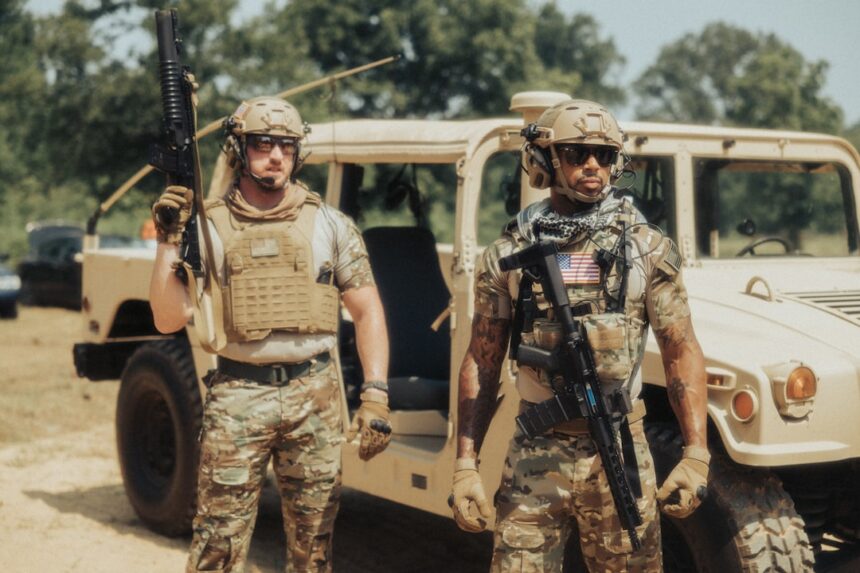
Coalition Forces Paralyze Iraqi Army with Strategic Tactics
The sands of Iraq bore witness to a meticulously orchestrated military campaign, one that saw a technologically advanced coalition of nations systematically dismantle the entrenched capabilities of the Iraqi armed forces. This was not a clash of brute force alone, but a testament to the devastating efficacy of strategic planning, unparalleled intelligence, and the precise application of modern warfare. Coalition forces, through a series of calculated and interconnected maneuvers, effectively paralyzed the Iraqi military, rendering it incapable of mounting a coherent defense or an effective counter-offensive. This article delves into the multifaceted strategies employed by the coalition, examining the key pillars of their success and the ripple effects that led to the incapacitation of Saddam Hussein’s formidable military machine.
Before the first shot was fired, an extensive and multifaceted preparatory phase laid the groundwork for the coalition’s overwhelming success. This period was characterized by an unprecedented accumulation of intelligence, the strategic positioning of forces, and the development of operational plans that accounted for every conceivable scenario. The lessons learned from previous conflicts, particularly the Gulf War of 1991, informed every aspect of this preparation, emphasizing the need for overwhelming force, air superiority, and a deep understanding of the enemy’s disposition and intent.
Unprecedented Intelligence Gathering and Analysis
The cornerstone of the coalition’s strategic advantage was its vast and sophisticated intelligence apparatus. Decades of ongoing monitoring, coupled with intensified efforts in the months leading up to the invasion, provided an incredibly detailed picture of Iraq’s military infrastructure, command and control networks, and troop deployments.
Signals Intelligence (SIGINT) Dominance
Coalition SIGINT assets, including airborne platforms, satellites, and ground-based intercept stations, worked tirelessly to penetrate Iraqi communications. This allowed for the real-time monitoring of enemy chatter, the identification of key command personnel, and the interception of orders, troop movements, and logistical information. The ability to listen in on Iraqi command conversations proved invaluable in anticipating their reactions and exploiting their vulnerabilities.
Human Intelligence (HUMINT) Networks
Beyond electronic eavesdropping, the coalition cultivated a network of human sources within Iraq. These individuals, often working at great personal risk, provided critical ground-level insights into troop morale, equipment status, and the political climate within the military. This human element offered a crucial counterpoint to technical intelligence, filling in gaps and confirming or refuting information gathered through other means.
Imagery Intelligence (IMINT) and Open-Source Intelligence (OSINT)
Satellite imagery provided a comprehensive overview of Iraqi military installations, troop concentrations, and defensive positions. This visual data was meticulously analyzed to identify potential targets, assess the effectiveness of coalition strikes, and track enemy movements. Furthermore, the coalition leveraged OSINT, scrutinizing publicly available information from Iraqi state media, academic publications, and even inadvertently released details, to build a more complete understanding of Iraq’s capabilities and intentions.
Strategic Force Projection and Logistical Mastery
The sheer scale of the coalition’s military presence was a strategic message in itself, designed to sow psychological doubt and demonstrate overwhelming superiority. The meticulous planning of troop deployment and logistical support was equally critical, ensuring that forces were positioned for maximum impact and sustained operations.
The Assembly of a Superpower Coalition
The coalition brought together a diverse range of military capabilities from numerous allied nations. This not only provided a significant numerical advantage but also offered a broad spectrum of tactical and doctrinal approaches, allowing for flexibility and adaptability in the face of unforeseen challenges. The public and private commitment of these nations underscored the international resolve against the Iraqi regime.
Pre-positioning of Supplies and Equipment
Months, and in some cases years, before the invasion, vast quantities of ammunition, fuel, food, medical supplies, and repair equipment were pre-positioned in staging areas in neighboring countries and onboard naval vessels. This logistical feat ensured that coalition forces would not be hampered by supply shortages, a critical factor in sustaining prolonged operations and maintaining operational tempo.
War-Gaming and Scenario Planning
Extensive war-gaming exercises were conducted, simulating various combat scenarios and testing different operational plans. These exercises allowed commanders to identify potential weaknesses in their strategies, refine tactical approaches, and develop contingency plans for a wide range of possibilities, including unexpected enemy responses and environmental challenges. The focus was not just on defeating the enemy but on doing so with minimal coalition casualties and maximizing the strategic impact of every action.
The strategic operations conducted by coalition forces during the Iraq War effectively paralyzed the Iraqi Army, leading to a swift and decisive victory. For a deeper understanding of the tactics employed and their impact on the battlefield, you can read a related article that explores these dynamics in detail. Check it out here: In the War Room.
The Air Campaign: Seizing and Maintaining Air Superiority
The coalition’s air campaign was a masterful display of precision, overwhelming firepower, and strategic planning. It was designed not merely to inflict damage but to systematically dismantle Iraq’s military command and control, air defense systems, and critical infrastructure, thereby paving the way for ground operations. The concept of “shock and awe” was not just a slogan; it was a carefully calibrated application of air power aimed at breaking the enemy’s will and capacity to resist.
Decapitation Strikes: Targeting the Leadership
From the outset, a primary objective was to neutralize the Iraqi leadership. Early air strikes targeted known command centers, presidential palaces, and other locations believed to be housing key figures. While the ultimate success of these decapitation strikes in eliminating all leadership was debated, they undoubtedly disrupted communication and coordination within the Iraqi military.
Precision Guided Munitions (PGMs) and their Impact
The widespread use of PGMs, including laser-guided bombs and cruise missiles, allowed coalition aircraft to strike targets with unprecedented accuracy. This minimized collateral damage while maximizing the effectiveness of each strike. The ability to hit targets deep within Iraq, from standoff distances, further enhanced the safety of coalition aircrews and contributed to the psychological impact on the Iraqi forces who could not identify or defend against these invisible threats.
Suppression of Enemy Air Defenses (SEAD) Operations
A critical component of the air campaign was the systematic degradation of Iraq’s air defense network. This involved a multi-pronged approach aimed at neutralizing radar systems, surface-to-air missile (SAM) sites, and anti-aircraft artillery (AAA).
Anti-Radiation Missile (ARM) Employment
ARMs were employed to home in on enemy radar emissions, effectively silencing Iraqi air defense radars and creating windows of opportunity for other strike aircraft. This allowed for the safe ingress and egress of bombers and attack aircraft deep into Iraqi airspace.
Electronic Warfare (EW) and Deception Tactics
Coalition aircraft employed sophisticated EW systems to jam enemy radar and communications, disrupt their targeting capabilities, and create electronic decoys. These tactics further confused the Iraqi air defense system, making it easier for coalition aircraft to operate with impunity.
Strategic Bombing of Infrastructure and Logistics
Beyond direct military targets, the air campaign systematically degraded Iraq’s ability to wage war. Key infrastructure, including communication nodes, transportation networks, and fuel depots, were targeted to cripple their logistical capabilities and isolate their front-line forces.
Disruption of Command and Control Networks
By destroying key communication hubs and command centers, the coalition effectively severed the lines of communication between Baghdad and its field commanders. This led to confusion, isolation, and an inability for Iraqi forces to receive coordinated orders or adapt to changing battlefield conditions.
Targeting of Logistics and Transportation
The systematic bombing of bridges, rail lines, and fuel convoys severely hampered the movement of troops, equipment, and supplies. This isolation choked off the flow of resources to the Iraqi army, making it increasingly difficult for them to sustain their positions or mount any significant offensive actions.
The Ground Offensive: A Swift and Decisive Advance
Following the devastating air campaign, the ground offensive was characterized by speed, maneuver, and a relentless pace that overwhelmed the already disoriented and demoralized Iraqi forces. Coalition ground forces, employing combined arms tactics and leveraging their technological superiority, executed a series of swift advances that bypassed or neutralized Iraqi strongholds, effectively paralyzing their ability to mount a coordinated defense.
The Concept of Maneuver Warfare
The coalition’s ground strategy was a textbook example of maneuver warfare, focusing on outflanking, encircling, and disrupting the enemy rather than engaging in attritional battles. The goal was to seize and maintain the initiative, dictating the tempo and location of engagements.
Bypassing Enemy Strongholds
Instead of engaging every fortified position head-on, coalition forces often bypassed heavily defended areas, leaving them to be dealt with by follow-on forces or by cutting off their supply lines. This preserved coalition lives and allowed for a faster overall advance.
Exploiting Gaps in the Iraqi Defense
Intelligence gathered prior to and during the conflict revealed weaknesses and gaps in the Iraqi defensive lines. Coalition forces exploited these vulnerabilities with surgical precision, driving wedges into the enemy formation and disrupting their cohesion.
Combined Arms Operations: A Synergistic Approach
The success of the ground offensive was a direct result of the seamless integration of different military branches and capabilities. Tanks, armored personnel carriers, infantry, artillery, helicopters, and close air support worked in concert, each element enhancing the effectiveness of the others.
Armor and Mechanized Infantry Spearhead
Tanks and armored personnel carriers formed the spearhead of the advance, providing heavy firepower and protection for the infantry. Their mobility allowed them to rapidly penetrate enemy lines and exploit breakthroughs.
Infantry’s Role in Urban Warfare and Securing Objectives
While armor provided the punch, infantry played a crucial role in clearing dug-in positions, securing captured territory, and conducting operations in complex urban environments where heavy armor could be less effective.
Close Air Support (CAS) and Rotary-Wing Aircraft Integration
CAS provided by fixed-wing aircraft and the close support of attack helicopters were integral to the ground advance. They suppressed enemy positions, destroyed enemy armor, and provided vital battlefield intelligence, enabling ground commanders to make informed decisions.
Psychological Warfare and Information Operations
The coalition also waged a sophisticated psychological warfare campaign, aimed at demoralizing Iraqi troops and undermining their will to fight. This included broadcasting messages of surrender, distributing leaflets, and utilizing electronic means to sow confusion and doubt.
Encouraging Surrender and Defection
The consistent message to Iraqi soldiers was one of futility in resistance. This, coupled with the overwhelming displays of coalition power, led to widespread surrenders and defections, further depleting the Iraqi military’s ranks and combat effectiveness.
Disruption of Enemy Morale and Cohesion
The constant threat of air strikes, the rapid advance of ground forces, and the psychological operations campaign combined to erode the morale and cohesion of the Iraqi army. Soldiers became isolated, uncertain of their orders, and increasingly demoralized by the futility of their situation.
The Strategic Disruption of Command and Control
A defining feature of the coalition’s strategy was its relentless focus on disabling Iraq’s command and control (C2) systems. By severing the communication links, decapitating leadership, and sowing confusion, the coalition effectively blinded and deafened the Iraqi military, rendering it incapable of coherent action. This disruption was not a single event but an ongoing process that permeated every phase of the conflict.
Targeting C2 Nodes and Communication Infrastructure
As mentioned in the air campaign section, a primary objective was the destruction of physical C2 infrastructure. This included:
Destroying Command Centers and Headquarters
Key command centers, regional headquarters, and communication hubs were systematically targeted. The aim was to disrupt the flow of information and prevent commanders from effectively directing their forces.
Interdicting Communication Lines
Satellite dishes, microwave towers, and other vital communication infrastructure were targeted to sever communication links between different echelons of the Iraqi military. This created isolated pockets of forces that were unable to coordinate their actions.
Exploiting Iraqi Military Doctrine and Structure
The coalition’s intelligence efforts went beyond identifying physical targets; they also sought to understand the inherent weaknesses in the Iraqi military’s organizational structure and operational doctrine.
Centralized Command and Control Vulnerabilities
The highly centralized nature of the Iraqi command structure meant that disrupting the top leadership and key communication nodes had a disproportionately debilitating effect on the entire military.
Inflexibility and Lack of Decentralized Initiative
The Iraqi military’s doctrine often emphasized rigid adherence to orders, with limited scope for decentralized initiative by junior commanders. This inflexibility made them particularly vulnerable to rapid shifts in battlefield conditions and surprise maneuvers by coalition forces.
The Impact of Electronic Warfare on C2
Electronic warfare played a crucial role in degrading the functionality of Iraqi C2 systems.
Jamming and Spoofing of Iraqi Communications
Coalition EW assets actively jammed Iraqi military radio frequencies and other communication channels, making it difficult for them to transmit and receive orders. Spoofing tactics were also employed to feed false information into their systems, further sowing confusion.
Degradation of Radar and Targeting Systems
Beyond communications, EW also targeted Iraqi radar and other targeting systems, further blinding their air defense and artillery units and contributing to their inability to effectively engage coalition forces.
The strategic operations conducted by coalition forces during the Iraq War effectively paralyzed the Iraqi Army, leading to a swift and decisive victory. This military success can be further explored in a related article that delves into the tactics and technologies employed to disrupt enemy communications and logistics. For a comprehensive analysis of these strategies, you can read more about it in this insightful piece on the impact of coalition warfare. Understanding these dynamics provides valuable lessons on modern military engagements and the importance of adaptability in combat scenarios.
The Aftermath: A Paralyzed Force and a Shift in Power
| Metrics | Details |
|---|---|
| Number of coalition forces | Over 177,000 troops from 34 countries |
| Number of Iraqi Army troops | Over 375,000 troops |
| Duration of the conflict | March 20, 2003 – December 18, 2011 |
| Key strategies used | Shock and awe, precision airstrikes, ground offensives |
| Outcome | Decisive defeat of the Iraqi Army and overthrow of Saddam Hussein’s regime |
The strategic brilliance of the coalition’s tactics resulted in the rapid and decisive incapacitation of the Iraqi armed forces. What followed was not a prolonged and bloody insurgency from a unified military but a fractured and demoralized enemy that struggled to mount any significant organized resistance. The paralysis of the Iraqi army fundamentally shifted the balance of power in the region and paved the way for the subsequent occupation and restructuring of the country.
Collapse of the Iraqi Military Structure
The relentless pressure from air and ground campaigns, coupled with the systemic disruption of C2, led to the swift collapse of the Iraqi military’s hierarchical structure. Units were isolated, fragmented, and often left without clear orders or the means to communicate.
Widespread Desertions and Surrenders
The psychological impact of the coalition’s overwhelming force and the futility of resistance led to mass desertions and surrenders. Soldiers, disillusioned and often poorly equipped, saw little incentive to continue fighting.
Loss of Cohesion and Unit Integrity
The rapid advance of coalition forces and the targeting of logistical networks prevented Iraqi units from consolidating their positions or maintaining their operational integrity. Many units effectively dissolved, with soldiers attempting to flee or simply abandoning their posts.
The Rise of Irregular Resistance
While the conventional Iraqi army was effectively neutralized, the power vacuum and the subsequent socio-political instability created fertile ground for irregular resistance movements. These groups, often motivated by nationalist or sectarian agendas, proved to be a persistent challenge to coalition forces in the years that followed.
Exploitation of Local Grievances
The breakdown of order and the perceived injustices of the occupation were exploited by emergent resistance groups, who capitalized on existing societal divisions and grievances.
Asymmetric Warfare Tactics
These groups often employed asymmetric warfare tactics, such as roadside bombings, ambushes, and suicide attacks, to counter the coalition’s conventional military superiority. This presented a new and evolving threat that required different strategic approaches.
The Long-Term Implications for Regional Security
The decisive defeat of the Iraqi military had profound and lasting implications for the regional security landscape. It demonstrated the power of a technologically advanced and strategically adept coalition, while also highlighting the challenges of post-conflict stabilization and nation-building. The ensuing years saw a complex and often volatile period of transition for Iraq and the wider Middle East, a testament to the far-reaching consequences of this strategic military victory. The paralysis of the Iraqi army was not merely a tactical triumph; it was a geopolitical turning point.
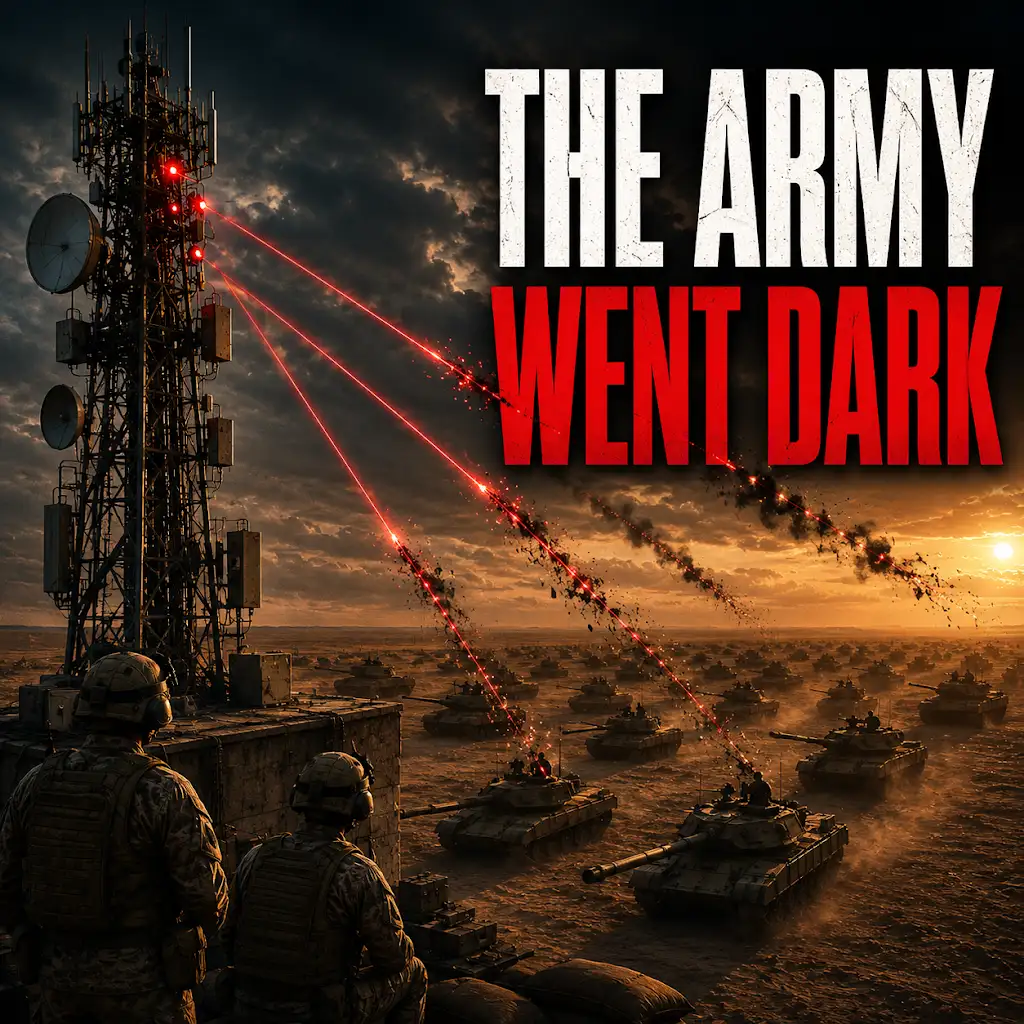
The Invisible Attack That Crippled Iraq’s Army | Desert Storm Documentary
FAQs
1. What were the coalition forces involved in paralyzing the Iraqi Army?
The coalition forces involved in paralyzing the Iraqi Army included the United States, the United Kingdom, Australia, and Poland, among others.
2. How did the coalition forces paralyze the Iraqi Army?
The coalition forces paralyzed the Iraqi Army through a combination of air strikes, ground offensives, and strategic military operations aimed at disrupting the Iraqi Army’s command and control, supply lines, and communication networks.
3. What impact did the coalition forces’ actions have on the Iraqi Army?
The actions of the coalition forces severely degraded the Iraqi Army’s ability to effectively respond to the coalition’s military advances, leading to a significant loss of territory and strategic positions.
4. What role did the Iraqi Army play in the conflict?
The Iraqi Army, under the leadership of Saddam Hussein, played a central role in defending Iraq against the coalition forces during the 2003 invasion of Iraq.
5. What were the long-term consequences of the coalition forces’ actions on the Iraqi Army?
The coalition forces’ actions ultimately led to the collapse of the Iraqi Army and the overthrow of Saddam Hussein’s regime, marking a significant turning point in the Iraq War and the country’s political landscape.