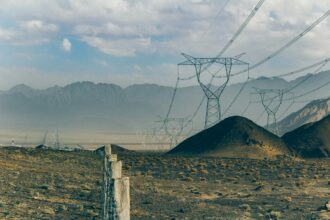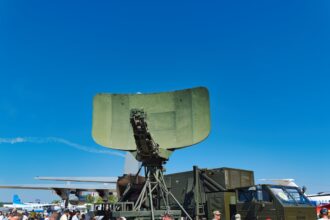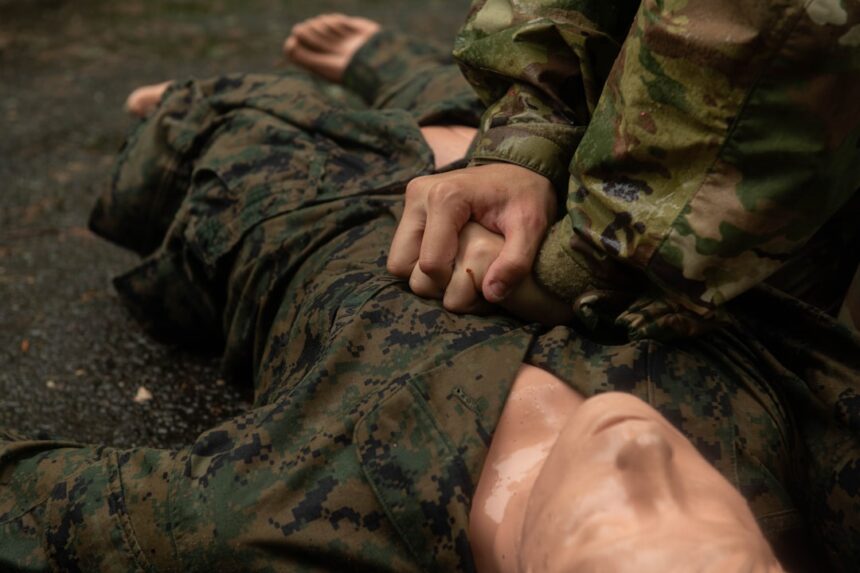
The notion of United States military search and rescue (SAR) operations within the densely populated and politically complex territory of Iran presents a multifaceted challenge, steeped in geopolitical realities and demanding a rigorous examination of existing protocols. While the concept of humanitarian assistance, including SAR, generally transcends national borders, the specific context of US-Iran relations introduces significant obstacles, rendering direct US military intervention highly improbable and potentially fraught with severe repercussions. This analysis will delve into the theoretical frameworks of US military SAR capabilities, the specific challenges posed by operating within Iran, the potential implications of such operations, and the alternative pathways that might be considered for providing critical assistance in a crisis situation within Iran.
The United States military maintains robust and highly sophisticated search and rescue capabilities, honed through years of operational experience across diverse environments. These capabilities are not merely about locating and recovering personnel; they encompass a comprehensive suite of procedures, technologies, and logistical frameworks designed to address a wide spectrum of potential scenarios. Understanding these fundamental elements is crucial for assessing their applicability, or lack thereof, in an Iranian context.
Core Components of US Military SAR
At its heart, US military SAR relies on a layered approach, integrating advanced technology with meticulously trained personnel. This involves a synergistic interplay between airborne assets, ground forces, and sophisticated command and control (C2) structures. The core components include:
Reconnaissance and Surveillance Assets
The ability to accurately locate individuals or groups in distress is paramount. US military SAR extensively utilizes a range of reconnaissance and surveillance assets.
Unmanned Aerial Vehicles (UAVs)
Various classes of UAVs, from small tactical drones to larger, long-endurance platforms like the MQ-9 Reaper, can provide persistent aerial observation, thermal imaging, and electro-optical reconnaissance. Their deployment allows for broad area searches and rapid identification of potential targets without risking manned aircraft in potentially hostile airspace.
Manned Aircraft
Helicopters, such as the HH-60 Pave Hawk, are specifically designed for SAR missions, equipped with winches, advanced navigation systems, and medical facilities. Fixed-wing aircraft can also contribute by providing aerial reconnaissance and transport for SAR teams.
Satellite Imagery
Overhead persistent infrared (OPIR) and electro-optical satellites offer the ability to scan large geographical areas for heat signatures or visual cues. This is particularly useful in covert operations or when traditional reconnaissance is not feasible.
Specialized Personnel and Equipment
The success of any SAR operation hinges on the skills of the individuals involved and the tools they employ.
Pararescue Jumpers (PJs) and Combat Search and Rescue (CSAR) Teams
These highly trained individuals are proficient in medical care, survival techniques, and specialized rescue operations. They are often deployed via parachute or helicopter directly into austere environments.
Tactical Teams
Special operations forces may be tasked with SAR missions in high-risk scenarios, requiring their unique skillsets in infiltration, exfiltration, and combat support.
Advanced Communication Systems
Secure and robust communication is vital for coordinating complex SAR efforts, especially in denied or contested environments. This includes satellite communications, encrypted radio systems, and tactical data links.
Medical Support
On-site medical care is a critical component. SAR teams are equipped with advanced medical kits, and dedicated medical personnel are often integrated into the operation. Medical evacuation capabilities, including air ambulances and ground transport, are also essential.
Operational Doctrine and Procedures
US military SAR operates under well-defined doctrines that emphasize speed, efficiency, and minimizing risk to rescuers.
Joint Publication 3-50, Joint Search and Rescue
This publication outlines the fundamental principles and procedures for conducting joint SAR operations, ensuring interoperability between different branches of the military and allied forces. It covers aspects ranging from planning and execution to post-operation debriefing.
Standard Operating Procedures (SOPs)
Each unit involved in SAR will have its own specific SOPs, detailing task execution, equipment management, and crew coordination. These SOPs are crucial for maintaining a high level of readiness and consistent performance.
Risk Assessment and Mitigation
A thorough risk assessment is a prerequisite for any SAR operation. This involves identifying potential threats to the SAR team, the operational environment, and the mission objectives. Mitigation strategies are then developed to minimize these risks.
The “Find, Fix, Track, Target, Engage, Assess” Paradigm (Modified for SAR)
While famously associated with offensive operations, the underlying principles of intelligence gathering and situational awareness inherent in military operations are adaptable to SAR. For SAR, this paradigm can be conceptually understood as: “Detect, Locate, Access, Stabilize, Extract, Sustain.”
In recent discussions surrounding US military search and rescue (SAR) protocols, particularly in relation to operations in Iran, it is essential to consider the evolving strategies and challenges faced by military personnel in hostile environments. A related article that delves into these topics can be found at In the War Room, where experts analyze the implications of SAR operations and the importance of effective coordination in high-stakes situations. This resource provides valuable insights into the complexities of conducting successful rescue missions in regions with geopolitical tensions.
Geopolitical Realities and Operational Constraints in Iran
The engagement of US military forces within Iranian territory for any purpose, let alone SAR, is profoundly complicated by the deeply entrenched geopolitical tensions between the two nations. These tensions create a hostile environment that fundamentally alters the feasibility and prudence of direct US military SAR operations.
State of Bilateral Relations
The long-standing adversarial relationship between the United States and Iran is characterized by profound mistrust and a history of proxy conflicts and diplomatic standoffs.
Lack of Diplomatic Ties
The absence of formal diplomatic relations significantly limits avenues for communication, coordination, and de-escalation. Any US military presence would likely be perceived as an act of aggression, regardless of its stated humanitarian intent.
Mutual Suspicion and Mistrust
Decades of animosity have fostered an environment where actions are routinely interpreted through a lens of suspicion. A US SAR mission, even if ostensibly humanitarian, could be misconstrued as a precursor to a larger military or intelligence operation, triggering a severe response.
Regional Power Dynamics
Iran is a significant regional power, and its perceived security interests are in direct opposition to those of the United States and its allies. Any unilateral US military action within its borders would be viewed as a direct challenge to its sovereignty and regional influence.
Iranian Sovereignty and Airspace Control
Iran exercises strict control over its sovereign territory and airspace. Unauthorized incursions, irrespective of the intent, would be met with a forceful reaction.
Air Defense Networks
Iran possesses a comprehensive and layered air defense system, designed to detect and engage any unauthorized aircraft. This includes radar installations, surface-to-air missiles (SAMs), and fighter aircraft.
Integrated Air Defense System (IADS)
Iran’s IADS is designed for national defense, and any deviation from flight plans or unauthorized entry would likely trigger an immediate defensive response.
Potential for Accidental Escalation
The inherent difficulty in distinguishing a SAR aircraft from a hostile one in real-time, especially under duress, significantly increases the risk of accidental engagement and unintended escalation.
Legal and Ethical Considerations
The legal and ethical frameworks governing military operations are complex, and operating in a scenario like Iran raises significant questions.
International Law and Sovereignty
Operating military forces within another nation’s sovereign territory without explicit consent is a violation of international law. Even with a humanitarian justification, the absence of consent is a primary obstacle.
Rules of Engagement (ROE)
US military ROE are designed to govern the use of force and often require explicit authorization for operations in denied or hostile territories. The ROE for a SAR mission in Iran would be exceptionally restrictive, requiring a high degree of certainty regarding the safety and legitimacy of the operation.
Distinction Between Humanitarian Aid and Military Intervention
Drawing a clear line between a humanitarian SAR mission and a potential military intervention, especially for Iranian authorities, would be exceedingly difficult. The historical context of US-Iran relations makes any military presence inherently suspect.
Risk to SAR Personnel
The security of US military personnel undertaking SAR operations in Iran would be exceptionally high, posing an unacceptable risk.
Hostage Potential
US military personnel operating in Iranian territory would be exceptionally vulnerable to capture and potential use as hostages, further escalating geopolitical tensions.
Direct Confrontation
Any perceived threat to Iranian security forces could lead to direct confrontation, jeopardizing the lives of SAR team members.
Challenges of Operating in the Iranian Environment
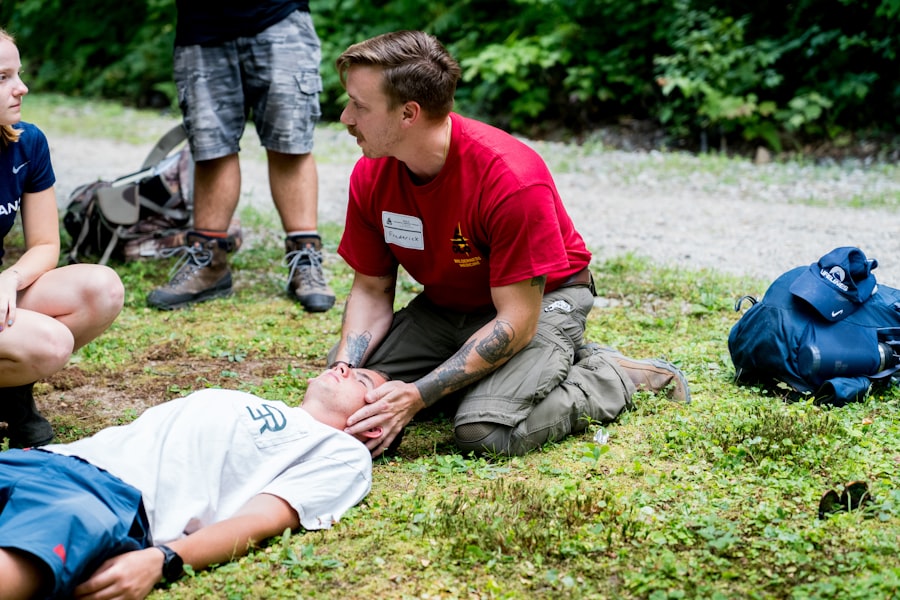
Beyond the explicit geopolitical hurdles, the physical and logistical landscape of Iran presents a unique set of challenges that would complicate any SAR operation. These considerations are magnified by the lack of pre-existing agreements and accessibility that typically facilitate international SAR efforts.
Terrain and Geographical Diversity
Iran’s vast and varied topography presents significant operational complexities for SAR missions.
Mountainous Regions
Large sections of Iran are characterized by rugged, mountainous terrain, including the Alborz and Zagros mountain ranges. These areas are prone to harsh weather conditions, limited visibility, and difficult access for ground teams. Locating and extracting individuals from such environments requires specialized mountaineering and aerial capabilities.
Desert and Arid Zones
Significant portions of central and eastern Iran are arid or desert environments, characterized by extreme temperatures and vast, featureless landscapes. SAR operations in these areas demand robust logistical support, water management, and protection against environmental hazards for both the rescued and the rescuers.
Urban Congestion
Densely populated urban centers like Tehran present their own unique challenges, including navigating complex infrastructure, potential civilian interference, and the difficulty of discreetly operating SAR assets. The risk of collateral damage or unintended civilian casualties is also a significant concern.
Infrastructure and Accessibility
The availability and accessibility of infrastructure directly impact the speed and effectiveness of SAR operations.
Limited Civilian Infrastructure in Remote Areas
While major cities have modern infrastructure, remote and less populated regions may have limited road networks, communication facilities, and airfields. This can severely hamper the deployment of SAR teams and their logistical support.
Potential for Disruption of Services
In the event of a crisis, critical infrastructure such as communication networks or transportation routes could be damaged or deliberately disrupted, further complicating SAR efforts.
Cultural and Linguistic Barriers
Effective communication and cultural sensitivity are crucial for successful SAR, and these are magnified in Iran due to the lack of established rapport.
Language Differences
While English might be understood by some officials, direct communication with the general population or individuals in distress would necessitate skilled interpreters. Linguistic barriers can lead to misunderstandings, delays, and misinterpretations of critical information.
Cultural Nuances
Understanding local customs, social hierarchies, and public perception is vital for gaining cooperation and avoiding unintended offense. Operating with a foreign military presence can evoke strong reactions, and navigating these sensitivities requires deep cultural awareness.
Environmental Hazards
Beyond terrain, specific environmental factors can complicate SAR operations in Iran.
Extreme Temperatures
Iran experiences wide temperature variations, with scorching summers and harsh winters in mountainous regions. SAR personnel and equipment must be capable of operating effectively in these extreme conditions.
Seismic Activity
Iran is located in a seismically active zone, prone to earthquakes. SAR operations in the aftermath of a major earthquake would face immense challenges due to widespread destruction, hazardous aftershocks, and the urgent need for immediate assistance in a highly unstable environment.
Alternative Pathways for Humanitarian Assistance
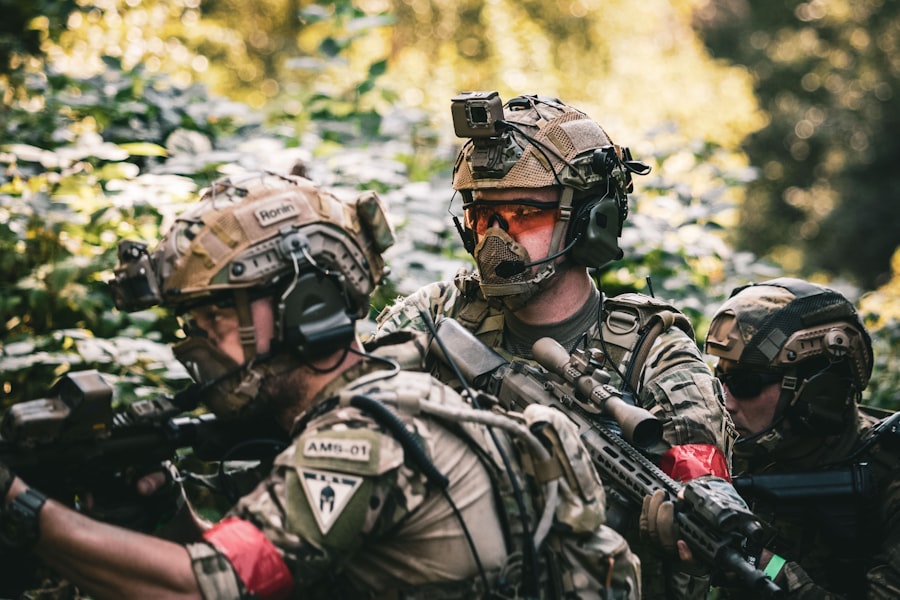
Given the formidable obstacles to direct US military SAR operations in Iran, exploring alternative, less confrontational pathways for delivering humanitarian assistance becomes not only pragmatic but essential. These alternatives leverage international cooperation, existing non-governmental organizations (NGOs), and diplomatic channels to achieve the shared goal of saving lives.
International Cooperation and United Nations Involvement
The United Nations, as a neutral international body, provides a framework for coordinating humanitarian efforts and overcoming nationalistic barriers.
UN Office for the Coordination of Humanitarian Affairs (OCHA)
OCHA can act as a central coordinating body, facilitating the deployment of resources and personnel from various countries and organizations. OCHA’s mandate focuses on impartial aid delivery, making it a more acceptable conduit for assistance into Iran.
Joint UN-Led SAR Missions
Under a UN banner, a multinational SAR mission could be organized, involving countries with good relations with Iran or those with established humanitarian aid partnerships. This would diffuse the perception of a unilateral US intervention.
Third-Party Facilitation
The UN or a neutral third-party country could negotiate access for SAR teams, ensuring transparency and de-escalation. This would involve meticulous planning and agreement on operational parameters.
Non-Governmental Organizations (NGOs) and Humanitarian Agencies
Established humanitarian organizations possess the experience, infrastructure, and trust necessary to operate effectively in complex environments.
Local Iranian NGOs
Support for and collaboration with pre-existing Iranian humanitarian organizations would be the most culturally sensitive and politically viable approach. These organizations already have local networks, understanding of the terrain, and established relationships.
International Humanitarian NGOs
Organizations such as the International Federation of Red Cross and Red Crescent Societies (IFRC), Doctors Without Borders (MSF), or the World Health Organization (WHO) have proven track records in disaster response globally. They can mobilize resources and expertise independent of governmental military structures.
Pre-positioning of Resources
International NGOs could work with Iranian authorities to pre-position essential relief supplies and medical equipment in strategic locations, enabling a faster response to a crisis.
Diplomatic Channels and De-escalation
Even in the absence of formal diplomatic relations, back-channel communication and diplomatic engagement can be crucial for facilitating humanitarian access.
Mediation by Third Countries
Countries that maintain diplomatic relations with both the US and Iran could act as intermediaries, negotiating terms for humanitarian assistance and ensuring the safety of all involved parties.
Confidence-Building Measures
Prior to any potential crisis, fostering an environment of increased trust and cooperation through non-military exchanges and dialogue could pave the way for more effective humanitarian responses in the future.
Public-Private Partnerships
Leveraging the capabilities of private entities, particularly those with specialized SAR expertise or logistical assets, can supplement formal governmental and NGO efforts.
Private SAR Companies
Certain private companies specialize in complex SAR operations, disaster response, and logistical support. Their involvement, under the umbrella of a broader humanitarian effort, could provide essential specialized services.
Corporate Philanthropy and Fundraising
Corporations can contribute financially and logistically to humanitarian efforts, supporting the work of NGOs and international organizations. This offers a less politically charged method of resource mobilization.
The evolving landscape of military operations has prompted a closer examination of search and rescue (SAR) protocols, particularly in regions like Iran where geopolitical tensions are high. A recent article discusses the intricacies of these protocols and their implications for U.S. forces operating in hostile environments. For a deeper understanding of the challenges and strategies involved, you can read more about it in this insightful piece on military operations at In the War Room. This resource highlights the importance of effective SAR measures in ensuring the safety of personnel during critical missions.
Conclusion: A Paradigm of Restraint and Collaboration
| Metrics | Details |
|---|---|
| Search and Rescue (SAR) Protocols | US military follows established SAR protocols for search and rescue operations. |
| Iran Relations | US military may coordinate with Iranian authorities for SAR operations in certain situations. |
| Equipment | US military utilizes advanced equipment and technology for SAR missions. |
| Training | Personnel undergo rigorous training to effectively execute SAR protocols. |
The analysis of US military SAR protocols in the context of Iran leads to an unavoidable conclusion: direct US military intervention for search and rescue operations is exceptionally improbable and carries an unacceptably high risk of escalating geopolitical tensions, violating international norms, and jeopardizing personnel safety. The deeply entrenched adversarial relationship, Iran’s firm stance on sovereignty, and the inherent dangers of operating in a potentially hostile environment render such actions strategically unsound and ethically questionable.
Instead, the focus must shift towards a paradigm of restraint and collaboration. When humanitarian crises arise in Iran, the most effective and responsible approach lies in leveraging established international frameworks, empowering neutral humanitarian organizations, and utilizing diplomatic channels for negotiation and coordination. The United Nations, international NGOs, and local Iranian relief agencies are far better positioned to deliver life-saving aid without triggering further conflict.
The theoretical capabilities of US military SAR, while impressive, are best reserved for scenarios where there is established cooperation, consent from the host nation, and a clear understanding of the operational parameters. In the complex and sensitive geopolitical landscape of Iran, the United States and the international community must prioritize diplomatic solutions and multilateral humanitarian efforts, demonstrating a commitment to saving lives through cooperative, rather than confrontational, means. The long-term goal should be to foster an environment where humanitarian assistance can flow unimpeded, transcending political differences, but this requires a fundamental shift away from the prospect of unilateral military action.
FAQs
What are US military search and rescue (SAR) protocols?
US military search and rescue (SAR) protocols are a set of procedures and guidelines followed by the military to locate, recover, and provide medical assistance to personnel in distress.
What is the purpose of SAR protocols?
The purpose of SAR protocols is to ensure the timely and effective rescue of military personnel in emergency situations, such as combat operations, training accidents, or humanitarian missions.
How do US military SAR protocols differ from civilian SAR protocols?
US military SAR protocols are tailored to the specific needs and challenges of military operations, including combat environments, enemy threats, and the use of specialized equipment and tactics.
What role do US military SAR protocols play in international incidents, such as the situation with Iran?
In international incidents, US military SAR protocols may be utilized to plan and execute search and rescue missions to recover personnel in hostile or unfamiliar environments, such as the recent situation with Iran.
What resources are available to support US military SAR protocols in international incidents?
The US military has a range of assets and capabilities, including aircraft, special operations forces, and dedicated search and rescue units, to support SAR protocols in international incidents and ensure the safety and well-being of military personnel.