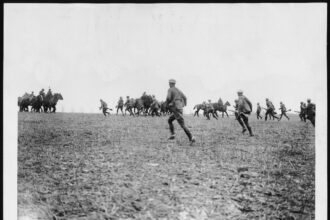
The swift and decisive victory of the Coalition forces in the 2003 invasion of Iraq was not solely a testament to superior military might. Beneath the surface of conventional warfare lay a sophisticated and intricate tapestry of deception, meticulously woven to disorient, mislead, and ultimately paralyze the Iraqi military command. This multifaceted strategy of “coalition deception” played a pivotal role in minimizing Coalition casualties, shortening the conflict, and achieving strategic objectives with remarkable speed. It was a campaign of illusions and misdirection, designed to exploit the enemy’s vulnerabilities and foster a sense of overwhelming, inevitable defeat before the first shots were truly fired in earnest.
The Foundation of Illusion: Strategic Deception and Information Warfare
At the heart of the Coalition’s success lay a profound understanding of the importance of information and its manipulation. The Iraqi military, particularly under Saddam Hussein, was characterized by a hierarchical and often rigid command structure, deeply reliant on centralized intelligence and decision-making. This made them susceptible to tailored disinformation and a carefully crafted narrative that eroded their confidence and capacity to respond effectively.
The Psychological Warfare Campaign: Undermining Morale and Confidence
Long before the invasion commenced, a robust psychological warfare (PSYWAR) campaign was initiated. This was not merely about broadcasting messages of defiance or encouragement, but about actively sowing seeds of doubt and fear within the Iraqi ranks.
Broadening the Spectrum of Influence
- Leaflet Drops and Radio Broadcasts: The Coalition saturated Iraqi-controlled territories with leaflets and radio broadcasts. These messages were not just warnings to surrender, but also contained a steady stream of carefully curated intelligence, designed to make Iraqi soldiers believe their leadership was out of touch, their defenses were compromised, and their cause was lost. Reports of internal dissent and the futility of resistance were amplified.
- Targeted Messaging: The PSYWAR campaign was not a blanket approach. Messages were tailored to different segments of the Iraqi population and military. For example, appeals were made to religious or ethnic groups within the military, highlighting potential grievances or promising better treatment if they surrendered.
Exploiting Information Gaps and Paranoia
- Fabricated Intelligence and Rumors: The Coalition deliberately planted false intelligence and rumors through various channels. These could range from exaggerated troop movements and the supposed deployment of unconventional weapons by the Coalition to fabricated accounts of internal purges and betrayals within the Iraqi leadership. The aim was to create an environment of suspicion and uncertainty, where genuine information became indistinguishable from manufactured falsehoods.
- Demonstrating Overwhelming Power (and the Illusion of More): Through public displays of advanced weaponry and sophisticated training exercises, the Coalition projected an image of overwhelming military superiority. This was often coupled with hints and suggestions of even more devastating capabilities that were yet to be revealed, further contributing to the psychological burden on the Iraqi forces.
The strategic use of coalition deception during the Iraq War played a crucial role in misleading Iraqi forces and facilitating military operations. An insightful article that delves deeper into this topic is available at In the War Room, where it explores the various tactics employed by coalition forces to create confusion and misdirection, ultimately contributing to their success on the battlefield. This examination provides a comprehensive understanding of the psychological and operational aspects of military deception.
The Art of Misdirection: Operational Deception and Feints
Beyond the realm of information warfare, the Coalition employed a range of operational deceptions designed to mislead Iraqi military planners about the timing, location, and scale of the main invasion effort. This involved creating a series of credible diversions and masking the true intentions of the Allied forces.
The Northern Front: A Ghostly Presence and Diverted Resources
One of the most significant deceptions involved the creation of a credible threat from the north, intended to tie down significant Iraqi military assets and attention away from the primary invasion routes.
Cultivating the “Northern Threat”
- Building a Coalition Presence: The United States and its allies, particularly the United Kingdom, began a conspicuous build-up of forces and logistical infrastructure in Kuwait and other staging areas bordering Iraq. However, the focus of these preparations, at least publicly and through intelligence channels accessible to the Iraqis, was often presented as being geared towards a southern invasion.
- The Unseen Northern Army: Simultaneously, the Coalition engaged in covert activities and intelligence operations that hinted at a significant military buildup in Turkey, a NATO ally bordering northern Iraq. This involved the movement of special forces, reconnaissance missions, and the establishment of forward operating bases. While the actual troop numbers committed to a northern ground assault were limited, the perception of a substantial force poised to strike was meticulously cultivated.
- Intelligence Leaks and “Accidental” Discoveries: Information regarding the potential for a northern front was selectively leaked to Iraqi intelligence sources, often through intermediaries or seemingly accidental discoveries of reconnaissance data. This reinforced the Iraqi belief that a two-front war was imminent, forcing them to allocate precious resources and manpower to defend their northern borders.
The Illusion of a Second Front
- “Training Exercises” and Aerial Surveillance: Large-scale military exercises conducted in the region, coupled with extensive aerial surveillance flights along the northern Iraqi border, were amplified through carefully managed information channels. These activities, while not indicative of an imminent invasion, were interpreted by Iraqi commanders as preparations for a significant northern offensive.
- Strategic Diversion of Iraqi Forces: The perceived threat from the north successfully achieved its objective. The Iraqi military, fearing a pincer movement, diverted substantial armored divisions and air defense assets away from the southern front, weakening their ability to respond to the actual Coalition advance.
The Southern Push: Diversionary Tactics and Feigned Attacks
While the north was a significant theater of deception, the Coalition also employed tactics to mislead the Iraqis about the precise timing and nature of the main thrust from the south.
Masking the True Invasion Plan
- Creating Multiple Invasion Scenarios: Through various planning documents and operational briefings that were “leaked” or became available to Iraqi intelligence, the Coalition presented several plausible invasion routes and timelines. This created confusion and made it difficult for Iraqi commanders to prioritize their defenses.
- Feigned Amphibious Assaults: The Coalition conducted elaborate feints, including the staging of amphibious landing craft and the simulated preparation for naval assaults along the Kuwaiti coast. These highly visible maneuvers were designed to draw Iraqi attention and defensive forces towards the coastal regions, away from the actual points of entry.
- “Show of Force” Operations: Limited but highly visible “show of force” operations, including aerial bombing of targets near the southern border and incursions by reconnaissance units, were conducted in the days and weeks leading up to the invasion. These were calibrated to alert the Iraqis but not to reveal the full scope or direction of the imminent main offensive.
The Power of Deception in Action: Pre-Invasion Maneuvers and Electronic Warfare
The operational deception was amplified and made more effective through the strategic use of electronic warfare and the careful timing of pre-invasion maneuvers.
Electronic Warfare: Blinding and Confusing the Enemy’s Senses
The Coalition’s dominance in electronic warfare played a crucial role in disrupting Iraqi communications, jamming their radar systems, and feeding them a steady stream of false or misleading information.
Jamming and Spoofing Communications
- Disrupting Command and Control: The Coalition’s electronic warfare capabilities were deployed to jam Iraqi military communications at critical junctures. This severed lines of command and control, preventing Iraqi units from coordinating their defenses or receiving timely orders.
- Spoofing Radar and Sensor Systems: Sophisticated techniques were used to “spoof” Iraqi radar and sensor systems, creating phantom targets or masking the presence of actual Coalition forces. This further confused Iraqi air defense operators and reconnaissance units, making it difficult for them to distinguish between real threats and decoys.
The Electronic Fog of War
- Data Deception: The Coalition could also feed false data into Iraqi electronic systems. This could include fabricated radar signatures, misleading satellite imagery, or deliberately erroneous intelligence reports that appeared to originate from within their own network. The aim was to create an “electronic fog of war,” where the Iraqis were operating with corrupted or incomplete information.
Pre-Invasion Maneuvers: Creating the Illusion of Imminence
The final days and hours before the invasion were a masterclass in creating a sense of impending doom while masking the true operational plan.
The Art of the “Bait and Switch”
- Visible Preparations for a “Southern” Invasion: The Coalition continued to make visible preparations for a large-scale invasion from the south. This included the movement of troops, tanks, and artillery into forward positions, all in plain sight of Iraqi observers. This was the “bait.”
- The Actual Invasion: A Swift and Unexpected Advance: However, the actual invasion routes and the timing of the main thrust were kept a closely guarded secret. When the offensive began, it was a swift and decisive advance along axes that were either less heavily defended or had been deliberately weakened by the earlier diversionary tactics. This was the “switch.”
The Unseen Soldiers: Special Operations and Covert Actions
Behind the scenes, special operations forces and covert action teams played a vital, albeit often unheralded, role in the Coalition’s deception campaign.
Intelligence Gathering and Dissemination
- Deep Reconnaissance: Special forces units conducted deep reconnaissance missions into Iraq, gathering vital intelligence on Iraqi troop dispositions, command centers, and defensive fortifications. This intelligence not only informed Coalition offensive planning but was also used to craft disinformation targeted at the Iraqis.
- Covert Sabotage and Disruption: In some instances, covert teams may have been tasked with limited sabotage or disruption of Iraqi military infrastructure, further contributing to the confusion and undermining their operational capabilities.
Planting Disinformation and Influencing Perceptions
- Human Intelligence Networks: Special operations personnel often worked with or established human intelligence networks within Iraq. These sources were used to plant disinformation, spread rumors, and subtly influence the perceptions of key Iraqi military and political figures.
- Creating False Trails: The actions of special forces were often designed to create false trails and misdirect Iraqi intelligence efforts, making them focus on areas that were either unimportant or already compromised.
In examining the strategies employed during the Gulf War, one intriguing aspect is how coalition deception successfully misled Iraqi forces, significantly impacting the conflict’s outcome. This tactic is explored in detail in a related article that discusses the psychological operations and misinformation campaigns used to create confusion among enemy ranks. For a deeper understanding of these strategies, you can read more about it in this insightful piece on the War Room.
The Impact of Deception: A Decisive Strategic Advantage
The comprehensive and multi-layered deception employed by the Coalition yielded significant strategic advantages, directly contributing to the speed and success of the invasion.
Minimizing Coalition Casualties
- Exploiting Weaknesses: By confusing and disorganizing the Iraqi military, the Coalition was able to exploit their weaknesses and bypass heavily fortified positions. This reduced the need for direct assaults and prolonged engagements, thereby minimizing friendly casualties.
- Pre-emptive Disruption: The disruption of Iraqi command and control systems through deception meant that their forces were often unable to mount coordinated and effective defenses. This allowed Coalition forces to advance more rapidly with less resistance.
Accelerating the Campaign’s Tempo
- Pre-emptive Paralysis: The psychological and operational deception effectively paralyzed the Iraqi military command. Their inability to accurately assess the threat and coordinate a cohesive response meant that the Coalition could dictate the tempo of the conflict, advancing rapidly towards their objectives.
- Erosion of Will to Fight: The constant barrage of disinformation and the perception of overwhelming Coalition power chipped away at the Iraqi forces’ will to fight. Many soldiers surrendered or deserted rather than face what they believed to be an inevitable and hopeless struggle.
Achieving Strategic Objectives with Greater Ease
- Surprise and Shock: The element of surprise, amplified by the deception campaign, allowed Coalition forces to achieve significant operational breakthroughs with relative ease. Key objectives, such as the capture of strategic infrastructure and the encirclement of enemy forces, were achieved more rapidly than would have been possible without the carefully constructed illusions.
- Psychological Victory: Beyond the battlefield, the deception campaign secured a significant psychological victory. It eroded the confidence of the Iraqi leadership and population, contributing to the swift collapse of the regime.
In conclusion, the 2003 invasion of Iraq was not merely a triumph of military hardware, but a sophisticated campaign of deception that masterfully exploited the vulnerabilities of the Iraqi command structure. From the broad strokes of psychological warfare to the intricate details of operational feints and the unseen hand of special operations, the Coalition wove a narrative of overwhelming power and inevitable defeat. This intricate web of illusion served to blind, confuse, and ultimately paralyze the Iraqi forces, paving the way for a swift and decisive victory and forever etching “coalition deception” as a crucial, if often overlooked, element in modern warfare.
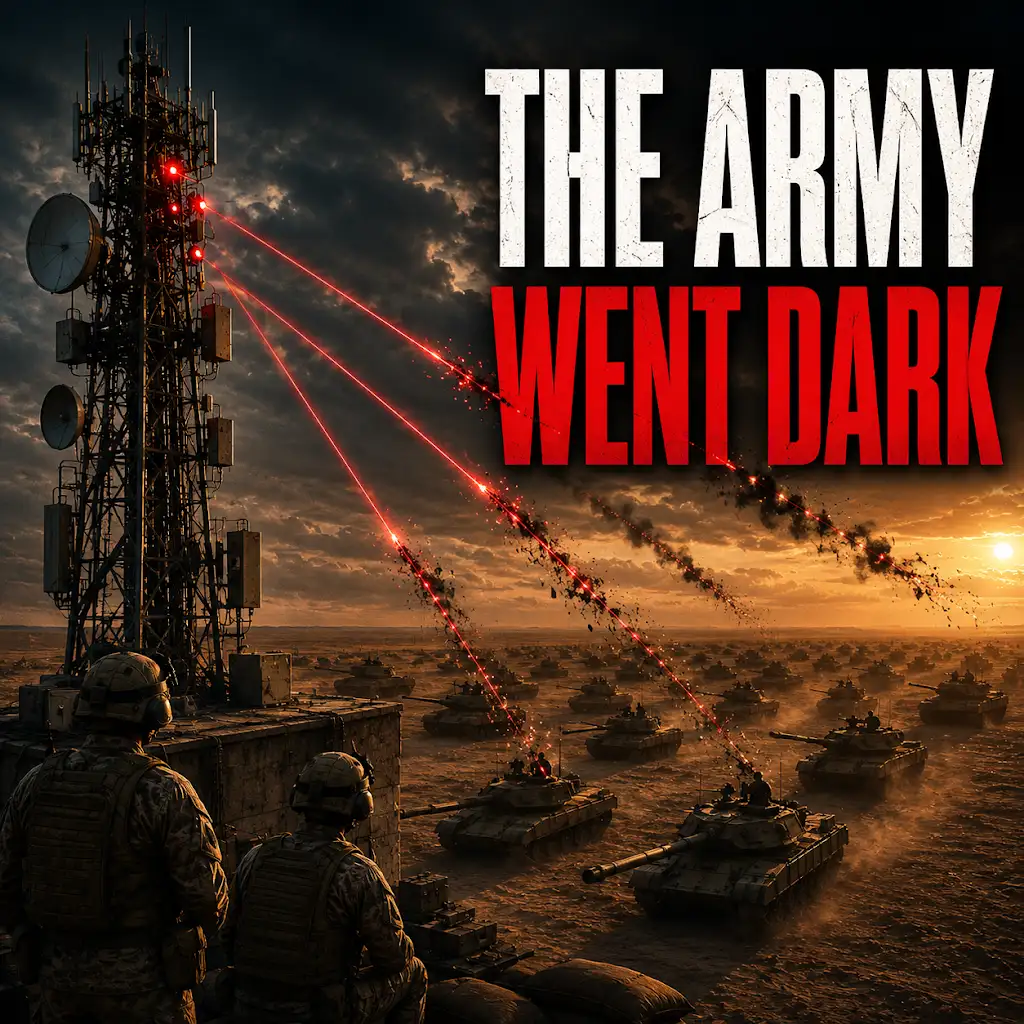
The Invisible Attack That Crippled Iraq’s Army | Desert Storm Documentary
FAQs

What is the article “How Coalition Deception Fooled Iraqi Forces” about?
The article discusses how the coalition forces used deception tactics to mislead and confuse Iraqi forces during military operations.
What are some examples of deception tactics used by the coalition forces?
Some examples of deception tactics used by the coalition forces include creating fake military movements, using false radio transmissions, and spreading misinformation about troop movements.
How did the deception tactics impact the Iraqi forces?
The deception tactics caused confusion and misdirection among the Iraqi forces, leading to strategic disadvantages and making it difficult for them to anticipate the coalition forces’ actual movements and intentions.
What were the outcomes of the coalition forces’ deception tactics?
The outcomes of the coalition forces’ deception tactics included successfully misleading and outmaneuvering the Iraqi forces, ultimately contributing to the coalition forces’ military successes.
What are the implications of using deception tactics in military operations?
The use of deception tactics in military operations can have significant strategic advantages, but it also raises ethical and moral considerations regarding the manipulation of information and the potential impact on civilian populations.